Toxic Smog Engulfs Northern India as Delhi Pollution Hits Seasonal High

Delhi’s Air Quality Reaches Critical Levels Amid Pollution Crisis

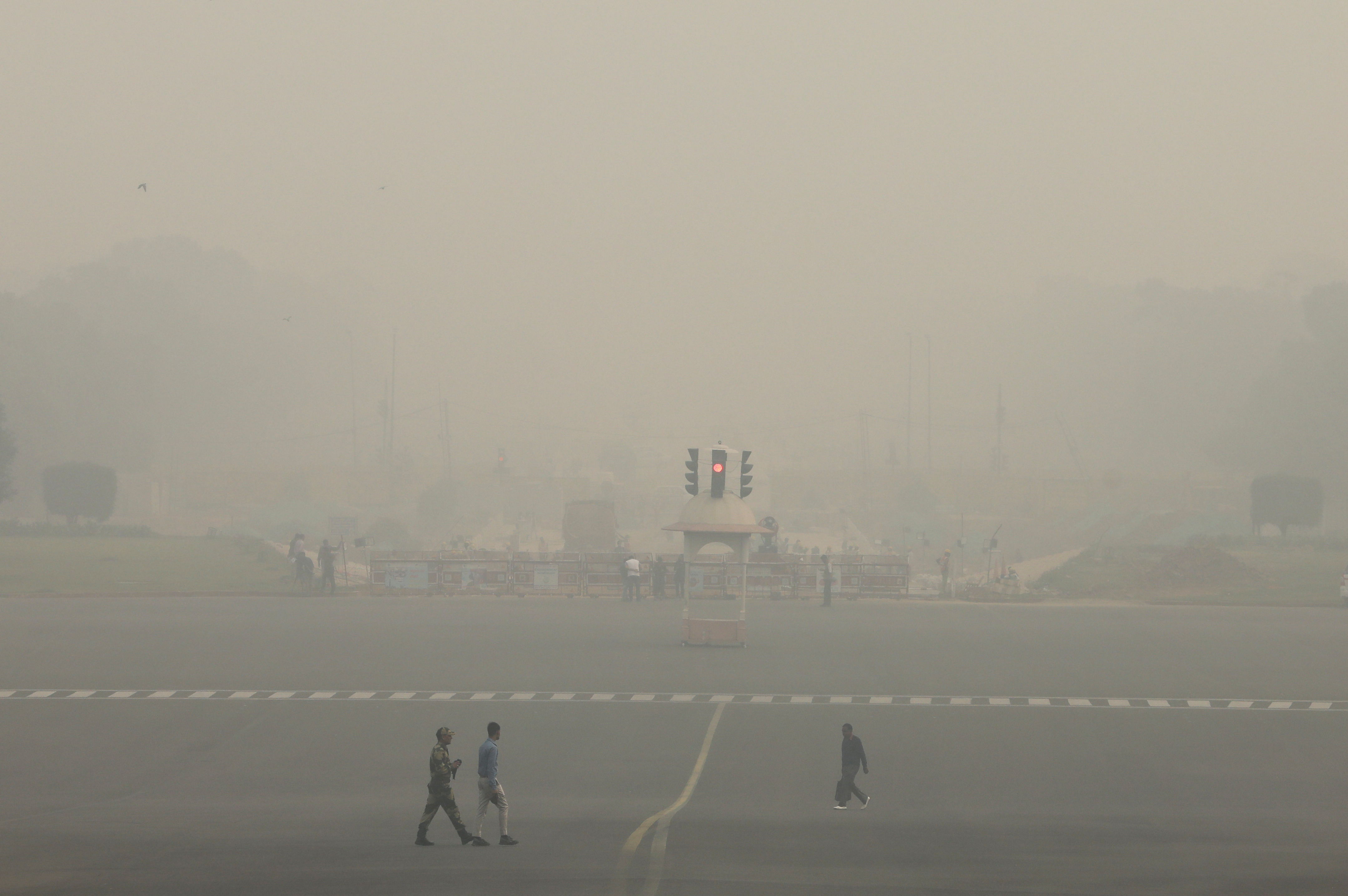
On Monday, dense smog and toxic pollution blanketed much of northern India, with New Delhi’s air quality reaching the worst levels of this pre-winter season. The capital’s air quality index (AQI) surged to 491, classified as “severe plus,” significantly impacting visibility and health.

  • Impact on Daily Life: Visibility in Delhi dropped to just 100 meters due to thick fog and smog, leading to the diversion of at least 11 flights. Airports and railway stations remained operational but faced significant delays. Delhi’s chief minister Atishi termed the situation a “medical emergency,” stressing the urgency of pollution control in the region.
  • Health Warnings and School Closures: Health authorities have warned that the high AQI poses severe risks, particularly for individuals with pre-existing respiratory conditions. In response, the Delhi government has moved all schools to online classes and imposed tighter restrictions on construction activities and vehicle movements. Despite these measures, many residents continued their routines while facing discomfort, including eye irritation and difficulty breathing.

Sources of Pollution and Government Response

The dense pollution is primarily attributed to the combination of cold weather, fog, and smoke from illegal farm fires, where rice stubble is burned to clear fields in neighboring states. This annual phenomenon traps dust, emissions, and smoke in the air, exacerbating the region’s pollution levels.

  • Pollution Control Efforts: Economists and environmental experts, including Kaushik Basu, have called the situation a significant threat to India’s growth, emphasizing the need for immediate and effective action. The Supreme Court has instructed states in the Delhi region to consider suspending in-person classes for students up to grade 12 due to the severe air quality.
  • Farm Fires Contributing to Pollution: According to SAFAR, farm fires are responsible for up to 40% of Delhi’s pollution this season, with the Central Pollution Control Board warning that conditions will likely persist.

Global Ranking and Health Implications

Global air quality monitors, including Swiss group IQAir, rank New Delhi as the world’s most polluted city, with PM2.5 levels reaching 130.9 times the World Health Organization’s recommended levels. PM2.5 particulate matter, known to cause respiratory and cardiovascular diseases, remains a critical concern for public health.

  • Forecast for the Coming Days: The India Meteorological Department has predicted similar hazardous conditions for Tuesday, further compounding the health and logistical challenges facing the region.

Austria Begins Formal Coalition Talks After “Sounding Out” Phase

Austria Moves to Formal Coalition Negotiations

Austrian political leaders have entered the formal phase of coalition talks after initial “sounding out” discussions, with Chancellor Karl Nehammer announcing that the People’s Party (ÖVP), Social Democrats (SPÖ), and the liberal Neos will now hold full-scale negotiations. This shift marks the beginning of the first three-way coalition talks in Austria since the country regained independence in 1955.

  • Background of the Election: The far-right Freedom Party (FPÖ) emerged as the top party in September’s parliamentary election, securing around 29% of the vote. However, lacking a coalition partner, they were unable to secure a majority in the Austrian parliament. As a result, President Alexander Van der Bellen tasked Nehammer, leader of the second-placed People’s Party, with forming a government without the FPÖ.
  • Coalition Formation: Nehammer is seeking to form a coalition government with the Social Democrats (SPÖ) and the liberal Neos. The formal talks signify a move beyond preliminary discussions, with each party now dedicating teams to address the details of the coalition’s policy agenda.

Challenges Ahead for the New Coalition

Despite the progress made, Nehammer has cautioned that the road ahead will be “rocky,” with coalition talks likely to take time. His comments reflect the complexities of negotiating between three different political factions, each with its own priorities.

  • Uncertainty in Duration: While Nehammer expressed hope that the talks would be as short as possible but as long as necessary, it remains unclear how long it will take to finalize a deal. Political observers will be closely watching how the negotiations unfold, given Austria’s long-standing political traditions and the need to balance diverse political interests.

Habeck Seeks Reform, Targets Centrist Voters in Bid to Lead Germany

Habeck’s Pitch for Reform and Stability

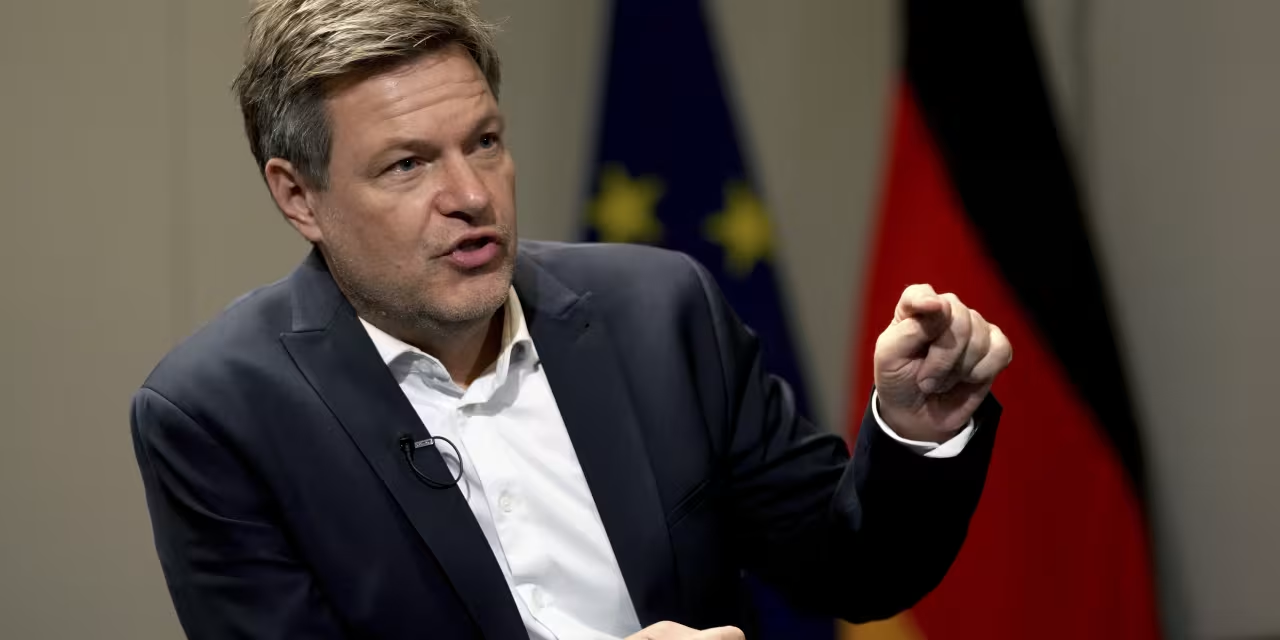
Robert Habeck, leader of Germany’s Greens and economy minister in the government that collapsed 10 days ago, presented himself as the solution to Germany’s stagnation, positioning his party as the only force capable of preventing a return to a grand coalition government. Habeck, elected as his party’s candidate for the February 23 election by 96% of delegates at the Green national congress, emphasized his willingness to work with conservative frontrunner Friedrich Merz on a crucial spending cap reform.

  • Contrast with Conservatives: Habeck’s speech was a direct appeal to centrists disillusioned with the current political landscape, particularly those who backed Angela Merkel’s stable leadership but now feel alienated by Merz’s combative conservatism. Habeck contrasted his calm and reasoned approach to Merz’s volatile style, hoping to attract voters who are looking for an alternative to the polarizing figure of the conservatives.
  • Debt Brake Reform: In an effort to demonstrate his pragmatic approach, Habeck proposed cooperation with Merz on reforming the debt brake, a constitutionally enshrined spending cap, before the election. This offer seeks to address divisions within Merz’s camp between fiscal conservatives and those advocating for increased public spending.

Germany’s Economic Crisis and the Election’s Stakes

The upcoming election comes at a time of heightened economic pressure, with Germany facing fierce competition from China, rising protectionist sentiments globally, and years of underinvestment. Habeck and Chancellor Olaf Scholz are betting that voters’ dissatisfaction is less about support for Merz and more about frustration with the current state of the economy.

  • Appealing to Disillusioned Voters: Habeck’s speech targeted the “Merkel voters”—centrist, liberal-leaning individuals who appreciated Merkel’s stability but are now uncertain about where to place their votes. This strategy seems designed to capture the middle ground in a political landscape shifting to the right under Merz’s leadership.

Habeck’s Strategy and the Party’s Position

While Habeck’s offer to work with Merz may appeal to centrist voters, it also underscores his centrist and pragmatic approach, despite being part of the Green party. He draws parallels to Merkel, who was known for her intellectualism and stability. However, Habeck’s vision differs from Merkel’s, particularly in her government’s reliance on Russian energy, which he aims to move away from.

  • Opposition Criticisms: Habeck’s centrist appeal has not been without criticism. Bijan Djir-Sarai of the neoliberal Free Democrats, previously a coalition partner of the Greens, argued that Habeck’s left-green ideology threatens jobs and economic stability. This critique highlights the ongoing division in Germany’s political landscape, where the Greens’ policies are seen by some as a threat to economic prosperity.