Oil Prices Surge Amid Sverdrup Outage and Escalating Ukraine War

Oil Market Dynamics

Oil prices rose significantly on Monday, driven by the halt in output at Norway’s Johan Sverdrup oilfield and increased geopolitical tensions following escalations in the Russia-Ukraine conflict.

  • Brent Crude: Up $1.52 (2.14%) to $72.56 per barrel by 1503 GMT.
  • WTI Crude: Up $1.39 (2.07%) to $68.41 per barrel.

Sverdrup Oilfield Shutdown

Norway’s Equinor reported an output halt at the Johan Sverdrup oilfield, Western Europe’s largest, due to an onshore power outage. The timeline for resuming production remains unclear.

This development is significant for the North Sea crude market, as Johan Sverdrup’s output underpins the Brent futures complex. UBS analyst Giovanni Staunovo noted that the outage is likely to tighten supply in the region, contributing to price increases.


Geopolitical Tensions in Ukraine

The escalation of the Russia-Ukraine war has further fueled oil price increases:

  1. U.S. Policy Shift: The Biden administration has allowed Ukraine to use U.S.-made weapons for long-range strikes into Russia, including areas around Kursk. This marks a reversal in U.S. policy, escalating tensions with Moscow.
  2. Kremlin’s Response: Russia has warned of retaliation against what it termed a “reckless decision” by Washington, raising the risk of direct confrontations with NATO.
  3. Impact on Oil Markets: Analysts suggest that oil prices could rise further if Ukraine targets Russian oil infrastructure. MST Marquee’s Saul Kavonic noted the potential for heightened market volatility.

Weekend Developments

Russia launched its largest airstrike on Ukraine in three months on Sunday, severely damaging Ukraine’s power system. Meanwhile, reports indicate the involvement of North Korean troops in the conflict, further complicating the geopolitical landscape.


Broader Market Trends

Despite Monday’s gains, oil prices faced a downward trend last week:

  • Weak refinery data from China raised concerns about demand in one of the world’s largest energy markets.
  • The International Energy Agency (IEA) projected that global oil supply would outpace demand by more than 1 million barrels per day in 2025, even if OPEC+ output cuts persist.

These factors contributed to a 3% decline in Brent and WTI prices last week.
Russian Gas Flows to Austria Persist Despite OMV Cut-Off

Background on Gazprom-OMV Dispute

Gazprom halted gas supplies to Austrian energy firm OMV over the weekend due to a contractual dispute involving compensation claims by OMV following an arbitration victory. Despite this, Russian gas continues to reach Austria through other buyers and middlemen, as revealed by supply data on Monday.

OMV had been receiving 17 million cubic meters (mcm) daily before the disruption. These volumes are now being purchased by other European buyers and possibly resold, though the exact buyers remain unidentified.


Gas Transit Routes and Flows

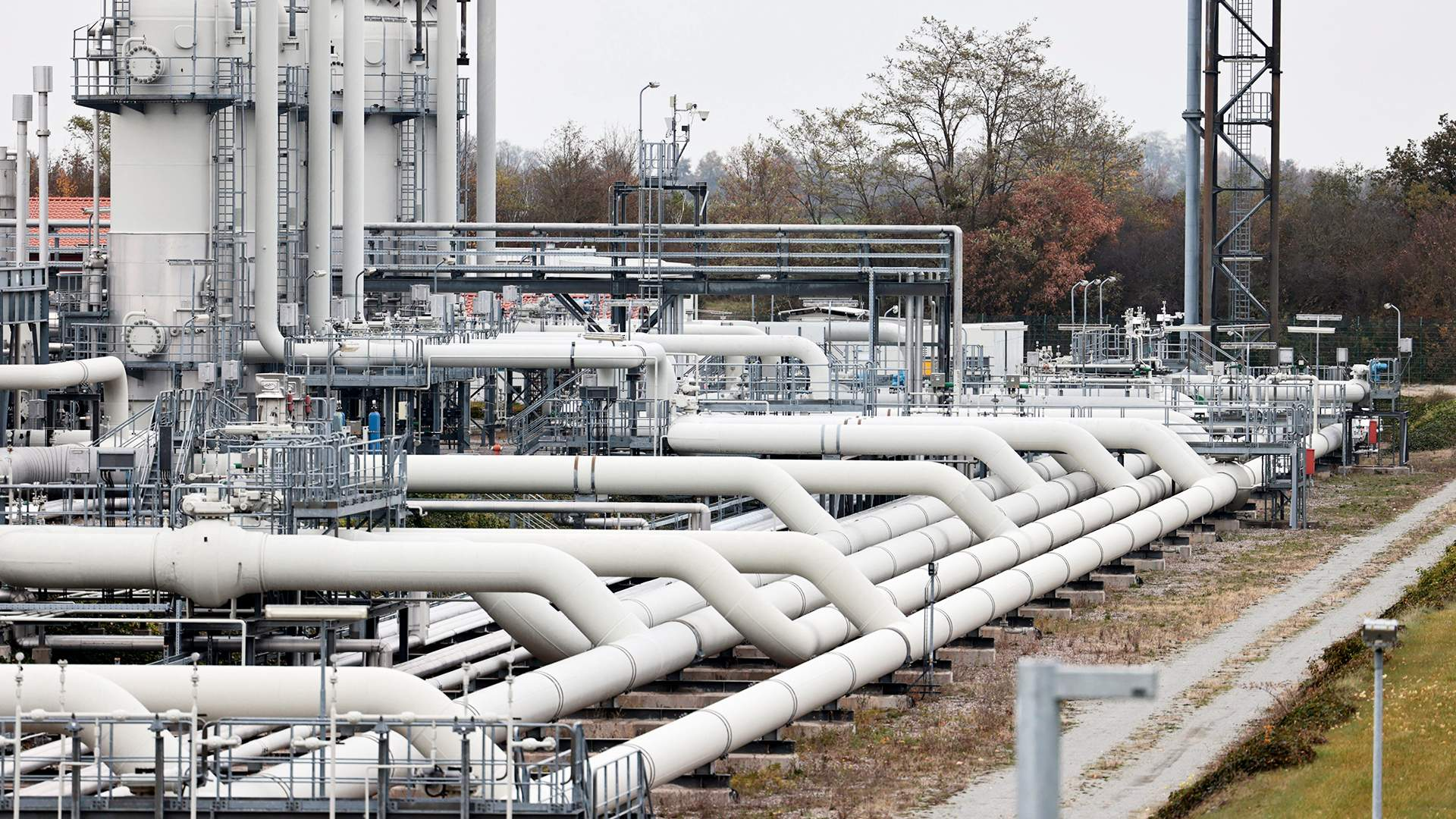
The Urengoy-Pomary-Uzhgorod pipeline remains one of the two remaining routes for Russian pipeline gas to the EU, delivering gas via Ukraine to Slovakia and then onward to Austria. Flows to Austria from Slovakia decreased by 17% to 22.6 mcm/day on Sunday and were projected at 22.3 mcm/day for Monday, according to Eustream.

However, Ukraine has announced its intention not to renew the transit agreement with Gazprom, signaling a potential closure of this critical route by year-end.


Wider Impact on European Gas Markets

While Russian gas deliveries to Slovakia, Hungary, and Serbia remain steady, Austria is now sourcing its gas indirectly through middlemen. In the Czech Republic, where companies have no direct contracts with Gazprom, Russian gas may still be entering the market indirectly. Analysts suggest that surplus Russian gas, cheaper than alternatives due to full storage and lower delivery costs, may be traded through intermediaries.

Elsewhere, colder weather forecasts, reduced Norwegian supplies, and redirected LNG cargoes to Europe have influenced market dynamics. Dutch TTF gas prices rose to €46.90/MWh on Monday, while LNG prices for January delivery in northeast Asia increased to $14.20/mmBtu, reflecting global adjustments to supply disruptions.


European Shift Away from Russian Gas

Since the invasion of Ukraine, the EU has drastically reduced its reliance on Russian gas, turning to alternative sources like Norway, the Middle East, and the United States. However, Russian gas remains competitively priced, enabling it to retain a foothold in certain markets.

Five LNG shipments recently redirected from Asia to Europe underscore the continent’s evolving energy strategy, balancing immediate demand with efforts to diversify away from Russian energy dependency.

Poland to Boost Ammunition Production with Domestic Manufacturing Agreement

Rebuilding Ammunition Capabilities

The Polish government has signed a pivotal letter of intent with domestic companies to manufacture nitrocellulose and multi-base powders, essential for ammunition production. This marks a significant step toward revitalizing Poland’s defense production capabilities amid heightened security concerns.

“It is the first step towards rebuilding Polish ammunition production capabilities,” stated Defense Minister Wladyslaw Kosiniak-Kamysz.


Key Collaborators

The agreement involves state-owned enterprises:

  • Grupa Azoty
  • Polish Armaments Group (PGZ)
  • Mesko

These companies will work together to establish a production facility dedicated to nitrocellulose and multi-base powders.


Dependence on Imports

Currently, Poland relies on imports of explosives from several countries, including Germany, the Czech Republic, Slovakia, France, Finland, Switzerland, and Canada. This initiative aims to reduce foreign dependence and ensure a steady supply of ammunition.


Strategic Investments for Defense

The government plans to invest 3 billion zlotys (approximately $750 million) to bolster ammunition production, reflecting Poland’s commitment to modernizing its military.

Kosiniak-Kamysz emphasized the urgency, citing lessons from the war in Ukraine and other global conflicts:
“No one … can have any doubts about how important it is to have access to a large amount of ammunition for modern weapons.”


Future Preparedness

Marcin Idzik, a board member of PGZ, underscored the necessity of producing 155mm artillery rounds, a key munition type, to prepare for potential threats, particularly from Russia. Ensuring self-reliance in critical military supplies strengthens Poland’s readiness to protect itself and its NATO allies.