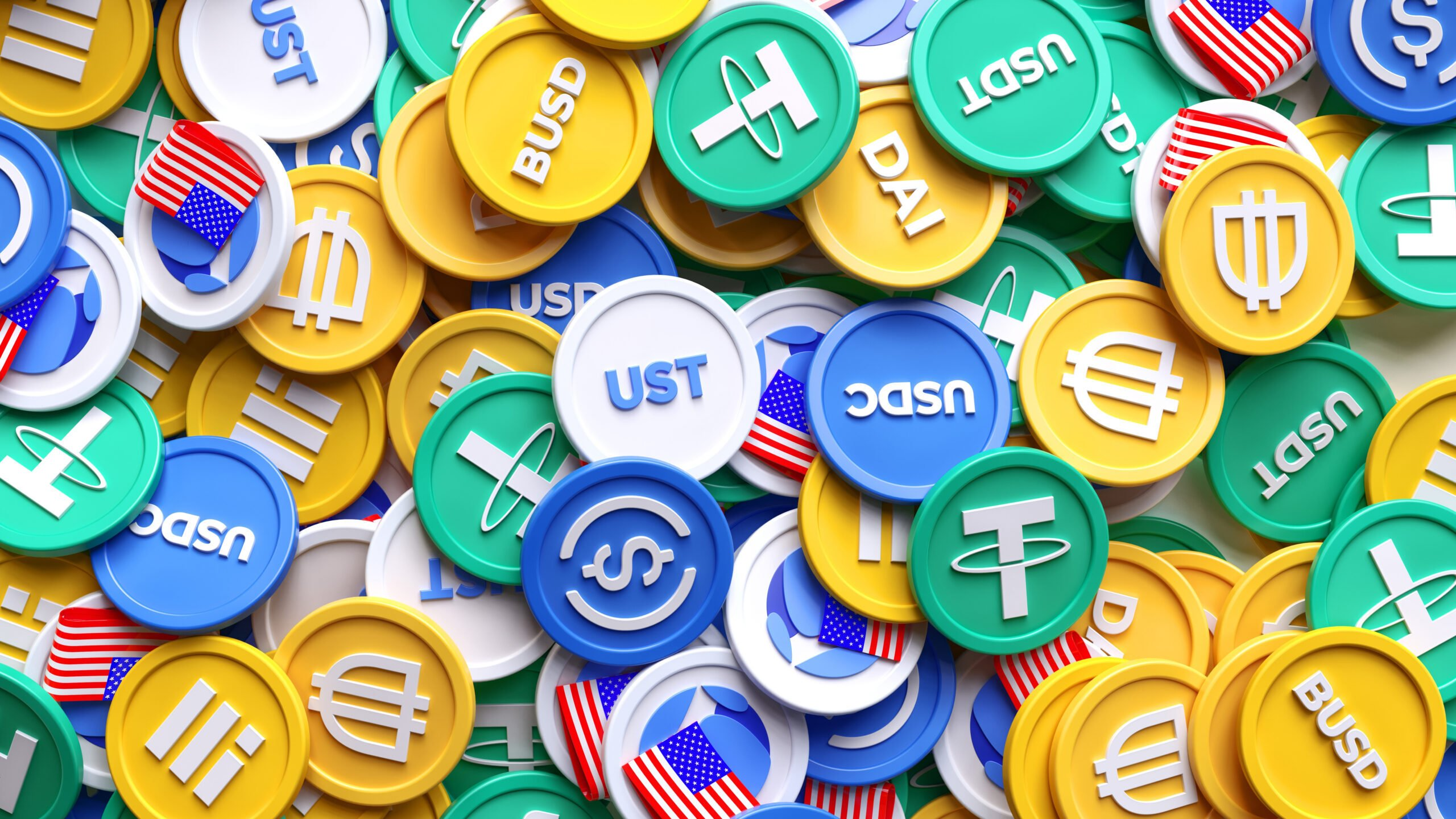
Companies Eye Stablecoin Launches Under New U.S. Law, Experts Warn of Challenges

Financial firms including Bank of America, Citigroup, and Fiserv are exploring launching their own dollar-backed stablecoins following the signing of the GENIUS Act, the first U.S. law establishing federal rules for stablecoins. However, experts caution that multiple hurdles remain before widespread adoption.

OVERVIEW OF THE GENIUS ACT

  • Signed by President Donald Trump on July 18, the law provides the first federal framework for stablecoins.

  • Stablecoins are digital tokens pegged to the U.S. dollar, enabling instant payments and cross-border transfers, unlike traditional banking rails that can take days.

  • The law mandates compliance with anti-money laundering (AML) and “know your customer” (KYC) rules, particularly impacting nonbank issuers.

CORPORATE INTEREST

  • Banks such as Bank of America, Citigroup, and JPMorgan Chase have confirmed interest in stablecoin initiatives, while others like Morgan Stanley monitor developments.

  • Retail and e-commerce giants like Walmart and Amazon are reportedly evaluating stablecoin strategies.

  • Companies must decide whether to issue their own stablecoins or partner with existing issuers such as Circle’s USDC, depending on intended use cases.

KEY CONSIDERATIONS

  1. Purpose and Use Case

    • Stablecoins could be used externally for customer payments or internally for cross-border settlements.

    • Intended use affects design choices, partnerships, and integration strategies.

  2. Regulatory Compliance

    • Nonbank issuers face higher compliance costs due to AML/KYC obligations.

    • Banks benefit from existing experience in regulatory oversight, sanctions screening, and risk management.

    • Holding stablecoins may affect liquidity requirements and capital ratios under U.S. banking rules.

  3. Blockchain Infrastructure

    • Issuers must select between permissionless (public) blockchains like Ethereum and Solana or permissioned (private) networks.

    • Banks often prefer permissioned chains for governance and control, while startups may leverage public networks for user adoption and scalability.

  4. Regulatory Phasing

    • Effective implementation may take years, with federal agencies like the Office of the Comptroller of the Currency expected to issue detailed risk management and compliance rules.

    • Treasury Department guidance will address foreign stablecoin regulatory compatibility.

EXPERT INSIGHT

  • Stephen Aschettino, partner at Steptoe: “The intended use is going to matter a lot… driving customer engagement versus aiming for broader ubiquity.”

  • Jill DeWitt, Moody’s: Firms with robust KYC and risk management programs have a competitive edge.

  • Nassim Eddequiouaq, Bastion CEO: Permissionless blockchains offer battle-tested scalability during spikes in activity.

CONCLUSION
While the GENIUS Act sets the stage for corporate stablecoins to become a mainstream tool for payments and settlements, regulatory, technical, and strategic challenges mean widespread adoption may still take several years.
Hubbell to Acquire DMC Power in $825 Million Deal to Strengthen Power Infrastructure Portfolio

Hubbell Inc. announced on Tuesday that it will acquire peer DMC Power for $825 million in cash, aiming to expand its portfolio of high-voltage power components as demand for electricity surges.

California-based DMC Power specializes in designing and manufacturing connector technology systems for high-voltage power infrastructure, a business that complements Hubbell’s substation and transmission connector solutions. The acquisition comes as utilities and manufacturers prepare for increasing electricity needs driven by artificial intelligence, modern data centers, and upgrades to aging infrastructure.

“As load growth, datacenter buildouts and aging infrastructure drive highly visible utility substation and transmission investment over the next several years, the acquisition of DMC Power expands Hubbell’s strong presence in these attractive markets,” said Hubbell CEO Gerben Bakker.

Hubbell, which recently raised its annual profit forecast due to rising demand, expects the deal to enhance its long-term growth. DMC Power employs more than 350 people, operates two manufacturing facilities, and maintains multiple distribution sites across North America.

The acquisition is expected to close by the end of 2025. Hubbell projects that the deal will boost adjusted earnings per share beginning in 2026. The company plans to finance the purchase through a mix of cash reserves and debt.

Trump Meets with Intel CEO Tan After Resignation Demands

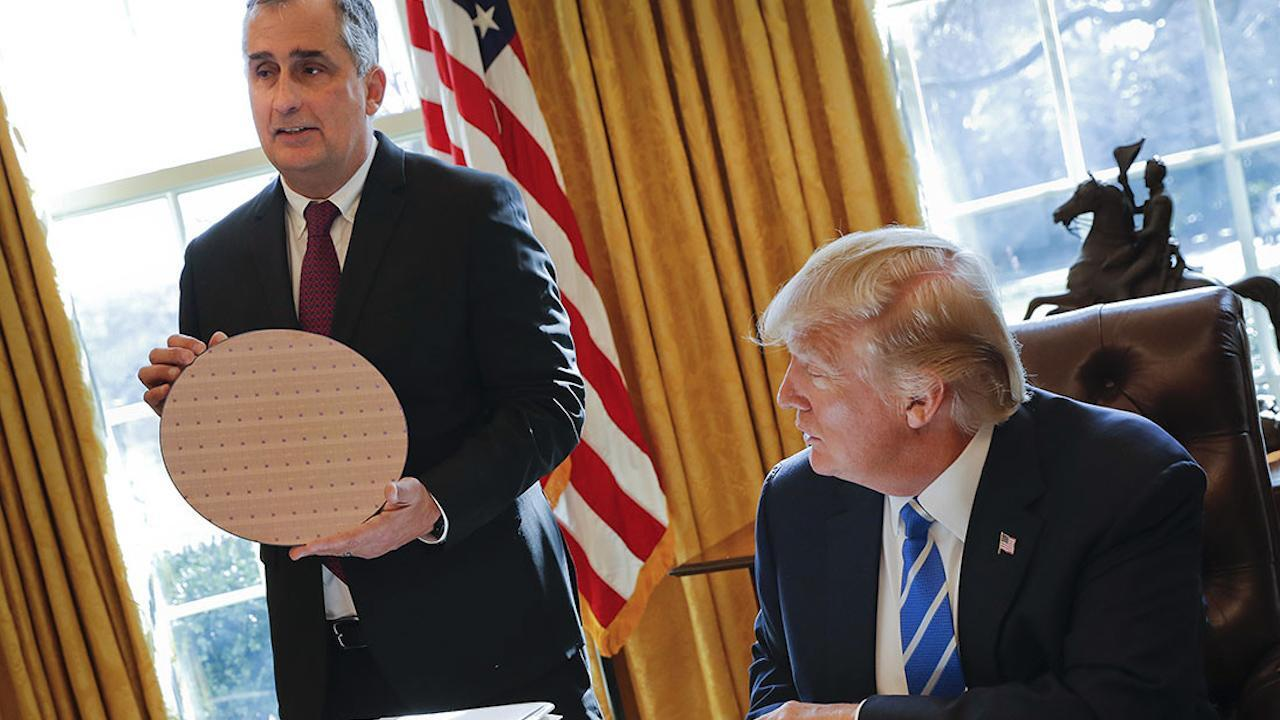
U.S. President Donald Trump met with Intel CEO Lip-Bu Tan on Monday, just days after publicly demanding his resignation over alleged conflicts of interest tied to investments in Chinese firms. Following the meeting, Trump praised Tan, calling the discussion “very interesting.” Intel’s stock rose 3% in extended trading.

Last week, Trump had accused Tan of being “highly conflicted” due to his extensive ties to Chinese companies, some of which were reportedly linked to China’s military. Though such investments are not illegal unless involving entities on the U.S. Treasury’s restricted list, the revelations created uncertainty around Intel’s ongoing turnaround effort.

During the White House meeting, Trump was joined by Commerce Secretary Howard Lutnick and Treasury Secretary Scott Bessent. Trump said the officials, along with Tan, would provide him with further recommendations next week. Despite earlier criticism, Trump acknowledged Tan’s career as “an amazing story.”

Tan, who has been Intel’s CEO for roughly six months, is leading efforts to reposition the company amid heavy losses and fierce competition from Nvidia in the AI chip market. His strategy has included major asset sales, layoffs, and resource reallocation. However, Trump’s intervention—demanding his resignation—has raised concerns among investors and industry insiders that political pressure could derail Intel’s recovery.

Intel released a statement emphasizing Tan’s constructive dialogue with Trump and reaffirming its commitment to U.S. technology and manufacturing leadership. The company pledged to work closely with the administration to “restore this great American company.”

Trump’s direct involvement highlights his unusual influence over corporate governance, following a recent deal requiring Nvidia and AMD to share 15% of their China sales revenue with the U.S. government.