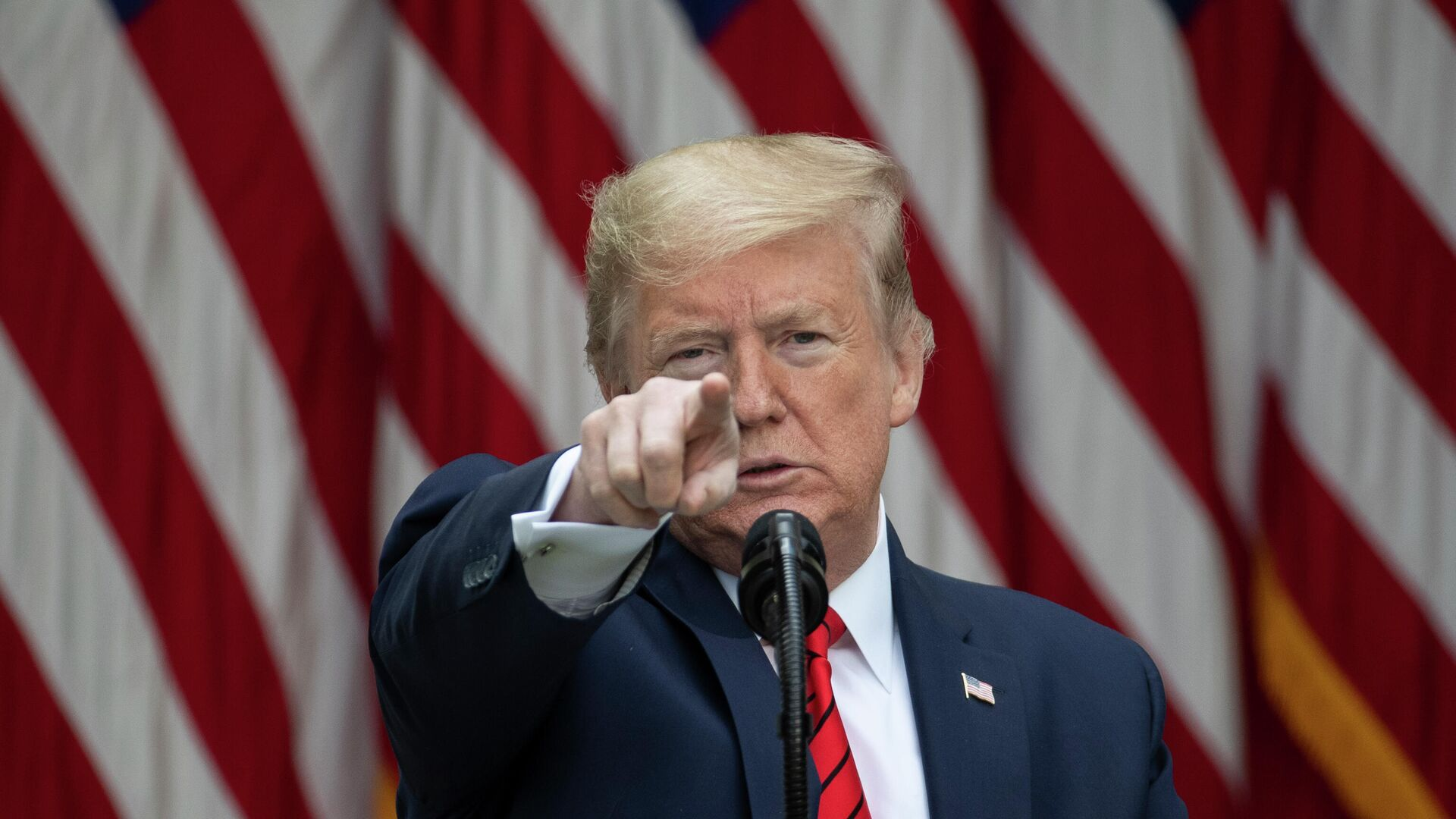
Harris and Trump Make Final Push in Battleground States as Election Day Nears

With only days left until the election, Democratic candidate Kamala Harris campaigned in Michigan on Sunday, while Republican candidate Donald Trump focused on eastern battleground states, hoping to secure votes from key demographics. Polls reveal an intensely close race, with both campaigns uncertain about the outcomes in seven critical states that could decide the election.

Notably, a recent poll suggested Harris is leading in Iowa—a state Trump comfortably won in previous elections—raising the possibility of unexpected results. However, another poll shows her trailing there, indicating that the race remains fluid. In Michigan, a state deemed essential for Democrats, Harris campaigned in East Lansing, a college town with significant electoral weight. However, she faces skepticism from Michigan’s sizable Arab American community, which numbers around 200,000. Many in this group express frustration that the vice president has not done more to address the war in Gaza or reduce U.S. aid to Israel. Trump, who visited Dearborn on Friday, home to Michigan’s Arab American community, pledged to end U.S. involvement in Middle Eastern conflicts.

Trump’s Sunday itinerary includes rallies in three smaller cities: Lititz, Pennsylvania; Kinston, North Carolina; and Macon, Georgia. Each stop targets rural voters, who remain a core part of his base. Notably, it is the first day since last Tuesday that Harris and Trump will not campaign in the same state. On Saturday, their paths intersected in Charlotte, North Carolina, with both candidates holding rallies at the same airport. Harris later appeared on “Saturday Night Live” in a surprise New York appearance.

In her closing campaign messages, Harris has been focused on addressing inflation, promising voters she will tackle the cost-of-living issues that have burdened Americans in recent years. She has also criticized Trump as divisive and dangerous, calling on voters to reject his approach to politics. “We have an opportunity in this election to turn the page on a decade of Donald Trump trying to keep us divided and afraid of each other. We’re done with that,” Harris said in Charlotte.

Trump, on the other hand, has targeted Harris over her role as vice president, pointing to the current administration’s challenges with inflation and immigration. On Saturday in Greensboro, North Carolina, he framed these issues as threats to American stability, declaring that illegal immigrants would only receive “a free ride back home.”

With an estimated 75 million votes already cast, nearly half of the total turnout from the 2020 election, early voting has been robust. However, a clear result may not emerge immediately, as several states, including Pennsylvania, may require additional time to count mail-in ballots.
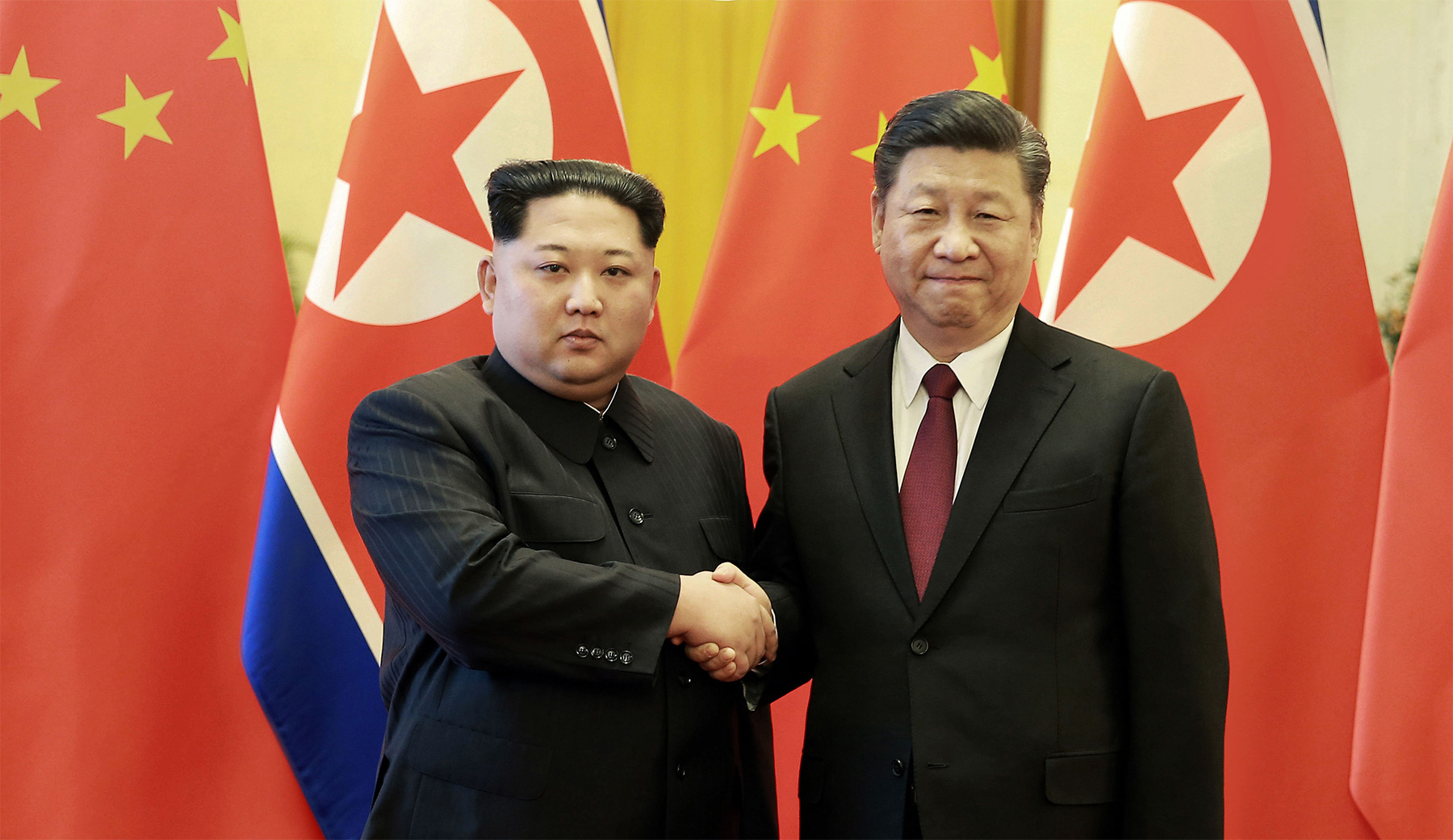
 

Kim Jong Un’s Deteriorating Relationship with China Amidst Growing Alliance with Russia

Chinese tourists huddle against the brisk autumn breeze on a 12-storey building in Fangchuan, the northeastern tip of China where the borders with Russia and North Korea converge. Standing at this unique location, one woman proudly declares her proximity to both nations: “I feel very proud to be standing here… with Russia on my left and North Korea on my right. There are no borders among the people.” However, such optimism may overlook the geopolitical tensions that lie beneath the surface.

China finds itself caught between its sanctioned neighbors as fears rise regarding the burgeoning alliance between Vladimir Putin and Kim Jong Un. Recent reports suggest North Korea may be sending thousands of troops to bolster Russia’s invasion of Ukraine. This was further underscored when Pyongyang launched a banned intercontinental missile last Thursday, escalating tensions in the region. Christopher Green, an analyst from the International Crisis Group, emphasizes that “China seeks a relationship with a reasonable, high level of control over North Korea,” yet the emerging ties between Pyongyang and Moscow threaten to undermine that stability.

While both Moscow and Pyongyang deny that North Korean soldiers are being deployed to Ukraine, U.S. officials assert they have evidence of such movements, following intelligence claims from South Korea and Ukraine. These developments emerged just prior to Xi Jinping’s meeting with Putin at the Brics summit earlier this October, overshadowing a gathering intended to showcase a united front against the West.

Beijing’s frustrations with the current trajectory of its allies are palpable. “China is unhappy with the way things are going,” Green observes, noting that the nation is trying to keep its discontent relatively quiet. In Fangchuan, the presence of tourists is tolerated, but journalists face scrutiny, with the police closely monitoring their activities.

Many tourists visiting the border area express intrigue about North Korea. Through telescopes, they spy cyclists in the hermit kingdom, often captivated by its mysterious aura. This proximity highlights how intertwined the fates of the three nations have become, with China’s economy heavily reliant on North Korea, which relies on Beijing for over 90% of its foreign trade.

Historically, relations between China and North Korea have fluctuated. In the early 1960s, Chinese families fled across the Tumen River into North Korea. However, following the Soviet Union’s collapse in 1991, North Korea’s economy crumbled, and the regime increasingly relied on China. Yet now, with Russia offering an alternative ally, Kim Jong Un is leveraging this relationship for North Korea’s benefit.

Aidan Foster-Carter, a longtime observer of North Korea, describes the situation as a shift in allegiances, with Kim being characterized as “the comrade from hell” to both Russia and China. Analysts note that Kim has shown more affection towards Putin than Xi in recent months, even meeting with the Russian leader twice in the past year, while avoiding any engagement with Xi since 2019.

As North Korea strengthens its ties with Russia, Kim’s actions may be alienating his traditional benefactor, China. The Kremlin’s needs align with Pyongyang’s ambitions, creating a precarious partnership that could further destabilize the region. Xi, who is striving for stability and a new global order, finds himself in a difficult position, unable to control the unfolding alliance between his two neighbors.

The recent developments have led to discussions between the U.S. and China regarding the situation. While Beijing has previously complied with international sanctions against North Korea, the current circumstances are pushing Xi to weigh his options more carefully. As the situation unfolds, any drastic measures could lead to a refugee crisis at the Chinese border, a scenario that Beijing is keen to avoid.

Ultimately, Kim Jong Un faces a pivotal decision as well. While Russia may currently provide military support, it is China that has historically sustained North Korea’s regime. The delicate balance between maintaining these alliances will have significant implications not just for the leaders but for the millions of North Koreans who rely on the regime for their survival.


Russian Influence and “Dirty Money” Threaten Moldova’s Presidential Election Integrity

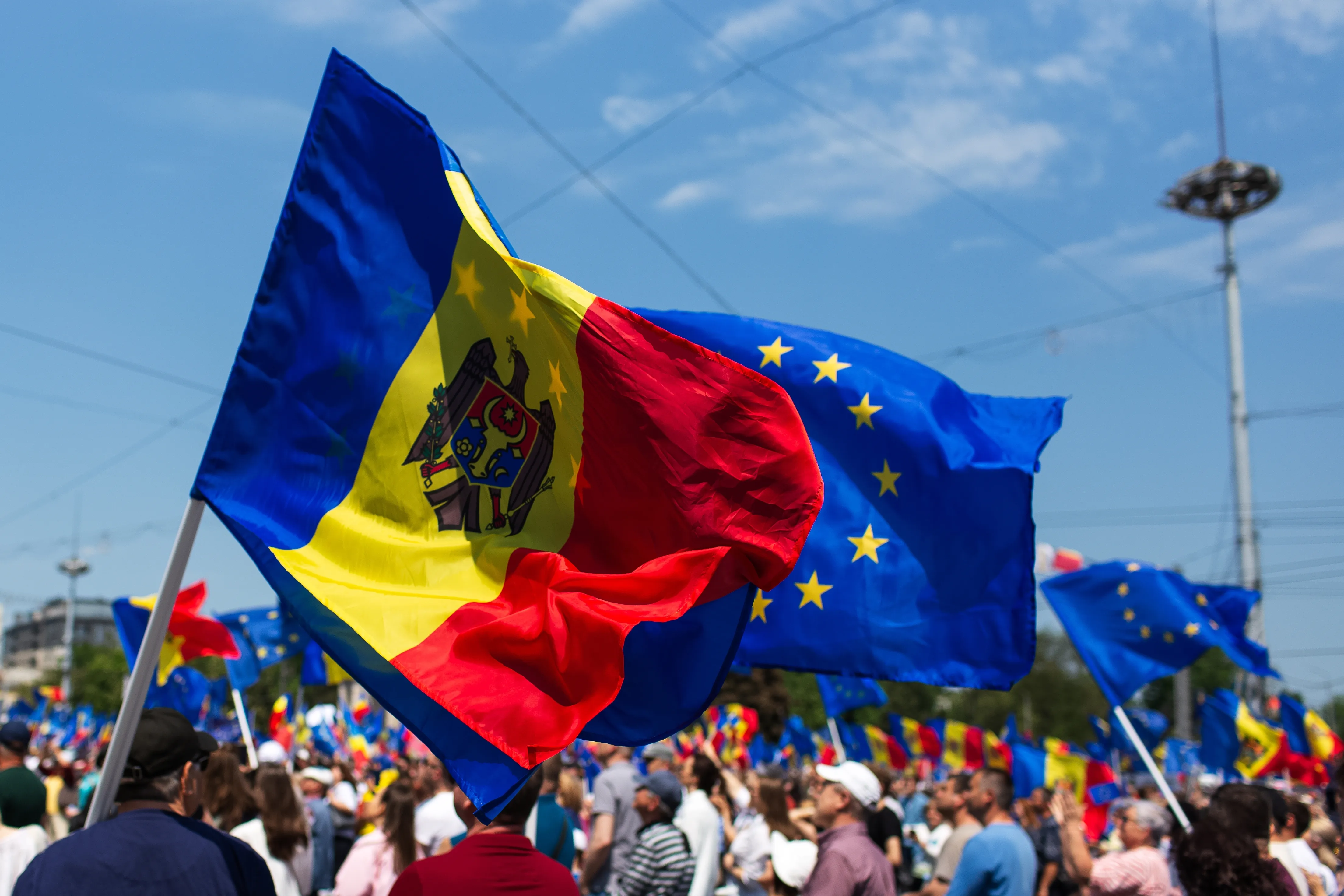
Moldova is gearing up for a pivotal second round of presidential elections this Sunday, which could decisively steer the country’s future towards European integration or pull it back under Kremlin influence. Pro-Western President Maia Sandu is seeking reelection after making significant strides towards the European Union amid the ongoing challenges posed by Russia’s war in Ukraine, which is alarmingly close to Moldova’s eastern border.

In the first round of voting, Sandu garnered 42% of the ballots, coinciding with a narrowly approved EU membership referendum that faced scrutiny due to allegations of widespread vote-buying linked to Kremlin interests. Sandu characterized this interference as an “unprecedented assault” on Moldova’s democracy, a sentiment echoed by analysts concerned about the integrity of the electoral process.

Her opponent, Alexandr Stoianoglo, is a former prosecutor general representing the pro-Russian Party of Socialists. If various Kremlin-aligned parties consolidate their support behind him, the upcoming election is expected to be highly competitive. During last week’s debate, Sandu, who has severed ties with Moscow, labeled Stoianoglo a “Trojan Horse” intended to advance Kremlin interests in Chisinau, Moldova’s capital.

The Risk of Electoral Manipulation

Valeriu Pasha, director of the think tank WatchDog.MD, warned that the election’s outcome hinges on whether citizens elect their president or if Russian “dirty money” tilts the scales in favor of a Kremlin-friendly candidate. Before the elections, Ilan Shor, a Russian-affiliated oligarch, reportedly proposed financial incentives for individuals supporting the pro-Russian candidate and attempted to obstruct the EU referendum. Sandu claimed this scheme aimed to buy the votes of approximately 300,000 citizens—nearly 10% of Moldova’s population.

Despite Stoianoglo polling below 10% prior to the elections, he managed to secure over 26% of the first-round votes. While both the Kremlin and Shor have denied any involvement, Moldovan officials remain vigilant against potential interference in the second round.

Addressing Domestic Discontent

Moldova’s recent electoral landscape also reveals a significant level of opposition to Sandu, who has faced multiple crises throughout her first term, including the COVID-19 pandemic, the fallout from the war in Ukraine, and a gas crisis that spiked inflation to over 30%, deepening poverty in one of Europe’s poorest nations.

Critics have also called out Sandu’s decision to schedule the EU referendum concurrently with the presidential election, arguing that it backfired. “The plan of the government was that the issue of European integration would bolster support for Maia Sandu,” noted Maksim Samorukov of the Carnegie Russia Eurasia Center. However, this strategy led to a decline in support for both Sandu and EU aspirations among discontented voters.

Stoianoglo aims to exploit this discontent, proposing a “reset” of relations with Moscow while simultaneously advocating for EU membership. However, this dual approach presents a contradiction, as it remains challenging to reconcile cooperation with Russia alongside a commitment to European integration.

Implications of a Russian-aligned Government

As the second round approaches, Moldovan officials brace for potential pro-Russian meddling. A defeat for Sandu would severely undermine Moldova’s aspirations for a European future and might worsen conditions in Transnistria, a breakaway region with around 1,500 Russian troops stationed there. Concerns persist that Transnistria could become an additional front in the ongoing war in Ukraine.

Pasha outlined the dire consequences of a Russia-aligned government, warning that it could lead to the dismantling of democratic institutions, including the erosion of free and fair elections, effectively transforming Moldova into a launching pad for further Kremlin operations against Ukraine.

This election follows closely on the heels of Georgia’s elections, another former Soviet state where Russia seeks to maintain influence. Following the victory of the increasingly autocratic Georgian Dream party, Ukrainian President Volodymyr Zelensky stated that Russia appears to have triumphed in Georgia, with Moldova potentially facing a similar fate. The results of this Sunday’s vote will be critical in determining the region’s trajectory.