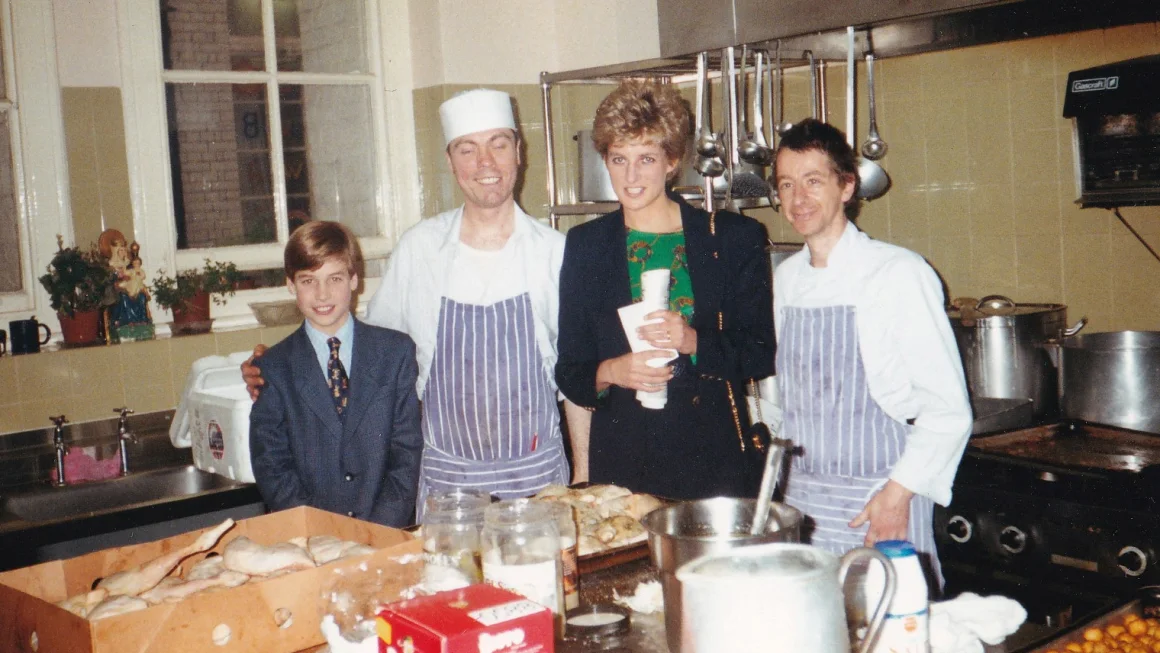
Prince William Reflects on Childhood Experience with Diana in New Documentary on Homelessness

In a forthcoming documentary titled “Prince William: We Can End Homelessness,” Prince William shares how a formative experience from his childhood shaped his commitment to combatting homelessness. The documentary, which features unseen footage of William with his late mother, Princess Diana, highlights their visit to The Passage, a UK charity dedicated to helping the homeless.

Key Insights from the Documentary

  • Childhood Visit to The Passage: Prince William recalls visiting the charity when he was just 11 years old, accompanied by his brother, Prince Harry, and their mother. He reflects on feeling anxious before the visit but notes that Diana’s warm demeanor helped ease his nerves. “My mother took me to The Passage; she took Harry and I both there,” William states in a newly released clip.
  • Impact of the Experience: The visit left a lasting impression on William. He describes initially believing that everyone at The Passage would be sad due to their circumstances, but instead found a joyful atmosphere. Engaging in conversations and playing chess with those at the charity opened his eyes to the diverse experiences of others. “That’s when it dawned on me that there are other people out there who don’t have the same life as you do,” he reflects.

The Homewards Initiative

The documentary follows William’s Homewards initiative, launched in June 2023 by his Royal Foundation. This five-year program aims to demonstrate that ending homelessness is achievable, focusing on six flagship locations across the UK. William passionately advocates for systemic change, emphasizing prevention rather than mere management of homelessness.

  • William’s Commitment: At a recent awards ceremony for the Centrepoint charity, he expressed his belief that homelessness is a complex issue that can be eradicated. “Achieving this will require a movement that creates systemic change…and ensures all young people have truly affordable options to live and thrive independently,” he stated.
  • Addressing Criticism: The prince also addresses critiques regarding his privileged background. He emphasizes his genuine desire to help those in need, stating, “I come with no other agenda than desperately trying to help people who are in need… Why else would I be here if I’m not using this role properly to influence and help people where I can?”

Documentary Details

Directed by BAFTA winner Leo Burley, the two-part series showcases stories from individuals currently experiencing or having faced homelessness. The first episode is set to air on ITV at 9 p.m. local time on Wednesday, October 30, with the second episode following the next day at the same time.

This documentary aims not only to raise awareness about homelessness but also to promote innovative solutions that can be scaled to make a real difference in the lives of vulnerable populations.
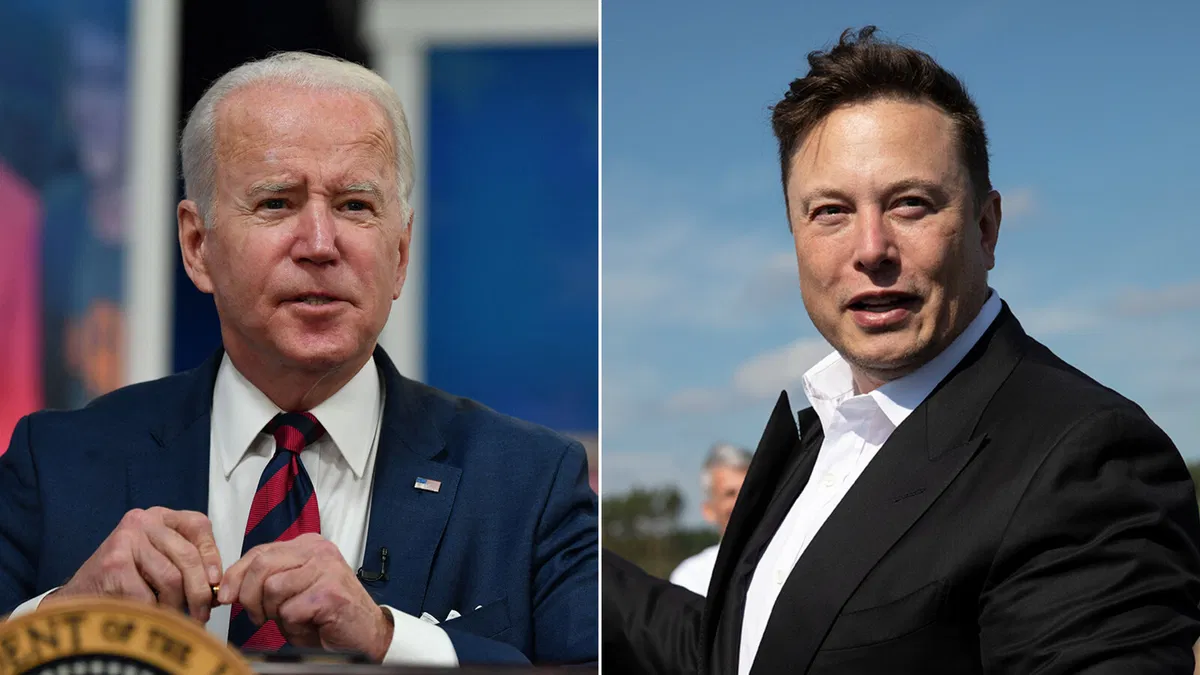

Biden Criticizes Elon Musk’s Immigration Hypocrisy at Pennsylvania Campaign Event

During a campaign event in Pittsburgh, Pennsylvania, President Joe Biden publicly criticized Elon Musk, CEO of Tesla and SpaceX, for his perceived hypocrisy regarding immigration policies. Biden referred to Musk’s early career in the U.S., stating that he began as an “illegal worker” before amassing his wealth. This remark comes amidst Musk’s increasing alignment with former President Donald Trump and his campaign efforts.

Biden’s comments highlighted Musk’s past, stating, “The wealthiest man in the world turned out to be an illegal worker here when he was here.” He elaborated that Musk was in violation of his student visa, as he was not attending school during his initial time in the U.S. Instead, he began developing his first startup, Zip2, without the necessary work authorization.

Key Points from Biden’s Remarks

  • Hypocrisy on Immigration: Biden criticized Musk for speaking against undocumented immigrants while having violated U.S. immigration laws himself.
  • Border Policy Context: The President also took the opportunity to address broader immigration issues, asserting that the number of illegal crossings at the border is lower than during Trump’s presidency. He accused Trump and Republicans of failing to address the immigration system effectively.

Musk’s Recent Activities

Musk has been actively campaigning for Trump in Pennsylvania, including hosting town hall events and distributing lottery-style prizes to incentivize voter participation in his pro-Trump group, America PAC. His recent activities have sparked discussions about his influence on swing state voters and his political alliances.

Legal Background

A Washington Post report corroborated Biden’s remarks, detailing how Musk worked in the U.S. before securing a work visa in 1996. The report noted concerns from investors about Musk’s immigration status, which prompted them to support his visa application. Musk, originally intending to pursue graduate studies at Stanford, ultimately founded Zip2, which sold for approximately $300 million in 1999, paving the way for his subsequent ventures.

Criticism of Trump’s Immigration Policies

Biden also contrasted Musk’s wealth and influence with Trump’s immigration proposals, which include plans for significant deportations and revoking visas for specific groups. This dialogue underscores the ongoing tensions surrounding immigration policy in the U.S. and the contrasting views of the two political figures.

Misinformation on Voting

In addition to his immigration stance, Musk has propagated claims regarding noncitizen voting, which Biden highlighted as unfounded. Studies, including those from the Brennan Center for Justice, show that voter fraud is exceedingly rare in the U.S., with misinformation often being a result of errors rather than intentional misconduct.


3 Practices of Emotionally Intelligent People with Their Smartphones

In an age where smartphones dominate our attention, emotionally intelligent individuals recognize the negative impact of “phubbing”—the act of ignoring someone in favor of a phone. Research indicates that this behavior erodes trust and weakens relationships, leaving others feeling lonely and dissatisfied. Harvard-trained EQ expert Dr. Jenny Woo outlines three essential practices that emotionally intelligent people adopt to foster deeper connections while managing their smartphones effectively.

1. Plan: Set Intentions Before Social Interactions

Emotionally intelligent people establish clear intentions for their phone usage during social interactions. They employ “if-then” statements to minimize decision fatigue and resist the urge to check their devices. Examples of these statements include:

  • “If I’m having a meal with someone, then I’ll put my phone on silent and wait until the meal is over to check it.”
  • “If I remember something I need to do on my phone during a work meeting, then I’ll jot it down on a sticky note and handle it afterward.”
  • “If I absolutely need to check my phone during a conversation, then I’ll first inform the other person and explain what I’m doing.”

When they slip up, they don’t dwell on self-criticism. Instead, they acknowledge the lapse and repair any damage by saying something like, “I’m so sorry about that; you have my full attention now.”

2. Pocket: Keep the Phone Further Away

Research shows that simply having a phone within reach—even when turned off—can reduce cognitive capacity and focus. Emotionally intelligent individuals create physical distance between themselves and their devices to enhance mental clarity and productivity.

By keeping their phones in pockets or another room, they minimize the temptation to reach for their devices mindlessly. This deliberate choice helps them maintain focus during meaningful interactions and reduces the risk of distractions that could derail conversations.

3. Pause: Establish Phone-Free Zones

Constant phone notifications can keep our brains in a reactive state, making it difficult to concentrate on important tasks or interactions. Studies suggest that it takes an average of 23 minutes to regain focus after checking a phone. Emotionally intelligent people understand the need to manage these distractions.

They intentionally pause their phone use by setting designated phone-free zones—such as during meals or in bedrooms—and making agreements with family, friends, or colleagues to ensure genuine presence. Switching phones to “Do Not Disturb” mode and turning off non-essential notifications can further minimize interruptions, allowing them to cultivate deeper connections with those around them.

Conclusion

By planning their phone usage, creating physical barriers, and establishing phone-free zones, emotionally intelligent individuals can combat the urge to engage in phubbing. These practices not only foster deeper relationships but also enhance their overall well-being. While smartphones will always be a part of life, the moments shared with others are fleeting and should be prioritized.