
The Gender Divide in the 2024 US Election: Men vs. Women Voters

As the 2024 presidential election approaches, a significant gender divide has emerged in voter preferences. Donald Trump holds a commanding lead among male voters, while Kamala Harris enjoys a similarly strong support base among women. This political gender gap, rooted in years of social upheaval, could play a pivotal role in determining the election’s outcome.

Kamala Harris and the Gender Factor

Kamala Harris, the first woman of color to secure a presidential nomination and only the second woman ever to reach this stage, strives to downplay her identity in campaign discussions. In a recent CNN interview, she emphasized her qualifications for the presidency, stating, “I believe that I am the best person to do this job at this moment for all Americans, regardless of race and gender.”

Despite her efforts to focus on her capabilities, gender is increasingly becoming a central issue in the campaign. Acknowledging this reality, a Harris campaign official suggested that “hidden sexism” may deter some voters from supporting her candidacy. While many might not openly admit their biases, they may express concerns about Harris’s readiness or personality, which can often be a veiled reference to her gender.

Trump Campaign’s Perspective

The Trump campaign dismisses the notion that gender plays a role in voter preferences. Bryan Lanza, a senior adviser, stated, “Kamala is weak, dishonest, and dangerously liberal, and that’s why the American people will reject her.” He expressed confidence in Trump’s potential victory, attributing it to the male gender gap that favors the former president.

Historical Context of Gender Bias in Elections

Reflecting on past elections, especially Hillary Clinton’s 2016 campaign, it’s evident that gender biases influenced voter perceptions. Madeleine Dean, a Pennsylvania Congresswoman, recounted conversations where constituents expressed vague discomfort with Clinton, which she later recognized as being tied to her identity as a woman. Although Dean believes such sentiments are less pronounced today, she acknowledges that resistance to powerful women persists for some voters.

The Impact of Social Movements

Since 2016, significant strides have been made for women, particularly through the #MeToo movement, which raised awareness of gender discrimination. This shift has improved the landscape for female candidates like Harris. However, these advancements have also sparked backlash among certain demographics, particularly young men who feel marginalized by changing societal norms.

Current Gender Gap and Voter Attitudes

Recent CBS News polling indicates a widening gender gap in voter preferences, reflecting broader societal attitudes. Men are more inclined to believe that efforts to promote gender equality have gone too far, aligning themselves more closely with Trump. Conversely, women tend to believe these efforts are insufficient and are more likely to support Harris.

The polling also reveals that men are less likely than women to view Harris as a strong leader. In contrast, a majority of men believe Trump embodies strong leadership qualities. This dynamic suggests that the upcoming election is not merely a choice between candidates, but a referendum on gender roles and societal changes.

Young Men’s Reactions to Social Changes

Young men, in particular, may feel alienated by the recent social shifts, grappling with a sense of being overlooked in conversations surrounding gender equity. John Della Volpe, director of polling at the Harvard Institute of Politics, noted that young men often fear being labeled as misogynistic or homophobic for asking questions about their changing roles. This frustration can lead them to align with figures like Trump, who they perceive as representing their concerns.

As the election date approaches, the interplay of gender dynamics and societal changes will continue to shape the political landscape, influencing voter behavior and potentially swaying the election’s outcome.
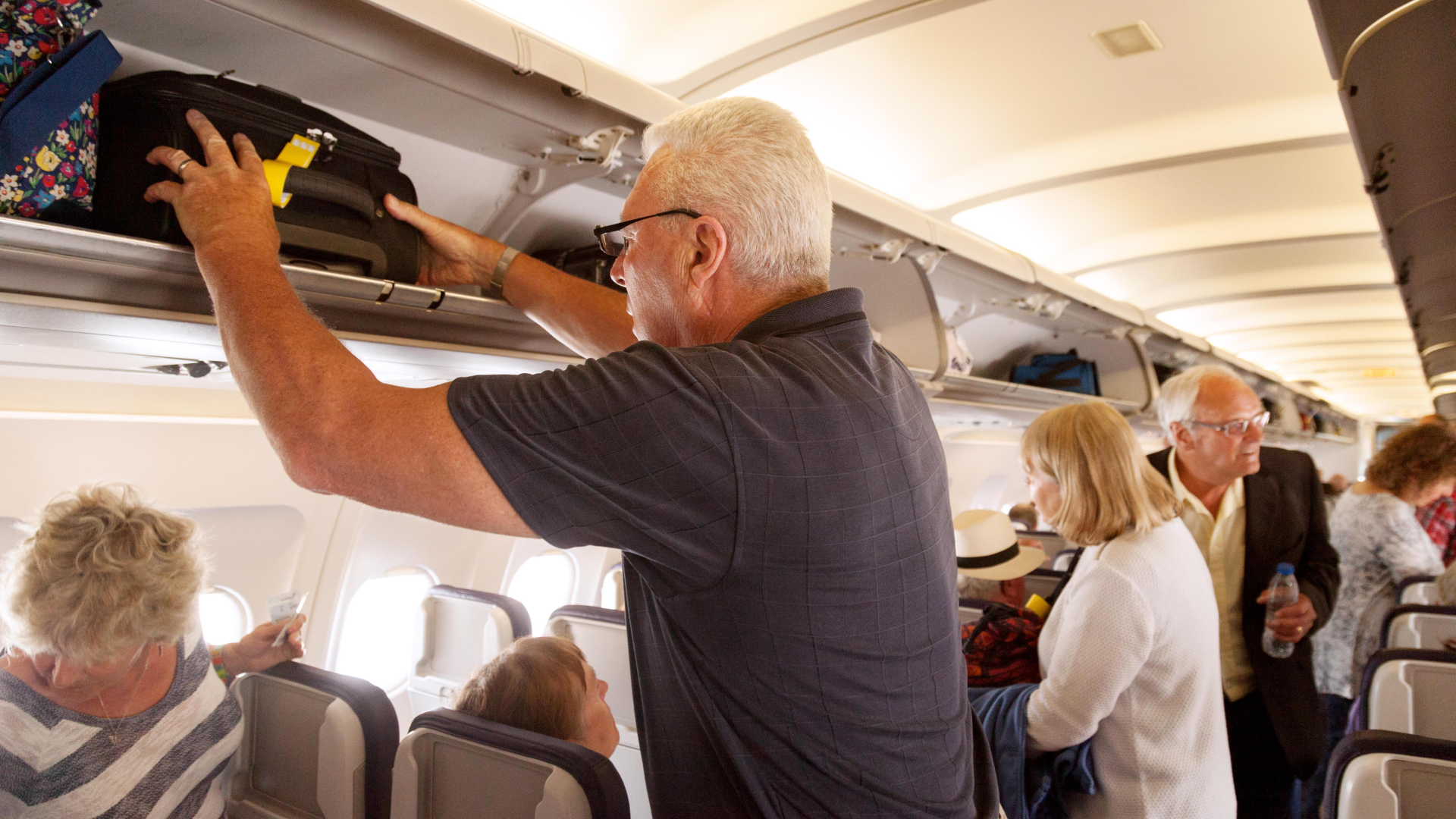
American Airlines Tackles ‘Gate Lice’ as Travel News Highlights Key Trends

This week in travel news, American Airlines has implemented measures to address the issue of passengers skipping lines at airport gates, also known as “gate lice.” Alongside this, exciting updates include the world’s best bars for 2024 and top travel destinations from National Geographic and Lonely Planet.

American Airlines Takes Action Against Gate Lice

  • What Are ‘Gate Lice’?: The term refers to passengers who crowd around airport gates before their boarding groups are called, leading to congestion and confusion. This behavior often results in longer wait times for everyone.
  • New Technology Trial: To combat this problem, American Airlines is testing a system at select airports in New Mexico, Arizona, and Virginia. When passengers attempt to board prematurely, an error beep will alert both the gate agents and compliant travelers, prompting the offenders to return to their designated boarding group.
  • Positive Feedback: American Airlines has reported satisfaction with the initial outcomes of this trial, as they seek to streamline the boarding process and reduce gate congestion.

Noteworthy Developments in Airport Policies

In addition to American Airlines’ initiative, other airports are making headlines. Following a recent policy at a New Zealand airport limiting hug durations, London’s Heathrow Airport has introduced signage encouraging unlimited hug time for fond farewells, promoting emotional goodbyes in their departure areas.

Travel Trends and Destination Insights

  • Shoulder Season Travel: While summer remains a peak travel season in Europe, savvy travelers are turning to the shoulder months of mid-October to mid-December for a more pleasant experience with fewer crowds, milder weather, and better prices.
  • Top Travel Destinations: National Geographic and Lonely Planet have released their lists of must-visit destinations for 2024, with Thailand and Italy making appearances on both. The rising trend of slow travel is gaining traction, encouraging deeper engagement with local cultures.
  • Best Bars for 2024: For those looking for nightlife, the latest list of the world’s best bars includes hotspots in Mexico City, Hong Kong, Barcelona, and London, promising vibrant atmospheres in exciting cities.

Heartwarming Travel Stories

Several travel romances captured attention this week.

  • Mike Grossman’s Unexpected Romance: Mike, who believed he wouldn’t fall for anyone while in Australia, experienced an immediate connection with a colleague at a work event in 1988, changing his perspective on love.
  • Erin Tridle’s Parisian Encounter: On her first night in Paris, Erin met Jordan, a bartender, leading to an instant attraction described as a “lightning strike.”
  • Vlad Dimovski and Iga Olszak’s Journey: Their relationship blossomed from a teenage friendship during a vacation in Greece in 2005, rekindling a decade later through serendipitous circumstances.

Istanbul’s Feline Residents

In Istanbul, street cats are an integral part of the city’s charm. Locals take great care of these beloved cats, and there’s even an art museum dedicated to them, highlighting the cultural significance of these animals.

As the holiday season approaches, pet owners may want to consider thoughtful gifts for their feline companions, with recommendations for top scratching posts provided by CNN Underscored, a trusted product review guide.


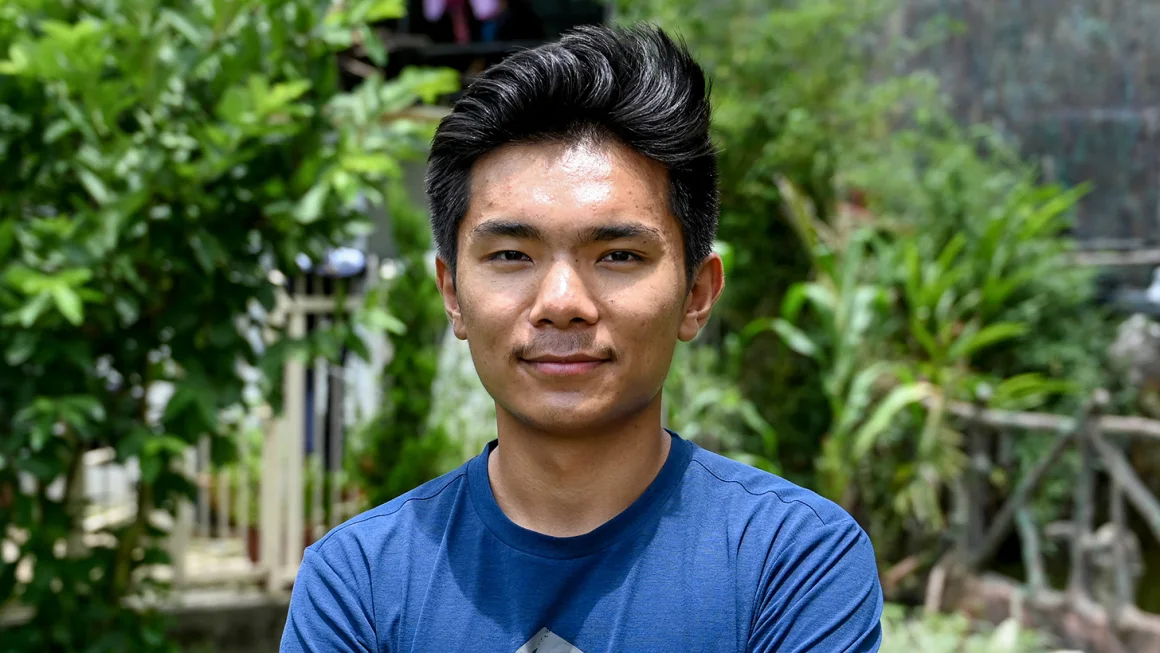
Young Climber Nima Rinji Sherpa Makes History by Summiting All 14 Highest Peaks

Nima Rinji Sherpa, an 18-year-old mountaineer from Nepal, recently made headlines by becoming the youngest person to summit all 14 of the world’s highest peaks, a remarkable feat that has positioned him as a rising star in the climbing community.

Early Achievements and Future Ambitions

  • Record-Breaking Climb: On October 9, Nima reached the summit of Shishapangma (8,027 meters), marking the completion of his quest to climb all 14 peaks recognized by the International Climbing and Mountaineering Federation.
  • Next Challenge: After a brief rest, Nima plans to tackle Manaslu, the eighth-highest mountain in the world, in winter and alpine style—a challenge that has never been accomplished before. He will undertake this ascent without supplemental oxygen or fixed ropes, emphasizing the pure endurance required for such climbs.

Family Legacy and Inspiration

Nima credits his family’s rich mountaineering history as a source of motivation. His father, Tashi Lakpa Sherpa, has summited Everest nine times, while his uncle, Mingma Sherpa, was the first South Asian climber to summit all 14 peaks. Nima acknowledges the privileges he has compared to his father and uncles, who faced greater obstacles in their pursuits.

Shifting Perceptions of Sherpas

Despite their critical role in high-altitude climbing, Sherpas often remain unrecognized and underfunded. Nima aims to change this narrative, aspiring to become a prominent figure in mountaineering who can pave the way for future Sherpa climbers. He hopes that his achievements will encourage younger Sherpas to view climbing as a viable and respected profession rather than merely a support role.

“Hopefully, I become the face of a big brand. And then the younger generation of Sherpas, they don’t see this as like a dead job, you know, like a risky job,” Nima stated.

Challenges of High-Altitude Climbing

Nima’s journey has not been without peril. Climbing above 8,000 meters, often referred to as the “death zone,” poses significant risks, including hypoxia and extreme weather conditions. Nima shared harrowing experiences, including encounters with avalanches and life-threatening slips. He emphasized the mental strength required to endure these hardships.

“When temperatures fall below minus 16 degrees Celsius and the wind races at 100 kilometers per hour, that’s when a climber’s physical ability stops, and their mental strength takes over,” he noted.

Commitment to Sustainability

Beyond his climbing goals, Nima is passionate about addressing environmental issues impacting the Himalayas. He hopes to create an organization to fund training and technical facilities for young climbers, promoting sustainable practices within the climbing community.

As climate change rapidly affects the region, Nima’s vision is to mobilize the climbing industry toward sustainability, ensuring that future generations can enjoy and respect the mountains.

Conclusion: A New Era of Nepali Mountaineering

Nima’s achievements come alongside a wave of record-breaking accomplishments by other Nepali climbers, marking a significant shift in the mountaineering landscape. He sees his generation as the inheritors of a rich legacy, aiming to push boundaries and redefine what is possible in the world of climbing.

“I’m just so happy that I’m living in this moment right now, so much is happening in the world of mountaineering. And as a younger generation, we’ll always try to do something better,” he concluded.