
Polish Police Investigate Mysterious Discovery of Bronze Age Artifacts

Authorities in Poland have initiated an investigation following the unexpected emergence of over 100 Bronze Age artifacts in the northwest region of the country. This remarkable collection includes weapons, bronze spearheads, necklaces, and shield bosses, all of which have raised questions about their origin and the circumstances of their discovery.

Discovery and Investigation

The investigation began when photographs of the artifacts were shared with the Provincial Heritage Protection Office in Szczecin. In a statement released by the West Pomeranian Police, it was revealed that an art-theft investigator located the individuals responsible for sharing the photos. They disclosed that the artifacts had been anonymously left outside a local historical association in the town of Gryfino.

Upon receiving the items, the historical association promptly transferred them to the Provincial Heritage Protection Office, which subsequently reported the case to the authorities, highlighting a potential crime of finding treasure without the required permissions.

Implications of the Discovery

According to police statements, the treasure was allegedly obtained through illegal searches, leading to its excavation and the complete loss of its archaeological context. This loss poses significant challenges for conducting accurate radiocarbon dating, hindering efforts to establish the artifacts’ historical timeline.

“This is one of the largest treasures found in Poland in recent years,” noted the police, emphasizing the significance of the find amidst the context of Polish archaeology.

Legal Consequences

The individuals responsible for the illegal excavation could face severe penalties, including up to eight years in prison. This case underscores the importance of adhering to legal protocols in archaeological discoveries and the protection of cultural heritage.

Current Status of the Artifacts

The artifacts have been transferred to the Provincial Heritage Conservator’s Office in Szczecin, which will ultimately determine the future housing and exhibition of these significant historical items.

Conclusion

The mysterious surfacing of these Bronze Age artifacts has not only sparked an investigation by Polish authorities but also raises awareness about the illegal excavation and the importance of preserving archaeological integrity. As the investigation unfolds, the fate of these artifacts remains uncertain, but their discovery serves as a reminder of the rich history lying beneath Poland’s surface.
German Court Rules Against Deutsche Bank in Postbank Acquisition Lawsuit

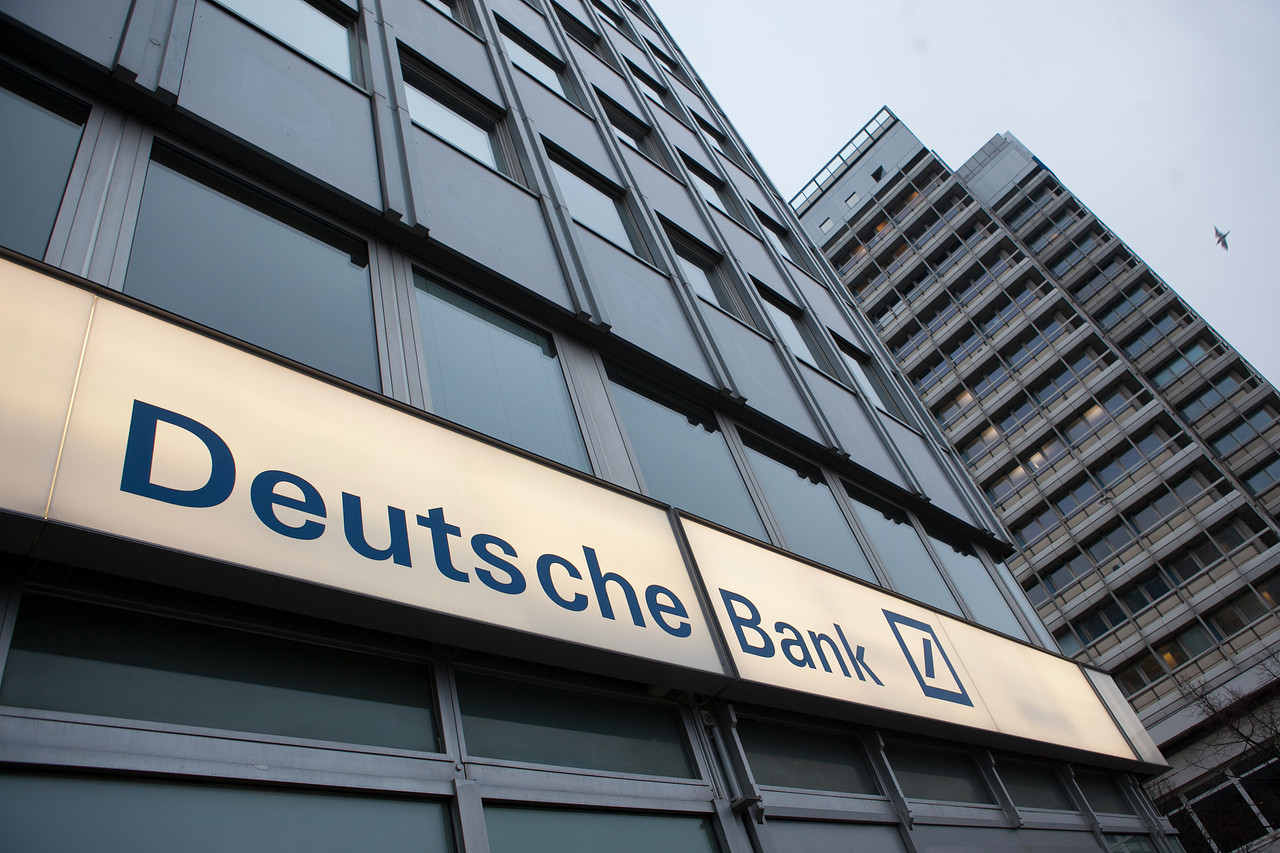
A Cologne higher regional court ruled against Deutsche Bank on Wednesday in a protracted legal battle with shareholders, who argued that the bank underpaid for its acquisition of Postbank. The court’s decision adds to the ongoing challenges facing Deutsche Bank related to this significant transaction.

Background of the Case

The lawsuit involved 13 plaintiffs, former shareholders of Deutsche Postbank, who contended that the acquisition price of 25 euros ($27) per share, paid in 2010, was insufficient. They argued that Postbank was worth more than the amount Deutsche Bank paid, claiming they should have received 57.25 euros per share—the price of Deutsche Bank’s initial 30% stake in Postbank, which occurred just before the collapse of Lehman Brothers and the onset of the global financial crisis.

The full merger between Deutsche Bank and Postbank was finalized in 2018, but legal complications surrounding the acquisition have persisted, impacting Deutsche Bank’s financial outlook.

Financial Impact

The ongoing litigation has weighed heavily on Deutsche Bank’s performance, particularly as recently as the second quarter, when the lender reported a loss of 143 million euros after setting aside 1.3 billion euros related to the Postbank lawsuit. In August, Deutsche Bank managed to reach settlements with nearly 60% of the plaintiffs involved in the case.

On the same day as the court ruling, Deutsche Bank reported a release of 440 million euros in litigation provisions for the third quarter. This release contributed to a better-than-expected net profit attributable to shareholders of 1.46 billion euros ($1.58 billion) during the period.

Next Steps for Deutsche Bank

Following the court’s ruling, Deutsche Bank announced it would assess the judgment, noting that it had already set aside provisions for all outstanding claims from the plaintiffs, including any accrued interest. A spokesperson for the bank mentioned that the court did not permit an appeal to the German Federal Court. However, Deutsche Bank is considering filing a non-admission complaint (a motion for leave to appeal) once it receives the written reasoning for the court’s decision.

In response to the news, shares of Deutsche Bank fell 2.3% as of 10:58 a.m. London time.

Conclusion

This ruling marks another chapter in the ongoing legal struggles for Deutsche Bank concerning its acquisition of Postbank. The bank will need to navigate this ruling while managing its financial performance and shareholder expectations in the coming months.

Trump’s Tariff Plans Could Trigger Higher U.S. Interest Rates, Warns IIF Chief

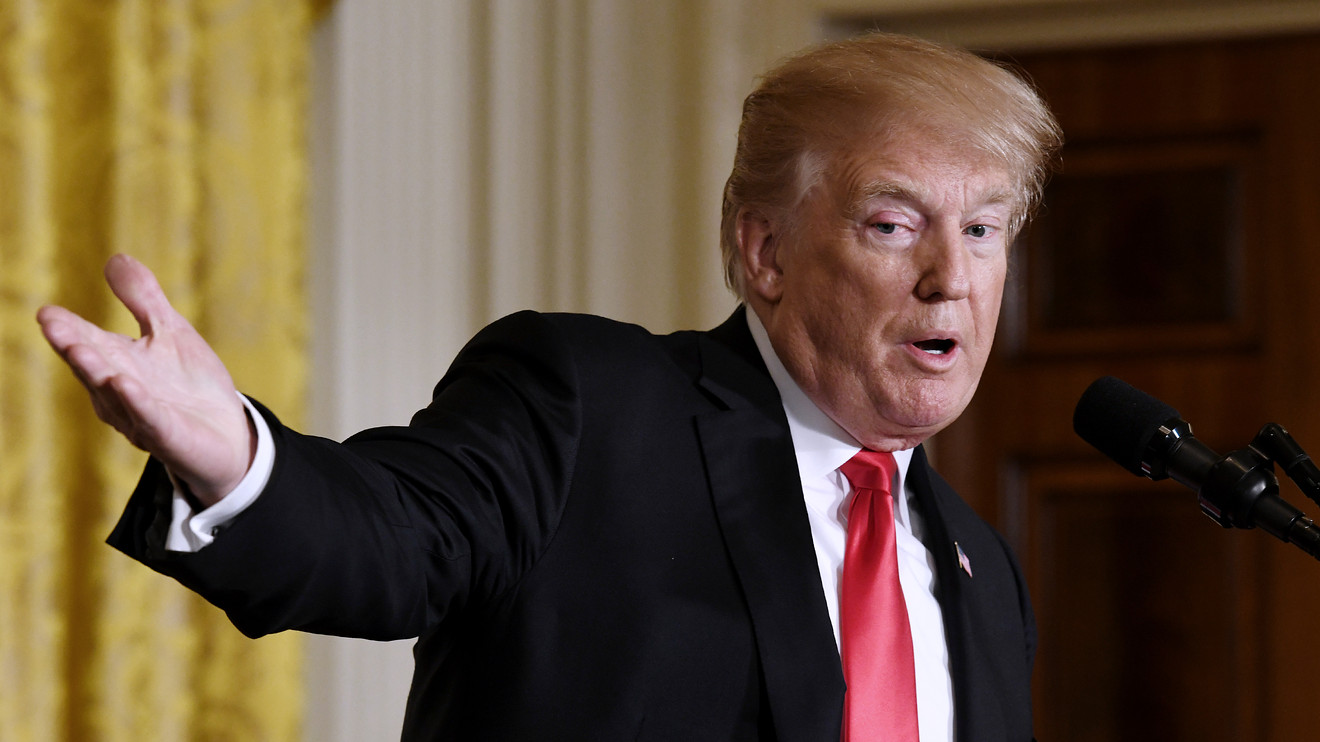
Proposed tariffs by U.S. presidential candidate Donald Trump could lead to higher interest rates and disrupt the current trend of disinflation, according to Tim Adams, President and CEO of the Institute of International Finance (IIF). In an interview with CNBC on Tuesday, Adams noted that extreme tariffs would likely increase inflation, leading to a corresponding rise in interest rates.

“The assumption is you’ll have higher inflation, higher interest rates than you would have in the absence of those tariffs,” Adams explained. The potential economic impact depends on the nature and duration of retaliation from trading partners, but Adams suggested tariffs would hinder progress on reducing inflation.

Trump has made tariffs a central part of his economic policy, proposing a 20% tariff on all imports and a 60% tariff on Chinese goods. Additionally, he suggested a 100% tariff on cars crossing the U.S.-Mexico border and similar penalties for countries moving away from using the U.S. dollar.

Defending his plan, Trump argued in a recent interview with Bloomberg that high tariffs would compel companies to relocate their manufacturing to the U.S., allowing them to avoid the taxes. Trump has also dismissed concerns that his proposed tariffs would fuel inflation, describing them as part of a protective “ring around the country.”

Despite Trump’s confidence, economists and analysts warn that such broad tariffs, along with restrictions on immigration, would likely put upward pressure on inflation. While some short-term impacts could be absorbed, the long-term consequences could slow efforts to curb rising prices.

Inflation and Interest Rates

In recent months, inflation in the U.S. has fallen to 2.4% as of September, down from a pandemic-era peak of 9% in June 2022. The Federal Reserve has begun cutting interest rates, reducing them by half a percentage point in September. However, concerns about future disinflation remain, particularly if Trump’s tariffs are enacted.

The timing of these proposals coincides with rising global trade fragmentation. For example, the European Union recently approved higher tariffs on China-made electric vehicles, accusing Chinese manufacturers of benefiting from unfair subsidies.

Adams also pointed out that both Trump and his Democratic opponent, Vice President Kamala Harris, are running on platforms of change. While Trump’s proposals focus on isolationism and protectionism, Harris is expected to emphasize global engagement and cooperation with international institutions.