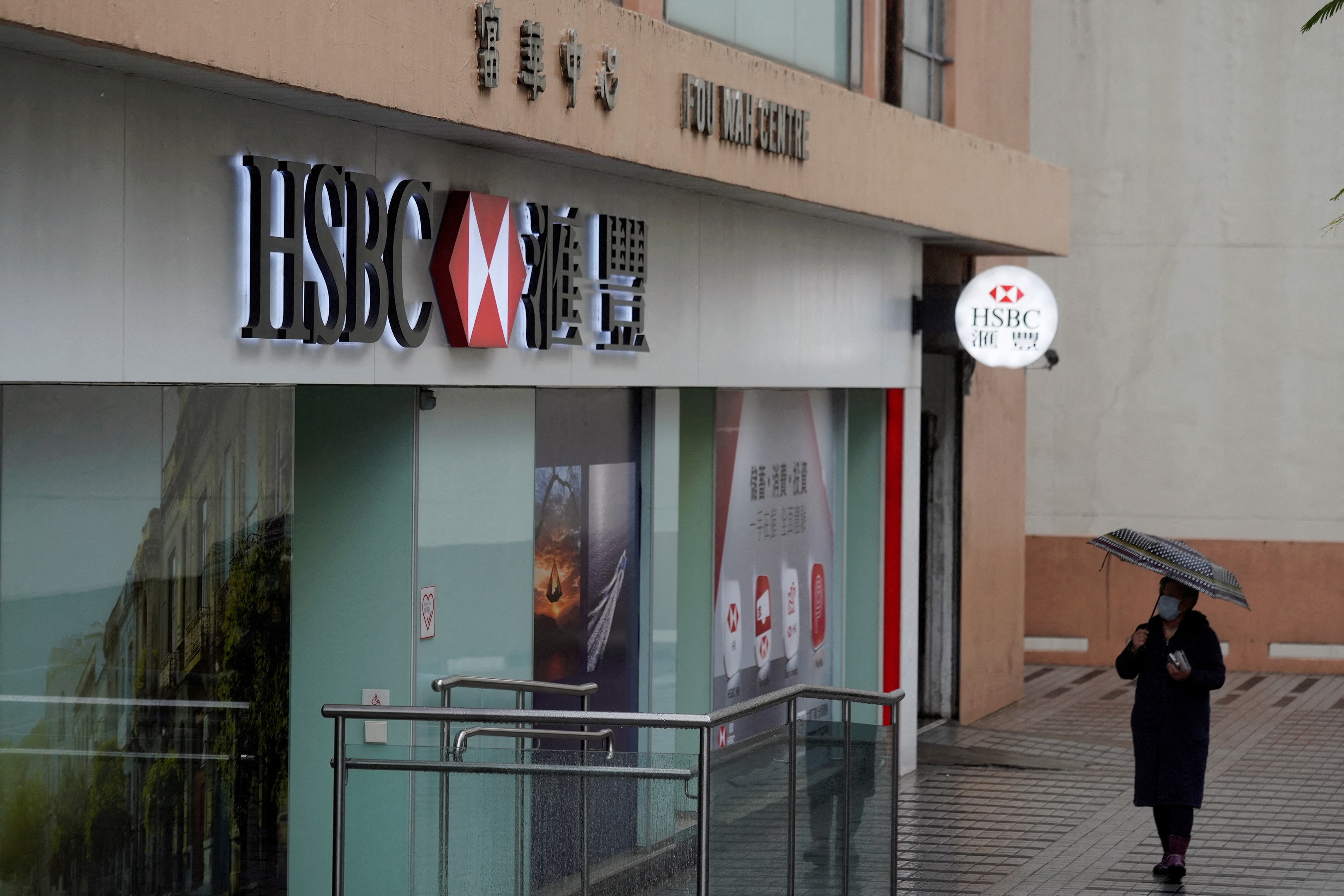
Pam Kaur Becomes HSBC’s First Female CFO, Leading the Way in Finance

Pam Kaur has made history as HSBC’s first female chief financial officer (CFO) in the bank’s 160-year legacy. A seasoned veteran in risk and audit, Kaur has spent years honing her skills across some of the world’s most significant financial institutions. Her appointment comes during a challenging period as HSBC navigates complex geopolitics and a changing interest rate environment under its new CEO, Georges Elhedery. Kaur, originally from India, attributes her leadership success to the “Power of Chi,” a philosophy of positive energy and confidence, which she promotes among her network of over 10,000 followers on LinkedIn.

Kaur joined HSBC in 2013 after holding senior roles at Deutsche Bank, Citi, and Lloyds Banking Group. Her expertise, especially from her time in risk and compliance during the global financial crisis, is seen as crucial to guiding HSBC through its current landscape. A former colleague described her as someone battle-tested in crisis management, exactly the kind of leader needed at the bank’s helm during turbulent times.

Navigating Global Challenges and HSBC’s Strategy

As HSBC faces rising costs and geopolitical tension between the West and China, Kaur’s leadership will be vital in shaping the bank’s financial strategy. While she is expected to maintain a low public profile, her influence on key decisions—especially in risk management and strategic direction—will be significant. Kaur’s experience will be crucial in supporting CEO Georges Elhedery as he focuses on expanding business with corporate clients.

Kaur’s promotion is part of a broader restructuring aimed at unlocking HSBC’s potential. However, analysts noted that the recent reorganization left unanswered questions regarding savings and future strategies. With HSBC shares underperforming compared to European peers—up just 7% compared to a 20% rise in the broader index—investors are keen to see how Kaur and Elhedery will enhance profit growth and address lagging returns.

Breaking the Gender Barrier in Banking

Kaur’s appointment signals progress in the ongoing push for gender diversity in top finance roles. She joins a small but growing group of influential women in the global banking sector, alongside Jane Fraser, CEO of Citi, and Sharon Yeshaya, CFO at Morgan Stanley. Kaur is also a passionate advocate for diversity and inclusion, as highlighted in her LinkedIn profile. She serves as a global sponsor of HSBC’s Embrace network, which promotes ethnic and multicultural diversity within the bank’s 225,000 employees.

However, HSBC still faces significant challenges in narrowing its gender pay gap. In 2023, the bank’s UK entities reported a 43.2% pay disparity, one of the widest in the banking industry and across various sectors. Kaur’s leadership will likely play a pivotal role in accelerating HSBC’s efforts to improve gender equity within the organization.
Tokyo Metro Shares Surge 45% in Market Debut After $2.3 Billion IPO

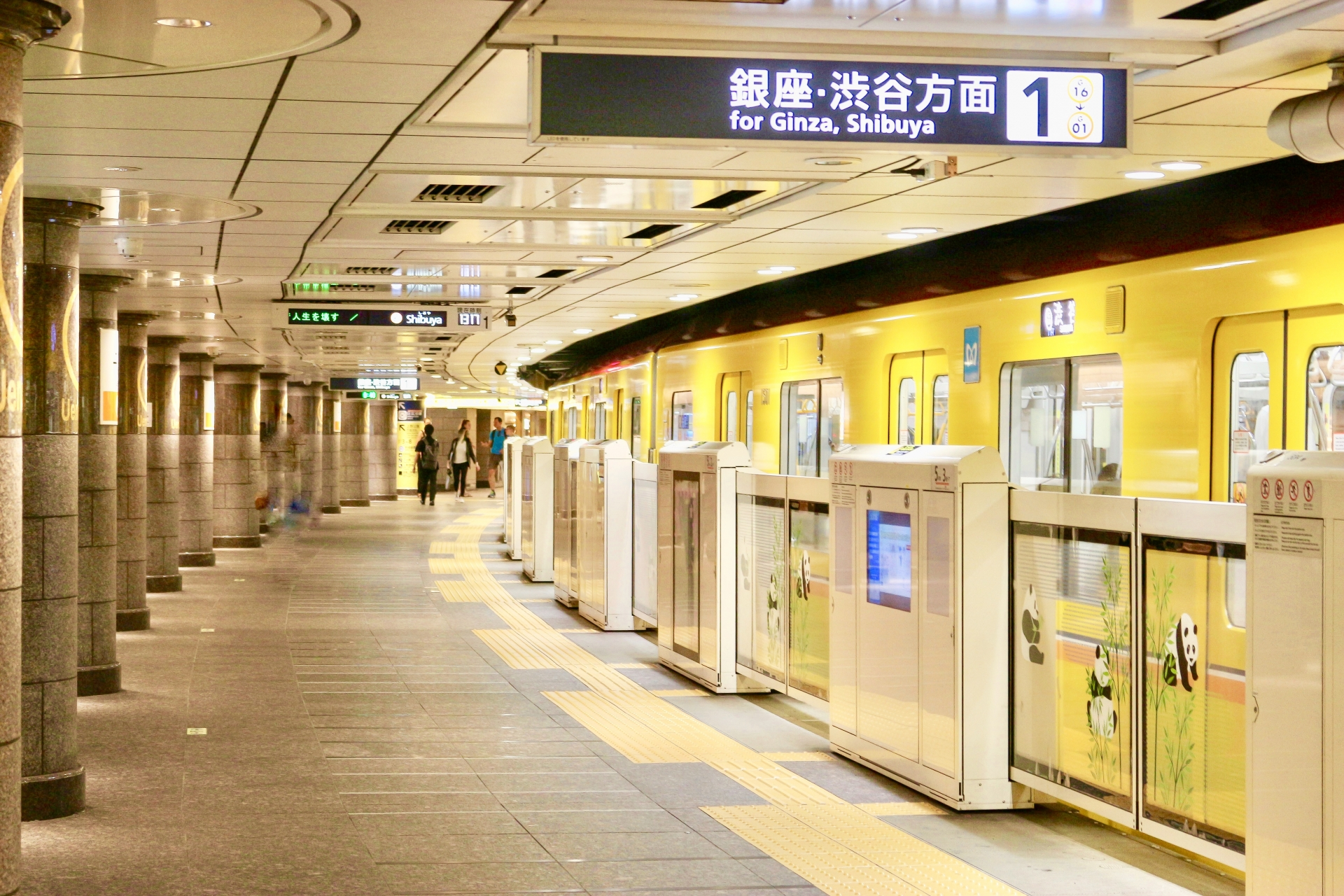
Tokyo Metro (9023.T), Japan’s largest subway operator, saw a 45% jump in its shares during its market debut on Wednesday following the country’s biggest initial public offering (IPO) in six years. The company raised ¥348.6 billion ($2.3 billion) from the IPO, with shares closing at ¥1,739 ($11.43) on the Tokyo Stock Exchange, giving Tokyo Metro a valuation of around ¥1 trillion ($6.6 billion). The IPO was priced at ¥1,200 per share, and the offering was more than 15 times oversubscribed, driven by strong demand due to high dividend yields.

This marks the best IPO performance for a large Japanese company since 2018, when flea market app Mercari surged 77% on its debut. Tokyo Metro’s success reflects investor confidence in the stability and growth of its core business as well as the allure of substantial dividends. Travis Lundy, an analyst at Smartkarma, commented, “It’s a well-known, well-respected and stable business which offered a decently high dividend yield at IPO.” The subway operator expects to pay a dividend of ¥40 per share for the fiscal year ending March 2025, with perks for shareholders, such as noodle shop toppings.

Strong Investor Interest and Tokyo Metro’s Growth

The IPO led to a surge in brokerage account openings, as investors were eager to participate in the offering. At its IPO price, the dividend yield was 3.3%, and though the price surge brought the yield down to 2.3%, it remains competitive with similar companies like Kyushu Railway.

Founded in 1920, Tokyo Metro runs 195 kilometers (120 miles) of subway lines, serving 6.5 million passengers daily. In addition to transportation, the company has interests in real estate and retail, contributing to its overall valuation and appeal to investors. The company’s strong position in Tokyo, one of the world’s largest urban markets, has made it an attractive choice for both institutional and individual investors.

Broader Impact and Japan’s IPO Landscape

This IPO is the largest in Japan since SoftBank Group listed its telecom unit in 2018. The Japanese IPO market has seen $4.9 billion worth of offerings this year, the highest in six years, despite some volatility caused by a surprise interest rate hike and a change in prime minister. Bain Capital’s scrapped IPO of chipmaker Kioxia last month illustrates the mixed sentiment in Japan’s market.

In another notable IPO, Rigaku Holdings, a manufacturer of X-ray testing tools, is expected to debut soon after raising $863 million. Tokyo Metro’s successful debut adds momentum to a market that has seen its benchmark Nikkei index rise 14% year-to-date.

King Charles and Queen Camilla Arrive in Samoa for Commonwealth Summit

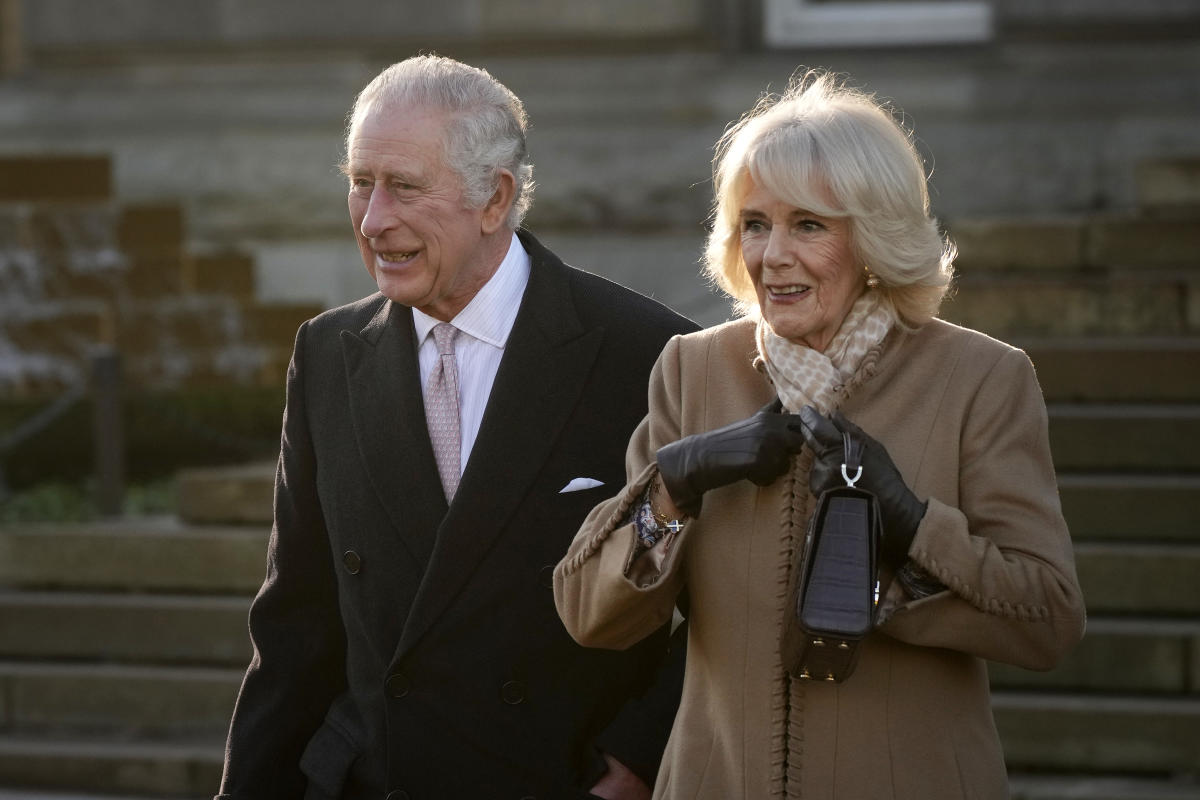
Britain’s King Charles and Queen Camilla arrived in Samoa on Wednesday, marking the start of their visit to the Pacific island nation, where Charles will be honored with the title of high chief. Their arrival comes after a six-day tour of Australia, and they are set to attend the Commonwealth Heads of Government Meeting (CHOGM).

The royal couple was greeted on the runway by Samoan Prime Minister Fiame Naomi Mata’afa and other dignitaries. A band played “God Save the King,” after which King Charles inspected a guard of honor provided by Samoan police, as the country does not maintain an armed force. The couple’s visit to Samoa highlights King Charles’ role as the symbolic head of the Commonwealth, a group of 56 nations with deep historical ties to the British Empire.

Focus on Climate Change and Ocean Protection

This visit aligns with the annual Commonwealth summit, where small states, including many Pacific island nations, make up more than half of the membership. A key focus of the summit will be climate change, a critical issue for island nations like Samoa that are already experiencing the effects of rising sea levels. The leaders are expected to issue a declaration on protecting the oceans, underscoring the Commonwealth’s commitment to environmental preservation.

King Charles, who has spent much of his life advocating for environmental causes, will personally witness the impact of climate change during his visit. He will be led on a tour of a mangrove reserve to see firsthand how rising sea levels are threatening local communities. According to Lenatai Victor Tamapua, a Samoan chief and member of parliament, “The king tide today is about twice what it was 20, 30 years ago. And that is affecting our land… and people (have to) move inwards, inland now.”

High Chief Title for King Charles

As part of the visit, Charles will be offered the title of high chief, a significant honor in Samoan culture. Tamapua, who plans to bestow the title of “Tui Taumeasina” during a traditional ceremonial welcome on Thursday, spoke of the king’s long-standing commitment to environmental issues, which resonate strongly in Pacific island nations dealing with the dire consequences of climate change.

This honor follows a recent controversy in Australia, where an Indigenous senator accused Charles of “genocide” during his visit to Canberra. Despite this, his tour of Australia marked an important moment for the British monarchy, as it was King Charles’ first foreign tour as sovereign and the first visit by a British monarch to Australia in 13 years.

Commonwealth Discussions and Reparations

Although climate change will dominate the discussions, another key issue is reparations for historical transatlantic slavery, a subject raised by Caribbean nations. While Britain has stated that it will not bring this issue to the CHOGM table, it remains open to discussions with leaders interested in addressing it.

As the symbolic leader of the Commonwealth, King Charles’ engagement with these diverse issues highlights the evolving nature of the Commonwealth and its continued relevance in addressing modern challenges like climate change and historical injustices.