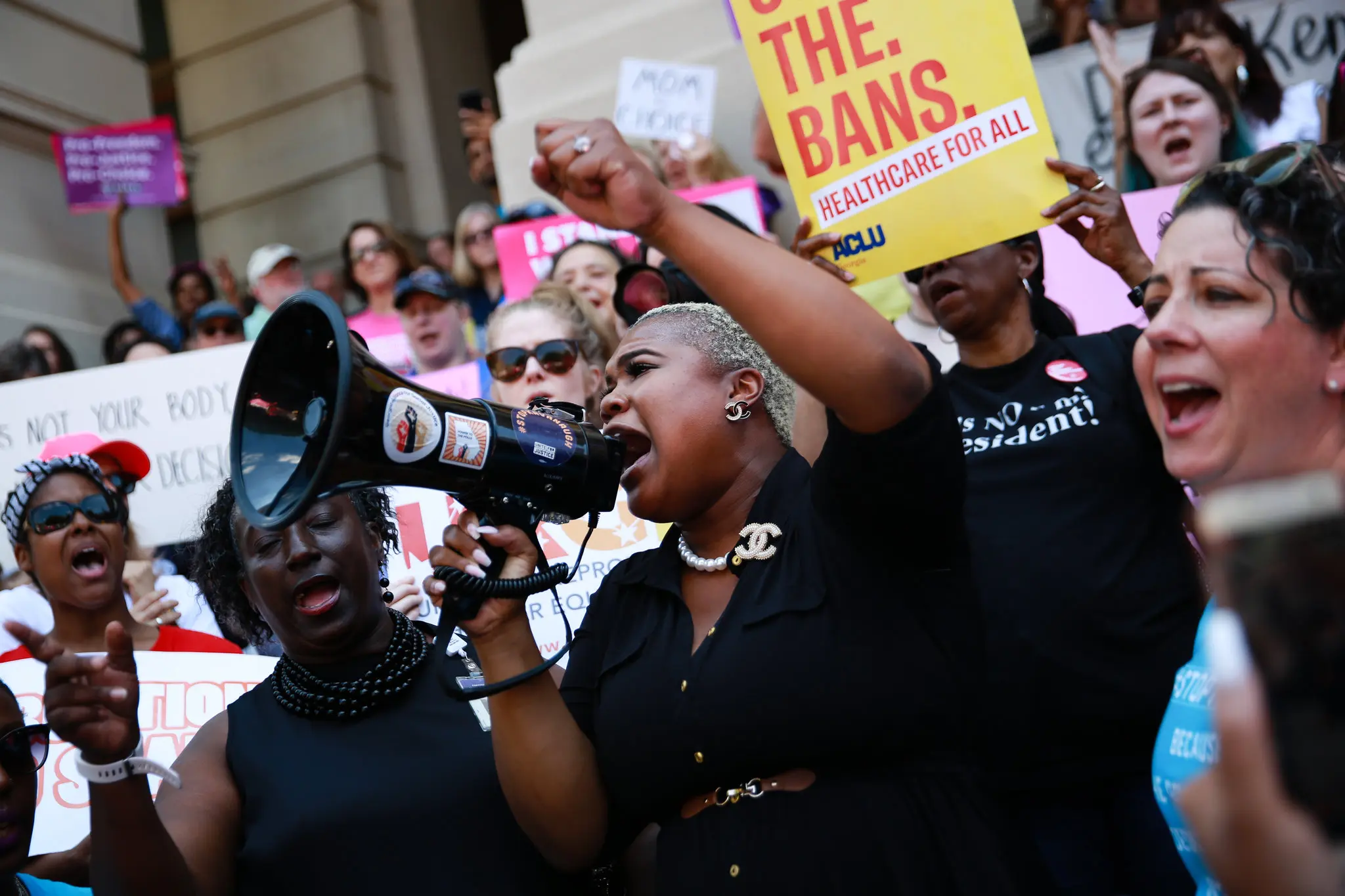
Black Women’s Maternal Health Crisis Gains Attention as Advocates Push to Make It an Election Issue

In 2015, Francisca Shaw was undergoing an emergency cesarean for her third child at the University of Washington Medical Center when she felt something was terribly wrong. “I remember I told my doctor when I was getting cut: ‘I can’t breathe,'” Shaw recalls, but her concerns were dismissed. Shaw’s uterus ruptured during the procedure, leading to heavy bleeding, a hysterectomy, and cardiac arrest. She spent three weeks in the hospital. While the medical center did not comment on her case due to privacy laws, Shaw’s story highlights the critical maternal health crisis Black women face in the U.S.

Now, advocates are working to raise awareness of this crisis ahead of the November 5 election, drawing attention to the disparities Black women face in pregnancy and maternal health. These efforts aim to address not only higher rates of complications and deaths during pregnancy but also increased rates of certain cancers. Despite public opinion surveys showing that inflation and the economy rank higher as priorities for Black women, reproductive health issues are becoming a central part of voter mobilization efforts.

Kamala Harris, the Democratic candidate for president, has made abortion rights a key part of her platform, accusing Republican Donald Trump of contributing to the maternal health crisis by supporting abortion restrictions. Activists working for reproductive justice have focused on the broader issue of systemic healthcare inequities, beyond just abortion, seeking to spotlight disparities in maternal mortality and reproductive health care for Black women.

Black women account for 13% of the female population in the U.S., but they represented 41.5% of abortions in 2021, according to recent data. They are also three times more likely than white women to die from pregnancy-related causes, according to the Centers for Disease Control and Prevention (CDC). In Georgia, where Black people make up 31% of the population, the state has one of the highest maternal mortality rates in the country. Nearly 16% of women in Georgia have to travel more than 30 minutes to reach a hospital for delivery.

These disparities are driven by chronic conditions like cardiovascular disease and hypertension, as well as structural racism, implicit bias in healthcare, and limited access to quality care, according to health experts and the CDC. Leah Wright Rigueur, a professor at Johns Hopkins University, explained that the landscape for Black women’s reproductive health has worsened in the past few years due to abortion restrictions, making it harder to access emergency care in cases of pregnancy complications.

In Our Own Voice, a coalition of eight reproductive justice organizations, has spent $2 million on outreach efforts, including digital ads and mailers, to inform voters about abortion access and maternal health. They have targeted battleground states, including those where abortion is on the ballot in November. While Kamala Harris’s campaign has focused more on abortion access than maternal health specifically, her record includes sponsorship of the 2020 Momnibus Act, which aimed to expand access to prenatal and postpartum care for mothers and address health disparities.

Black maternal health has also become a central issue in Georgia, a battleground state with strict abortion laws. Two recent deaths of Black mothers, Amber Thurman and Candi Miller, were tied to complications from medication abortions, which Harris referenced during a campaign stop in Atlanta. Voter mobilization efforts, led by groups like the Feminist Women’s Health Center, are highlighting these issues, underscoring the passion for reproductive justice in Georgia.

As advocates push for greater attention to maternal health disparities, the upcoming election offers a critical moment to bring these life-threatening inequities to the forefront of national discussions.
Elon Musk Promises $1 Million a Day Giveaway to Petition Signers in Support of U.S. Constitution

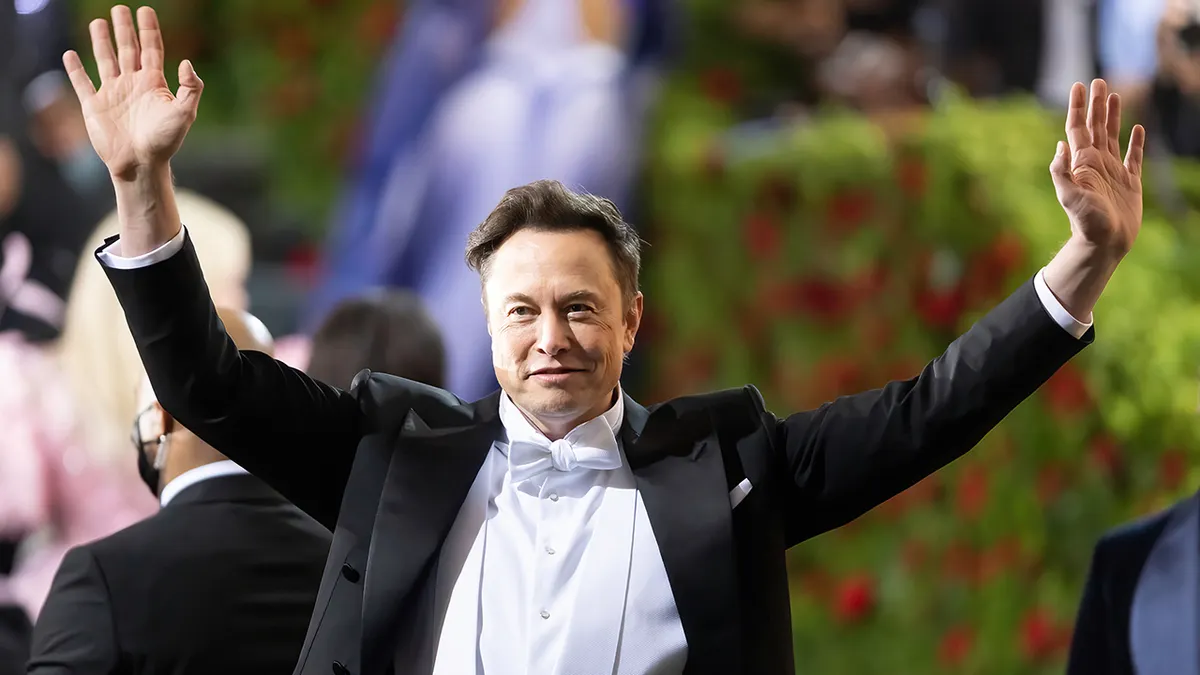
Billionaire Elon Musk made headlines on Saturday by pledging to give away $1 million each day until November’s U.S. election to someone who signs his petition in support of the U.S. Constitution. Musk kick-started this initiative by awarding a $1 million check to John Dreher, an attendee at an event in Pennsylvania meant to rally support for former President Donald Trump’s 2024 campaign.

“By the way, John had no idea. So anyway, you’re welcome,” Musk quipped as he handed over the check to Dreher. This cash giveaway is the latest in a series of efforts by Musk to leverage his vast fortune to influence the highly contested presidential race between Republican candidate Donald Trump and his Democratic opponent, Kamala Harris.

Musk’s political action committee (PAC), America PAC, which he founded in support of Trump, is focused on mobilizing voters in key battleground states. However, recent reports indicate that the PAC has faced challenges in reaching its registration goals. Musk has held three events in Pennsylvania over the last few days, urging supporters to vote early and motivate others to do the same. At Saturday’s event, he framed the upcoming election as critical, claiming that if Harris wins, it could be “the last election,” hinting at dire consequences for the future of the U.S.

During his speech, Musk referenced two assassination attempts on Trump, arguing that they demonstrate Trump’s disruptive influence on the political landscape, something he claims Harris is incapable of achieving. “Assassinating a puppet is worthless,” Musk remarked, reiterating a claim he made earlier on social media.

The petition, which Musk is encouraging people to sign, pledges support for the First and Second Amendments, affirming freedom of speech and the right to bear arms. Attendees at the Pennsylvania event were required to sign the petition, allowing America PAC to collect voter contact details as part of its effort to boost Trump’s voter turnout.

Musk, ranked by Forbes as the richest person in the world, has contributed at least $75 million to America PAC, according to federal records, making it a key player in Trump’s bid for re-election. Musk, known for his ventures in Tesla and SpaceX, has increasingly aligned with Republican causes, emerging this year as a vocal Trump supporter. In response, Trump has stated that, if re-elected, he would appoint Musk to lead a government efficiency commission.


Sydney Beaches Reopen After Tar Ball Mystery Unfolds

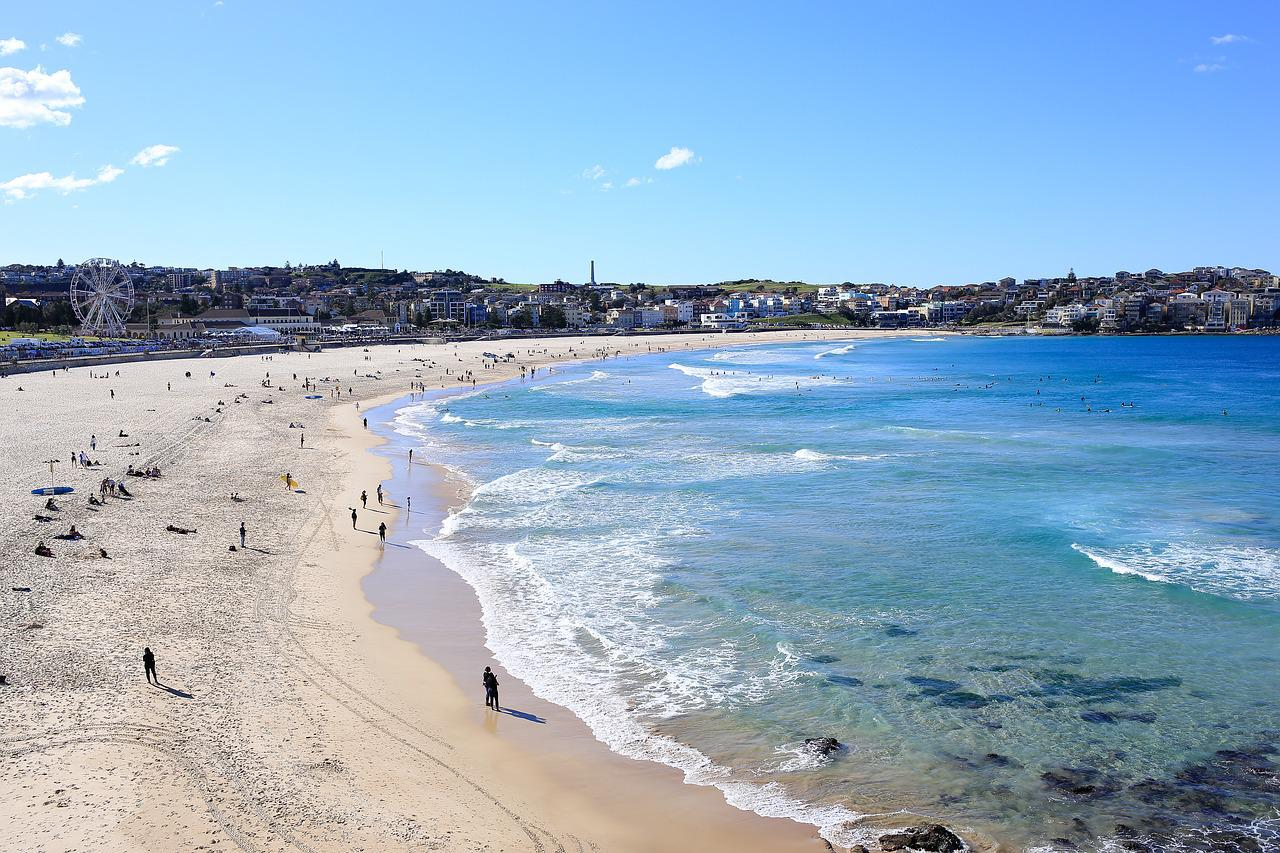
Beaches in Sydney, Australia, have reopened following a temporary closure earlier this week when thousands of mysterious black, tar-like balls washed ashore, raising public health concerns. The sudden appearance of the tar balls led to the closure of eight popular beaches, including the iconic Bondi Beach, while environmental authorities investigated the substance.

Initial tests revealed that the balls were formed from fatty acids and chemicals similar to those used in cosmetics and cleaning products, mixed with some fuel oil. However, the origin of these deposits remains unclear. The New South Wales Environment Minister, Penny Sharpe, confirmed that investigations are still ongoing to trace the source of the pollution and identify those responsible for it.

Although the tar balls are not considered highly toxic to humans, health authorities have advised the public not to touch or pick them up. The state’s maritime authority, backed by advice from the Environment Protection Authority (EPA), reassured beachgoers that while the substance may appear alarming, it is not harmful when left on the ground. Mark Hutchings, the Executive Director of New South Wales Maritime, advised people to report sightings of the tar balls to lifeguards and wash any accidental contact with soap and water or baby oil.

The EPA is continuing its lab tests to determine the exact origin of the pollution, but it may take several more days to reach a conclusion. Stephen Beaman, Executive Director of the EPA, described the situation as “still somewhat of a mystery.” Despite the lingering uncertainty, the reopening of beaches has been welcomed by residents and tourists alike, eager to return to Sydney’s famous shores.