Russian Cash-for-Votes Allegations Emerge Ahead of Moldova’s Crucial Elections

In the lead-up to key elections in Moldova, customs officers at Chisinau Airport have been on high alert, using sniffer dogs to search for evidence of Russian interference. Ami, a black retriever, has been giving each suitcase a thorough check, and in recent months, large sums of cash have been seized from passengers returning from Moscow. Many of these individuals had never traveled abroad before, but they came back from Russia with thousands of euros, raising suspicions of election meddling.

The influx of money is believed to be part of a larger operation orchestrated by Ilan Shor, a Moldovan oligarch convicted of major fraud and now residing in Russia. His aim: to sway the outcome of Moldova’s elections. Flights from high-risk routes like Moscow-Istanbul-Chisinau are now met with sniffer dogs, and many passengers undergo additional baggage scans. In one day alone, authorities seized $1.5 million, with no one coming forward to claim the cash.

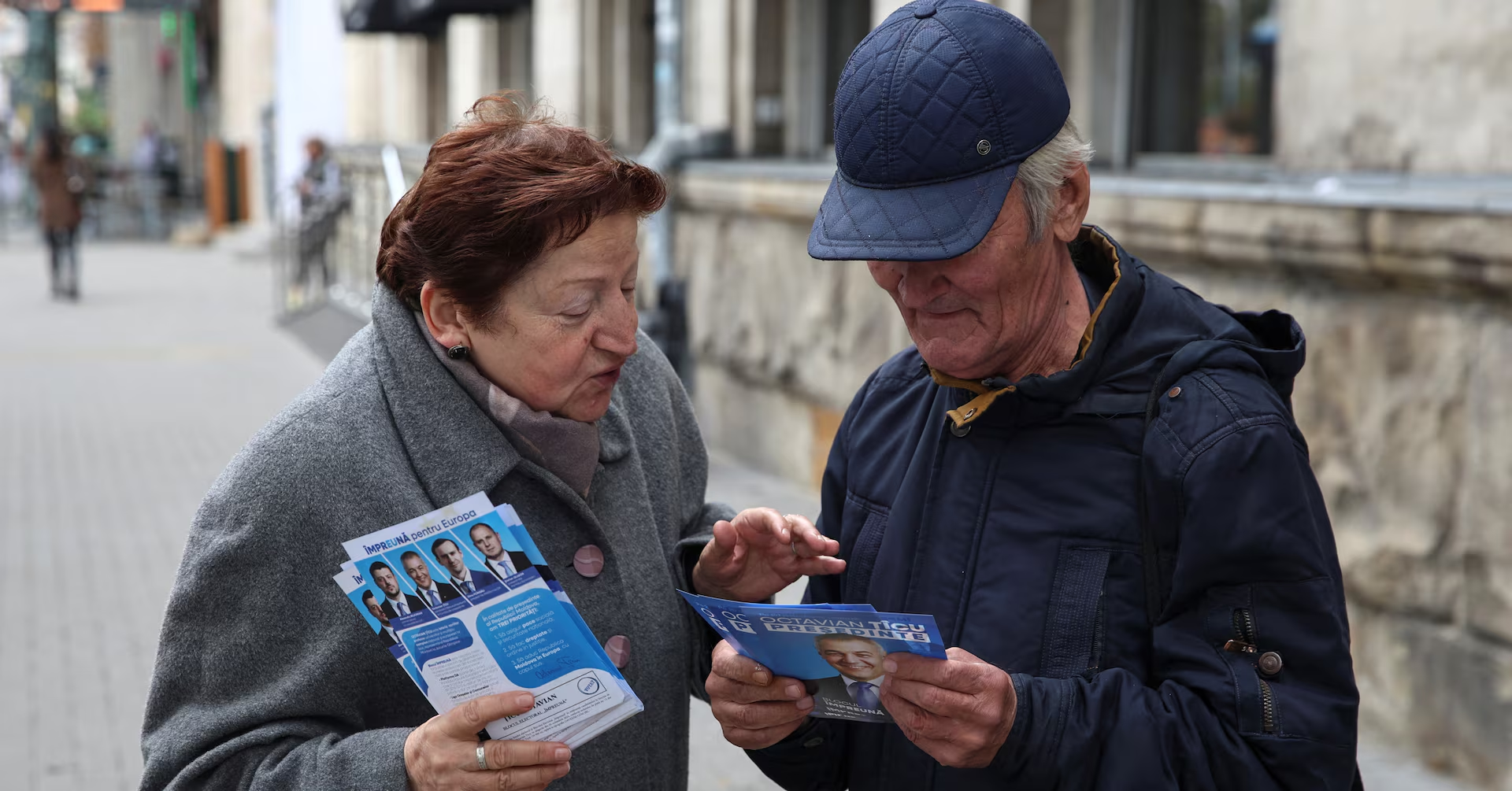
Moldova is heading to the polls with two important votes: a presidential election in which the pro-European Union incumbent Maia Sandu faces 10 challengers, many with pro-Russian sympathies, and a referendum on enshrining the country’s EU accession goals into the constitution. President Sandu, who has shifted Moldova sharply towards the West since Russia’s invasion of Ukraine, has accused Moscow of trying to undermine the country’s political stability. Sandu’s opponents, some of whom advocate for closer ties with Moscow, have drawn voters into a tense East-West political tug-of-war.

Chief anti-corruption prosecutor Veronica Dragalin, who has been investigating the illicit financial flows, revealed that a sophisticated cash-for-votes scheme was traced back to Shor. Moldovan authorities discovered that the cash was funneled through a sanctioned Russian bank, PSB. Dragalin disclosed evidence gathered through wiretaps and witness statements that indicated about 130,000 Moldovans—around 10% of the active electorate—had received payments through this operation.

The scheme allegedly aims to derail the referendum on EU accession. Shor has openly campaigned against Moldova’s EU aspirations, calling for voters to reject the constitutional amendment and support a president of his choosing. Despite his conviction for money laundering and embezzlement, Shor retains significant influence in parts of Moldova, including the autonomous region of Gagauzia, where pro-Russian sentiment remains strong.

Gagauzian deputy governor Ilya Uzun, a staunch supporter of Shor, downplays allegations of Kremlin interference. He dismisses Shor’s conviction as politically motivated and claims that the oligarch’s generous financial contributions to the region have won him overwhelming local support. Shor’s party has been banned in Moldova, and he remains under Western sanctions, but his influence persists, particularly in regions where Russian media dominates and anti-EU sentiment is high.

In Gagauzia, Shor’s investments in infrastructure, such as road improvements and pensions top-ups, have further cemented his popularity. Uzun proudly points to a newly built children’s fairground as an example of Shor’s impact, claiming that people in the region will vote as Shor directs, not for money but because they trust him.

As Moldova’s election campaign reaches its final stages, President Sandu continues to advocate for a pro-EU future. At a rally in Telenesti, she urged her supporters to vote in favor of the referendum and maintain Moldova’s European course. Describing the campaign as one marred by “lies and dirty money,” Sandu implored voters to resist efforts to derail Moldova’s path toward the EU.
Philip Zimbardo, Psychologist Behind the Stanford Prison Experiment, Dies at 91

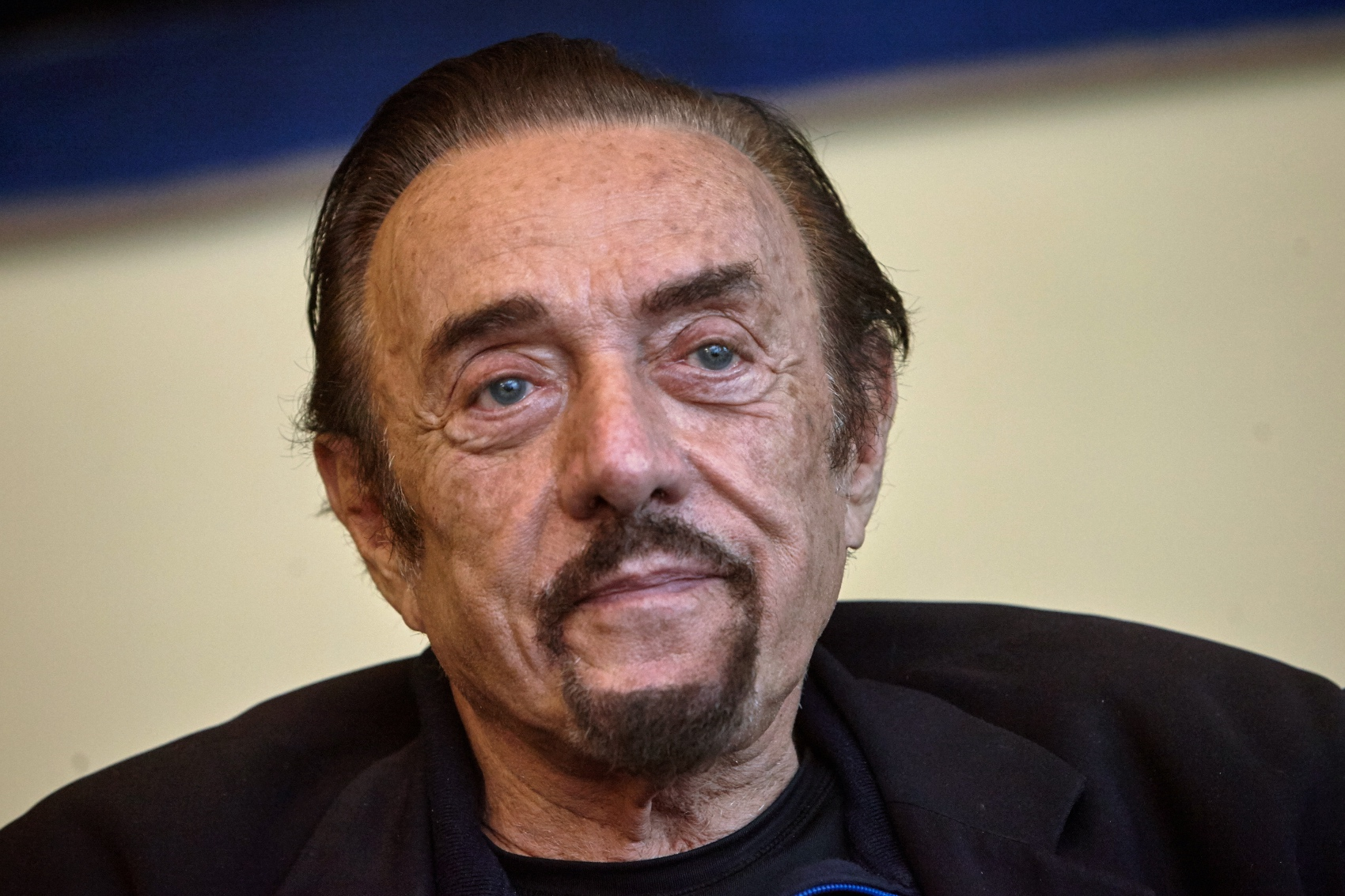
Philip G. Zimbardo, the renowned psychologist famous for the controversial “Stanford Prison Experiment,” has passed away at the age of 91. His death was announced by Stanford University on Friday, revealing that Zimbardo died on October 14 at his home in San Francisco. The cause of death was not disclosed.

Zimbardo’s name became synonymous with his 1971 Stanford Prison Experiment, a study designed to explore the psychological impact of imprisonment. In this experiment, college-aged male participants were assigned roles as either prisoners or guards within a mock prison setting constructed in the basement of a building on the Stanford campus. Originally intended to last two weeks, the study was abruptly halted after just six days due to the extreme emotional and psychological effects it had on the participants. Those playing guards exhibited abusive behavior, while the prisoners became anxious, emotionally unstable, and enraged.

Zimbardo himself faced significant criticism for his active role in the experiment, as he assumed the position of “superintendent” and became an active participant, losing the objectivity expected of a researcher. He later reflected on the study, co-writing with one of his graduate students that the “outcome was shocking and unexpected.”

The Stanford Prison Experiment remains a focal point in discussions on the psychology of power, authority, and evil, as well as the ethical considerations of psychological research involving human subjects. It continues to be widely studied in psychology courses.

Beyond the prison study, Zimbardo’s research spanned various topics, including persuasion, hypnosis, cults, shyness, time perspective, altruism, and compassion. His work had a profound influence on psychological science, offering insights into human behavior and the darker aspects of social dynamics.

Zimbardo is survived by his wife, Christina Maslach Zimbardo, who was instrumental in bringing the Stanford Prison Experiment to an end after witnessing its damaging effects on the participants. He also leaves behind three children and four grandchildren.

King Charles and Queen Camilla Greet Enthusiastic Crowds During Australia Tour

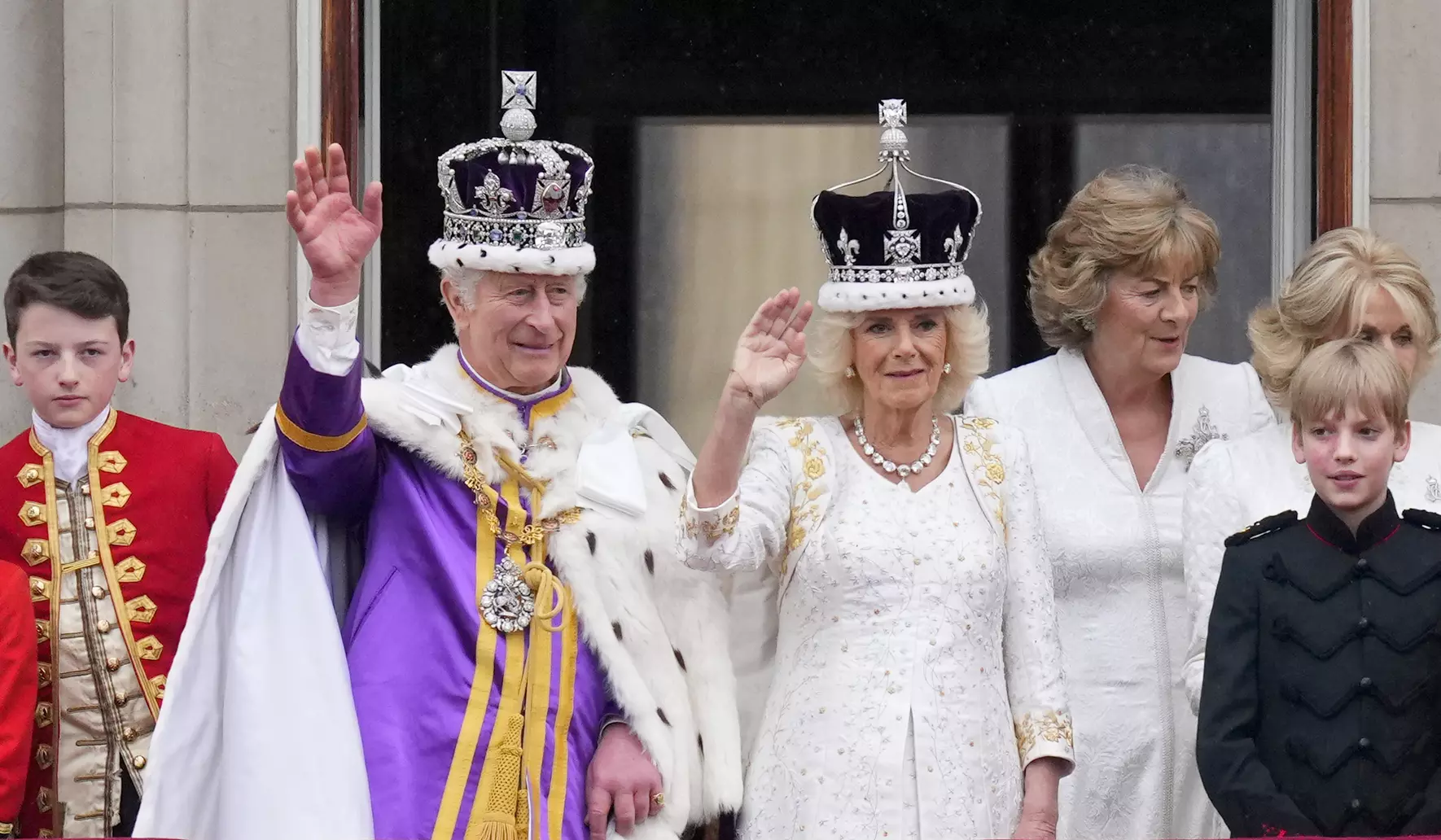
King Charles and Queen Camilla of Britain received a warm welcome in Sydney during their ongoing Australia tour. On Sunday, the royal couple attended a church service at St. Thomas’ Anglican Church, where they were greeted by Sydney’s archbishop, Kanishka Raffel, and children waving Australian flags from the church’s Sunday school. The event marked the first public appearance of the King and Queen on their visit.

Queen Camilla, dressed in a pale green Anna Valentine outfit with a matching straw hat, accepted a bouquet of flowers from Ellie Mantle, the minister’s wife, who inquired about their recovery from jet lag after their lengthy flight from the UK. “Sort of,” Camilla responded with a smile.

Inside the church, King Charles and Queen Camilla signed two Bibles, including one linked to Australia’s historical beginnings—the Bible of Australia’s first minister and chaplain who accompanied the First Fleet in 1788.

Outside, large crowds gathered to meet the royal pair, with families and fans lining the streets, many singing “God Save the King.” The event gave the public their first opportunity to interact with the King and Queen since their arrival in Australia on Friday.

Later, the King visited New South Wales’ parliament, celebrating the 200th anniversary of Australia’s oldest legislature. During the visit, Charles presented an hourglass to the lawmakers, emphasizing the importance of strong parliaments to uphold democracy. Reflecting on his connection to Australia, the King expressed his joy at visiting the country as sovereign for the first time.

“What a great joy it is to come to Australia for the first time as sovereign and to renew a love of this country and its people which I have cherished for so long,” King Charles said.

In addition to his Australia tour, King Charles will attend the Commonwealth Heads of Government Meeting in Samoa following his six-day stay. His visit to Australia marks his inaugural trip as sovereign and his first major overseas tour since his cancer diagnosis.

During the trip, Charles made a significant personal donation to fund a skills development program designed to combat climate change and support higher education in small island states, including those in the Pacific. This initiative, created in partnership with the Association of Commonwealth Universities, aims to strengthen the talent pool and enhance climate resilience in vulnerable regions facing threats such as rising sea levels.

“Throughout my life I have believed in the power of education to improve lives and unite communities across the Commonwealth and beyond,” King Charles said in a statement regarding the program, which is intended to support mid-career professionals and civil servants from small island nations.