B. Grimm Power and Digital Edge to Invest $1 Billion in Thailand Data Centre

Thai energy firm B. Grimm Power Pcl and Singapore-based digital infrastructure company Digital Edge announced a joint investment of $1 billion to build a 100-megawatt data centre in Thailand. This project aims to meet rising demand for digital infrastructure powered by clean energy, driven in part by surging interest in artificial intelligence technologies across Southeast Asia.

Thailand, the region’s second-largest economy, has become a hotspot for tech giants investing heavily in data centres. Notably, TikTok’s parent company Bytedance plans to invest $8.8 billion over five years, while Google is also preparing to launch a $1 billion data centre facility in the country. Earlier this year, Thailand’s investment board approved $3 billion in investments specifically targeted at data centres and energy projects.

Microsoft last year announced plans for its first regional data centre in Thailand, further solidifying the country’s status as a growing digital hub.

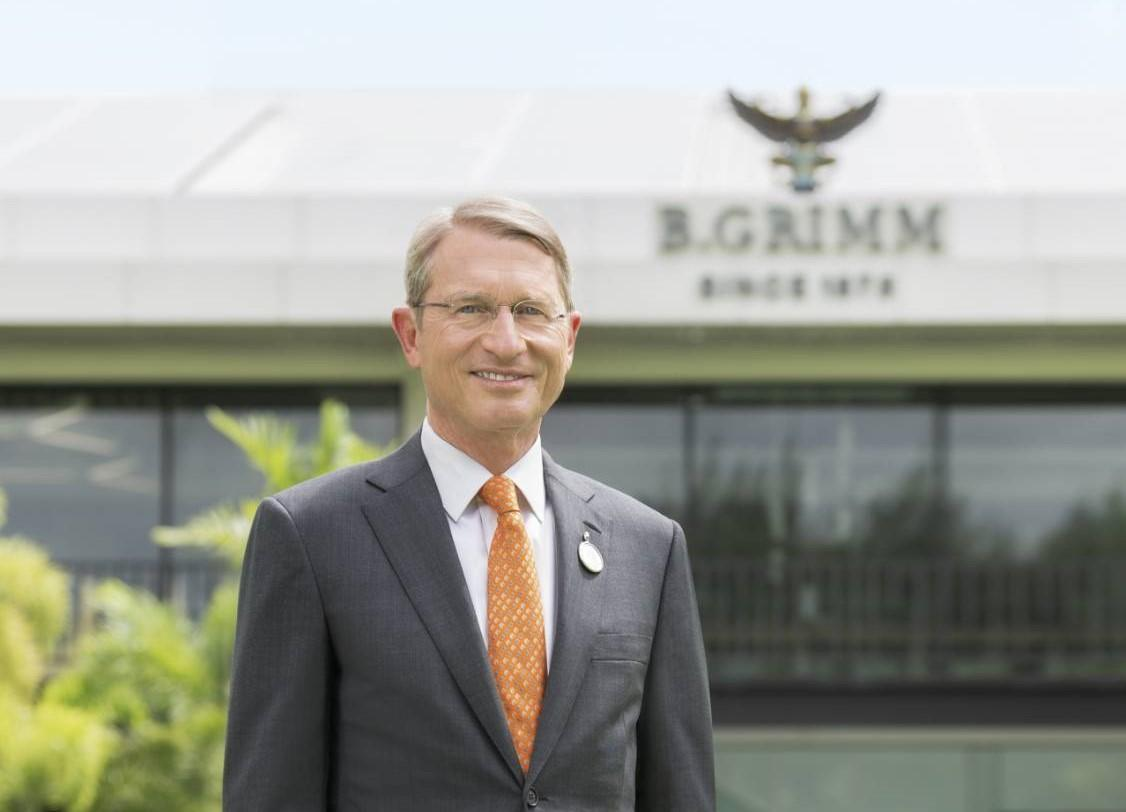
B. Grimm Power and Digital Edge said construction will be “fast-tracked” to have the data centre operational by the fourth quarter of 2026, catering to global tech firms looking to expand AI infrastructure in Southeast Asia. Harald Link, Group President of B. Grimm Power, highlighted the synergy between renewable energy and advanced data centre technology, stating the project will support Thailand’s transformation into a regional AI and cloud innovation centre.

Circle Stock Soars Further After Explosive NYSE Debut

Stablecoin issuer Circle Internet extended its remarkable rally on Friday, with shares surging another 48% following its blockbuster debut on the New York Stock Exchange a day earlier. The stock hit an intraday high of $123.49 — nearly quadrupling its $31 offer price — valuing the company at approximately $32.1 billion on a fully diluted basis.

Circle’s impressive performance not only highlights investor enthusiasm for digital asset companies but also signals renewed momentum in the broader IPO market, which has been cautiously reopening after years of volatility tied to tariffs and geopolitical uncertainty. “This is big enough that it extends beyond crypto,” said Matt Kennedy, senior strategist at Renaissance Capital, noting the IPO market’s accelerating recovery.

While the Circle listing was primarily a crypto event, Wall Street executives emphasized its broader implications. NYSE President Lynn Martin called Circle’s debut a bellwether for the IPO market in 2025, while Nasdaq CEO Adena Friedman remarked that investors are increasingly willing to put capital to work despite persistent global uncertainty.

Lukas Muehlbauer, research analyst at IPOX, observed that many of the successful recent IPOs have come from sectors less vulnerable to international supply chain disruptions, including AI, defense, and fintech. “It wouldn’t be surprising if the pipeline stays more active in coming months,” he said.

The IPO pipeline already shows signs of strengthening. Digital banking startup Chime is set to go public next week, while cancer diagnostic firm Caris Life Sciences has also recently joined the IPO queue.

The broader market recovery has been aided by a growing belief that tariff uncertainties — while ongoing — may have less impact on certain high-growth sectors. IPO market participants expect moderate activity over the summer with a stronger rebound anticipated in the fall.

US-UAE AI Data Campus Deal Faces Delays Amid Security Concerns

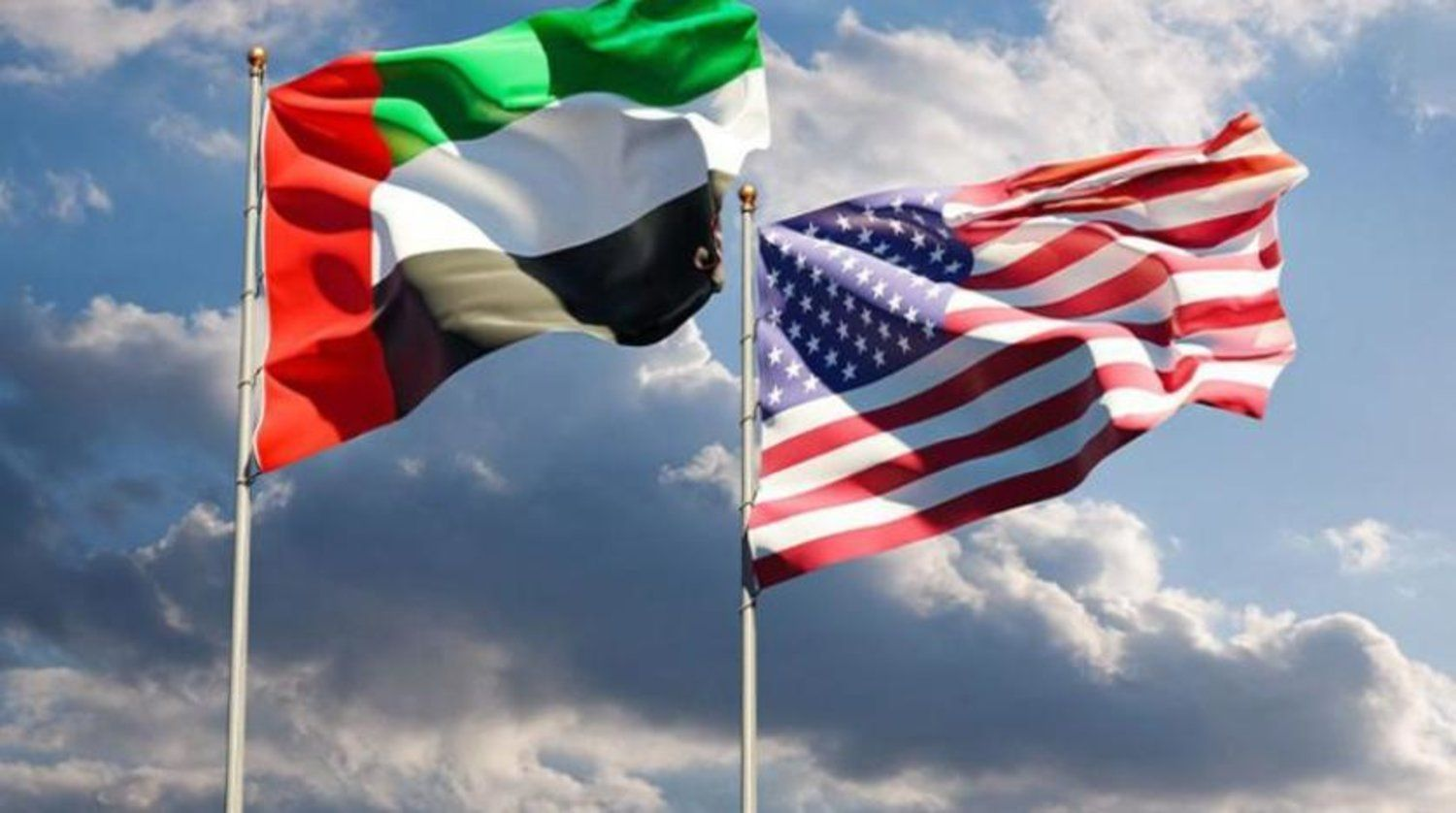
A multi-billion dollar agreement to establish one of the world’s largest artificial intelligence data center hubs in the United Arab Emirates (UAE) remains far from finalized, according to sources familiar with the negotiations. Despite its high-profile announcement during President Donald Trump’s recent visit to Abu Dhabi, persistent U.S. security concerns continue to stall progress.

The planned 10-square-mile AI campus is being spearheaded by G42, an Emirati state-linked technology firm central to the UAE’s AI ambitions. Major U.S. technology firms including Nvidia, OpenAI, Cisco, Oracle, and Japan’s SoftBank have signed on to help develop the first phase, called Stargate UAE, which is scheduled to become operational in 2026.

The project’s backers have touted it as a significant step toward steering Gulf nations toward U.S. technology and away from Chinese alternatives. However, five sources involved in the discussions told Reuters that U.S. officials remain deeply concerned about potential technology transfers to China and the UAE’s ability to enforce strict export controls.

Although the UAE pledged during Trump’s visit to align its national security regulations with Washington — including measures to prevent diversion of U.S.-origin technology — American officials remain cautious. These concerns mirror those raised during both the Biden and Trump administrations, particularly over the UAE’s previous deployment of Huawei 5G infrastructure despite U.S. objections.

Sources indicated that the U.S. Commerce Department has yet to determine the security protocols required for exporting advanced Nvidia AI chips critical to the project. The absence of an agreed enforcement mechanism further complicates the deal, leaving it without a definitive timeline for completion.

Among the likely U.S. conditions are prohibitions on Chinese technology at the site and restrictions on employing Chinese nationals, given ongoing fears of AI chip smuggling and intellectual property leaks to adversaries. While the UAE has dismantled some Chinese partnerships—such as G42 removing Chinese hardware and divesting from certain Chinese holdings under Biden administration pressure—Chinese firms like Huawei and Alibaba Cloud still maintain a strong presence in the country.

Adding to U.S. unease is the UAE’s growing role as a hub for companies circumventing Western sanctions on Russia, further complicating Washington’s strategic calculus. Despite these challenges, both Trump administration officials and some in the current administration remain committed to pursuing the deal, though bipartisan skepticism remains strong in Congress.

Once operational, Stargate UAE is expected to house roughly 100,000 advanced Nvidia Grace Blackwell GB300 AI chips within a 1-gigawatt facility — potentially expanding to 5 gigawatts in the future. The Emirati government has so far not commented on the latest delays, and no final agreement has been reached on technology controls or operational oversight.