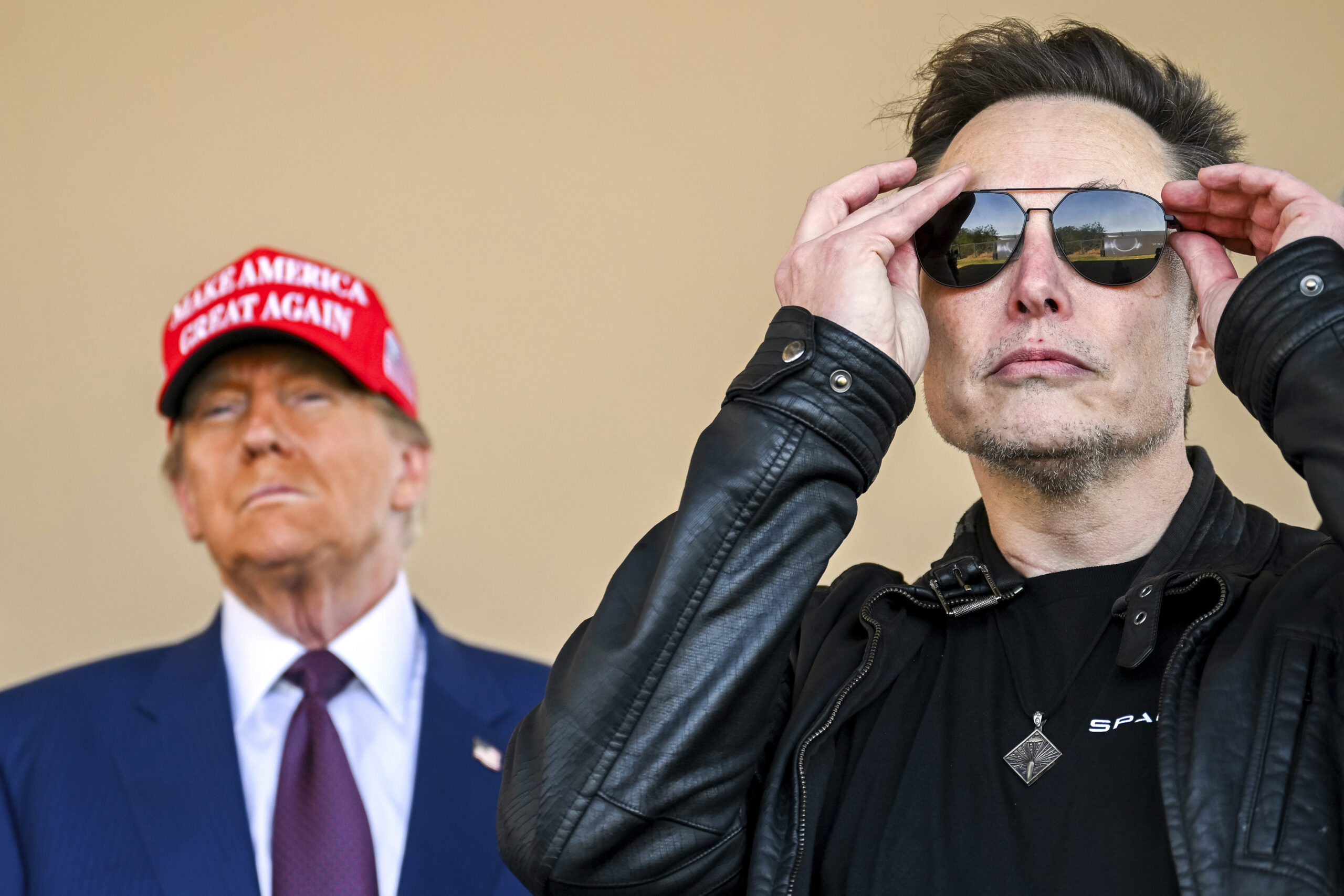
Trump-Musk Rift Raises Regulatory Risks for Elon Musk’s Business Empire

Elon Musk’s deteriorating political relationship with former President Donald Trump may expose his vast business empire to heightened regulatory scrutiny across multiple U.S. agencies. As political tensions escalate, the risk that regulators may more aggressively oversee Musk’s various companies has become a growing concern. Below is an overview of the key U.S. regulators with authority over Musk’s enterprises, and the potential challenges ahead:

Federal Communications Commission (FCC)
The FCC oversees the allocation of spectrum critical to SpaceX’s Starlink satellite internet service. In April, the FCC launched a review of its longstanding spectrum sharing rules, potentially affecting SpaceX’s access to expanded frequencies necessary to enhance its coverage. While the review aims to modernize spectrum usage, it may also result in stricter rules or delays for SpaceX, depending on the political climate and regulatory stance.

Food and Drug Administration (FDA)
The FDA regulates clinical trials for Neuralink, Musk’s brain implant company. While Neuralink has secured FDA approval for initial human trials, earlier safety concerns cited by the agency in 2023 remain relevant as trials progress. Any missteps or adverse events in ongoing studies could prompt the FDA to halt or delay the company’s development timeline.

Environmental Protection Agency (EPA)
SpaceX’s Starbase launch facility in Texas falls under the EPA’s jurisdiction for environmental compliance, particularly regarding wastewater discharge and environmental impact assessments under the National Environmental Policy Act. Rocket launches and tests, which have included multiple explosions, may invite further scrutiny, particularly if environmental groups or political adversaries exert pressure on federal agencies.

National Highway Traffic Safety Administration (NHTSA)
Tesla’s Full Self-Driving (FSD) technology remains under active investigation by NHTSA, especially regarding its performance under poor visibility conditions. The agency recently requested detailed information on Tesla’s robotaxi service set to launch in Austin, Texas, this month. Any regulatory findings could impact Tesla’s ability to scale its self-driving services.

Federal Aviation Administration (FAA)
The FAA proposed a $633,000 fine against SpaceX last year for license violations during launches. With ongoing investigations and the potential for future launch failures, the FAA holds significant leverage over SpaceX’s launch schedule and licensing requirements.

Securities and Exchange Commission (SEC)
Musk continues to face legal battles with the SEC, including litigation related to his 2022 acquisition of Twitter (now X). The regulator is also reportedly investigating Neuralink, raising additional legal exposure. Any adverse findings could impact Musk personally as well as his companies’ access to capital markets.

Federal Trade Commission (FTC)
The FTC oversees data privacy and antitrust compliance for social media platforms, including X. The agency is currently investigating whether certain media watchdog groups coordinated advertiser boycotts of X, a situation Musk claims is anti-competitive. The FTC’s broader mandate to protect consumer privacy could result in further investigations, particularly regarding data protection for minors.

Political Climate Raises Stakes
While these agencies have long held authority over Musk’s operations, his prior friendly ties to Trump may have provided a degree of political insulation. The recent breakdown in their relationship removes that buffer, potentially leaving Musk more exposed to adversarial regulatory action depending on future election outcomes and shifting political alliances.

With businesses spanning electric vehicles, space exploration, telecommunications, brain-computer interfaces, and social media, Musk’s cross-sector reach makes him uniquely vulnerable to regulatory actions from multiple federal agencies simultaneously.
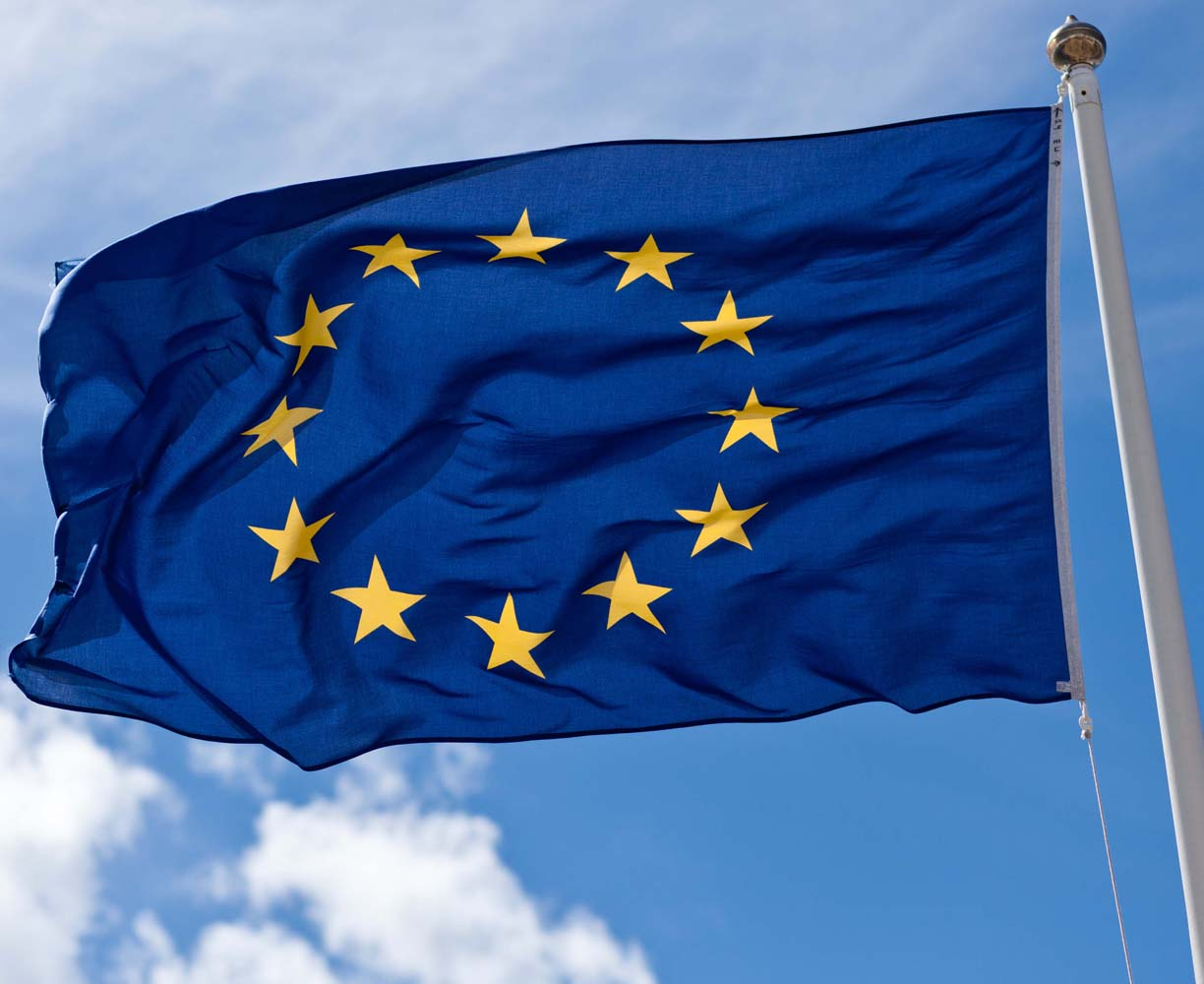
EU Pledges Global Digital Cooperation Amid Strained U.S. Ties

The European Union announced on Thursday a new International Digital Strategy to strengthen cooperation with global partners, aiming to enhance its competitiveness and promote a rules-based digital order. The move comes as tensions with the United States escalate over EU regulations targeting major American tech firms.

EU tech chief Henna Virkkunen emphasized the bloc’s determination to remain a “stable and reliable partner” in the global digital landscape, despite growing geopolitical challenges. “We are living through a profound digital revolution that is reshaping economies and societies worldwide,” Virkkunen said during a press conference. “In this environment, the EU is stepping forward as a stable and reliable partner, deeply committed to digital cooperation with our allies and partners.”

The strategy outlines cooperation across multiple sectors, including energy, transport, finance, health, cybersecurity, emerging technologies like AI and quantum computing, and digital governance that supports democratic values and social cohesion. Protecting children on online platforms is also a key focus area.

The announcement follows increasing U.S. criticism of the EU’s tech regulations, particularly the Digital Markets Act and Digital Services Act, which aim to curb the influence of major tech companies. Washington has accused Brussels of unfairly targeting American firms and even threatened retaliatory tariffs following heavy fines imposed on U.S. tech giants.

Virkkunen explained that the EU’s digital plan rests on two core pillars: enhancing the bloc’s own competitiveness in strategic technologies and supporting partner nations in achieving their digital transformation objectives. “No country or region can lead the technological revolution alone,” she stressed, reaffirming the EU’s commitment to creating a global digital framework rooted in democratic principles and fundamental values.

The 27-country bloc sees its proactive engagement with international partners as a way to counterbalance strained transatlantic relations while asserting its leadership in shaping global digital standards.

Shein Faces EU Complaint Over ‘Dark Patterns’ in Online Sales Tactics

Pan-European consumer group BEUC has filed a formal complaint with the European Commission against fast-fashion giant Shein, accusing the online retailer of using manipulative design techniques—commonly known as “dark patterns”—to push consumers into buying more on its app and website.

According to BEUC’s report, Shein employs a variety of aggressive tactics, including pop-ups that warn users they may lose discounts if they leave the app, countdown timers that pressure customers to complete purchases quickly, and infinite scrolling that keeps shoppers continuously engaged. BEUC argues that these techniques encourage overconsumption and may violate EU consumer protection laws.

The organization also highlighted the excessive notifications sent by the Shein app, with one example showing a single phone receiving 12 push notifications in one day. BEUC Director General Agustin Reyna stated, “For fast fashion you need to have volume, you need to have mass consumption, and these dark patterns are designed to stimulate mass consumption.”

Reyna added that a satisfactory resolution would require Shein to remove these manipulative features, though he questioned whether the company has sufficient incentive to alter practices that drive sales volume.

Shein Responds, Tensions Remain

In response, Shein said it is cooperating with EU regulators: “We are already working constructively with national consumer authorities and the EU Commission to demonstrate our commitment to complying with EU laws and regulations.” The company also expressed frustration that BEUC had declined its request for a meeting.

Shein’s success in Europe has been fueled by its highly engaging app experience, which incorporates gamification elements. For instance, its “Puppy Keep” game allows users to care for a virtual dog and earn reward points redeemable for free items. These points accumulate through daily log-ins, frequent scrolling, and purchases—further driving customer engagement and sales.

Broader Industry Under Scrutiny

BEUC’s complaint extends beyond Shein, calling on European consumer protection authorities to investigate similar practices across the broader fast-fashion industry. “Dark patterns are widely used by mass-market clothing retailers,” BEUC noted, urging regulators to expand their inquiry.

A total of 25 BEUC member organizations from 21 countries, including France, Germany, and Spain, have joined the complaint filed with the European Commission and the EU consumer protection network.

This latest action follows a separate warning issued by the European Commission last month, which notified Shein that some of its practices breach EU consumer law. The Commission warned that Shein faces potential fines if it fails to address these concerns.

Increasing Regulatory Pressure

In addition to consumer protection concerns, Shein is also under investigation by EU tech regulators for its compliance with online content rules as part of the bloc’s broader push to tighten oversight on major digital platforms.

Shein’s rival Temu, another rapidly growing discount platform, has also been targeted by BEUC for similar dark pattern practices.