Cleo AI Settles FTC Deception Charges for $17 Million

Cleo AI has agreed to pay $17 million to settle U.S. Federal Trade Commission (FTC) charges that it misled consumers about cash advance amounts and processing times, the agency announced Thursday.

FTC Allegations

  • Cleo falsely advertised cash advances of $250 to $500, but most users received as little as $20.

  • The company promised “instant” or “same-day” cash transfers but often delayed payments until the next day—while charging extra fees for expedited service.

  • Cleo made subscription cancellations difficult, continuing to charge $5.99 or $14.99 monthly fees even after repeated cancellation requests.

Settlement Terms

  • Cleo must improve transparency, obtain informed consent before charging for services, and make subscription cancellations easier.

  • The $17 million settlement will be used to refund affected consumers.

Company Response

While denying any wrongdoing, Cleo’s general counsel, Colin Jones, said the FTC’s claims were inaccurate and reflected a misunderstanding of the company’s operations. He stated that settling was the best course of action to allow Cleo to focus on helping Americans improve their financial lives.

RBC Bets on AI for Growth Amid Trade Uncertainty

Royal Bank of Canada (RBC, RY.TO) is set to generate C$700 million to C$1 billion from its AI investments by 2027, CEO Dave McKay revealed at the bank’s first investor day since 2018. The revenue will come from business growth and technology cost savings, underscoring AI’s crucial role in RBC’s expansion strategy.

AI-Driven Innovation

McKay highlighted how generative AI can enhance employee capabilities, improve customer service, and automate key processes. RBC is utilizing Nvidia (NVDA.O) chips to create AI-powered avatars capable of engaging personal banking clients and offering product insights.

Growth Targets & Market Expansion

Despite trade uncertainties and potential tariff disruptions, RBC remains committed to achieving a 16% return on equity by 2027. The bank aims to:

  • Expand globally in capital markets and wealth management

  • Increase its U.S. market share, competing with Wall Street giants like JP Morgan

  • Strengthen personal banking and wealth segments in Canada

Challenges Ahead

RBC executives acknowledged that tariff-related uncertainties may slow corporate investment. However, they emphasized that long-term growth strategies remain unchanged.

RBC’s stock was down 0.9% in Toronto during afternoon trading.

DOGE Staffer ‘Big Balls’ Linked to Cybercrime Group, Records Show

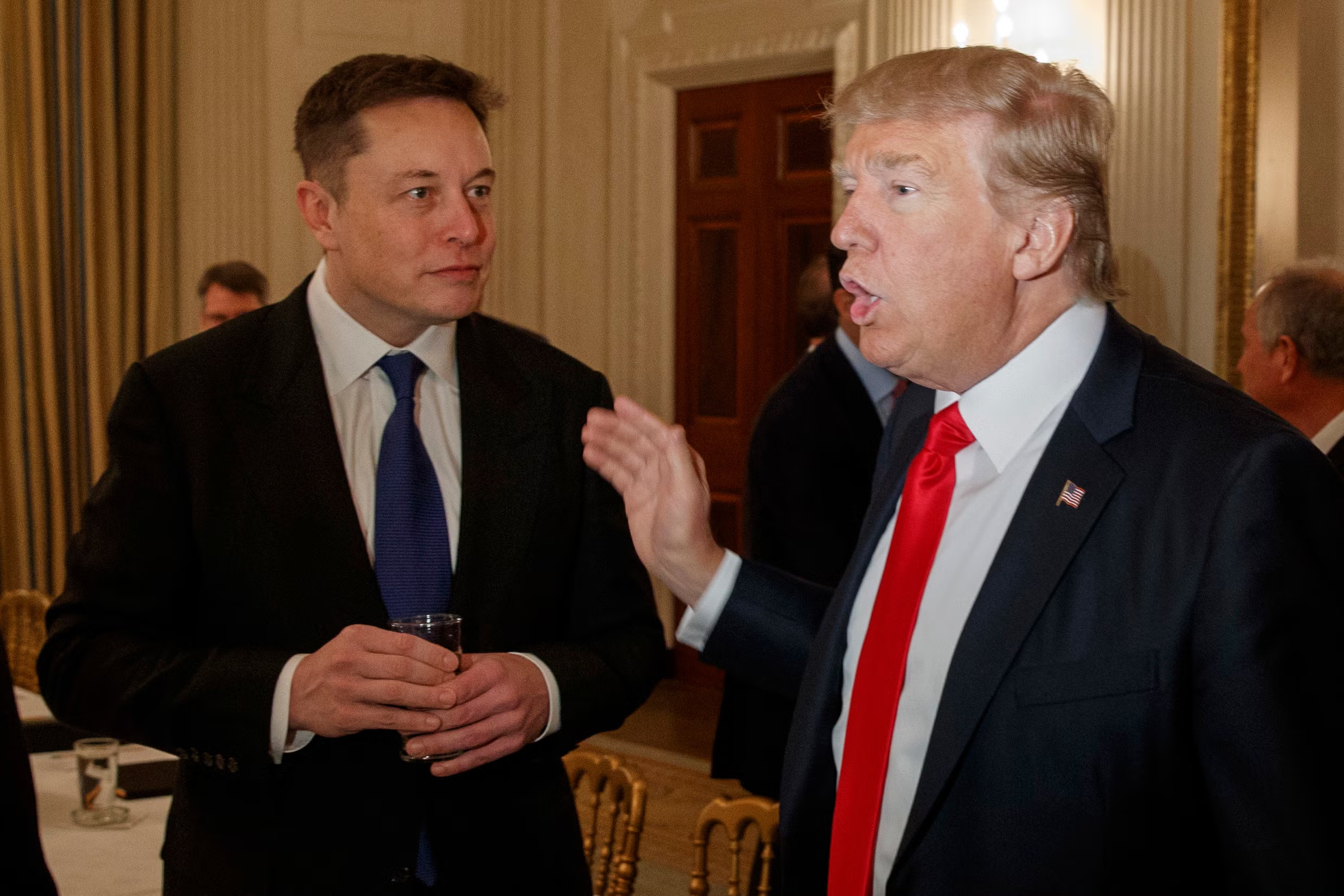
Edward Coristine, known by his nickname “Big Balls,” a key member of Elon Musk’s DOGE Service team, provided technical support to a cybercrime group involved in illegal activities, including cyberstalking and data trafficking, according to digital records reviewed by Reuters.

Coristine’s Role in DiamondCDN and EGodly

Coristine, a 19-year-old technologist, founded a company named DiamondCDN around 2022, which offered network services. The company was linked to EGodly, a cybercrime ring that boasted about engaging in criminal activities such as stealing data and cyberstalking law enforcement officials. Digital records show that between October 2022 and June 2023, DiamondCDN’s infrastructure was used to support EGodly’s website, dataleak.fun, which was involved in cybercrimes. EGodly publicly thanked DiamondCDN for providing them with DDoS protection and caching systems.

Connection to Government Agencies

Despite these associations, Coristine has been recognized for his work with U.S. government agencies. He is listed as a “senior adviser” at the State Department and the Cybersecurity and Infrastructure Security Agency (CISA). His name also appears in their staff directories, raising concerns about his involvement in securing government networks despite his previous ties to cybercriminals. Coristine describes himself as a “Volunteer (Intern) Plumber” with the U.S. government on his LinkedIn profile.

EGodly’s Cybercrimes and FBI Targeting

EGodly, the group with which Coristine’s company had ties, was known for a variety of cybercrimes, including hijacking phone numbers, breaking into law enforcement email accounts, and stealing cryptocurrency. The group also posted personal information about an FBI agent they targeted for harassment. The group’s members were reportedly involved in the dangerous practice of swatting, which involves making hoax emergency calls to send armed officers to targeted locations. Law enforcement has been aware of EGodly’s activities due to its connection to cybercrime and swatting incidents.

Concerns Over National Security

Nitin Natarajan, former deputy director of CISA, expressed concern over the potential risks posed by Coristine’s past associations with EGodly, noting that it is troubling for someone with such connections to hold a position in government security. This raises questions about the vetting process and the broader implications of such individuals gaining access to sensitive government networks.