
AustralianSuper Sells Stake in WiseTech Global Over Leadership Transition Concerns

AustralianSuper, Australia’s largest pension fund, has exited its position in logistics software giant WiseTech Global (WTC.AX), citing dissatisfaction with the company’s handling of founder Richard White’s leadership transition. The pension fund sold approximately A$580 million ($366.2 million) worth of shares, closing its 1.9% stake in the company over the past few weeks.

Leadership Transition Raises Concerns

The decision comes after White, the company’s largest shareholder, stepped down as CEO in October 2024 following media reports of allegations related to his personal life, including payments to a past sexual partner. In his absence, Andrew Cartledge, the firm’s finance chief, was named interim CEO.

In February, White made a surprise return to the company’s leadership, assuming the role of executive chair. However, the transition was further complicated in March when White admitted to incomplete disclosure regarding his personal relationships to the board. A review revealed that his statements had been inaccurate, incomplete, and misleading.

AustralianSuper’s Statement

AustralianSuper expressed dissatisfaction with how WiseTech handled the transition, particularly the lack of a clear and sensible plan that balanced governance with managing the founder’s role over time. The pension fund emphasized that it required more assurance regarding the transition’s governance, which led to its decision to sell the stake. While the fund has exited for now, it stated that it may reconsider its position should circumstances improve.

WiseTech Global’s Response

WiseTech Global did not immediately respond to a request for comment regarding AustralianSuper’s decision.
Brazil Delays Big Tech Tax Amid Trump Tariff Negotiations

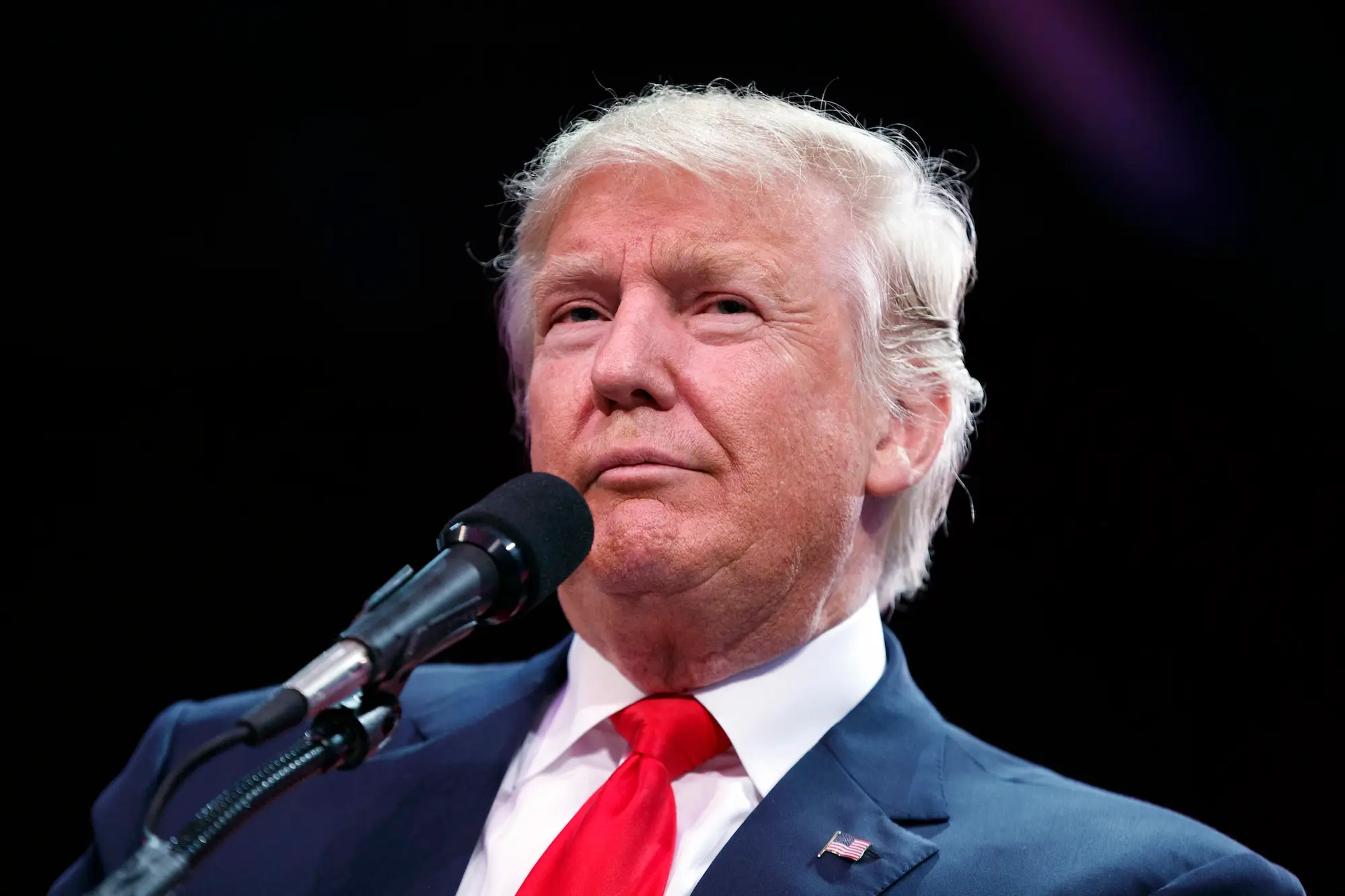
Brazil has decided to delay a proposed tax on major tech firms, citing concerns that such a move could escalate tensions with the United States amid ongoing tariff negotiations under U.S. President Donald Trump’s administration. According to sources familiar with the matter, Brazil’s government will focus on advancing a separate bill to regulate competition among large digital platforms instead.

Government’s Shift in Focus

The proposal to tax U.S.-based tech giants like Amazon, Google, and Meta was initially set to be introduced in the second half of 2024, contingent on the country’s revenue projections. However, Brazilian officials have opted to shelve this plan for the time being, fearing it could worsen trade relations during sensitive talks on tariffs.

A Focus on Competition Over Taxation

Instead of focusing on taxation, the Brazilian government will now prioritize legislation designed to regulate competition within the digital marketplace. The bill, which went to public consultation in January 2024, aims to address issues like “killer acquisitions” and anti-competitive practices by tech firms, such as the manipulation of search results to favor their own services. This approach is seen as a less confrontational alternative that focuses on market fairness rather than taxation.

Concerns Over Timing and U.S. Tariffs

Sources revealed that the Brazilian government is cautious about the timing of any tax proposals, especially given the uncertainties surrounding Trump’s upcoming tariff actions. In a move that could complicate negotiations, introducing a tax targeting prominent U.S. companies could exacerbate tensions, particularly with Trump’s plan to sharply raise U.S. tariffs on April 2, 2025. The U.S. president has threatened to increase tariffs to match those of other countries, which could strain relations further.

On Monday, Trump indicated that not all of the proposed tariff increases would go into effect on April 2, with some countries potentially receiving exemptions. His remarks were seen as a sign of flexibility, calming market concerns that had been building due to the uncertainty surrounding the trade talks.

Brazil’s Broader Trade Negotiations

In addition to tariff talks, Brazil is pushing for an integrated negotiation process with Washington, particularly regarding sugar and ethanol exports. Brazilian Finance Minister Fernando Haddad emphasized that these talks would likely be lengthy, as Brazil aims to secure favorable terms on its key agricultural products while navigating the complexities of the broader trade relationship with the U.S.

U.S. Expands Export Restrictions, Targets Inspur Group and Dozens of Chinese Entities

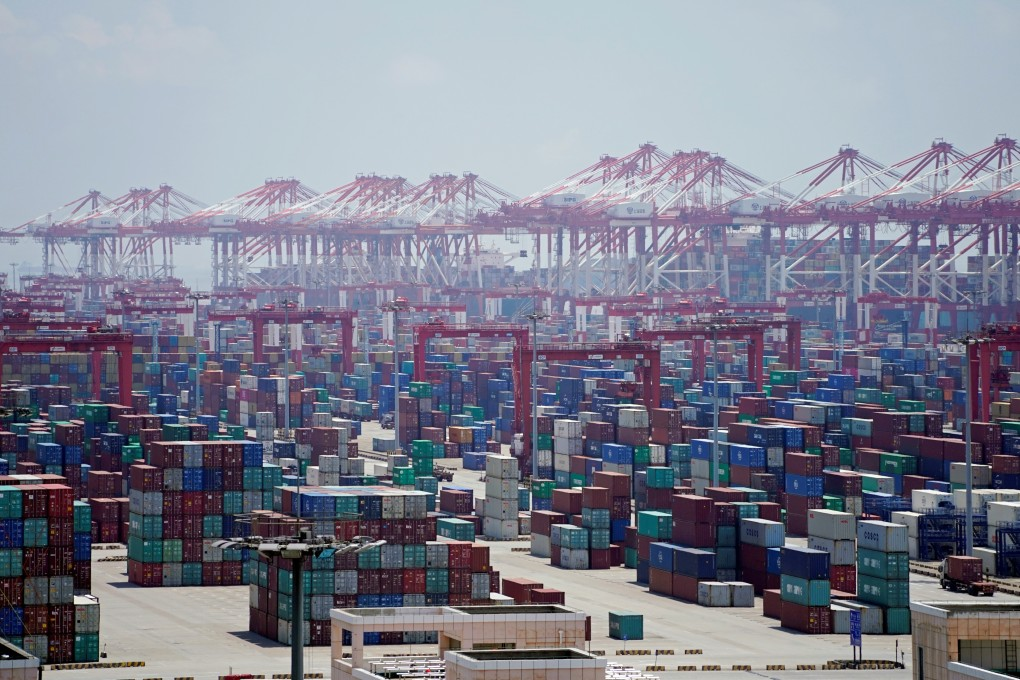
The U.S. Commerce Department has added six subsidiaries of Inspur Group, a leading Chinese cloud computing and big data service provider, to its export restrictions list, along with nearly 80 other Chinese entities. This move is part of broader efforts to limit China’s access to high-performance computing, quantum technologies, and advanced AI, as well as to curb China’s military advancements, including its hypersonic weapons program.

Restrictions on Inspur Group and Other Chinese Entities

The six Inspur subsidiaries, located in China and Taiwan, were added to the list for allegedly contributing to the development of supercomputers used by the Chinese military. Inspur Group itself was placed on the list in 2023. The addition of these companies is part of a larger batch of entities, including over 50 based in China, as well as companies from Taiwan, Iran, Pakistan, South Africa, and the UAE.

The U.S. Commerce Department aims to prevent adversaries from exploiting American technology to enhance their military capabilities, particularly focusing on technologies related to supercomputing, quantum computing, and AI.

U.S. Government’s Stance on National Security

U.S. Commerce Secretary Howard Lutnick expressed the importance of preventing adversaries from using American technology to threaten national security. He emphasized that these restrictions are designed to disrupt the development of high-performance computing technologies, which could support the development of military systems like hypersonic missiles and advanced drones.

In addition to targeting Chinese companies, the U.S. also aimed to disrupt Iran’s ability to procure drones and related defense technologies, which have been a concern for U.S. national security.

China’s Response and Diplomatic Tensions

China’s foreign ministry condemned the U.S. action, asserting that it was detrimental to dialogue and cooperation between the two nations. The Chinese embassy in Washington expressed firm opposition, accusing the U.S. of politicizing trade and technology issues under the guise of military concerns.

The response highlights ongoing tensions between the U.S. and China over technology and trade, with China vowing to take necessary measures to protect the interests of its enterprises.

Impact on the Tech Industry

The addition of these entities to the Entity List has significant implications for U.S. technology firms, as companies cannot sell goods to those on the list without a license, which is typically denied. Notably, chip manufacturers like AMD and Nvidia have been scrutinized for their dealings with Inspur Group. It’s unclear whether these companies have ceased supplying components to Inspur’s subsidiaries, as no immediate comments were provided by the companies.

Other Chinese firms, including Nettrix Information Industry Co and Suma Technology Co, were added for their role in developing Chinese exascale supercomputers and providing manufacturing capabilities to other restricted companies.

Broader Implications

The U.S. is continuing to use its export control list to exert pressure on China’s technological and military developments, particularly in areas that could pose a threat to U.S. security interests. This expansion of restrictions is likely to intensify the tech and trade war between the two nations, as China seeks to maintain its advancements in high-tech industries, particularly AI and supercomputing.