Rapid7 Nears Settlement with Activist Investor Jana Partners

Rapid7, a cybersecurity company, is nearing a settlement with activist investor Jana Partners following discussions about boosting the company’s share price and exploring strategic options, including a potential sale. Under the terms being discussed, three new members would be added to Rapid7’s eight-member board, sources familiar with the matter told Reuters.

An agreement could be finalized as early as Monday, though the situation remains fluid, according to the sources. Neither Rapid7 nor Jana Partners commented on the negotiations.

The Boston-based company, which specializes in vulnerability management, has faced challenges as its stock has dropped 41% over the past 52 weeks and 28% this year, bringing its market value down to approximately $1.8 billion. Jana Partners owns a 5.8% stake in Rapid7, according to a March regulatory filing.

In addition to the ongoing settlement talks, Rapid7 had previously attracted acquisition interest from buyout firms like Advent, Bain Capital, and EQT.
U.S. Lifts Sanctions on Tornado Cash Amid Legal Challenges

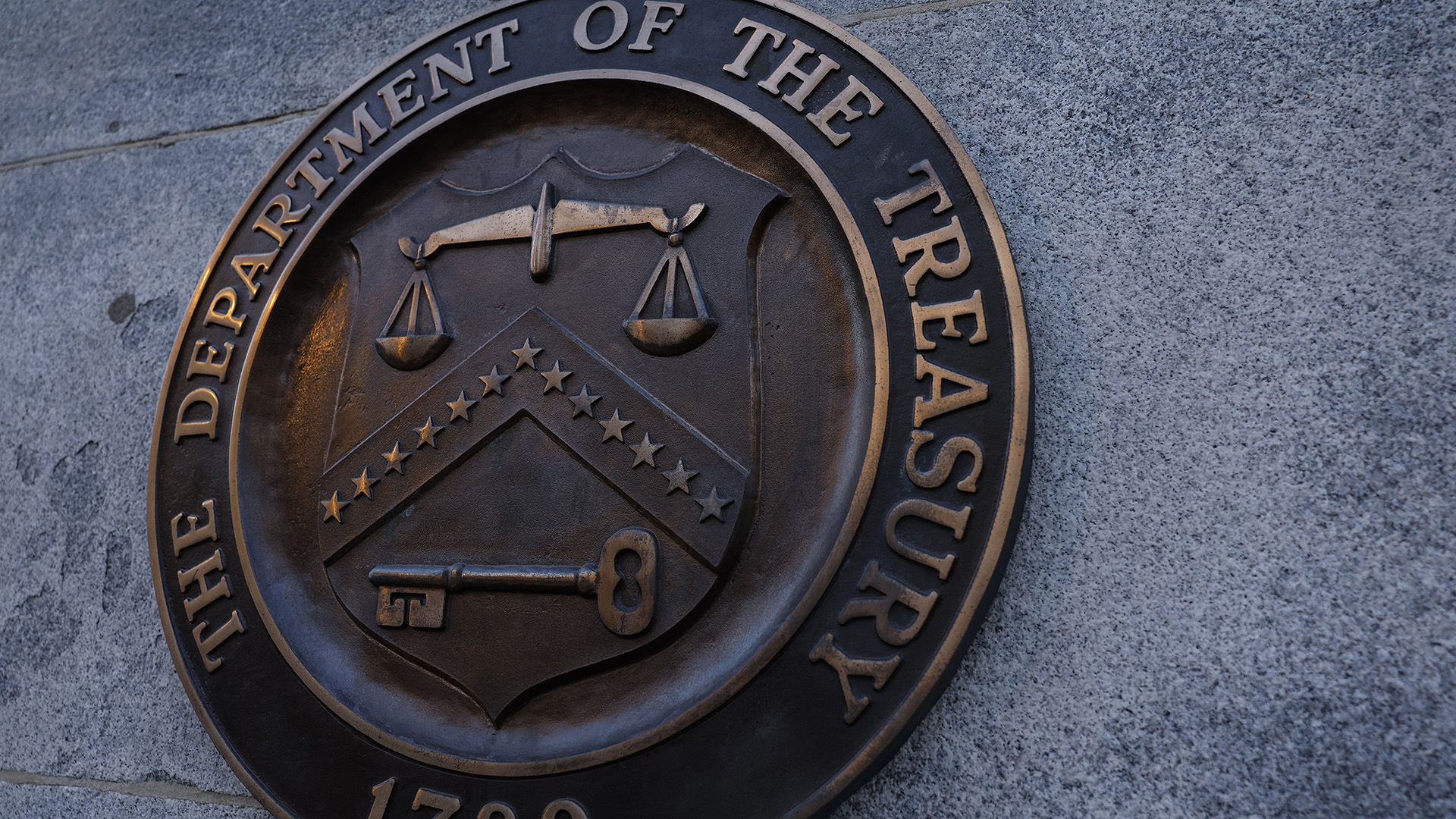
The U.S. Treasury Department announced on Friday that it has lifted sanctions on Tornado Cash, a cryptocurrency “mixer” accused of facilitating the laundering of more than $7 billion, including funds stolen by North Korean hackers. The decision follows legal challenges from six Tornado Cash users, who filed a lawsuit against the sanctions, supported by cryptocurrency exchange Coinbase.

In 2022, the U.S. Treasury’s Office of Foreign Assets Control (OFAC) blacklisted Tornado Cash, claiming the firm had been involved in laundering cybercrime proceeds, including $455 million stolen by the Lazarus Group, a North Korean-backed hacking organization. Tornado Cash is designed to obfuscate the origins and recipients of cryptocurrency transactions, making it a popular tool for illicit activities.

Despite the sanctions being lifted, the Treasury reaffirmed its concerns over North Korea’s state-sponsored cyber activities, particularly its use of stolen digital assets to fund government operations. Treasury Secretary Scott Bessent emphasized the importance of protecting the digital asset industry from misuse by North Korea and other malicious actors.

The decision to lift the sanctions comes after a U.S. appeals court ruled in November that OFAC had overreached in its application of the sanctions. The Treasury indicated that the repeal followed a review of legal and policy issues, particularly in light of evolving technology and legal environments.

In 2023, two co-founders of Tornado Cash were charged with facilitating over $1 billion in money laundering, including laundering for the Lazarus Group. One of the co-founders, Roman Storm, is awaiting trial and has denied any wrongdoing. Additionally, Tornado Cash developer Alexey Pertsev was sentenced to five years and four months in prison in the Netherlands for his involvement in money laundering activities.

UAE Pledges $1.4 Trillion Investment in U.S. Economy, White House Announces

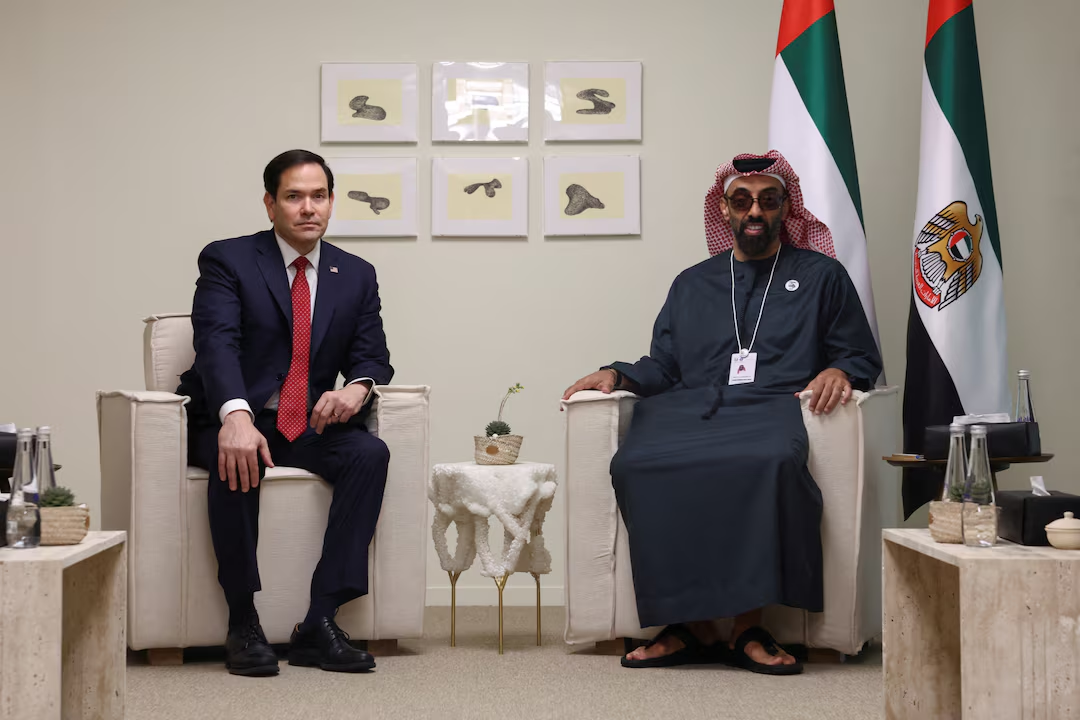
The United Arab Emirates (UAE) has committed to a major 10-year, $1.4 trillion investment framework in the United States, signaling a deepening economic relationship between the two countries. This commitment, announced by the White House on Friday, comes after high-level meetings between UAE officials and President Donald Trump, highlighting the UAE’s expanding role in key sectors such as artificial intelligence (AI), semiconductors, energy, and manufacturing.

While the White House did not detail how the full $1.4 trillion would be invested, some deals under the framework have already been publicly disclosed. Notably, the UAE’s Emirates Global Aluminium announced plans to build the first new aluminum smelter in the U.S. in 35 years. This smelter would significantly boost U.S. aluminum production, nearly doubling its domestic capacity.

The UAE, a major oil producer and longstanding U.S. security partner, is increasingly focusing on diversifying its economy away from fossil fuels, with AI emerging as a critical area of investment. In addition to energy and manufacturing, the UAE is also positioning itself as a leader in the AI sector, aiming to capitalize on its technological growth to secure a more diversified economic future.

This agreement is part of a broader trend of increased Gulf investment in the U.S., exemplified by sovereign wealth funds like Abu Dhabi’s Mubadala, which already holds significant U.S. assets. The UAE’s push for more investments follows a pattern of heightened collaboration between the two nations, with previous discussions between UAE President Sheikh Mohamed bin Zayed Al Nahyan and former President Joe Biden emphasizing AI, space exploration, and investments.

In addition to the aluminum smelter project, one of the key partnerships under the new framework is between the UAE sovereign wealth fund ADQ and U.S. private equity firm Energy Capital Partners, which will focus on a $25 billion initiative to enhance energy infrastructure and data centers across the U.S.