
Bitcoin Surges in 2024, Fuelled by ETF Approval and Trump Optimism

Bitcoin has more than doubled in value in 2024, reaching new heights following the approval of exchange-traded funds (ETFs) tied to its spot price by U.S. markets regulators and growing optimism over regulatory changes with Donald Trump set to return to the White House. Earlier this month, the cryptocurrency hit a significant milestone, surpassing $100,000, sparking renewed excitement among its supporters.

The cryptocurrency sector has experienced substantial growth this year, with Bitcoin surging more than 120% and Ether, the second-largest cryptocurrency, rising nearly 50%. This surge has propelled the market’s overall value to approximately $3.5 trillion, according to data from CoinGecko. Analysts predict that the momentum will continue into 2025, with some projecting Bitcoin could reach $200,000 by late next year.

MicroStrategy, a software firm that has become the largest corporate holder of Bitcoin, has seen its stock price soar nearly five-fold in 2024. The company’s stock is now considered a proxy for Bitcoin, with its price movements closely linked to the sentiment surrounding the digital asset. Other smaller companies are following suit, allocating portions of their cash to Bitcoin.

In a client note, analysts at brokerage firm Bernstein stated that they expect Bitcoin to evolve into a premier “store of value” asset, potentially replacing gold within the next decade and becoming a staple of institutional multi-asset allocation and corporate treasury management.

The surge in Bitcoin’s value began in January when the U.S. Securities and Exchange Commission approved the first ETFs tracking Bitcoin’s spot price. This approval marked a significant turning point for the cryptocurrency industry, giving it institutional legitimacy and broadening its appeal to mainstream investors. Major finance firms such as BlackRock and Fidelity launched Bitcoin-related ETFs, further strengthening the asset’s position.

Additionally, the election victory of Donald Trump, who has pledged to make the U.S. the “crypto capital of the planet,” boosted optimism in the sector. Trump’s pro-crypto stance attracted substantial donations from crypto advocates who hoped to elect candidates favorable to the industry.

The 2024 rally also benefited various crypto-related stocks, with winners including MicroStrategy, crypto exchange Coinbase, and Bitcoin miner Hut 8. However, some crypto miners faced challenges due to shrinking profit margins caused by rising energy and hardware costs, leading to significant losses. Riot Platforms, Marathon Digital, and Bit Digital saw declines of 26% to 32% in their stock prices this year.

 

Nexperia Parent Wingtech to Sell Electronics Arm Amid Geopolitical Shifts

Wingtech (600745.SS), the Chinese company that owns European chip maker Nexperia, has announced plans to sell roughly half of its business, focusing more on chipmaking in response to changes in the geopolitical environment. This strategic move follows the company’s recent inclusion on the U.S. government’s “entity list,” which targets firms perceived to aid the Chinese government in acquiring sensitive chipmaking technology.

The sale will involve Wingtech’s “product integration” business, which includes contract manufacturing of smartphones, home appliances, and other electronics. Following the transaction, Wingtech intends to concentrate its efforts on strengthening its semiconductor division and solidifying its position as a leading global player in the power semiconductor sector.

The filing, submitted to the Shanghai Stock Exchange, did not disclose the price of the sale, but it revealed that the business to be sold accounts for between 50% and 60% of Wingtech’s revenues, although it represents no more than half of its total assets. Luxshare Ltd., a Hong Kong-based company that is also the controlling shareholder of Luxshare Precision Industry Co. (002475.SZ), an Apple supplier, will be the buyer of the business.

Nexperia, which Wingtech acquired in 2019, has stated that it does not anticipate any impact on its operations from being placed on the U.S. entity list, though they were not immediately available for comment on the sale.


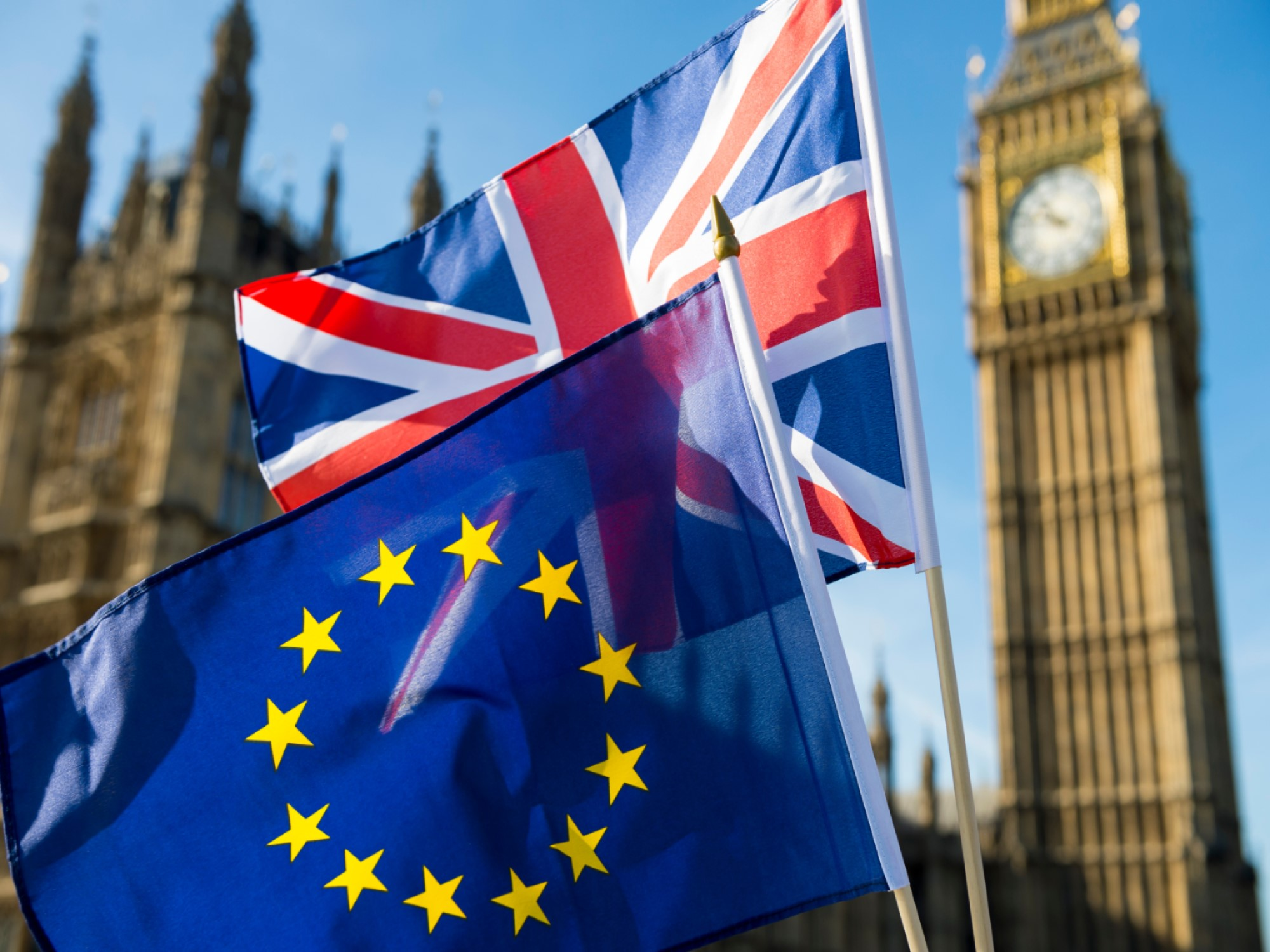
UK and EU Look to 2025 for Reset Amid Shared Challenges, Limited Trade-offs

In February 2025, UK Prime Minister Sir Keir Starmer is set to join EU leaders at an informal summit focusing on defence and security cooperation. This marks a symbolic step in repairing UK-EU relations post-Brexit, against a backdrop of global instability, including ongoing wars in Ukraine and the Middle East, and the prospect of Donald Trump’s return to the US presidency.

The shared challenges—such as threats to trade and security—are prompting a reassessment of ties between the UK and EU. Brexit weakened the EU by losing a major economic and military power, while the UK now finds itself with diminished influence on the global stage. For the Labour government, stronger EU relations are critical to delivering on key domestic priorities, including economic growth, defence, and migration.

Labour has signaled its intent for a “reset” in UK-EU relations through symbolic diplomacy, such as meetings with EU leaders and participation in high-level EU gatherings. However, despite mutual goodwill, skepticism persists in Brussels over the UK’s true commitment to compromise. While defence cooperation offers an easy win, more ambitious goals—such as reducing trade barriers and aligning regulations—face significant hurdles. The EU has ruled out using defence agreements as leverage for trade benefits, emphasizing the integrity of its rules and agreements.

Key proposals for economic cooperation include sector-specific deals that align UK regulations with EU standards, a veterinary agreement to ease agricultural trade, and mutual recognition of professional qualifications. Labour may also consider a youth mobility scheme allowing young people to work or study across borders, though migration remains a politically sensitive issue in the UK.

Energy and climate cooperation is another potential area for progress, with discussions on linking carbon trading schemes and reducing post-Brexit inefficiencies in the electricity market. Closer coordination could save billions and enhance renewable energy development in the North Sea.

Despite political caution, public sentiment on both sides appears more ambitious. Polls show a majority of UK and EU voters favor strengthening ties, including reintroducing freedom of movement in exchange for access to the single market. However, translating this enthusiasm into concrete policy changes will depend on the willingness of leaders to navigate political and technical challenges.

As geopolitical threats mount, both the UK and EU face a critical opportunity to align their interests. The question remains whether governments can move as decisively as their citizens seem ready to embrace deeper cooperation.