Vanguard Reaches Agreement with FDIC on Bank Stake Control

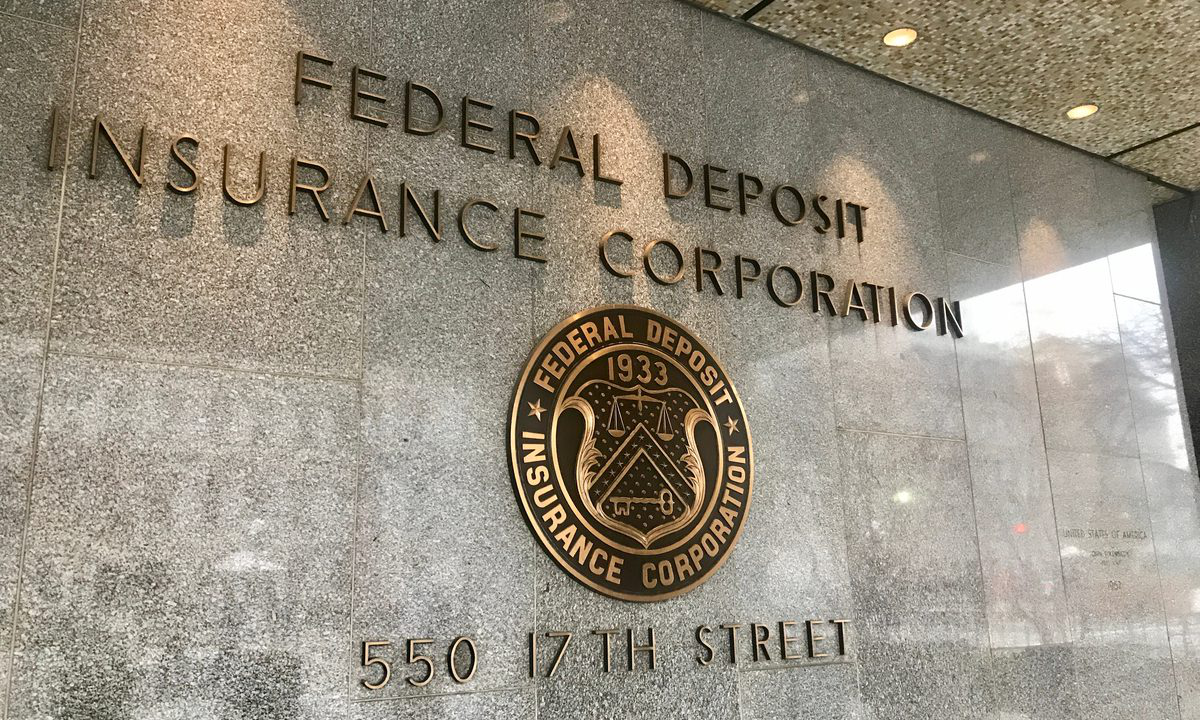
The U.S. Federal Deposit Insurance Corporation (FDIC) has reached an agreement with Vanguard to implement stricter rules regarding the firm’s ability to take large stakes in U.S. financial institutions. This deal, made public on Friday, strengthens the FDIC’s ability to monitor Vanguard’s investment activities, ensuring that the firm’s passive investment strategy in FDIC-supervised banks does not lead to undue influence over the banks’ operations.

The agreement is designed to prevent the largest asset management firms, such as Vanguard and BlackRock, from affecting the decision-making processes of major U.S. banks, even when they acquire significant stakes through passive investment funds. In a statement, Jonathan McKernan, an FDIC director, highlighted academic concerns regarding the risks of concentrated ownership and the concentration of power among institutional investors.

Under the terms of the agreement, Vanguard is prohibited from engaging in activities that could influence the management or policies of FDIC-regulated banks or their subsidiaries. Vanguard confirmed that this prohibition aligns with its existing practices, as the firm is built around passive investing and has long pledged to maintain a non-interfering approach.

To ensure compliance, Vanguard will be monitored by the FDIC, particularly regarding any informal interactions it might have with the management of FDIC-regulated banks. The deal with Vanguard does not mention a similar arrangement with BlackRock, and BlackRock has not yet responded to requests for comment.


Duke Energy Seeks $1.1 Billion for Hurricane Response Costs

Duke Energy, a major U.S. utility, has filed a proposal with the Florida Public Service Commission (FPSC) to recover approximately $1.1 billion in expenses incurred during its emergency response to hurricanes Debby, Helene, and Milton. The storms, which struck Duke’s service areas, caused significant damage to the company’s infrastructure, including transmission lines and power poles, leaving tens of thousands of customers without power.

The request comes as severe weather conditions have led utilities across the U.S. to incur higher operating and maintenance costs. Duke, which serves North and South Carolina, explained that the hurricane damage necessitated the deployment of hundreds of response crews, as well as substantial assistance from national and Canadian teams to restore power.

If the filing is approved, Duke estimates that residential customers’ monthly bills will rise by approximately $21 for every 1,000 kilowatt-hours (kWh) of electricity used, starting in March 2025. These storm-related costs would be reflected on bills through the end of February 2026.

The filing follows similar requests from other utilities, such as NextEra Energy’s Florida Power & Light Company, which in October sought to recover nearly $1.2 billion in costs related to Hurricane Milton’s destruction.


Starbucks Loses Appeal Over Firing of Unionizing Baristas in NLRB Case

Starbucks suffered a significant legal setback on Friday as a federal appeals court largely upheld a National Labor Relations Board (NLRB) decision that the coffee giant illegally fired two baristas in Philadelphia who were seeking to unionize.

The 3rd U.S. Circuit Court of Appeals ruled that Starbucks failed to provide grounds to challenge the constitutionality of NLRB administrative law judges. This decision may hinder similar efforts by companies such as Amazon, Trader Joe’s, and SpaceX to limit the agency’s enforcement authority.

Writing for the three-judge panel, Circuit Judge Thomas Ambro stated that there was substantial evidence supporting the NLRB’s conclusion that Starbucks engaged in unfair labor practices by firing baristas Echo Nowakowska and Tristan Bussiere. The court also agreed that the company reduced Nowakowska’s hours in retaliation for her union-organizing efforts.

The court rejected Starbucks’ argument that it should not be required to rehire the baristas with back pay, despite the company’s claim that the employees secretly recorded meetings with supervisors. Starbucks argued that it discovered these recordings only after the terminations, but the court found that the company was aware of this activity prior to firing the workers.

However, the court ruled that the NLRB overstepped its authority by ordering Starbucks to cover the baristas’ foreseeable expenses, such as costs incurred while seeking new jobs or paying out-of-pocket medical bills.

Starbucks maintained that the firings were unrelated to union activity, alleging Nowakowska had performed poorly and mistreated customers, while Bussiere was accused of spreading false rumors about another employee’s termination. The company has yet to comment on the ruling.

The broader case marks the first instance of a federal appeals court addressing challenges to the NLRB’s enforcement powers, including the constitutionality of its administrative law judges being shielded from presidential removal. Judge Ambro dismissed Starbucks’ standing to challenge these protections, noting the company could not demonstrate harm.

Starbucks has faced numerous allegations of unfair labor practices amid a nationwide unionization campaign by its workers. The campaign, spearheaded by Starbucks Workers United, included strikes at more than 300 stores in December.

The cases are NLRB v. Starbucks Corp, No. 23-1953, and Starbucks Corp v. NLRB, No. 23-2241, both in the 3rd U.S. Circuit Court of Appeals.