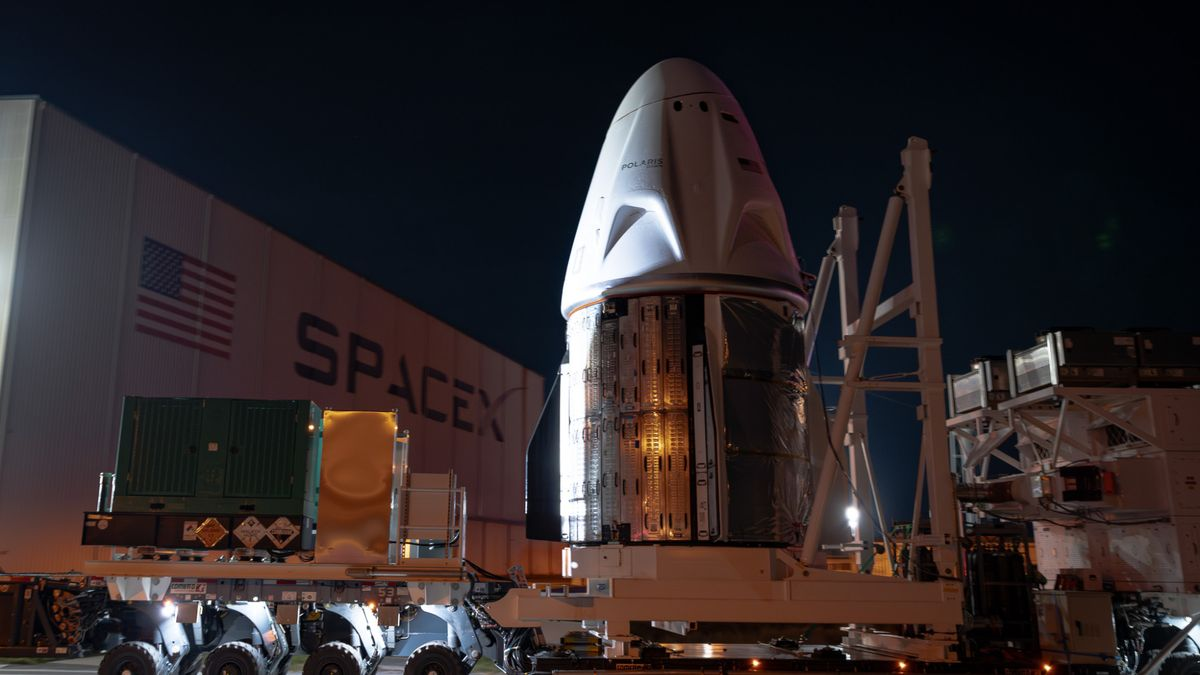
SpaceX Postpones Historic Private Spacewalk Mission Due to Weather

SpaceX has delayed its ambitious Polaris Dawn mission, which aimed to achieve the first-ever spacewalk by private citizens. Originally set to launch from NASA’s space center in Florida early Wednesday, the mission was postponed due to an “unfavorable weather forecast” in the planned splashdown areas. The delay follows a previous cancellation on Tuesday caused by a helium leak affecting the rocket’s connection line.

Polaris Dawn, spearheaded by fintech billionaire Jared Isaacman, was intended to feature an all-civilian crew, including Isaacman, retired US Air Force pilot Scott Poteet, and SpaceX engineers Anna Menon and Sarah Gillis. Isaacman, who previously financed SpaceX’s Inspiration4 mission in 2021, has not disclosed the total investment for this venture.

The mission will use a SpaceX Dragon capsule launched by a Falcon 9 rocket, targeting altitudes up to 1,400 km (870 miles) — the highest ever for a crewed mission since NASA’s Apollo program. The crew is scheduled to spend six days in space, with a planned spacewalk on the third day, involving Isaacman and Gillis exiting the spacecraft in upgraded SpaceX spacesuits.

During the mission, they plan to conduct experiments, including testing communications with Starlink satellites and observing the Van Allen radiation belt. The exact timing of the rescheduled launch remains unclear.
 

4-Year-Old Accidentally Breaks Bronze Age Jar at Israeli Museum

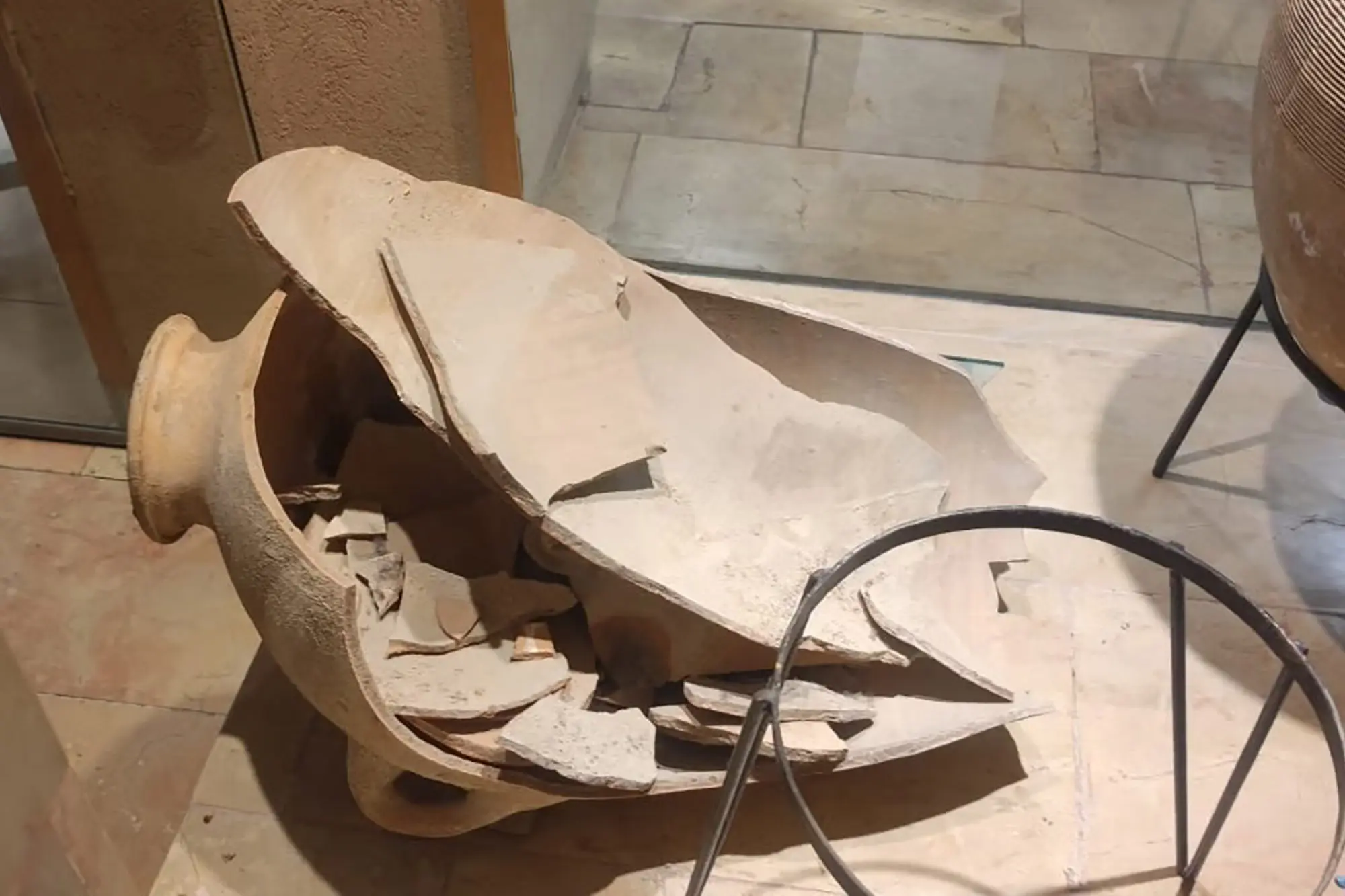
A 4-year-old boy accidentally shattered a Bronze Age jar at the Hecht Museum in Haifa, Israel, drawing attention to the museum’s policy on artifact display. The jar, believed to be between 3,500 and 4,000 years old, was on display without protective glass near the museum’s entrance when the incident occurred.

According to the Hecht Museum, which was founded by Reuben Hecht, displaying artifacts without glass is intended to enhance the public’s experience by allowing closer interaction with historical objects. The museum defended this practice, stating that it aligns with their philosophy of making artifacts accessible to visitors. Despite the mishap, the museum plans to continue this approach.

The child’s father explained that his son, curious about the contents of the jar, inadvertently caused it to fall and break during a visit last Friday. The father was initially shocked and did not immediately realize that his son was responsible for the damage.

The jar, which dates from between 2200 BC and 1500 BC, was used historically for storing liquids such as wine or olive oil. Its intact condition prior to the incident made it a significant find, as many similar artifacts discovered in the past were either broken or incomplete.

Museum head Inbal Rivlin invited the boy and his mother back for a private tour, emphasizing that the museum remains a welcoming place for families. She reassured the public that such incidents are part of the museum’s dynamic environment and that the broken jar will be restored and put back on display. New signage has been introduced to guide visitors on which items are touchable.

The Hecht Museum, located at the University of Haifa and opened in 1984, houses artifacts from various historical periods, including the Chalcolithic era. Restoration experts are now working to repair the jar using photographs and other documentation. The museum sees the restoration process as an educational opportunity to highlight the value of preserving historical artifacts.

Oil Leak Threatens Red Sea After Houthi Attack on Greek Tanker

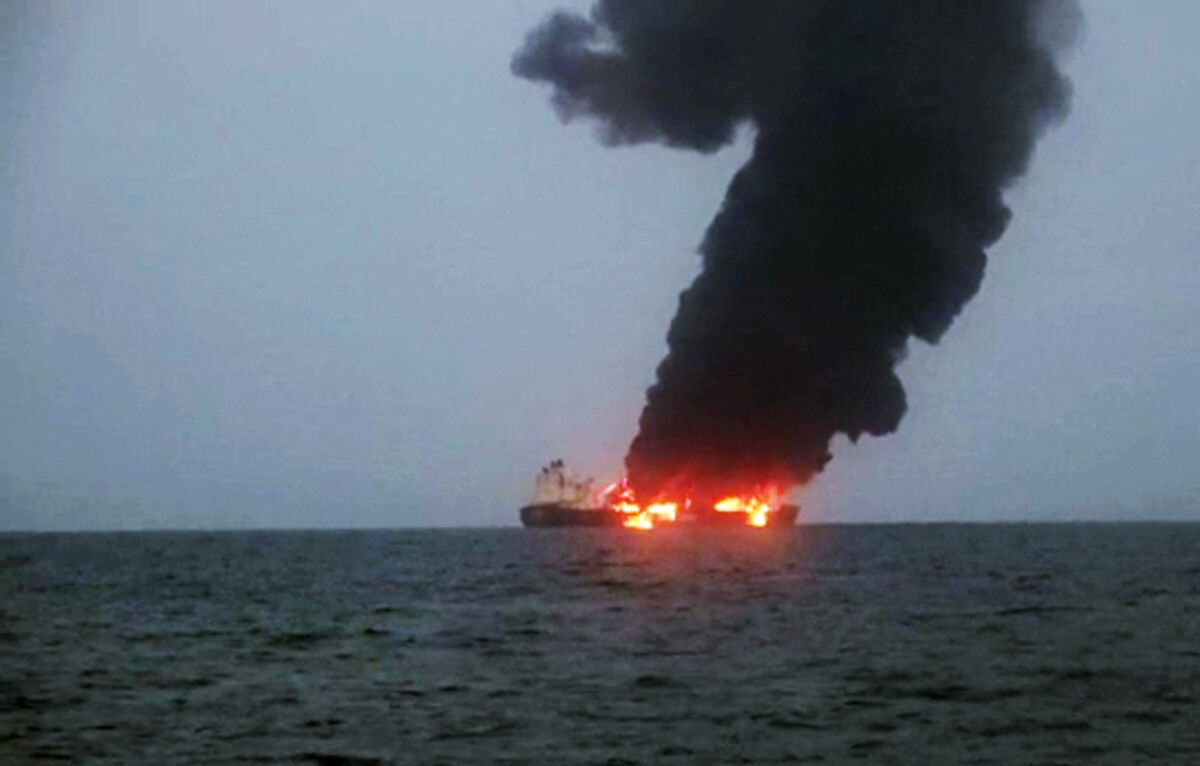
The Pentagon has confirmed that the Greek-flagged oil tanker Sounion, attacked by Yemen‘s Houthi rebels last week, is now leaking oil. The Sounion, carrying approximately 1 million barrels of crude oil, was targeted with multiple projectiles off the Yemeni port city of Hodeidah. The Houthis, who control Yemen‘s most populous regions, claim the attack was in solidarity with Palestinians in the ongoing conflict between Israel and Hamas.

The Pentagon spokesman, Air Force Major General Patrick Ryder, stated that the Houthis have threatened to attack any vessels attempting to salvage the Sounion, which is still on fire. He condemned the attack as a “reckless act of terrorism” that destabilizes global and regional commerce, endangers innocent mariners, and threatens the delicate maritime ecosystem of the Red Sea and Gulf of Aden.

The US military is working with regional partners to determine how to assist the vessel and mitigate the potential environmental impact. The Houthis have sunk two ships and killed at least three crew members in their 10-month campaign, which has forced vessel owners to avoid the Suez Canal shortcut, significantly disrupting global ocean shipping.

The Houthis specifically cited Delta Tankers, the Sounion‘s operator, for violating their ban on entering “occupied Palestine” ports. This attack marks the third vessel operated by Delta Tankers to be targeted in the Red Sea this month.

The potential for a major oil spill in the Red Sea raises serious environmental concerns. The largest recorded ship-source oil spill occurred in 1979, when approximately 287,000 metric tons of oil leaked from the Atlantic Empress after a collision in the Caribbean Sea.