
Widespread Protests Erupt Across Israel Following the Killing of Hostages in Gaza, Calls for Ceasefire Intensify

In response to the tragic killing of six hostages held by Hamas in Gaza, widespread protests have erupted across Israel, with hundreds of thousands of citizens demanding stronger actions from Prime Minister Benjamin Netanyahu to secure the release of the remaining hostages. The Israeli public is increasingly frustrated by the government’s inability to negotiate a ceasefire deal with Hamas, which could potentially secure the freedom of around 101 remaining captives. The demonstrations, which have taken place in cities such as Jerusalem and Tel Aviv, are some of the largest seen in recent months, with estimates suggesting up to 500,000 people took to the streets.

Protesters are calling for Netanyahu to take responsibility for the deaths and work towards ending the nearly 11-month war with Gaza. Many have accused the Prime Minister of prolonging the conflict, leading to the deaths of the hostages and further destruction in Gaza. Despite Netanyahu’s vow to bring justice to those responsible for the killings, his leadership is facing intense scrutiny.

In conjunction with the protests, labor leaders have called for a general strike to take place, signaling growing discontent across various sectors of Israeli society. Ben Gurion Airport, the country’s primary international hub, is expected to be affected by the strike, as workers aim to pressure the government into reaching a ceasefire agreement with Hamas.

Picture background

The bodies of the six hostages, identified as Carmel Gat, Hersh Goldberg-Polin, Eden Yerushalmi, Alexander Lobanov, Almog Sarusi, and Ori Danino, were recovered by the Israeli military from a tunnel in Rafah, Gaza. The Israeli health ministry confirmed they had been executed by Hamas militants just days prior to their recovery. This news has only heightened the call for immediate action from the Israeli government.

Meanwhile, in Gaza, the humanitarian crisis continues to deepen as Israeli airstrikes target Hamas strongholds. Amid the violence, a temporary pause in the fighting has been agreed upon to facilitate a polio vaccination campaign for the war-torn region’s children, highlighting the ongoing public health challenges in the territory.

As the conflict escalates, international attention remains focused on securing a ceasefire, with U.S. President Joe Biden expressing both outrage and determination to hold Hamas accountable for the hostages’ deaths. Despite diplomatic efforts led by the U.S., Qatar, and Egypt, negotiations for a comprehensive ceasefire remain stalled due to unresolved disputes between the parties.

The protests in Israel underscore the growing divide between the government and its citizens, many of whom believe that the cost of the ongoing conflict, in both human lives and societal strain, is too high. With calls for change growing louder, the coming days may prove pivotal for Israel’s leadership and its future course in this long-standing conflict.

China and Philippines Blame Each Other for Vessel Collisions in Disputed South China Sea

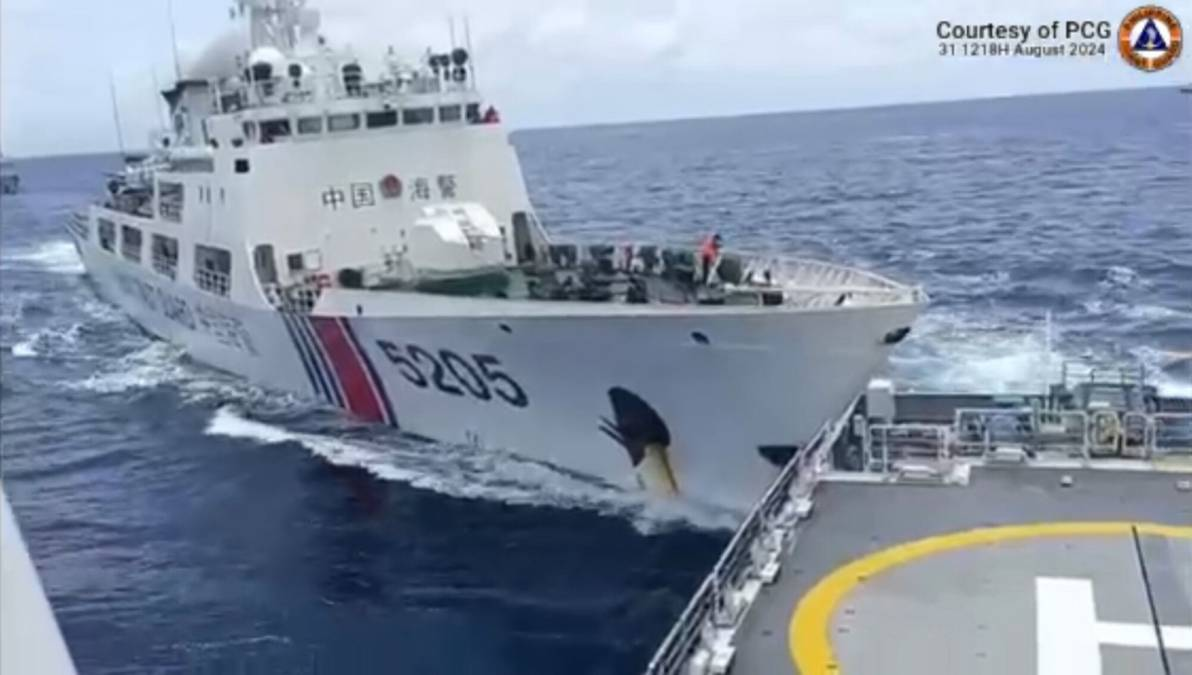
Tensions flared in the South China Sea on Saturday as China and the Philippines blamed each other for a series of collisions between their coast guard vessels near the disputed Sabina Shoal. According to the Chinese Coast Guard, a Philippine vessel “deliberately collided” with one of its ships during a routine law enforcement mission. In contrast, the Philippine Coast Guard accused China of intentionally ramming their ship without provocation.

This confrontation is the latest in a series of escalating incidents over the contested waters. Sabina Shoal, located just 86 miles off the Philippines’ coast but over 700 miles from China, has become a flashpoint for territorial disputes. Despite international rulings rejecting China’s extensive claims over the South China Sea, Beijing continues to assert dominance in the region.

The US State Department condemned China’s actions, accusing it of repeatedly disrupting lawful Philippine operations and urged compliance with international law to avoid further destabilization. The incident highlights ongoing geopolitical friction in the South China Sea, just weeks after Beijing and Manila agreed on measures to temporarily reduce tensions in another nearby area.

Ukrainian F-16 Destroyed in Russian Attack; Pilot Killed

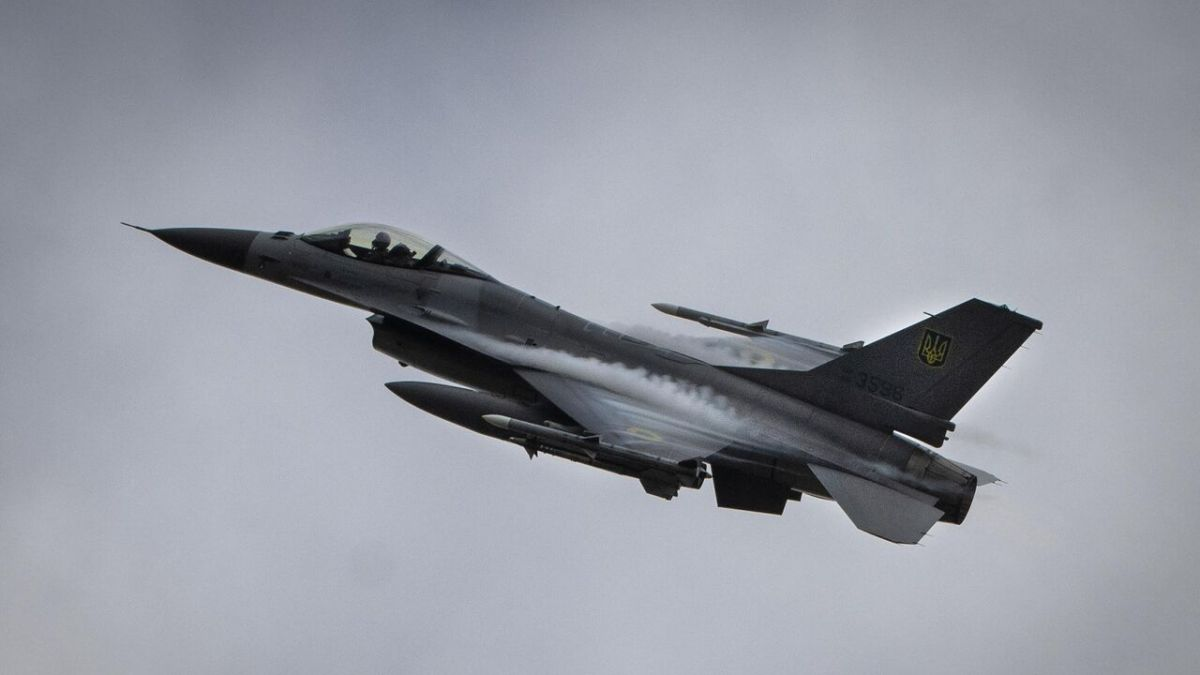
A Ukrainian F-16 fighter jet, recently supplied by NATO allies, was destroyed during a Russian missile barrage on Monday,. The crash resulted in the death of pilot Oleksiy Mes and marks the first loss of an F-16 since these aircraft were delivered earlier this month.

The Ukrainian military has clarified that the crash was not caused by a direct enemy missile strike. Instead, the pilot is credited with intercepting three cruise missiles and one drone during what is reported as Russia’s largest aerial assault to date. The Ukrainian Air Force honored Mes in a statement, acknowledging his sacrifice in protecting Ukrainian lives.

While the specific type of aircraft involved was not initially disclosed. Ukrainian President Volodymyr Zelensky confirmed the deployment of the US-made F-16s on Tuesday, emphasizing their role in countering Russian drones and missiles.

In a recent development, Dutch Chief of Defence Gen. Onno Eichelsheim announced that the Netherlands will provide Ukraine with 24 additional F-16s, alongside more weaponry, with no restrictions on their use beyond compliance with humanitarian law. This means Ukraine could potentially use these jets for deeper strikes into Russian territory.

Since August 2023, when US President Joe Biden authorized the transfer, approximately 65 F-16s have been pledged by NATO countries to Ukraine. These aircraft are working in conjunction with Western-supplied surface-to-air missile systems like Patriot and Nasams, enhancing Ukraine’s defense capabilities against Russian glide bombs and precision munitions.

The loss of the F-16 is a setback for Ukraine, as President Zelensky prepares to present a “victory plan” to US President Joe Biden next month. In addition, Zelensky recently disclosed the successful test of a domestically-produced ballistic missile, although further details remain confidential.