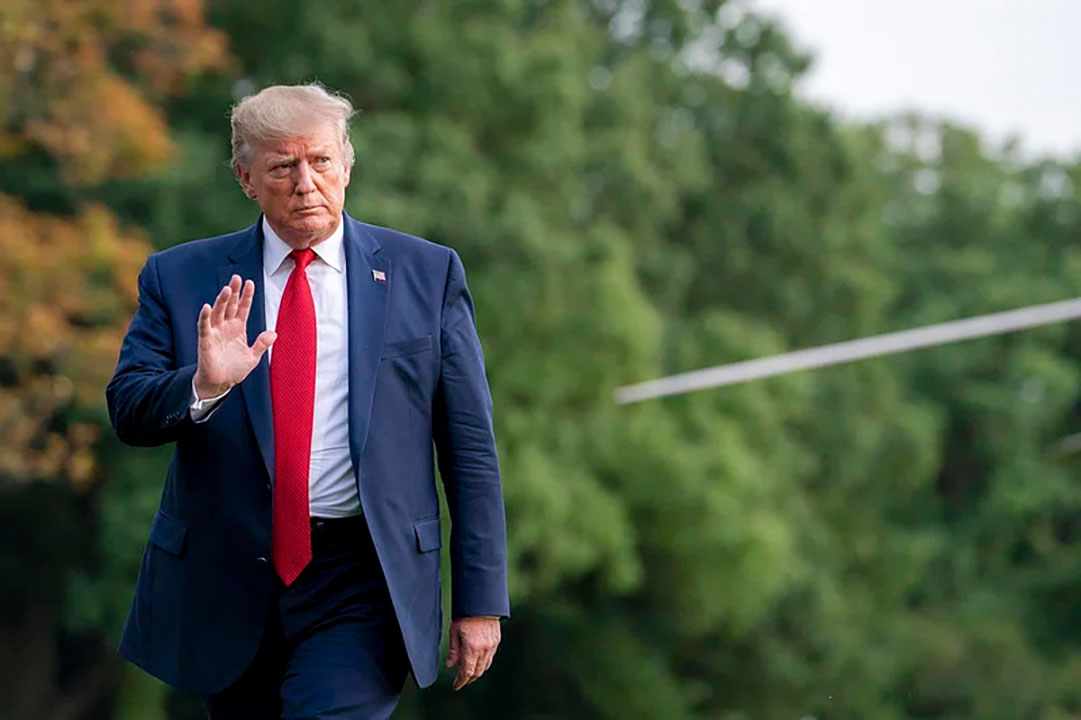
Donald Trump Introduces World Liberty Financial Crypto Venture with Limited Information
Trump Incorporates Cryptocurrency into His Re-Election Campaign Strategy Devamını Oku

Trump Incorporates Cryptocurrency into His Re-Election Campaign Strategy Devamını Oku
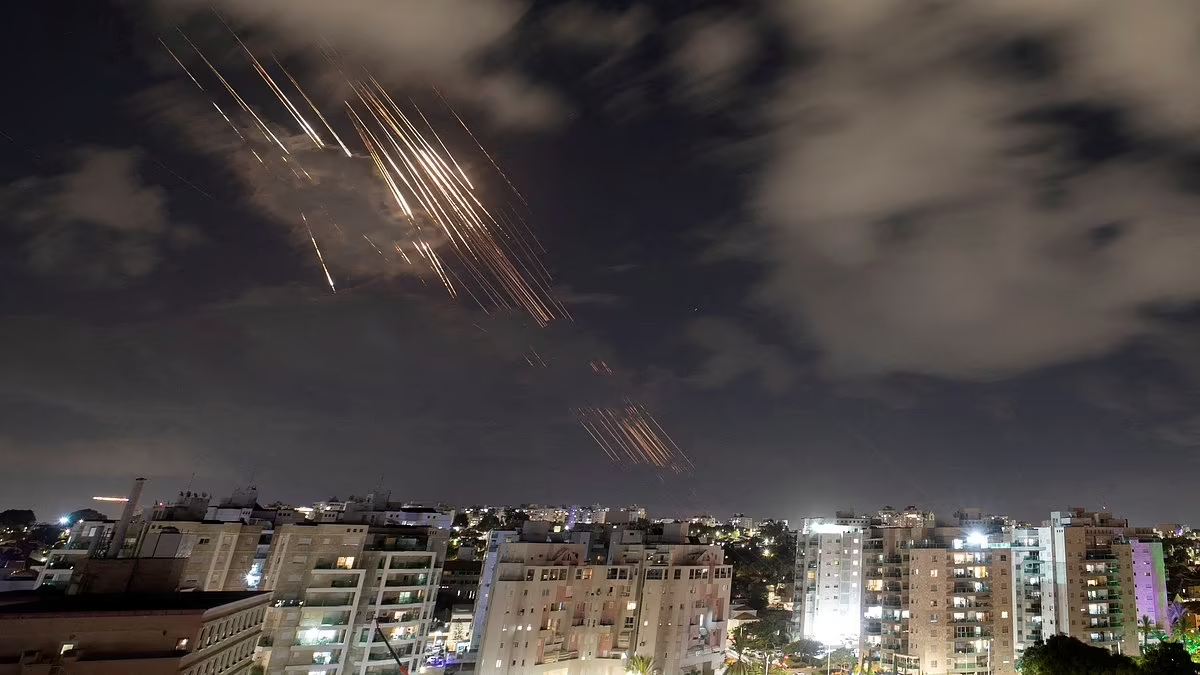
Iran has announced that its recent assault on Israel is over, following a series of missile strikes targeting Israeli military facilities. This attack, described by Iranian officials as a response to Israeli actions against Hezbollah and other militant leaders, reportedly involved more than 180 ballistic missiles aimed at three Israeli military bases. Iranian Foreign Minister Abbas Araqchi stated that any further Israeli provocations would lead to a stronger Iranian response.
The situation remains tense, as Israeli officials have vowed to retaliate significantly in the coming days, potentially targeting Iranian oil production facilities and other strategic sites. Prime Minister Benjamin Netanyahu warned that Iran would face consequences for what he termed a “big mistake.”
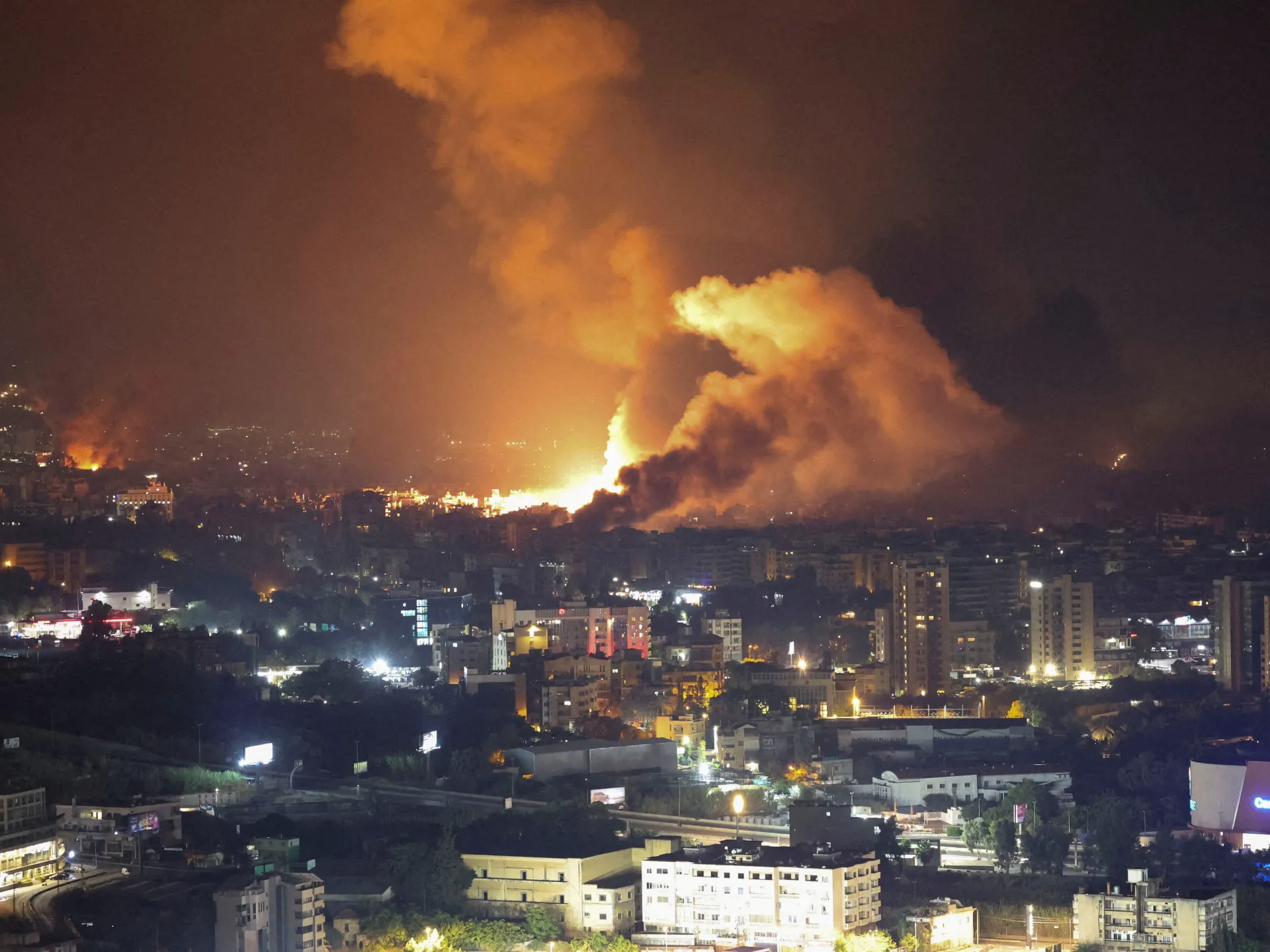
Despite calls for a ceasefire from the United Nations, the United States, and the European Union, clashes between Israel and Hezbollah continue. Israel has resumed airstrikes on Hezbollah strongholds in Beirut’s southern suburbs, conducting at least a dozen bombings while issuing evacuation orders for the area. Large plumes of smoke were visible as Israeli forces targeted locations believed to house Hezbollah assets. In retaliation, Hezbollah claimed to have confronted Israeli forces attempting to infiltrate the Lebanese town of Adaisseh.
The escalation of violence follows weeks of conflict, including Israel’s recent ground operations in Lebanon and ongoing hostilities in the Gaza Strip. U.S. Secretary of Defense Lloyd Austin confirmed that the U.S. was prepared to defend its interests in the region and that American naval forces had intercepted some of the missiles fired from Iran. The Pentagon noted that Iran’s missile assault was significantly larger than previous attacks, including an earlier strike in April.
Israeli military officials stated that most of the missiles launched by Iran were intercepted by Israeli air defenses and a coalition led by the United States. However, the use of hypersonic Fattah missiles by Iranian forces marked a dangerous escalation, with reports indicating that 90% of the missiles successfully hit their targets in Israel.
As fears mount that Iran and the U.S. could become embroiled in a broader regional conflict, President Joe Biden reaffirmed U.S. support for Israel, labeling the Iranian attack as “ineffective.” Vice President Kamala Harris echoed this sentiment, stating that the U.S. would not hesitate to act against Iran if necessary. Israel’s U.N. Ambassador, Danny Danon, promised a painful response to Iran’s actions.
In response to the ongoing situation, French President Emmanuel Macron condemned Iran’s attacks and announced the mobilization of French military resources in the Middle East. The United Nations Security Council convened to discuss the escalating conflict, while the European Union urged an immediate ceasefire. In South Korea, President Yoon Suk Yeol convened national security advisors to address potential impacts on energy supply due to the conflict.
The humanitarian toll has been severe, with nearly 1,900 casualties and over 9,000 injuries reported in Lebanon in the past year of conflict, most of which have occurred in the last two weeks.
Israel initiated a ground invasion of Lebanon early Tuesday, conducting “limited, localized, and targeted” raids against Hezbollah positions near the border. The Israeli military stated these raids were aimed at Hezbollah forces that posed an “immediate threat” to northern Israeli communities. Supported by air force and artillery strikes, Israeli ground troops targeted southern Lebanese villages close to the border.
Heavy shelling and the presence of helicopters and drones were reported in the border towns of Aita al-Shaab and Rmeish, with flares lighting up the night sky. Local residents confirmed the intensity of the strikes. This invasion marks a significant escalation in the ongoing conflict between Israel and Iran-backed Hezbollah, with broader implications for the Middle East.
Israeli Defense Minister Yoav Gallant had earlier indicated the start of a new phase in the conflict along Lebanon’s southern border, aimed at restoring security to Israeli citizens displaced by nearly a year of Hezbollah rocket attacks. This conflict was initially triggered by an assault on Israel by Hamas on October 7, 2023, which has since drawn in Hezbollah and risks involving both the U.S. and Iran.
Strikes Expand Beyond Hezbollah The Israeli military also carried out a strike targeting Mounir Maqdah, commander of the Al-Aqsa Martyrs Brigade, in the Ain al-Hilweh Palestinian refugee camp. This was the first strike on the camp since hostilities began between Hezbollah and Israel nearly a year ago. The attack, which struck a building in the camp, left Maqdah’s fate unknown.
Meanwhile, in Syria, an Israeli airstrike killed three civilians in the capital Damascus, marking Israel’s intensified air raids on Iranian-linked targets in the region.
Death Toll Mounts As of Tuesday, Israeli airstrikes in Lebanon have killed approximately 1,000 civilians and forced one million people to flee, according to Lebanese government figures. Recent strikes have also targeted Beirut’s southern suburbs, killing 95 people and injuring 172 others within the past 24 hours, according to Lebanon’s health ministry.
Hezbollah has continued its rocket attacks, firing as deep as 150 km into Israeli territory. The group’s deputy leader, Naim Qassem, stated that Hezbollah forces are prepared for ground engagement and vowed to prevail, referencing their victory in the 2006 conflict.
U.S. Response and Ceasefire Proposals While the White House has yet to officially respond to Israel’s ground invasion, U.S. President Joe Biden called for a ceasefire on Monday, expressing concern over the intensifying conflict. Last week, Israel rejected a ceasefire proposal from the U.S. and France that aimed to provide a 21-day pause for diplomatic negotiations and to allow displaced civilians to return home.