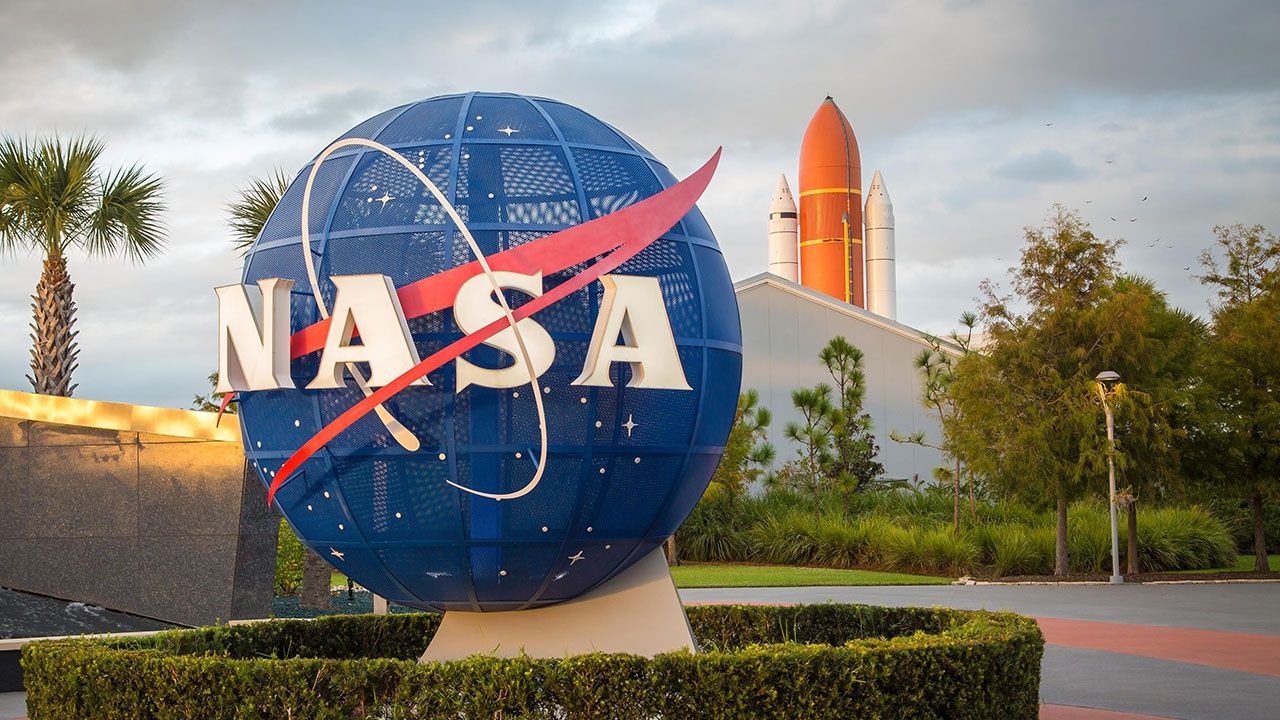
Trump’s NASA Nominee Jared Isaacman: A Boost for SpaceX, Political Challenges Ahead

U.S. President-elect Donald Trump has chosen Jared Isaacman, a private astronaut and CEO of Shift4 Payments, as the nominee to lead NASA. Isaacman, a close ally of SpaceX and a prominent figure in commercial spaceflight, represents a bold shift toward privatized space exploration but will likely face significant political hurdles as NASA administrator.

Isaacman has participated in two historic SpaceX missions, including the first privately funded spacewalk, and has championed a vision for a “thriving space economy.” In his acceptance, he pledged to push humanity toward becoming a true spacefaring civilization.

Challenges in Overhauling NASA

Isaacman’s leadership is expected to align with Trump’s cost-cutting agenda, emphasizing privatized spaceflight and trimming NASA’s reliance on traditional government-owned programs. Key targets for potential budget reductions include the $24 billion Space Launch System (SLS) rocket and the lunar Gateway space station, which are over budget and delayed.

Despite the focus on cutting costs, Isaacman will need to navigate political resistance, especially from lawmakers keen to preserve NASA’s more expensive, contractor-driven programs. These include partnerships with legacy aerospace giants like Boeing and Lockheed Martin, which involve a large, nationwide workforce.

Isaacman’s approach is likely to favor private-sector solutions like SpaceX’s reusable rockets, which have already demonstrated cost savings and operational efficiency. SpaceX’s Crew Dragon capsules, for example, provide a cheaper alternative for transporting astronauts to the International Space Station, bolstering NASA’s commercial partnerships.

Support and Criticism

Elon Musk, CEO of SpaceX, has been a vocal supporter of Isaacman, describing him as a man of “high ability and integrity.” Musk reportedly recommended Isaacman to Trump, seeing him as someone capable of pushing NASA toward privatized, faster-paced space exploration.

Jim Bridenstine, Trump’s first NASA administrator, praised Isaacman’s nomination, highlighting his successful private-sector track record and vision for exploration. However, Isaacman’s nomination has also drawn skepticism from industry stakeholders, such as Allen Cutler, CEO of the Coalition for Deep Space Exploration, who raised concerns about budget limitations and workforce impacts under Isaacman’s leadership.

NASA’s Future Under Trump and Isaacman

If confirmed by the Senate, Isaacman will inherit ongoing challenges with NASA’s Artemis program, which aims to return astronauts to the moon. The program has faced cost overruns and delays, pushing its first crewed lunar landing to 2027. SpaceX’s Starship rocket is expected to play a central role in these missions, further embedding NASA’s reliance on commercial partnerships.

Bill Nelson, NASA’s current administrator, expressed optimism about Isaacman’s nomination and the potential collaboration between Trump’s administration and Elon Musk to secure NASA funding. “The relationship between Musk and the president-elect is going to be a benefit,” Nelson said.

While Isaacman’s commercial focus could transform NASA’s operational model, balancing political and economic pressures will be critical to achieving his vision for a more privatized, spacefaring future.

NASA Satellites Show Decline in Freshwater Reserves Amid Ongoing Global Droughts and Warming

NASA Satellites Reveal Alarming Decline in Freshwater Reserves Amid Global Climate Challenges

Data from NASA’s Gravity Recovery and Climate Experiment (GRACE) satellites has revealed a concerning trend: Earth’s freshwater supplies have been significantly declining since May 2014. Published in Surveys in Geophysics, the findings show a marked shift in global water availability, underscoring the impact of prolonged droughts and rising temperatures. The research, conducted by an international team of scientists, highlights that freshwater reserves are persistently below average, indicating a drier phase for the planet that shows little sign of abating.

Global Freshwater Reserves Drop Significantly

The GRACE mission, a collaboration between NASA and German research institutions, tracked global freshwater reserves from 2015 to 2023, finding a reduction of approximately 1,200 cubic kilometers. To put this into perspective, this amount of water is about two-and-a-half times the volume of Lake Erie, one of the largest freshwater lakes in the world. The GRACE satellites measured not only surface water but also groundwater and other freshwater sources, providing a comprehensive view of the planet’s water reserves.

Impact of Drier Conditions on Water Availability

Matt Rodell, a hydrologist at NASA’s Goddard Space Flight Center, noted that the data points to a significant departure from the pre-2014 water availability averages. This shift is indicative of a continuing trend of global freshwater scarcity, exacerbated by ongoing climate change. As droughts become more frequent and intense, many regions are facing challenges in securing reliable water sources for both drinking and agricultural use.

Addressing the Freshwater Crisis

The ongoing decline in freshwater reserves presents a serious challenge for governments, industries, and communities around the world. While the GRACE satellite data offers crucial insight into the state of global water resources, it also underscores the urgent need for sustainable water management and climate change mitigation strategies. With global temperatures continuing to rise, the pressure on freshwater systems is expected to grow, making it more vital than ever to implement solutions that can help preserve and replenish these critical resources.

SpaceX to Deploy 23 Additional Starlink Satellites with Falcon 9 Launch from Florida

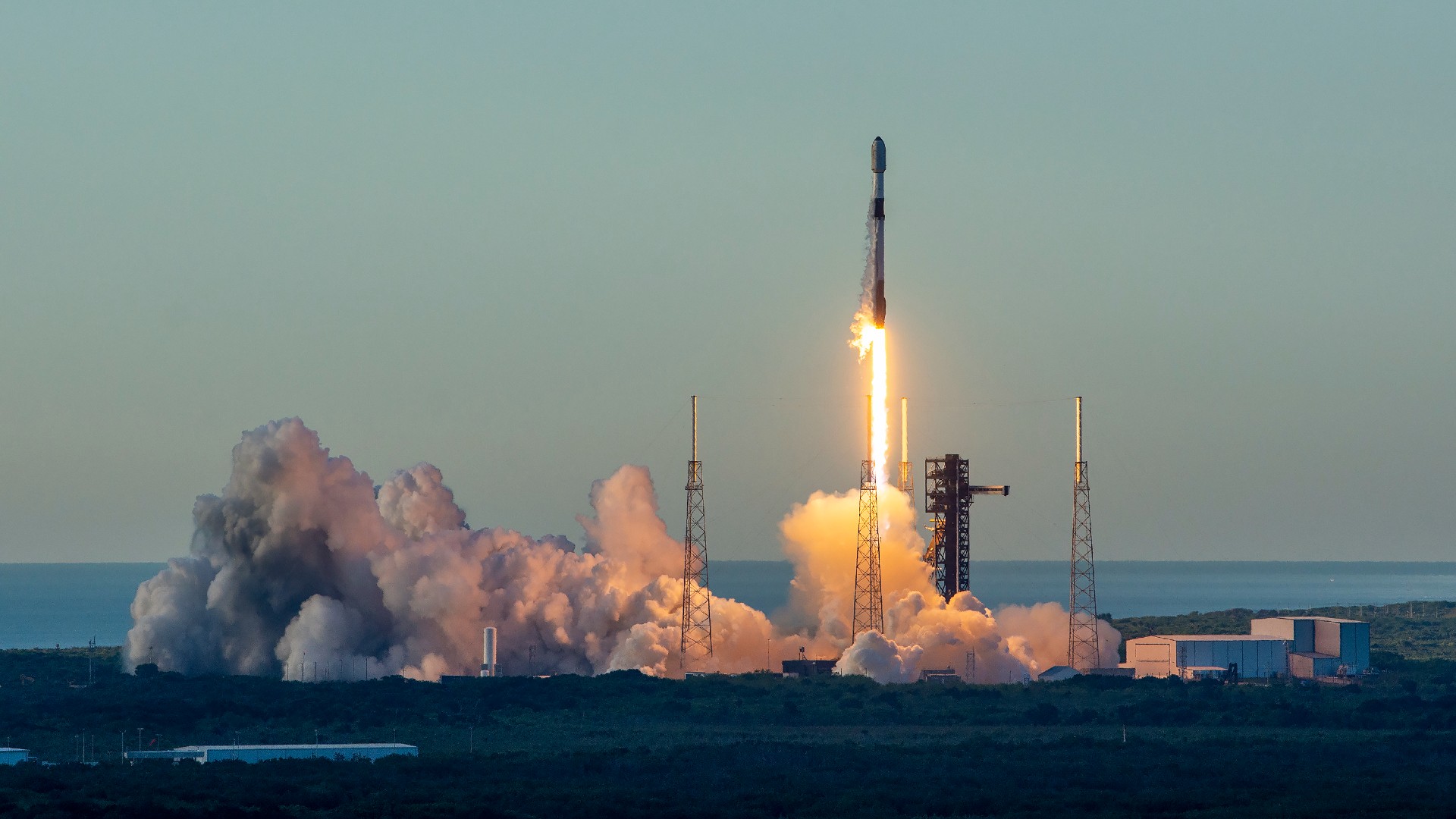
SpaceX is set to launch 23 additional Starlink satellites from Cape Canaveral Space Force Station in Florida. The liftoff of the Falcon 9 rocket is scheduled for 4:35 a.m. EST within a 3.5-hour launch window. This mission is part of SpaceX’s ongoing effort to expand its global Starlink network, which provides high-speed internet access to underserved regions. Among the satellites, 12 will feature direct-to-smartphone technology, offering a significant enhancement to the capabilities of the Starlink service.

The launch will be broadcast live by SpaceX on X, with coverage beginning approximately five minutes before the scheduled liftoff. If the launch proceeds as planned, the Falcon 9’s first stage will return to Earth about eight minutes after takeoff. The rocket will land on the droneship Just Read the Instructions, stationed in the Atlantic Ocean. This mission will be the 13th flight and successful landing for the booster, which has already completed six other Starlink missions, further proving the reusability of SpaceX’s rocket technology.

Following liftoff, the Falcon 9’s upper stage will continue its ascent, preparing to deploy the 23 satellites into low Earth orbit. The deployment is expected to take place approximately 65 minutes after launch. These new satellites will contribute to the rapid expansion of the Starlink constellation, which already boasts over 6,600 active satellites. This growing network is essential for SpaceX’s goal of providing fast, reliable internet coverage worldwide, including in remote and rural areas where traditional broadband infrastructure is lacking.

With each launch, SpaceX moves closer to achieving its ambitious goal of a global satellite internet network. The addition of these 23 satellites will enhance Starlink’s coverage and capacity, ensuring that more people around the world can access the internet, regardless of their location. As SpaceX continues to deploy more satellites, the Starlink constellation is poised to play a key role in bridging the digital divide and transforming the way we connect to the internet.