
Striking Drone Image of Sharks Hunting Fish Wins Royal Society Photography Prize

A breathtaking drone image capturing young sharks hunting fish in the shallow waters of the Maldives has won the top prize at this year’s Royal Society Publishing Photography Competition. The photograph, taken by Angela Albi, a postdoctoral researcher at the Max Planck Institute of Animal Behaviour in Germany, showcases the dramatic interaction between predator and prey. Albi collaborated with drone pilot August Paula to capture the image, which depicts a school of silverside fish being pursued by four young reef sharks.

The photo was taken during the early morning or late evening when the Maldives’ shallow waters offer crystal-clear visibility, providing the perfect conditions to witness the hunting behavior of the sharks. “Just after sunrise or before sundown, the shallow waters of the Maldives become a clear, see-through surface,” Albi explained, adding that these are the moments when shark-prey interactions are most visible.

The judges were impressed by the raw dynamics captured in the photograph. Hugh Turvey, a member of the competition’s judging panel, remarked that the image highlights “the raw instincts of nature,” with the school of fish moving in unison before splitting to evade the sharks.

Albi’s image won in the behavior category and was also named the overall winner of the competition. The contest features five categories: astronomy, behavior, Earth science and climatology, ecology and environmental science, and microimaging.

In the astronomy category, photographer Imran Sultan took an intricate shot of two nebulae in the Cassiopeia constellation, located over 7,000 light-years away. Meanwhile, David Garcia’s stunning photograph of a supraglacial melting lake in Greenland won the top award in the Earth science and climatology category, taken with an iPhone during a brief moment of light on his flight over the region.

In the microimaging category, “Tired eyes,” an image of the eyes of a bark scorpion, won first place. Photographer Jose Manuel Martinez Lopez captured the image by taking 110 photos of a dried specimen. Lastly, Peter Hudson’s photo of a secretary bird preparing to feast on a locust claimed the prize in the ecology and environmental science category.

A selection of the winning and runner-up images can be viewed in the competition’s online gallery.

NICE to Recommend Eli Lilly’s Obesity Drug Mounjaro for NHS Use

The UK’s National Institute for Health and Care Excellence (NICE) announced on Thursday that it plans to recommend Eli Lilly’s obesity drug Mounjaro for use through the National Health Service (NHS), potentially benefiting 220,000 patients over the next three years.

Previously available in the UK only through private, out-of-pocket purchases, Mounjaro, launched in February 2023, will now be prescribed alongside lifestyle changes like diet and exercise. The eligibility criteria include individuals with a body mass index (BMI) over 35 and at least one weight-related condition such as heart disease or type 2 diabetes.

Phased Rollout and Eligibility

Approximately 3.4 million people in England could qualify for the treatment under the stated guidelines. However, during the initial rollout, priority will be given to those with the highest clinical need. The drug will become accessible to NHS patients starting 90 days after NICE’s final guidance is published, scheduled for December 23, unless appeals are lodged. Patients who are part of specialist NHS weight management services will gain earlier access, while others may need to wait up to 180 days.

The phased rollout is essential to ensure that healthcare providers can continue addressing the broader range of patient needs, NICE stated.

Mounjaro’s Potential Impact

Mounjaro, part of the GLP-1 analogue drug class, was initially developed to manage blood sugar levels in type 2 diabetes patients but has shown remarkable efficacy in promoting weight loss. Clinical trials demonstrated an average weight loss of nearly 23%, making it one of the most effective options for obesity management.

This recommendation aligns with earlier guidelines issued by NICE for Novo Nordisk’s Wegovy in March 2023, which targets the same BMI threshold and weight-related conditions.

Addressing Britain’s Obesity Crisis

With nearly one in three adults in Britain classified as obese—the highest rate in Europe according to a 2019 OECD report—Mounjaro offers a new tool to address the nation’s obesity epidemic. The European Union’s obesity average stands at 16.5%, highlighting the urgent need for interventions in the UK.

Eli Lilly has welcomed NICE’s decision and acknowledged the necessity of a phased introduction, ensuring the drug is integrated effectively into the NHS system.

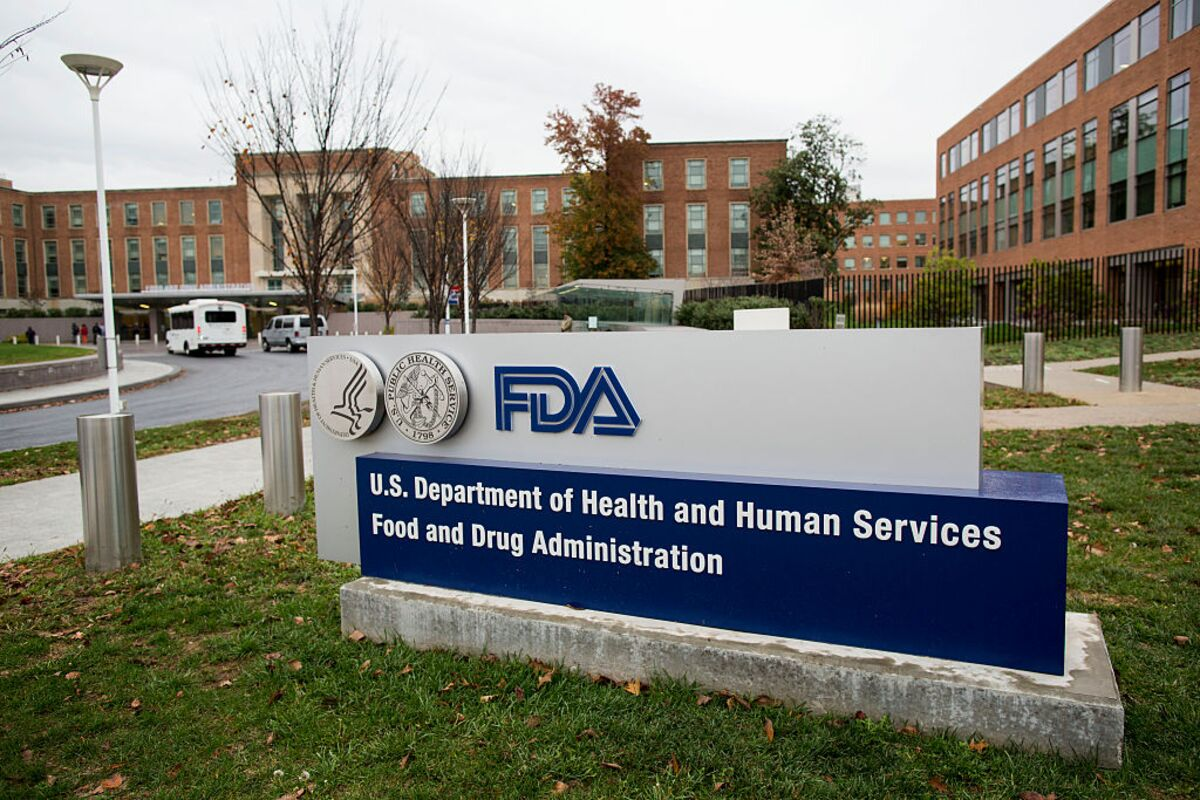
FDA Approves AstraZeneca’s Imfinzi for Limited-Stage Small Cell Lung Cancer

The U.S. Food and Drug Administration (FDA) has approved AstraZeneca’s immunotherapy drug Imfinzi (durvalumab) for treating certain adults with limited-stage small cell lung cancer (SCLC). The approval applies to patients whose disease has not worsened following chemotherapy and radiation therapy, the regulator announced on Wednesday.

Imfinzi, a human monoclonal antibody, functions by inhibiting cancer cells’ ability to evade the immune system. It also enhances the body’s natural anti-cancer response, providing a less toxic alternative to traditional chemotherapy.

Clinical Evidence and Significance

In a late-stage clinical trial, Imfinzi demonstrated a statistically significant improvement in overall survival compared to a placebo. This breakthrough offers hope for patients with limited-stage SCLC, a highly aggressive form of lung cancer known for its rapid progression and poor long-term prognosis. Only 15% to 30% of patients typically survive beyond five years following diagnosis.

Small cell lung cancer poses a significant challenge in oncology due to its recurrence and resistance to treatment. The approval of Imfinzi adds to the arsenal of targeted therapies aimed at improving survival rates for this difficult-to-treat condition.

Broader Use of Imfinzi

Imfinzi is already approved for treating multiple cancer types, including extensive-stage small cell lung cancer, bile duct cancer, and non-small cell lung cancer. Its latest approval for limited-stage SCLC underscores its expanding role in oncology and AstraZeneca’s commitment to advancing cancer treatment.

This milestone reflects a broader shift in cancer care, emphasizing immunotherapy’s potential to transform survival outcomes for patients with challenging diseases.