UK Acquires Over 5 Million H5 Influenza Vaccine Doses for Pandemic Preparedness

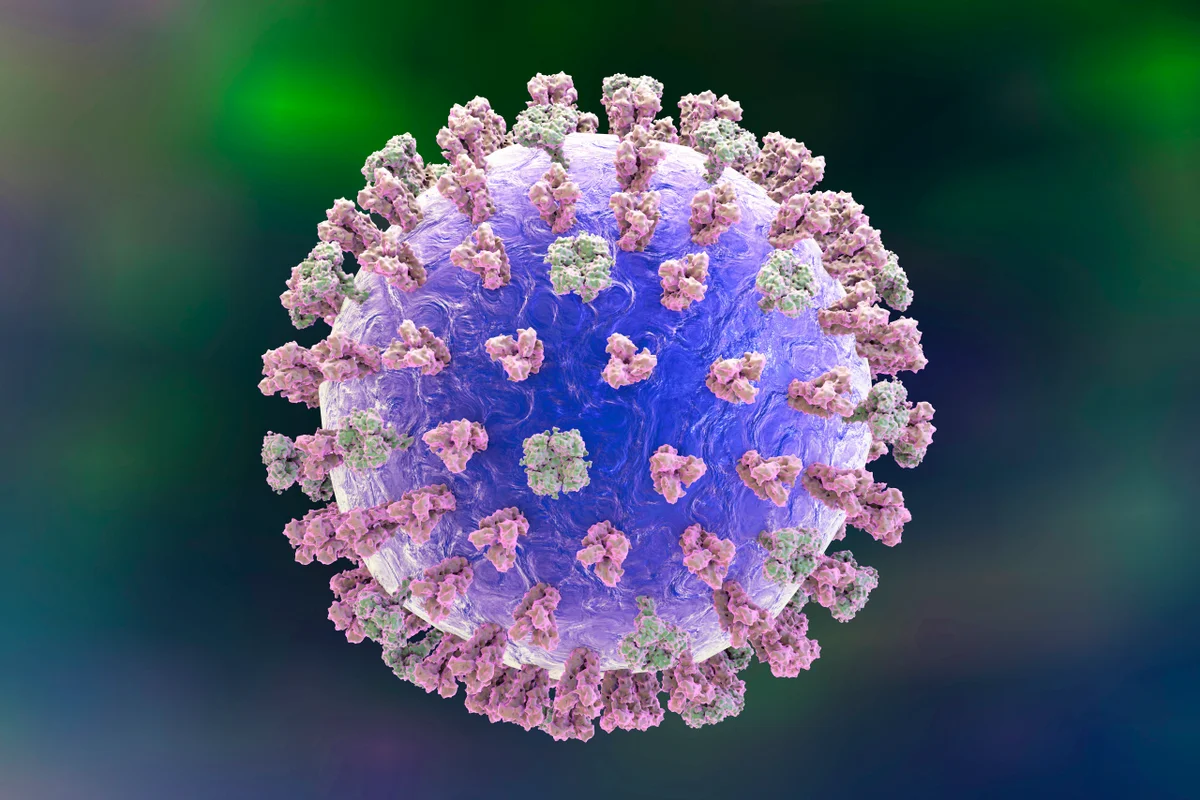
The UK Health Security Agency (UKHSA) announced on Tuesday the acquisition of over five million doses of the human H5 influenza vaccine as a precautionary measure against a potential influenza pandemic.

Key Points

  • Purpose: The vaccine is intended for deployment only if the H5 influenza virus demonstrates sustained human-to-human transmission.
  • Manufacturer: The vaccine will be produced by CSL Seqirus UK Ltd, a healthcare company specializing in influenza prevention and pandemic preparedness.
  • Current Risk Assessment: UKHSA emphasized that there is no evidence of human-to-human transmission of the H5 influenza virus at present.

Broader Context

The H5 influenza virus, a subtype of avian influenza, has been closely monitored due to its potential to mutate and pose a significant public health risk. While the virus primarily affects birds, sporadic cases in humans have raised concerns about its pandemic potential.

The UK’s proactive move reflects its commitment to bolstering national health security and readiness against emerging infectious diseases.


Nasa Unveils AI-Driven Computational Tools to Enhance Scientific Research at SC24 Conference

At the Supercomputing Conference SC24, NASA’s Associate Administrator for the Science Mission Directorate, Nicola Fox, introduced groundbreaking new computational tools designed to push the boundaries of space science. NASA is focusing on integrating artificial intelligence (AI) and large language models into its science divisions, with specialized foundation models for fields including Earth science, heliophysics, astrophysics, planetary science, and biological and physical sciences. One of the key examples presented was a heliophysics foundation model that leverages extensive data from NASA’s Solar Dynamics Observatory, enabling the prediction of solar wind events and the tracking of sunspot activity.

Expanding the Horizons of Space Computing

Fox highlighted the rapid evolution of space computing, drawing a direct line from NASA’s early missions to today’s advanced capabilities. She reflected on the Voyager spacecraft, which were launched in the 1970s and became icons of early space exploration. Despite using basic semiconductor memory, the Voyager missions delivered groundbreaking discoveries, such as identifying Jupiter’s faint ring and adding new moons to Saturn’s known count. These early missions, while technologically modest by today’s standards, demonstrated the potential for future advancements in computational science, laying the groundwork for more sophisticated research tools.

Leveraging Big Data in Modern Space Missions

As space exploration has advanced, so too have the demands for data storage and processing. NASA’s computational infrastructure now handles over 140 petabytes of data, a staggering amount that allows the agency to make vast amounts of research accessible to the global scientific community. Fox emphasized the importance of NASA’s open science policies, which ensure that this data is shared with researchers around the world, fostering collaboration and accelerating scientific discovery. These data-sharing practices exemplify NASA’s commitment to global innovation, ensuring that its findings contribute to a broader understanding of the universe.

Future of AI and Space Science

Looking forward, NASA is poised to continue harnessing AI and advanced computational techniques to enhance its research efforts. The integration of large language models and AI-driven tools represents a leap forward in how the agency will process and analyze complex data sets, aiding in everything from solar wind predictions to understanding distant galaxies. These technological advancements not only promise to improve space exploration but also offer valuable lessons for AI applications in other scientific disciplines. As NASA continues to innovate at the intersection of space exploration and computational science, the future holds exciting possibilities for both discovery and collaboration on a global scale

Study Reveals Heart-Shaped Clams Use Fiber Optic Structures to Channel Sunlight

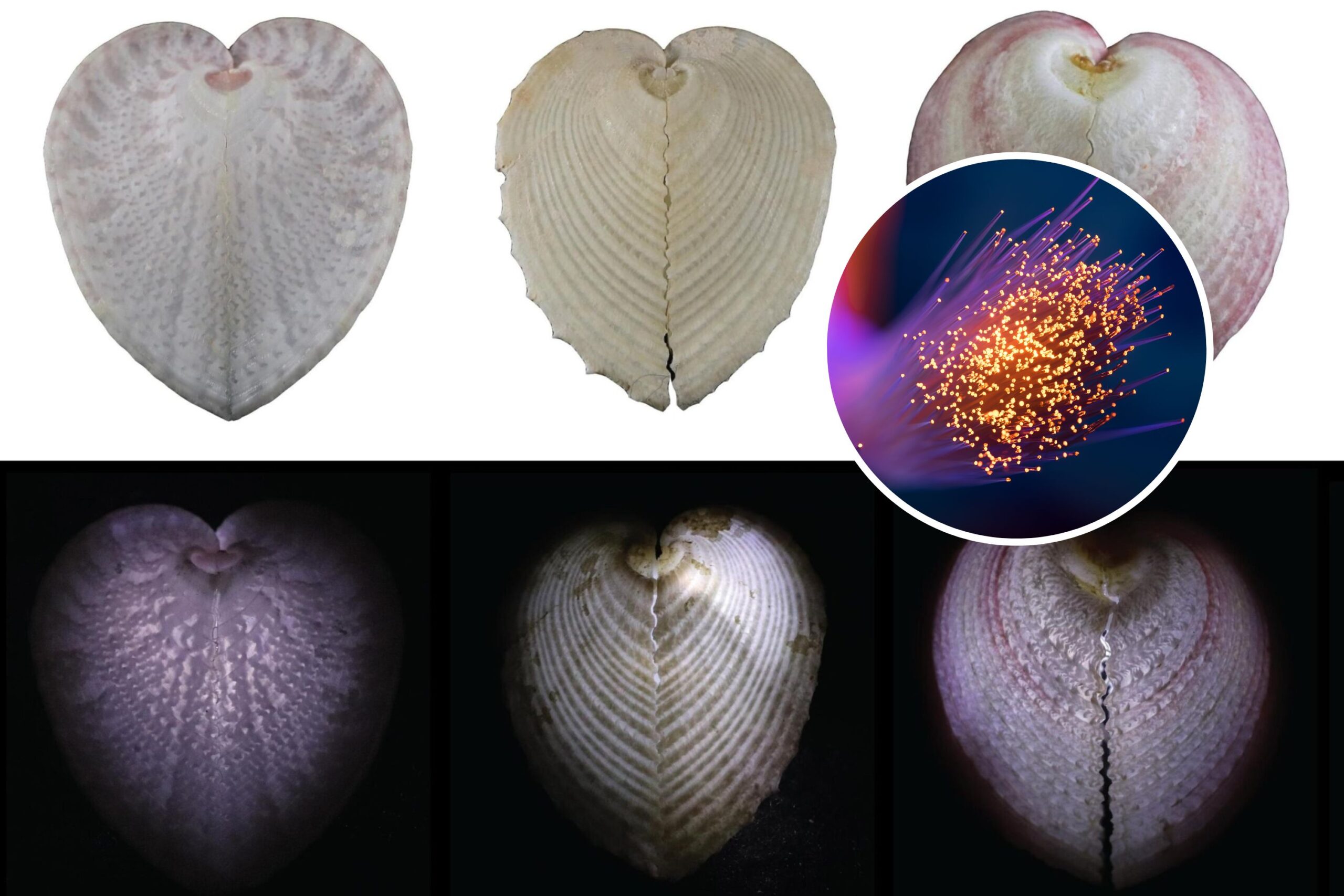
Researchers have uncovered an extraordinary biological adaptation in heart cockles (Corculum cardissa), a species of bivalve found in the Indian and Pacific Oceans. These clams have evolved specialized structures in their shells that function like fiber-optic cables, channeling sunlight to symbiotic algae living within their tissues. This unique ability not only ensures the algae receive the light they need for photosynthesis, but also shields them from harmful ultraviolet (UV) rays. In return, the algae provide the clams with vital nutrients, such as sugars, fostering a mutually beneficial relationship.

Channeling Light Through Shells

Heart cockles, which are roughly the size of a walnut, have shells marked by small, transparent areas. These areas have been found to operate like fiber-optic cables, guiding sunlight into the clam’s internal environment. The structure responsible for this remarkable ability is aragonite, a crystalline form of calcium carbonate found in the shells. Microscopic studies revealed that the aragonite crystals form tiny tubes that precisely channel light while blocking UV radiation. This clever adaptation enables the clams to protect their symbiotic algae from UV-induced damage, a common threat in shallow marine environments.

The Role of Photosynthesis in Symbiosis

Dakota McCoy, an evolutionary biophysicist from the University of Chicago, and her research team published their findings in Nature Communications. Their study demonstrated that heart cockle shells allow more than twice as much light beneficial to photosynthesis to penetrate compared to harmful UV light. This unique adaptation could play a significant role in protecting the algae from environmental stressors, such as rising ocean temperatures and UV radiation, which are exacerbated by climate change. The algae, in turn, provide the clams with essential nutrients that support their growth and survival.

Implications for Marine Ecosystems

The discovery of this fiber-optic-like system in heart cockles offers new insights into how marine organisms adapt to their environments. By protecting their symbiotic algae from UV radiation while ensuring they receive the light needed for photosynthesis, heart cockles may help prevent ecological issues like coral bleaching, which is increasingly linked to climate change. This adaptation not only showcases the intricate relationships between species but also highlights the resilience of certain marine life forms in the face of environmental challenges. As researchers continue to study these remarkable creatures, further discoveries may reveal even more about the complex strategies marine species use to survive in rapidly changing oceans.