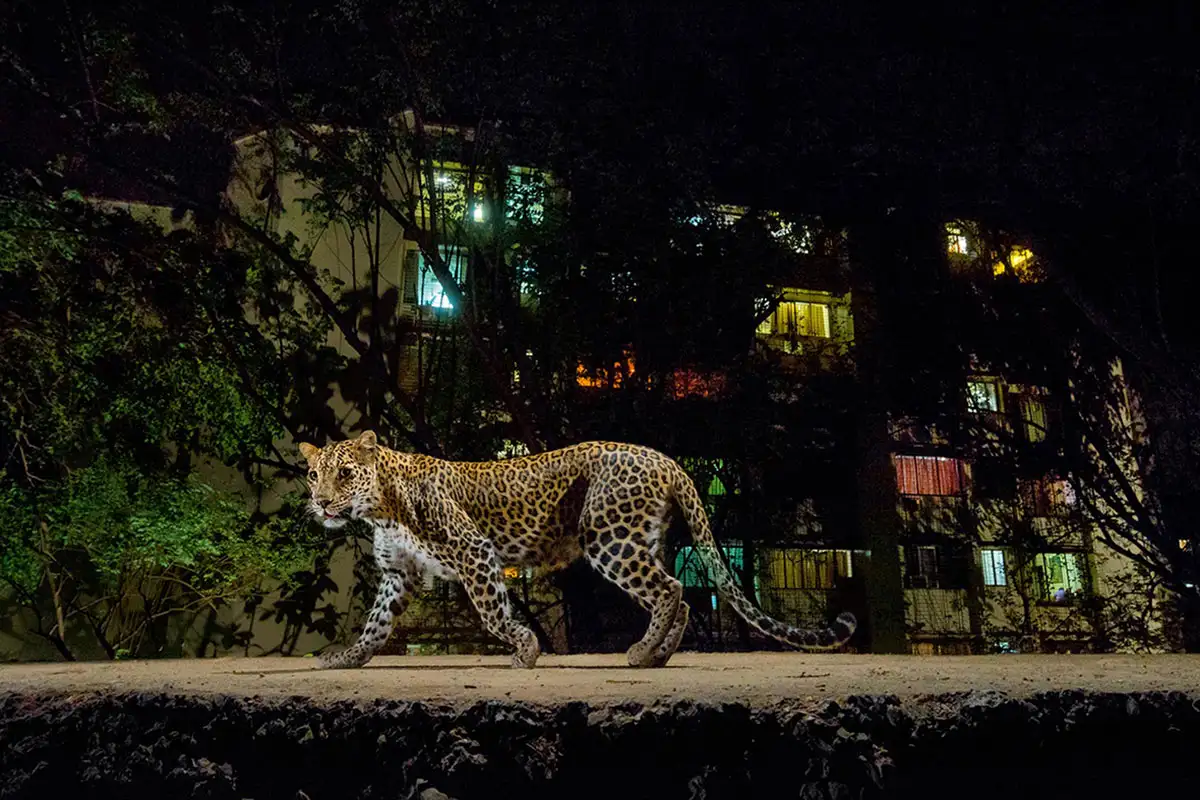
Study Reveals Human Activity Driving Mountain Lions in Los Angeles to Adopt Nocturnal Habits

Mountain lions in the Greater Los Angeles area are increasingly altering their natural activity patterns to avoid human interaction, according to a study published on November 15 in Biological Conservation. The research sheds light on how these elusive predators, also known as pumas or cougars, are adapting to the growing presence of human recreational activities such as hiking, jogging, and cycling in their habitats. This shift in behavior illustrates the challenges of wildlife coexisting with urban populations and raises important questions about the long-term impacts of human encroachment on natural ecosystems.

The study, conducted by Ellie Bolas, a doctoral researcher at the University of California, Davis, focused on the movement patterns of 22 GPS-collared mountain lions in the Santa Monica Mountains. By combining data from the collared lions with exercise activity data from Strava, a popular fitness app, the researchers were able to map how human activity overlapped with wildlife behaviors. The data, collected between 2011 and 2018, provided detailed insights into how mountain lions navigate a landscape increasingly shaped by human presence.

One of the key findings was a notable shift in the lions’ activity patterns in areas with high human activity. Typically most active during dawn and dusk, mountain lions in these regions began shifting their peak activity to nighttime hours. This change allows them to minimize encounters with humans while still fulfilling essential needs such as hunting and patrolling their territories. Such behavioral flexibility underscores the resilience of these predators, but it also highlights the pressure they face in adapting to an environment dominated by human activity.

These findings have significant implications for wildlife management and urban planning. As human recreational activities continue to expand into natural habitats, understanding how animals like mountain lions adapt can help inform policies that balance conservation with human interests. The study also serves as a reminder of the importance of preserving wildlife corridors and minimizing disruptions to natural ecosystems, ensuring that urban growth does not come at the expense of biodiversity.
Growing Space Traffic Demands Urgent Global Cooperation, Experts Warn

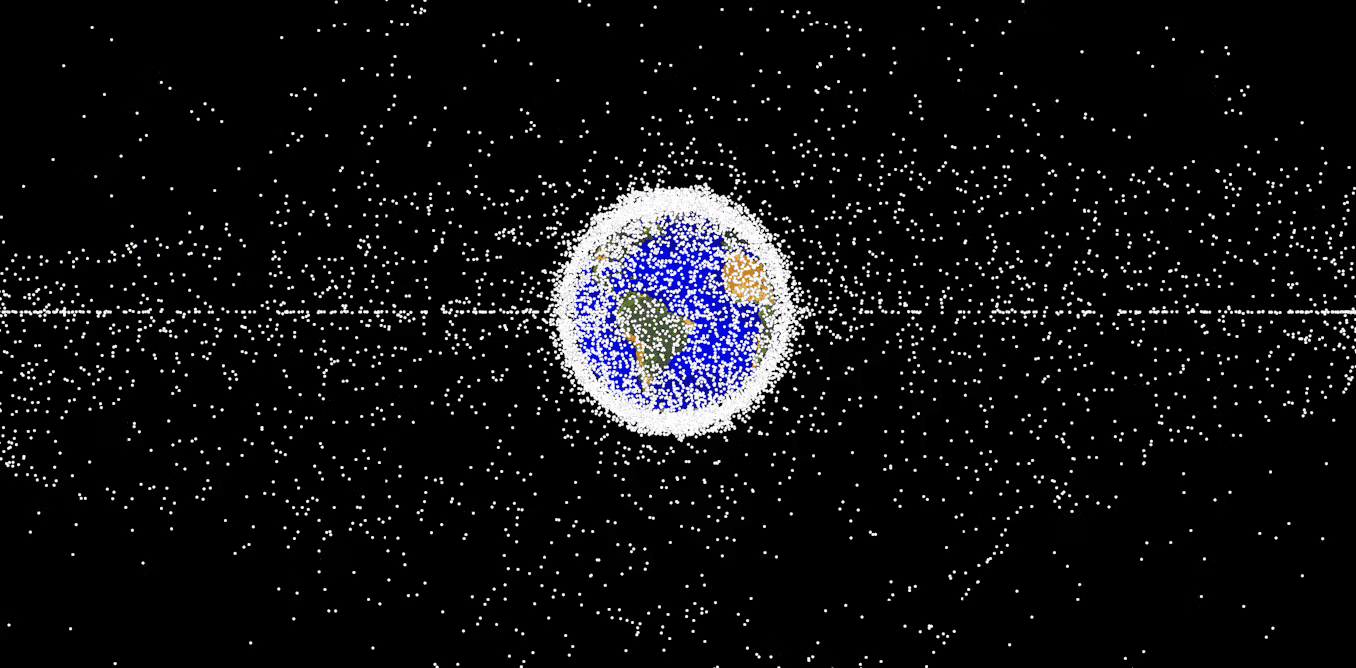
The increasing number of satellites and space debris in low Earth orbit (LEO) is raising serious concerns about potential collisions and the sustainability of space operations. Experts and industry leaders are calling for global cooperation and data sharing to mitigate the risks associated with overcrowded orbits.

Current Space Traffic Crisis

  1. The Scale of Congestion
    • Over 14,000 satellites, including 3,500 inactive ones, currently occupy LEO, alongside 120 million pieces of debris, according to Slingshot Aerospace.
    • Only a fraction of this debris is large enough to track, with smaller fragments still posing significant collision risks.
  2. Recent Incidents Highlight the Risk
    • In August, a Chinese rocket stage explosion created thousands of fragments, further congesting LEO.
    • A defunct Russian satellite exploded in June, leading to emergency shelter protocols for astronauts aboard the International Space Station.
  3. Increase in Close Approaches
    • Slingshot data reveals a 17% rise in close approaches per satellite over the past year, reflecting escalating congestion.

Call for Global Coordination

  1. United Nations Efforts
    • A U.N. panel in October called for a comprehensive shared database of orbital objects and an international framework to track and manage them.
    • Panel co-chair Aarti Holla-Maini emphasized the urgency, warning that delays could compromise critical global systems like communication and navigation.
  2. Challenges to Implementation
    • Geopolitical Tensions: Nations hesitate to share data due to security concerns, especially since many satellites serve dual civilian and military purposes.
    • Commercial Competition: Companies are reluctant to disclose proprietary information, fearing a loss of competitive advantage.
  3. Proposed Solutions
    • Experts suggest leveraging existing technologies like telescopes, radars, and sensors to improve object tracking.
    • Drawing inspiration from the International Civil Aviation Organization, stakeholders propose enforceable space traffic rules.

Growing Commercial Activity

  1. Satellite Proliferation
    • SpaceX’s Starlink system alone accounts for 6,764 satellites in orbit, with collision-avoidance manoeuvres nearly doubling in the first half of 2024.
    • Upcoming launches from China and other operators threaten to push LEO’s carrying capacity to its limits.
  2. Economic Risks
    • A collision probability model predicts potential damages of $556 million over five years, emphasizing the financial stakes of unmanaged space traffic.

The Path Forward

  1. Need for International Consensus
    • Industry leaders stress the importance of unified global regulations to prevent collisions and ensure the sustainable use of space.
    • The U.N. aims to present actionable steps at a Committee on the Peaceful Uses of Outer Space meeting next year.
  2. Barriers to Progress
    • Building consensus amidst geopolitical tensions remains a major challenge.
    • Informal methods, such as reliance on data from the U.S. Space Force, offer temporary solutions but lack standardization and accountability.

Final Thoughts

The rapid increase in space traffic underscores the urgency of global cooperation to avoid a “tragedy of the commons” in LEO. While technical tools exist, achieving consensus and trust among nations and commercial entities remains the critical hurdle.

2,600-Year-Old Inscription in Turkey Decoded: What It Reveals

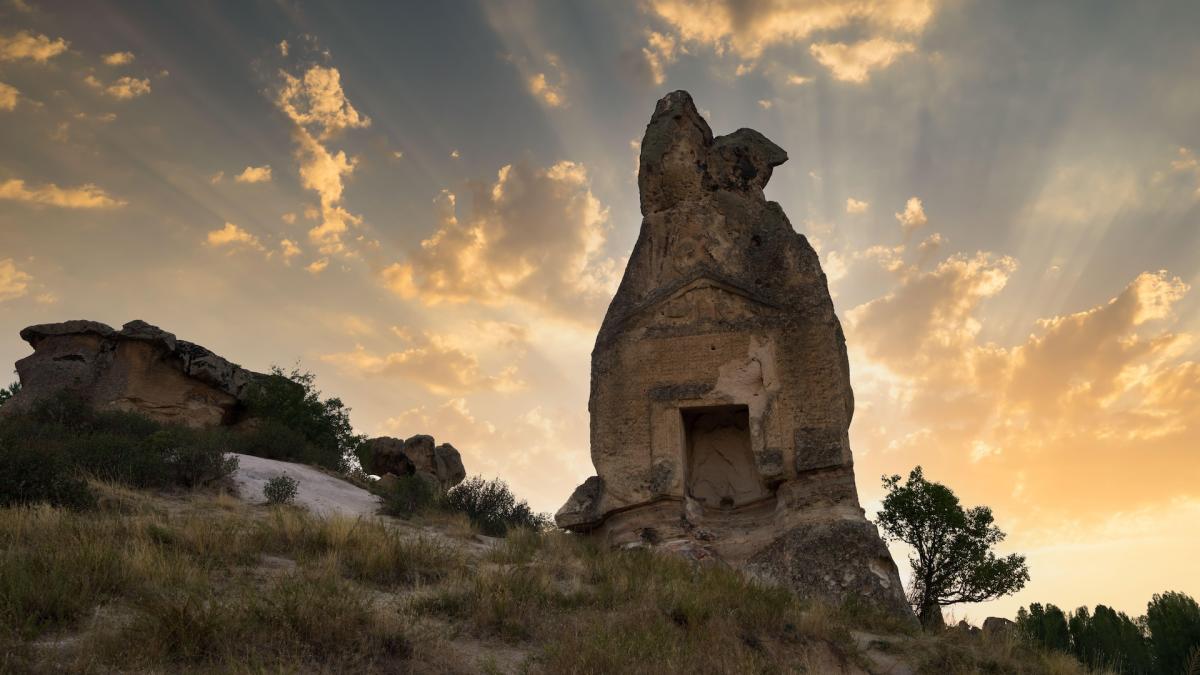
A 2,600-year-old inscription carved into the Arslan Kaya monument in Turkey has finally been deciphered, revealing significant insights into ancient religious practices. The research, led by Professor Mark Munn of Pennsylvania State University, confirms that the inscription contains references to Materan, a goddess revered by the Phrygians, who flourished in the region from 1200 to 600 B.C. Despite enduring centuries of weathering and damage from looting, the inscription sheds new light on the spiritual beliefs of this ancient civilization. Materan, often referred to simply as “the Mother,” was central to Phrygian religious life.

The Arslan Kaya monument, which stands as a testament to Phrygian art and culture, is adorned with depictions of lions and sphinxes, symbols of strength and protection. These symbols are commonly associated with the gods and goddesses worshipped by the Phrygians. The deciphered inscription, which appears alongside an image of Materan, confirms her prominence within the society. Materan’s significance extended beyond the Phrygians; she was later venerated by the Greeks as the “Mother of the Gods” and by the Romans as “Magna Mater” or “Great Mother.”

During the time the inscription was created, the region was heavily influenced by the Lydian kingdom, which also held Materan in high regard. The inscription may have been part of a larger text that outlined not only the goddess’s importance but also the identity of the commissioning party responsible for the monument. This discovery provides valuable context for understanding the religious and political landscape of the period, revealing the cultural exchanges that took place in the ancient world.

The decipherment of the Arslan Kaya inscription is a remarkable achievement that offers a glimpse into the spiritual life of the Phrygians and their enduring influence on later civilizations. As scholars continue to study this and other ancient texts, new layers of understanding will emerge about the shared religious and cultural traditions that connected the ancient peoples of the Near East.