
New Study Unravels Zebra Pattern in Crab Nebula’s Radio Waves

A perplexing “zebra” pattern seen in the high-frequency radio waves emitted by the Crab Nebula’s pulsar may now have a plausible explanation, according to recent research by Mikhail Medvedev, a Professor of Physics and Astronomy at the University of Kansas. First identified in 2007, this distinctive pattern, marked by irregular spacing between frequency bands, has intrigued astrophysicists for years. Medvedev’s new study, published in Physical Review Letters, offers a theory involving wave diffraction and interference, phenomena caused by the pulsar’s plasma-rich environment, which could account for the unusual radio wave structure.

The Crab Nebula, a remnant of a supernova explosion observed in 1054 AD, houses a neutron star known as the Crab Pulsar at its core. This pulsar, which is only about 12 miles in diameter, emits sweeping pulses of electromagnetic radiation, resembling the beam of a lighthouse. While pulsars are known for their regular emissions, the Crab Pulsar is particularly unique due to its zebra pattern—an anomaly seen exclusively within a specific pulse component and spanning frequencies between 5 and 30 gigahertz.

Medvedev’s research suggests that this zebra pattern is caused by the pulsar’s dense plasma environment. The plasma, composed of charged particles like electrons and positrons, interacts with the pulsar’s magnetic field in ways that influence the radio waves. This interaction can create diffraction effects, similar to how light waves bend around obstacles. As these radio waves travel through regions of varying plasma density, they generate a series of alternating bright and dark bands, which, from Earth, appear as the zebra-like pattern.

The new model proposed by Medvedev could help clarify one of the most intriguing phenomena observed in astrophysics. By linking the zebra pattern to well-understood physical principles such as diffraction and interference, the research offers a more comprehensive understanding of how the unique conditions around the Crab Pulsar shape the radio waves we detect on Earth. As astronomers continue to study the Crab Nebula and similar pulsars, this new explanation may unlock further insights into the complex interplay between magnetic fields, plasma, and electromagnetic radiation in extreme environments.
Blue Origin Sets for NS-28 Space Tourism Launch

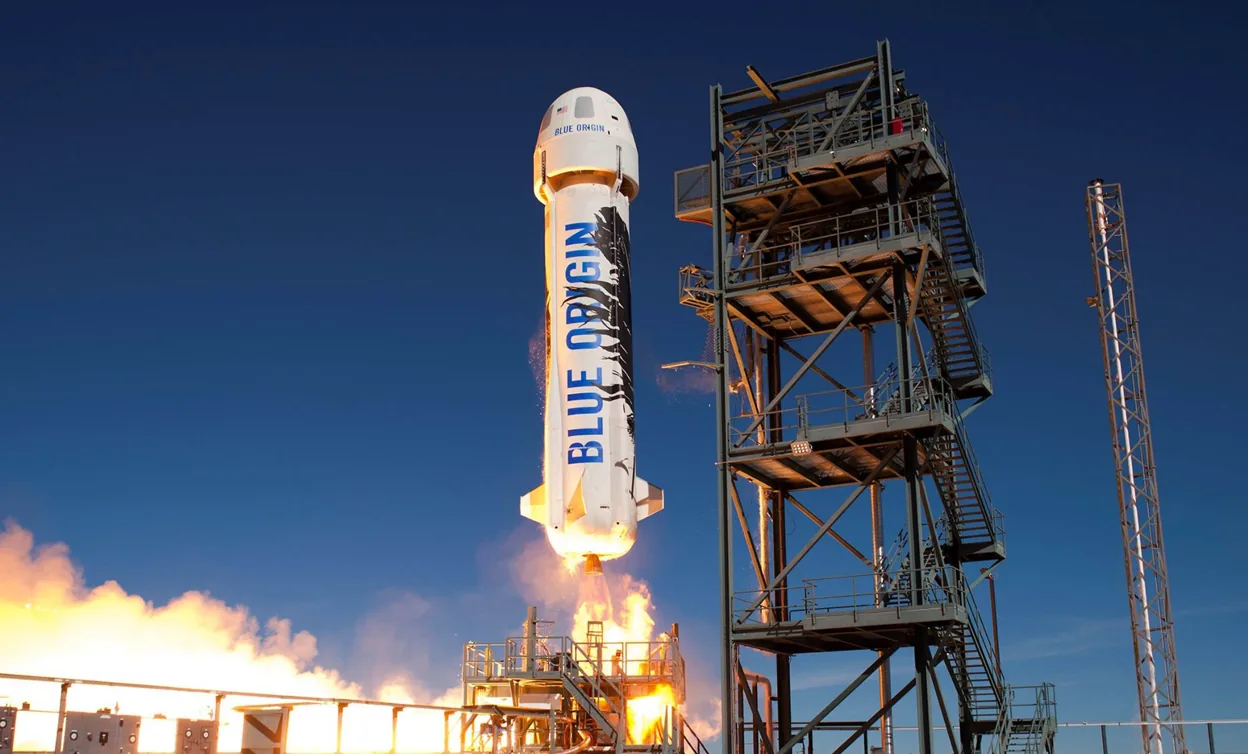
Blue Origin, the aerospace company founded by Jeff Bezos, is set to launch its ninth crewed mission, NS-28, on Friday, November 22, 2024. The suborbital flight will lift off from the company’s West Texas launch site during a window that opens at 10:30 a.m. EST. The launch will be streamed live, with coverage beginning 30 minutes before takeoff, available through Blue Origin’s official channels and on Space.com, offering audiences worldwide a chance to watch the historic flight in real-time.

The NS-28 mission will carry six passengers on its journey into space, including a mix of experienced space tourists and newcomers. Among the crew is Emily Calandrelli, an MIT-trained engineer, science communicator, and author known for her work in popularizing STEM. Joining her are Marc and Sharon Hagle, a married couple with spaceflight experience from Blue Origin’s NS-20 mission in 2022. The rest of the crew includes Austin Litteral, a winner of a spaceflight giveaway by the platform Whatnot, entrepreneur James (J.D.) Russell, and businessman Henry (Hank) Wolfond.

Sharon Hagle, alongside her nonprofit organization SpaceKids Global, has also developed an educational initiative surrounding the mission. The “SpaceKids Global Press Squad” will consist of eight children aged 8 to 12 who will cover the NS-28 flight from Cape Canaveral, Florida. These young reporters will have the opportunity to tour Blue Origin’s facilities and learn more about space exploration, providing them with a hands-on educational experience.

As Blue Origin continues to advance its space tourism efforts, the NS-28 mission marks another milestone in the company’s pursuit of making space accessible to a broader range of people. With a diverse crew and a focus on education and outreach, the upcoming flight promises to be a significant step in the evolution of commercial space travel.

West Coast Braces for Severe Bomb Cyclone Bringing Intense Rain and Winds

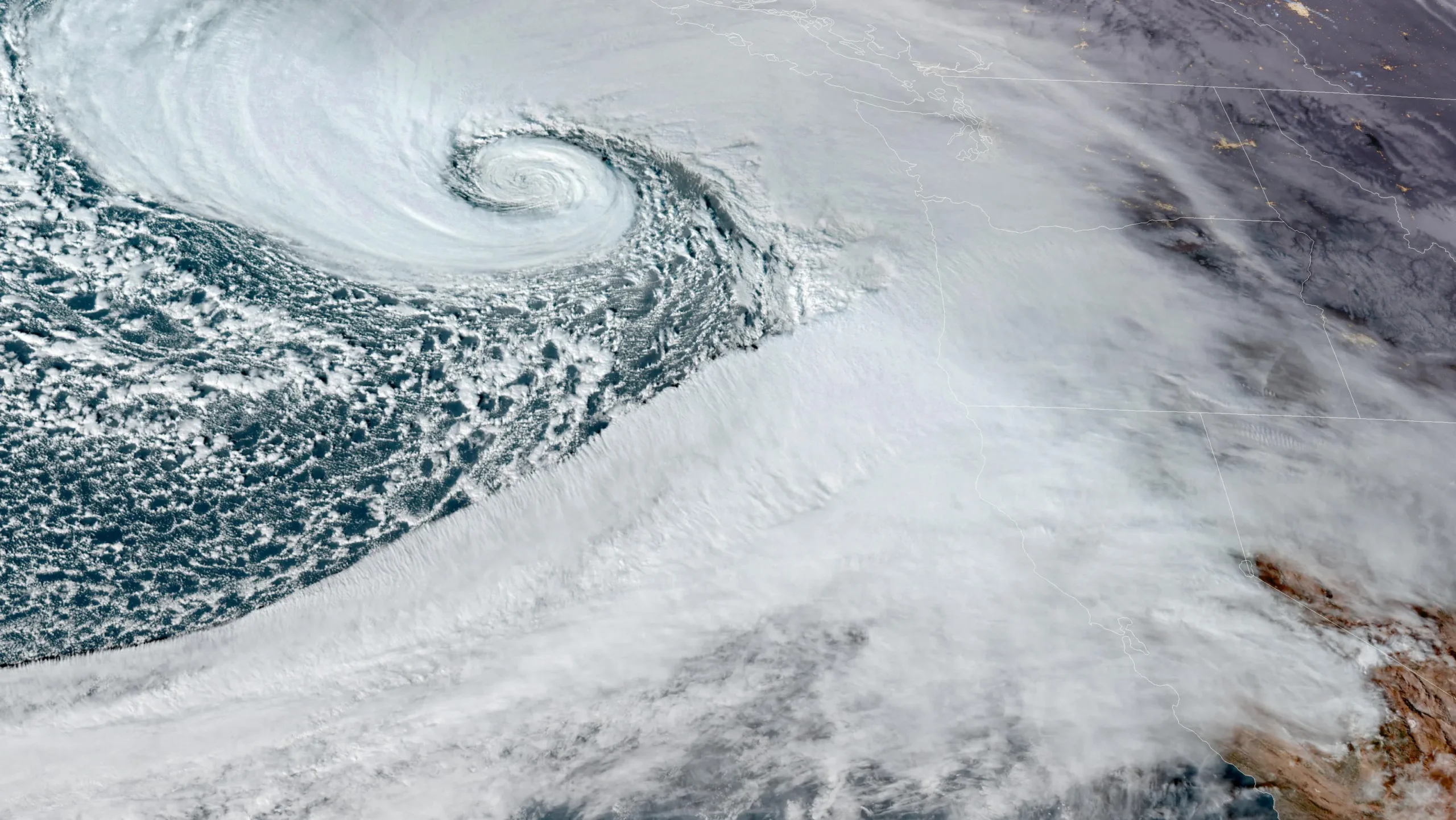
A formidable storm system, set to evolve into a “bomb cyclone,” is making its way toward Northern California and southern Oregon. The event is anticipated to occur from Tuesday, November 19 to Thursday, November 21, bringing with it dangerous weather conditions. Meteorologists are warning residents to brace for heavy rainfall, high winds, and significant snowfall in the mountains. These extreme weather elements may lead to flash flooding, power outages, and hazardous driving conditions throughout the region.

The storm is expected to undergo “bombogenesis,” a rapid intensification process where the storm’s pressure drops dramatically. Weather experts forecast a decline in atmospheric pressure from over 1,000 millibars on Monday evening to below 950 millibars by Tuesday night. This sharp pressure drop is a clear sign that the storm is rapidly strengthening, a phenomenon that has been observed and verified by the National Oceanic and Atmospheric Administration (NOAA).

The severe impacts of this bomb cyclone are expected to affect a wide stretch of the West Coast. In particular, areas between the San Francisco Bay Area and Eureka, California, are at high risk of extreme weather, with gusty winds reaching up to 70 mph. Additionally, rainfall totals could accumulate between 2 and 4 inches per day. These conditions are expected to cause flooding, hazardous roadways, and potentially life-threatening situations, especially in low-lying areas prone to rapid runoff.

In the higher elevations of the region, particularly areas above 3,500 feet, snowfall is expected to pile up quickly. Some areas could see up to 2 feet of snow, adding significant challenges to the already difficult weather. Central Oregon to Salinas, California, is also at risk for major impacts from this powerful storm system. Local authorities and residents are urged to prepare for the worst as this bomb cyclone takes shape over the coming days.