Teaching Rats to Drive Reveals How Anticipating Joy Can Improve Lives

A groundbreaking experiment involving rats driving tiny cars has provided fresh insights into how anticipating joyful experiences can positively influence behavior and brain function. What started as a quirky research project has evolved into a deeper exploration of the emotional well-being of animals, revealing lessons that may apply to humans as well.

The Project: Rats Behind the Wheel

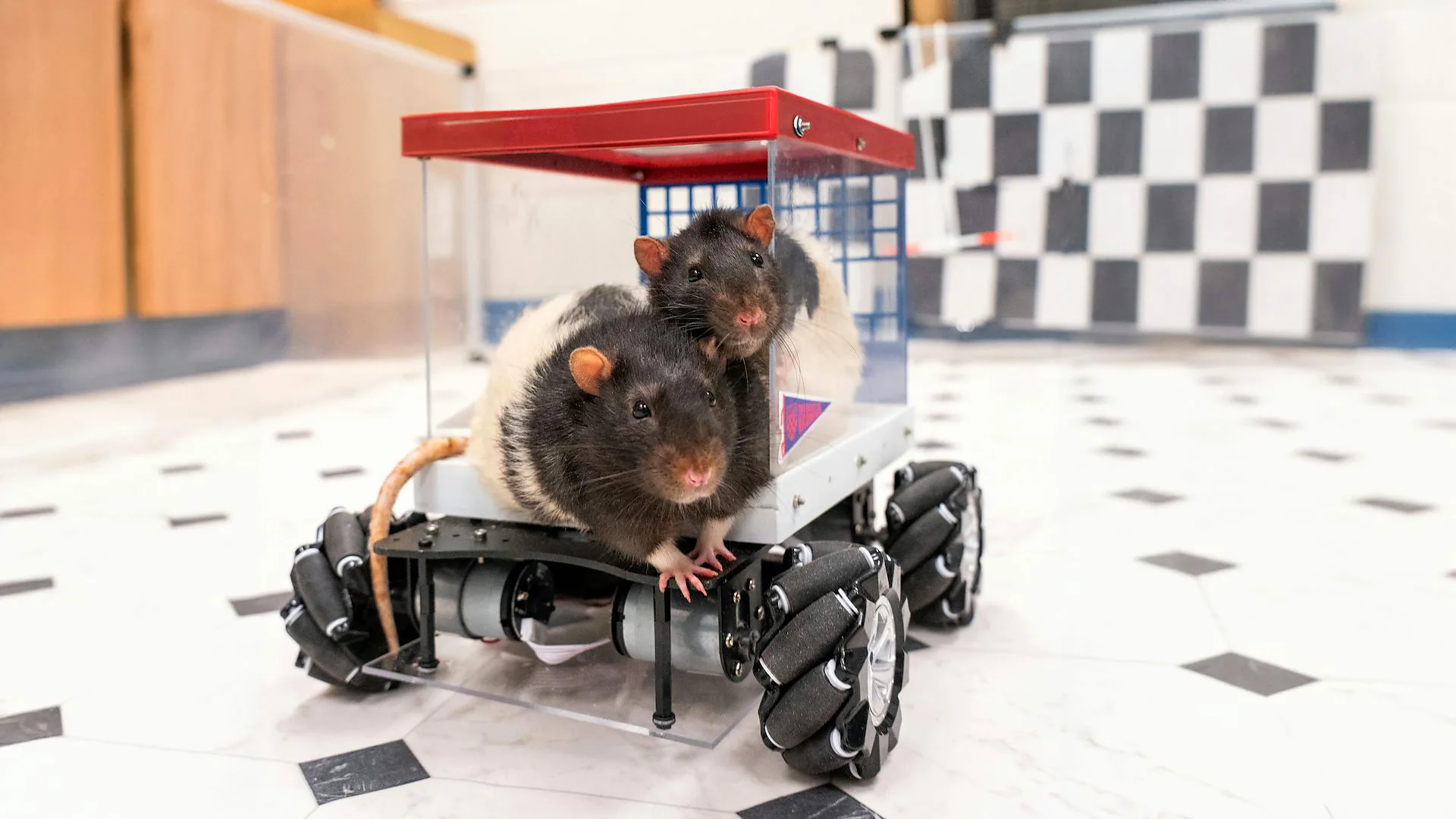
The study began with an innovative idea: to teach rats how to drive a small vehicle. Using a modified plastic cereal container, researchers created a “rat-operated vehicle” (ROV), where the rats could move the car forward by pressing a lever resembling a gas pedal. The goal was to see if rats could learn new skills in an enriched environment—something that could potentially shed light on how complex learning impacts brain function.

The rats learned quickly, particularly those raised in enriched environments with more space, toys, and social interactions. This group showed faster learning, suggesting that a stimulating environment enhances neuroplasticity—the brain’s ability to adapt and change in response to new experiences.

Unanticipated Joy and Motivation

The rats’ eagerness to drive the vehicles took researchers by surprise. Not only did they learn how to drive with surprising precision, but they also showed significant enthusiasm before starting their driving lessons. The researchers hypothesized that the rats were experiencing something akin to excitement or joy—emotions that had previously been difficult to study in non-human animals.

The observation led to an unexpected shift in the research focus, particularly during the emotional isolation of the 2020 pandemic. The rats’ heightened excitement for their driving sessions sparked an inquiry into how positive emotions—specifically, the anticipation of good experiences—affect behavior.

Anticipation and Positive Emotion: The “Wait For It” Study

Building on the concept of operant conditioning, where animals are trained by reinforcement (such as food rewards), researchers began exploring the impact of delayed gratification. In their “Wait For It” experiment, rats were made to wait before receiving their reward—a Froot Loop treat. This study, called Upers (Unpredictable Positive Experience Responses), was designed to see how waiting for something positive influenced the rats’ behavior.

Preliminary results were promising. Rats who had to wait before receiving rewards exhibited more optimistic behavior and performed better on cognitive tasks than those who received rewards immediately. The study linked these findings to the concept of “behaviourceuticals,” suggesting that positive experiences, like anticipating something enjoyable, could alter brain chemistry in ways similar to pharmaceuticals.

The Role of Dopamine in Anticipation

One fascinating discovery came when researchers noticed that the rats trained to anticipate rewards displayed a unique tail posture—a S-shaped curve that resembled the effects of dopamine on the brain. This behavior, known as “Straub tail,” is often associated with the release of dopamine, a chemical that plays a crucial role in both pleasure and reward. It’s a visual marker of the rats’ emotional state, which had been elevated by their anticipation of a positive experience.

Insights into Human Behavior

The implications of these findings go beyond rat behavior. Researchers believe that understanding how anticipation shapes brain function could help humans manage stress and improve well-being. In our modern world, where instant gratification often dominates, the rats’ ability to enjoy the journey toward a reward rather than just the reward itself offers valuable lessons in emotional resilience.

This research also ties into broader themes in neuroscience, particularly studies that show how stress and positive experiences can physically alter the brain. Neuroscientists have long known that the brain’s reward systems, such as the nucleus accumbens, play a significant role in how animals (and humans) process positive reinforcement and motivation.

Broader Research and Positive Emotions in Animals

The driving rat project fits within a larger body of research on the emotional lives of animals. For instance, neuroscientist Jaak Panksepp demonstrated that rats experience joy when tickled, and Curt Richter’s research indicated that rats can even experience hope—an emotion that drives persistence in the face of adversity. These findings challenge the traditional view that animals are primarily motivated by negative emotions such as fear and stress.

The driving rats, too, may offer a model for understanding how positive emotions and anticipation help humans cope with life’s unpredictability. By anticipating the joys ahead, whether big or small, we may better navigate the challenges of daily life.

Conclusion: The Power of Anticipation

Ultimately, the rat-driving experiment has provided unexpected insights into the power of positive experiences. For both rats and humans, anticipating something good—not just immediate rewards—can enhance motivation, learning, and overall well-being. As the study of animal emotions continues to unfold, these findings serve as a reminder that joy, anticipation, and the journey toward something better can shape our brains and our lives in profound ways.
Fossilized Poop Reveals Secrets of How Dinosaurs Came to Dominate Earth

A study published in Nature on Wednesday sheds new light on the evolution of dinosaurs, revealing insights into why they came to dominate the planet. By analyzing fossilized droppings—known as coprolites—scientists discovered key factors that contributed to the rise of these ancient giants, whose ancestors were initially insignificant players on Earth’s evolutionary stage.

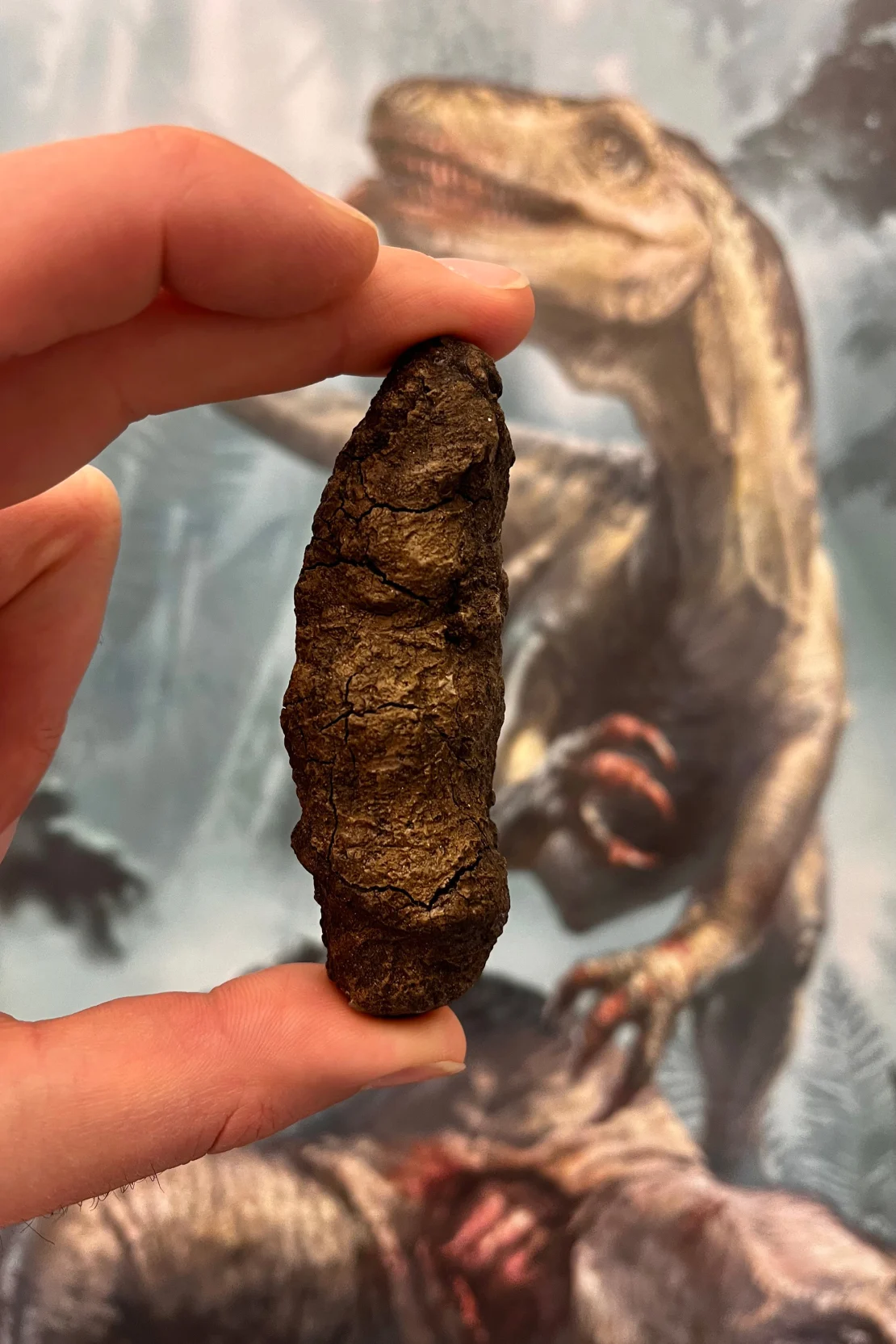
The research, led by Martin Qvarnström, a paleontologist at Uppsala University, focuses on over 500 coprolites collected from multiple sites in the Polish Basin, dating back 247 to 200 million years ago, covering the Late Triassic and early Jurassic periods. Qvarnström’s team discovered that the size, diversity, and contents of these fossilized remains increased over time, paralleling the emergence of larger and more varied dinosaur species.

Revelations from Ancient Poop

The analysis of coprolites and regurgitalites (fossilized vomit) provided valuable information about the diets of dinosaurs and other ancient vertebrates. Through a combination of physical inspection and high-tech 3D scanning at the European Synchrotron Radiation Facility, scientists were able to identify what the animals consumed, such as fish, plants, and other prey. This offered a window into the paleoecology of the time.

Interestingly, some coprolites showed evidence of animal remains, including tiny beetles and fish, while others contained crushed bones from predation. These fossils provided a series of “temporal snapshots” illustrating the transition from a world with few dinosaurs to one dominated by them.

The Rise of Dinosaurs

The study identifies five phases in the evolutionary history of dinosaurs. Initially, their ancestors were omnivorous, consuming both plants and animals. Over time, they evolved into both carnivorous and herbivorous forms. Key events, such as increased volcanic activity, likely spurred the growth of more diverse plant life, which in turn supported the emergence of larger herbivorous dinosaurs. This led to the rise of the giant carnivorous species that would define the Jurassic period.

Scientists argue that a combination of physical advantages and climate adaptability allowed dinosaurs to outcompete other reptilian species. The research suggests that dinosaurs’ upright posture and agile movement gave them a significant edge over rivals with less efficient body structures, while their ability to diversify their diets helped them thrive through changing environments.

What This Means Today

Qvarnström’s senior colleague, Grzegorz Niedźwiedzki, emphasized that the evolutionary success of dinosaurs boils down to a simple yet timeless message: “Eat your veggies and live longer.” This adaptability to different diets and environments was a crucial factor in their ability to thrive, offering valuable lessons about survival even today.

The study not only highlights the evolutionary advantages of dinosaurs but also underscores the importance of fossilized remnants in understanding the natural world. As researchers continue to decode the past through fossilized poop, they may uncover even more secrets that explain the rise of these ancient creatures.

Axolotls’ Global Fame Contrasts with Their Struggle for Survival in the Wild

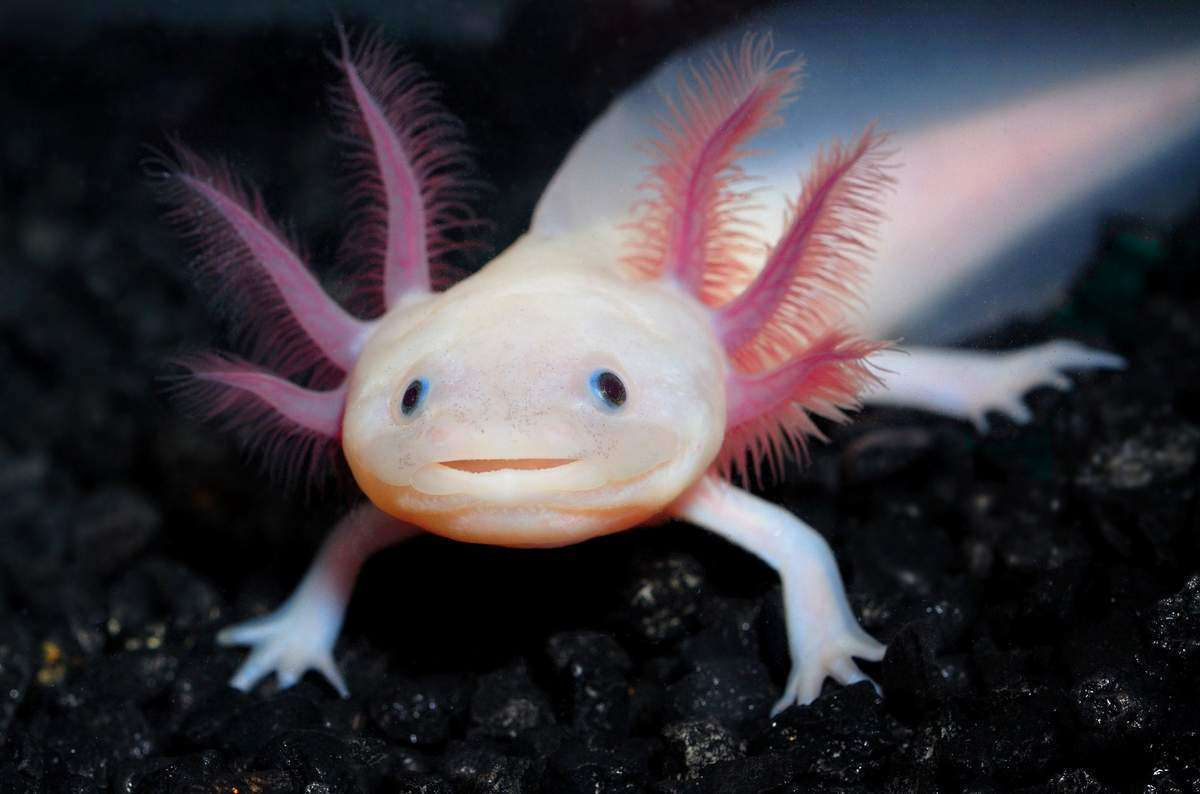
Axolotls, the aquatic salamanders famous for their cute appearance and remarkable regenerative abilities, have become a cultural phenomenon in recent years. With their wide eyes, smiling mouths, and pastel pink coloring, they are frequently seen in media, including video games like Minecraft and merchandise like stuffed animals. However, despite their widespread popularity and the countless axolotls bred for research and the pet trade, these creatures are facing a severe survival crisis in the wild, specifically in their native habitat of Lake Xochimilco in Mexico City.

Scientist Dr. Randal Voss, a professor of neuroscience at the University of Kentucky, is no stranger to the axolotl’s celebrity status. During public outreach events, he often meets people who are fascinated by these salamanders, expressing how much they adore them, either from online content or toys. “They’re so adorable, we love them,” is a common refrain. However, behind their public charm, axolotls face critical threats that have led them to the brink of extinction in their natural environment.

A Scientific Mystery

The name “axolotl” comes from the Nahuatl language, spoken by the Aztecs, and refers to the god Xolotl, who was said to transform into a salamander. Unlike most amphibians that undergo a complete metamorphosis from aquatic larvae to land-dwelling adults, axolotls retain their juvenile features throughout their entire lives. This phenomenon, known as neoteny, is one of the key areas of scientific interest in axolotls. Their gills, which are visible and external, allow them to breathe underwater, and they remain fully aquatic in the unique environment of Lake Xochimilco.

The reasons behind this inability to undergo metamorphosis are still debated. One hypothesis suggests that the lake’s resources were so abundant that axolotls did not need to expend energy transforming into land-dwelling adults. This adaptation allowed them to thrive in the aquatic environment, which is now increasingly threatened.

The Decline of Lake Xochimilco and Its Inhabitants

Lake Xochimilco, a 10-square-mile water body with slightly salty water, has undergone significant changes over the past century. Originally home to an extensive network of chinampas, or floating agricultural islands, the lake provided a rich habitat for axolotls. However, the rise of industrialization, pollution, and invasive species such as carp and tilapia has severely degraded the ecosystem. These fish prey on axolotl eggs, further reducing their numbers. A 1985 earthquake that displaced many people around the lake also contributed to habitat destruction.

As a result, axolotls are now critically endangered, with fewer than 100 adults remaining in the wild. While the wild populations are dwindling, axolotls thrive in scientific laboratories and the exotic pet trade, where they are bred for research and as pets. The axolotls seen in pet shops are often genetically distinct from their wild counterparts, and many are selectively bred for unusual colors like pink, white, and black—traits that are rare in nature.

The Role of Axolotls in Science and the Pet Trade

Axolotls have played a crucial role in scientific research for over 150 years. Their ability to regenerate limbs, spinal cord tissue, and other body parts has made them a valuable subject for studies on tissue regeneration and stem cell biology. In 1864, axolotls were first brought to Europe, and since then, their unique biology has captured the interest of researchers worldwide.

In the pet trade, axolotls are often bred for their striking appearance. However, the animals sold in pet stores tend to have limited genetic diversity due to inbreeding, which poses a risk to their overall health and long-term survival.

The Challenges of Conservation

While axolotls have achieved widespread recognition, this fame has not translated into significant conservation success. The public’s familiarity with the species can sometimes lead to a false sense of security, with people assuming that the salamanders are thriving everywhere. In reality, the axolotls of Lake Xochimilco are critically endangered and require immediate attention.

Dr. Luis Zambrano, a professor of zoology at the National Autonomous University of Mexico, has been working on axolotl conservation for over two decades. He emphasizes the need for innovative strategies to protect the species, particularly through efforts that combine local knowledge with scientific research. One promising approach involves restoring the chinampa system, which could help improve the quality of the lake’s water and provide better habitat for the axolotls.

The Road to Restoration

Efforts to save the axolotl will require policy changes and support from both local communities and global conservation efforts. Zambrano suggests that the rising popularity of axolotls could help raise awareness and fund conservation initiatives. Symbolic adoption programs, where people can support axolotl conservation efforts, may provide a vital source of funding for restoration projects.