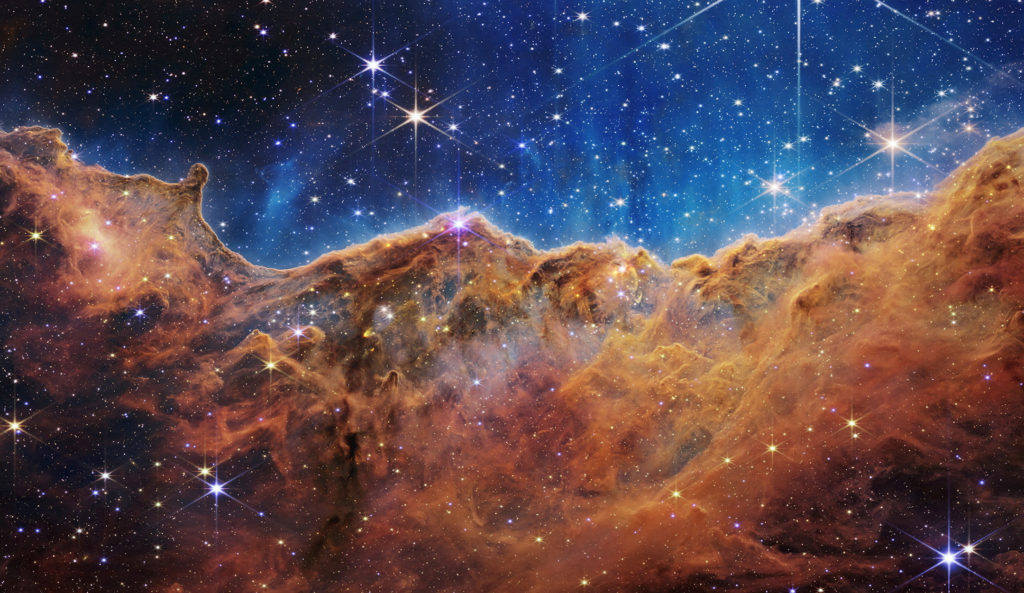
How the James Webb Space Telescope Allows Us to See the Past

The ability to observe space allows scientists to essentially look back in time, thanks to the way light travels across vast distances in the universe. Telescopes like the James Webb Space Telescope enable us to capture light from distant celestial bodies, acting as time machines that reveal what the universe looked like in the past. This phenomenon is rooted in the fact that light, despite traveling at incredible speeds, still requires time to travel across the vast expanses of space.

Light travels at approximately 186,000 miles (300,000 kilometers) per second, which is incredibly fast in human terms. However, even at this speed, the immense distances between objects in space mean that the light we see today actually left those objects millions or even billions of years ago. For example, light from the Moon takes just 1.3 seconds to reach Earth, while light from Neptune, the furthest planet in our solar system, takes about four hours. This delay in light’s arrival means that when we observe these objects, we are seeing them as they were in the past, not as they are right now.

When we look beyond our solar system, the distances become even more staggering. Within our galaxy, the Milky Way, distances are often measured in light-years—the distance that light travels in one year. For instance, Proxima Centauri, the closest star to Earth after the Sun, is over four light-years away. That means when we observe Proxima Centauri, we are actually seeing it as it was over four years ago. The light that reaches us today from that star began its journey back in time, traveling through space at a constant speed.

The James Webb Space Telescope, with its advanced instruments and capabilities, is able to observe objects that are far further away than ever before. By studying the light emitted from galaxies, stars, and other celestial bodies billions of light-years away, Webb allows scientists to peer into the distant past of the universe. The further the light travels, the further back in time we are able to see, offering a glimpse into the early stages of the universe, helping us understand its origins and evolution over time.
Moon Rocks from the Far Side Reveal Evidence of Ancient Volcanic Activity

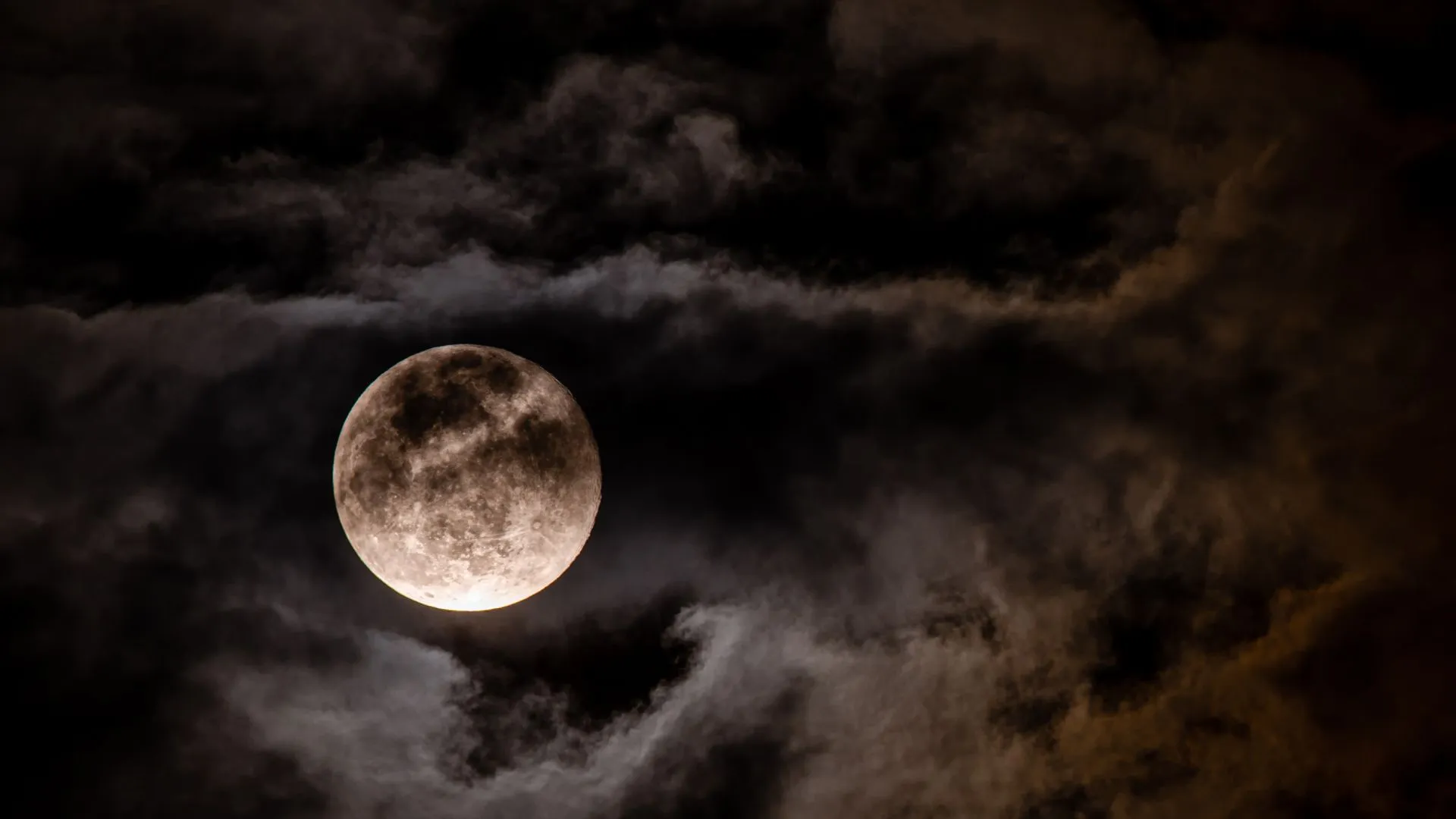
In a groundbreaking discovery, researchers have unveiled new insights into the Moon’s far side by analyzing samples collected during China’s Chang’e-6 mission. This mission marked the first time nearly 2kg of geological samples from the Moon’s far side were brought back to Earth, providing an unprecedented opportunity to study this remote region. The findings, published in two studies on November 15 in Science and Nature, offer valuable evidence of volcanic activity that persisted on the Moon for billions of years, painting a detailed picture of its ancient geological history.

Dr. Qiu-Li Li, a researcher at the Chinese Academy of Sciences, co-authored a study published in Nature that emphasizes the importance of these findings. The samples reveal clues about prolonged volcanic activity on the lunar far side, along with distinct sources within the Moon’s mantle. These discoveries are pivotal, as they challenge previous understandings of lunar geology, suggesting that volcanic processes on the Moon were much more active and widespread than previously thought. The Chang’e-6 mission, which is China’s second exploration of the far side following the Chang’e-4 mission in 2019, landed in the South Pole-Aitken Basin—an ancient lunar impact site dating back roughly four billion years.

The samples retrieved by the Chang’e-6 spacecraft included a variety of fine dust particles, ranging in size from just 1 micrometer to hundreds of micrometers. According to Dr. Yi-Gang Xu, a petrologist at the Chinese Academy of Sciences and co-author of a separate study published in Science, these particles provide a mix of materials from various geological periods. The dust reflects the history of the Moon’s surface, shaped by continuous micrometeorite bombardment and the effects of solar wind over time, which have helped scatter and deposit these particles across the lunar surface.

This research opens new doors to understanding the Moon’s geological processes and its history of volcanic activity, offering a glimpse into its dynamic past. The Chang’e-6 mission’s success in bringing back samples from such an unexplored area provides invaluable data that could change how scientists view the Moon’s evolution. With this new information, experts are now better equipped to unravel the mysteries of the Moon’s far side, offering fresh insights into the broader processes that shaped not only the Moon but also the other celestial bodies in our solar system.

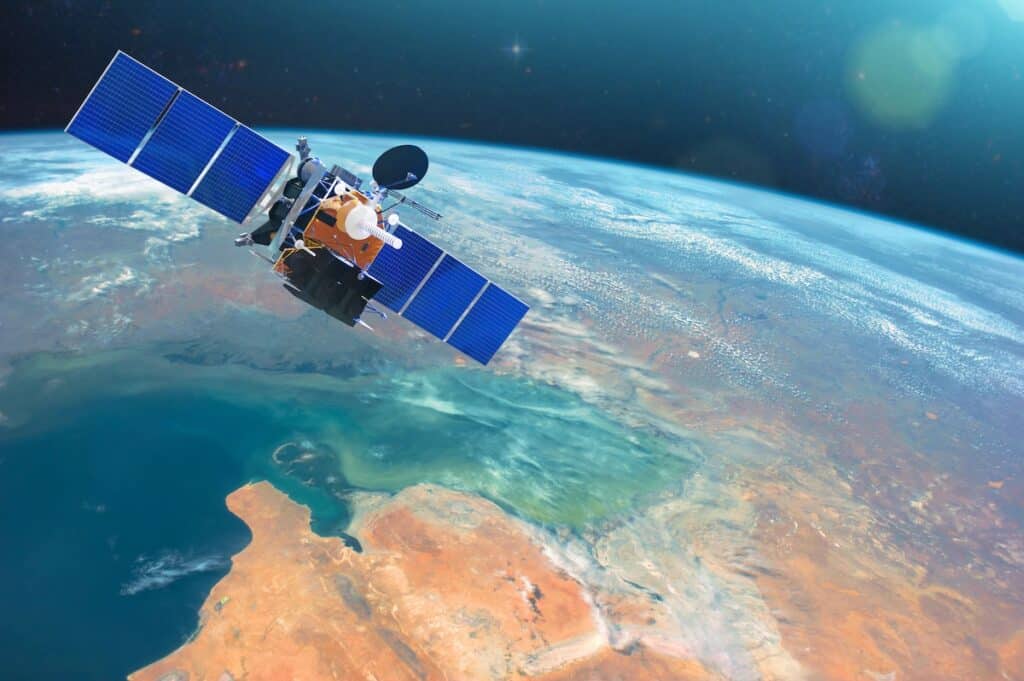
NASA’s GRACE Satellites Track Freshwater Decline Amid Rising Climate Change and Drought Risks

In a remarkable discovery that has captivated the scientific community, a 37,000-year-old saber-toothed kitten has been found preserved in the Siberian permafrost, offering an extraordinary look into the life of an ancient predator. The nearly flawless remains, including the head, forelimbs, and upper body, were uncovered near the Badyarikha River, located just north of the Arctic Circle, in 2020. This astonishing find belongs to Homotherium latidens, a species of saber-toothed cat that roamed during the late Pleistocene era. The frozen remains provide an exceptional opportunity to study this extinct species and gain insights into its physical characteristics and lifestyle.

Radiocarbon dating and dental analysis performed by researchers suggest the kitten was only about three weeks old when it perished. The baby incisors found in its jaw provided a key clue to its young age, helping scientists piece together the timeline of its life and death. It is believed that the kitten’s life was abruptly cut short, likely by a sudden environmental event, after which its body became frozen in the permafrost, preserving it in almost perfect condition for millennia.

The discovery is significant not only for its rarity but also for the level of detail it provides about the anatomy of these ancient predators. The preserved body of the kitten, still covered in soft brown fur, has revealed intricate details that fossilized skeletons could never show. The intact whiskers on its lips, well-preserved footpads, and sharp claws offer researchers a rare glimpse into the soft tissue structure of Homotherium latidens, helping to fill gaps in knowledge about the physical features of saber-toothed cats that have long been elusive.

This find offers unprecedented opportunities for paleontologists to understand more about the behavior, environment, and life cycle of saber-toothed cats. By studying the preserved kitten, scientists can gain a deeper understanding of how these apex predators interacted with their environment and perhaps even what led to their extinction. As climate change continues to impact permafrost regions, this discovery highlights both the fragility and the potential for future findings in these rapidly changing environments.