
NASA and German Satellites Show Global Freshwater Levels Have Been Dropping Since 2014

Global freshwater reserves have been on a steady decline since May 2014, according to a comprehensive study conducted by an international team using NASA and German satellites. Data from the Gravity Recovery and Climate Experiment (GRACE) mission revealed a marked reduction in the amount of freshwater stored on land, including in lakes, rivers, and underground aquifers. The findings, published in Surveys in Geophysics, suggest that this ongoing decrease may signal a shift towards drier conditions worldwide, affecting regions from Asia to North America.

The study quantified the loss of freshwater between 2015 and 2023, revealing a decrease of 290 cubic miles compared to the average levels recorded from 2002 to 2014. This loss is more than twice the volume of Lake Erie, a startling statistic that underscores the severity of the situation. Contributing factors to this freshwater reduction include prolonged droughts and the growing reliance on groundwater for agricultural and urban needs. The overuse of groundwater, particularly for irrigation and drinking water, depletes reserves faster than they can be naturally replenished. A 2024 United Nations report warned of the societal risks posed by these diminishing water supplies, including famine, poverty, and the increased reliance on unsafe water sources.

In addition to human activities, the effects of climate change are also playing a significant role in the depletion of freshwater. Rising global temperatures are exacerbating the loss of water by intensifying evaporation and increasing the atmosphere’s capacity to hold moisture. According to Michael Bosilovich, a meteorologist at NASA Goddard, this leads to more extreme rainfall events, but these are often interspersed with longer dry periods that reduce soil absorption. This cycle of extreme weather patterns results in more frequent and severe droughts, further aggravating water shortages.

The implications of these findings are profound, signaling not only a decrease in available freshwater but also potential consequences for agriculture, ecosystems, and human health. As the global population continues to grow and climate change accelerates, the management and conservation of freshwater resources will become ever more critical in ensuring a sustainable future.
NASA Leverages Supercomputing to Advance Space Missions and Earth Science

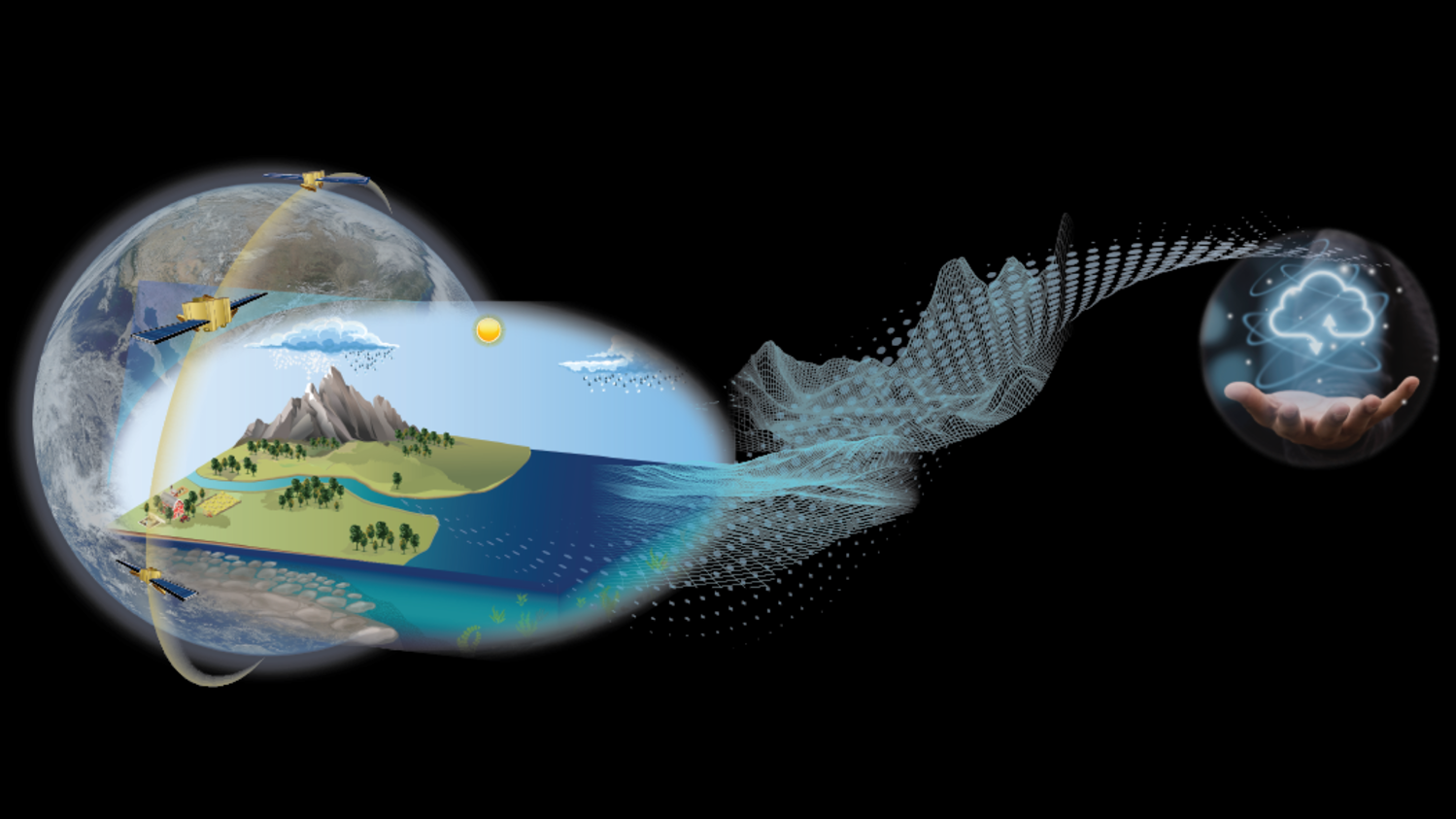
NASA is at the forefront of leveraging supercomputing to enhance both space exploration and Earth-based research. The agency is utilizing high-performance computing (HPC) to drive innovations that stretch from groundbreaking space missions to addressing environmental concerns on Earth. At the International Conference for High Performance Computing (SC24), NASA is demonstrating how these advanced technologies are integral to its most critical endeavors, such as the Artemis program, sustainable aviation, and the study of cosmic phenomena. Dr. Nicola Fox, Associate Administrator for NASA’s Science Mission Directorate, will highlight these advancements in her keynote address, “NASA’s Vision for High Impact Science and Exploration,” on November 19.

One of the significant achievements of NASA’s supercomputing capabilities is the refinement of the Artemis launch systems. At NASA Ames Research Center, simulations using supercomputers have been instrumental in optimizing the Artemis II launch environment. Research revealed how pressure waves from the rocket’s exhaust gases damaged critical components during the Artemis I mission. These findings allowed engineers to redesign key infrastructure, such as the flame deflector and mobile launcher, ensuring greater safety for astronauts during the upcoming Artemis II mission in 2025.

In addition to space exploration, NASA’s supercomputing power is also playing a key role in the future of aviation. By utilizing advanced computational models, NASA researchers are working to optimize aircraft designs for improved fuel efficiency. Simulations of wing and fuselage shapes are helping to reduce drag, which could result in a 4% improvement in fuel efficiency. This aligns with NASA’s goals for sustainable aviation, contributing to efforts to reduce carbon emissions and support greener, more efficient air travel.

These advancements highlight the critical role of supercomputing in driving NASA’s mission to push the boundaries of scientific discovery. From improving space mission safety to advancing environmental goals on Earth, the agency’s supercomputing capabilities are enabling more accurate predictions, better designs, and deeper insights. With these technological tools, NASA is positioning itself to address the complex challenges of the future, whether in space or here on our planet.

Ancient Egyptian Vase, 2,200 Years Old, Unearths Clues to Hallucinogenic Ceremonies

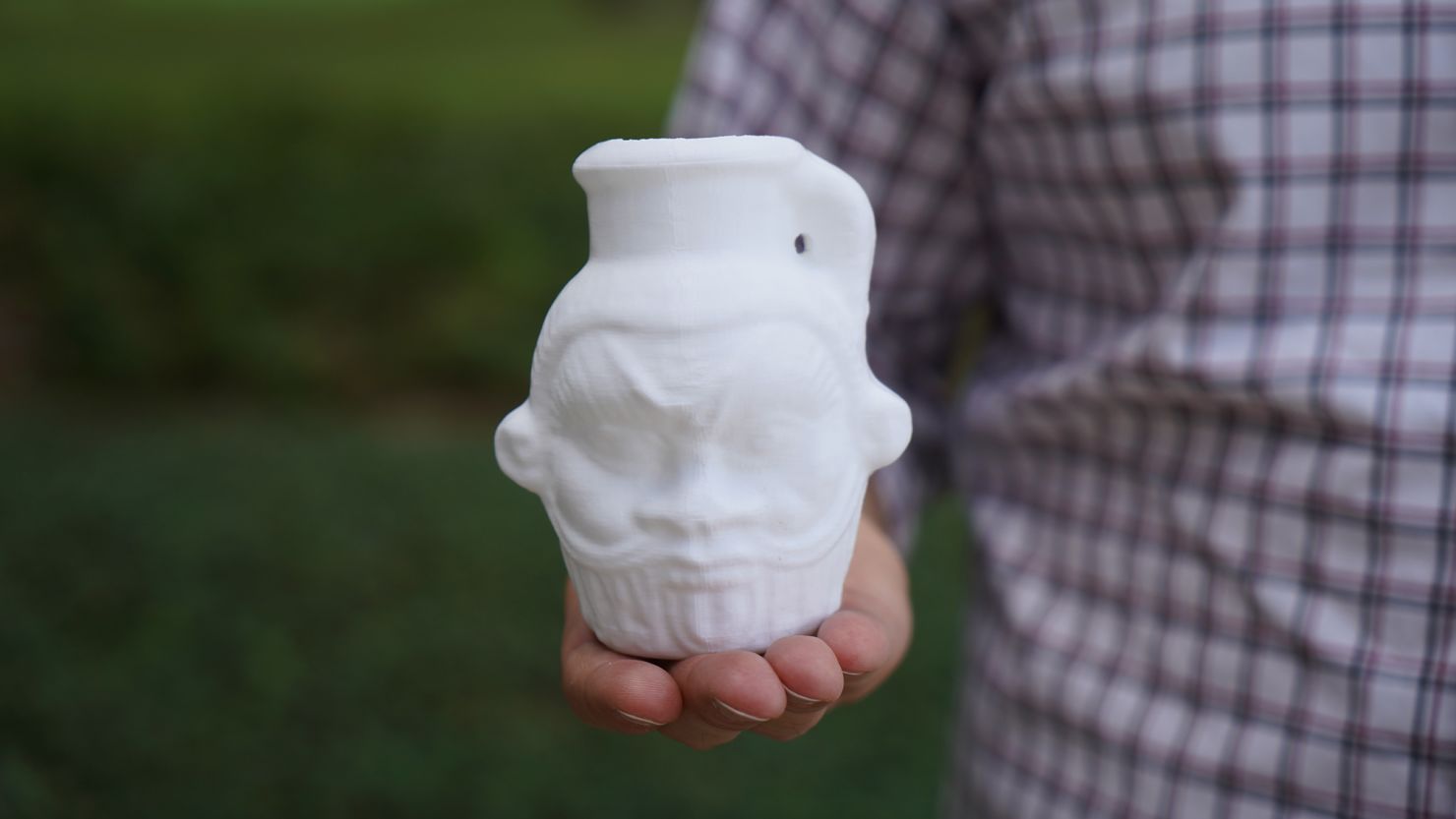
A groundbreaking discovery has been made regarding an ancient Egyptian vase, which has revealed surprising evidence of hallucinogenic rituals. The vase, dating back 2,200 years, features a depiction of Bes, a dwarf deity commonly associated with childbirth and joy. According to a recent study published in Scientific Reports on November 13, the vase was likely used in religious ceremonies to recreate a myth involving the calming of the sky goddess. The vessel, now housed in the Tampa Museum of Art, was subjected to cutting-edge chemical analyses, including DNA extraction and infrared spectroscopy, which unveiled intriguing traces of psychotropic substances.

Chemical analysis of the vase’s contents showed traces of wild rue, Egyptian lotus, and Cleome plant—each of which is known to have mind-altering effects. These findings suggest the vessel was used to prepare a hallucinogenic beverage. Additionally, common food ingredients such as sesame seeds, pine nuts, and grapes were found, which researchers believe could have been intentionally added to mimic the appearance of blood. Further analysis also uncovered traces of human saliva and blood, which may indicate that the drink was consumed during ritualistic practices. The evidence strongly suggests the beverage was part of reenactments of the “Myth of the Solar Eye,” in which Bes pacifies the bloodthirsty goddess Hathor using a blood-like concoction.

The vase’s role may extend beyond the ritualistic. Researchers speculate that it could have been used in oracular practices tied to the cult of Bes, particularly in the Bes-Chambers at Saqqara, where individuals sought prophetic visions. The beverage may have played a key role in inducing trance-like states, allowing for dream interpretations that were believed to predict future events. Branko van Oppen, a curator at the Tampa Museum of Art and co-author of the study, suggests that the combination of ingredients found in the vase could also have been used in childbirth-related rituals, potentially even for predicting pregnancy outcomes.

This remarkable find opens a new window into understanding ancient Egyptian spiritual practices. It underscores how religious rituals were deeply intertwined with both symbolic storytelling and the use of psychoactive substances, offering a richer understanding of the ancient world’s relationship with the divine, the supernatural, and human consciousness.