‘Chonkus’ Algae Discovered Off Italian Coast Could Offer Solutions for Climate Change Mitigation

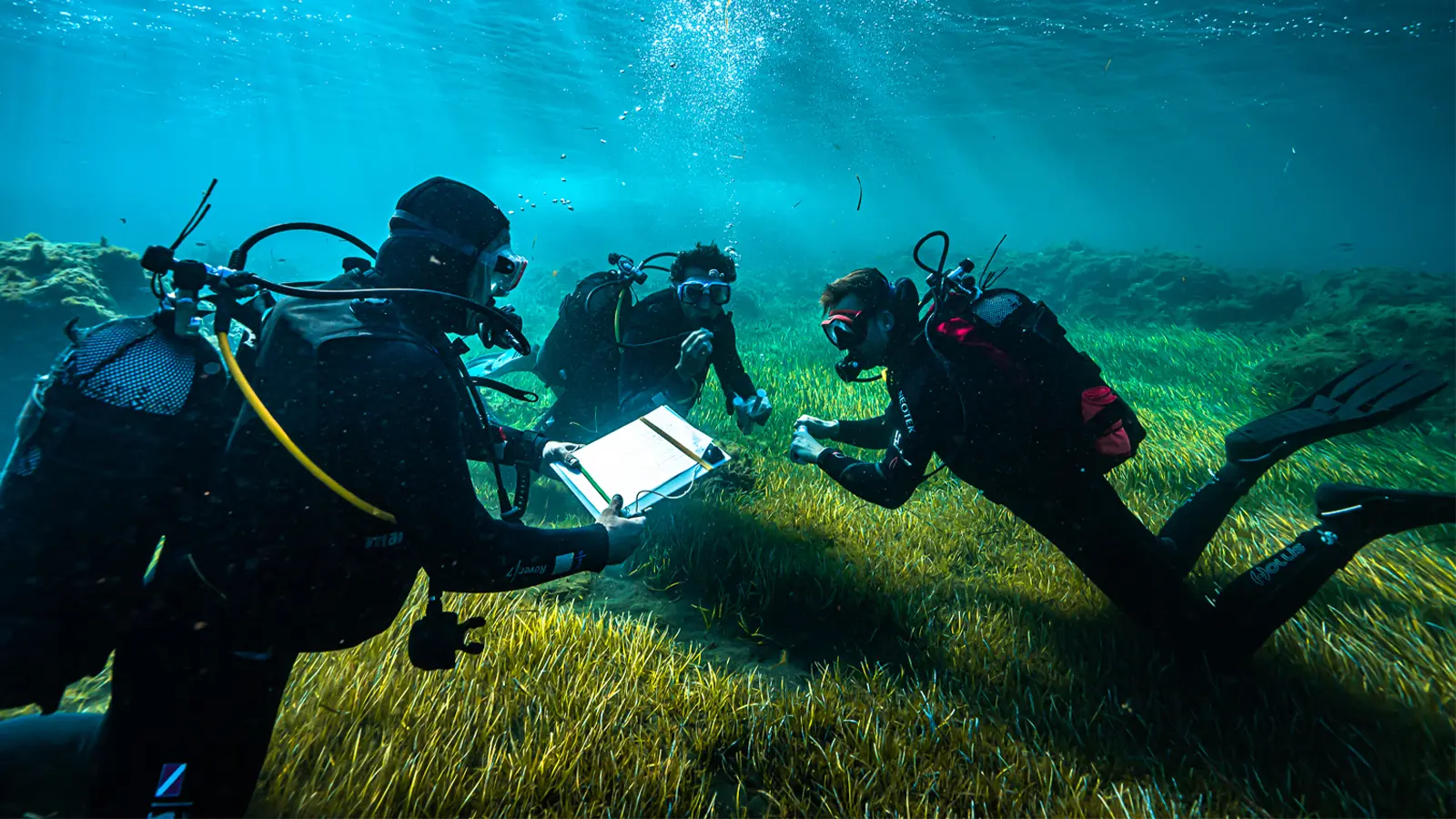
A groundbreaking strain of cyanobacteria, nicknamed “Chonkus,” has been discovered in the hydrothermal waters surrounding Italy’s Vulcano Island, stirring excitement due to its potential for carbon capture. The strain, formally known as UTEX 3222, was found during a marine study focused on collecting water samples from the volcanic vents in the region. The large cyanobacteria exhibit unique properties that may make them valuable in efforts to mitigate climate change by capturing carbon dioxide (CO₂) from the environment.

The volcanic hydrothermal environment around Vulcano Island is rich in carbon dioxide, which provides an ideal setting for Chonkus to thrive. Research has shown that this strain of cyanobacteria produces carbon-dense granules within its cells, a characteristic that accelerates its sinking rate in the ocean. As the algae absorb CO₂ from the surrounding water, they become more efficient at sequestering carbon, eventually sinking to the ocean depths where the captured carbon is stored for long periods, potentially reducing atmospheric CO₂ levels over time.

Beyond its natural role in marine ecosystems, Chonkus presents intriguing possibilities for industrial applications, particularly in carbon capture technologies. This cyanobacteria’s ability to store carbon internally could offer significant advantages for industries looking to reduce their carbon footprints. Studies suggest that Chonkus may be able to improve carbon capture efficiency by up to 30 percent compared to other methods, potentially lowering energy costs for industrial processes. This could be a game-changer in efforts to combat climate change through more sustainable and cost-effective means.

The discovery of Chonkus has drawn attention from leading scientists, including Professor George Church, a prominent researcher at Harvard University and the Massachusetts Institute of Technology. Church highlighted the significance of harnessing natural evolutionary processes, like the ones seen in Chonkus, to help tackle global environmental challenges. With further research and development, Chonkus could become a key player in carbon capture strategies, offering an innovative solution to help reverse the impacts of climate change.
SpaceX Falcon 9 Rocket to Deploy 24 Starlink Satellites from Florida

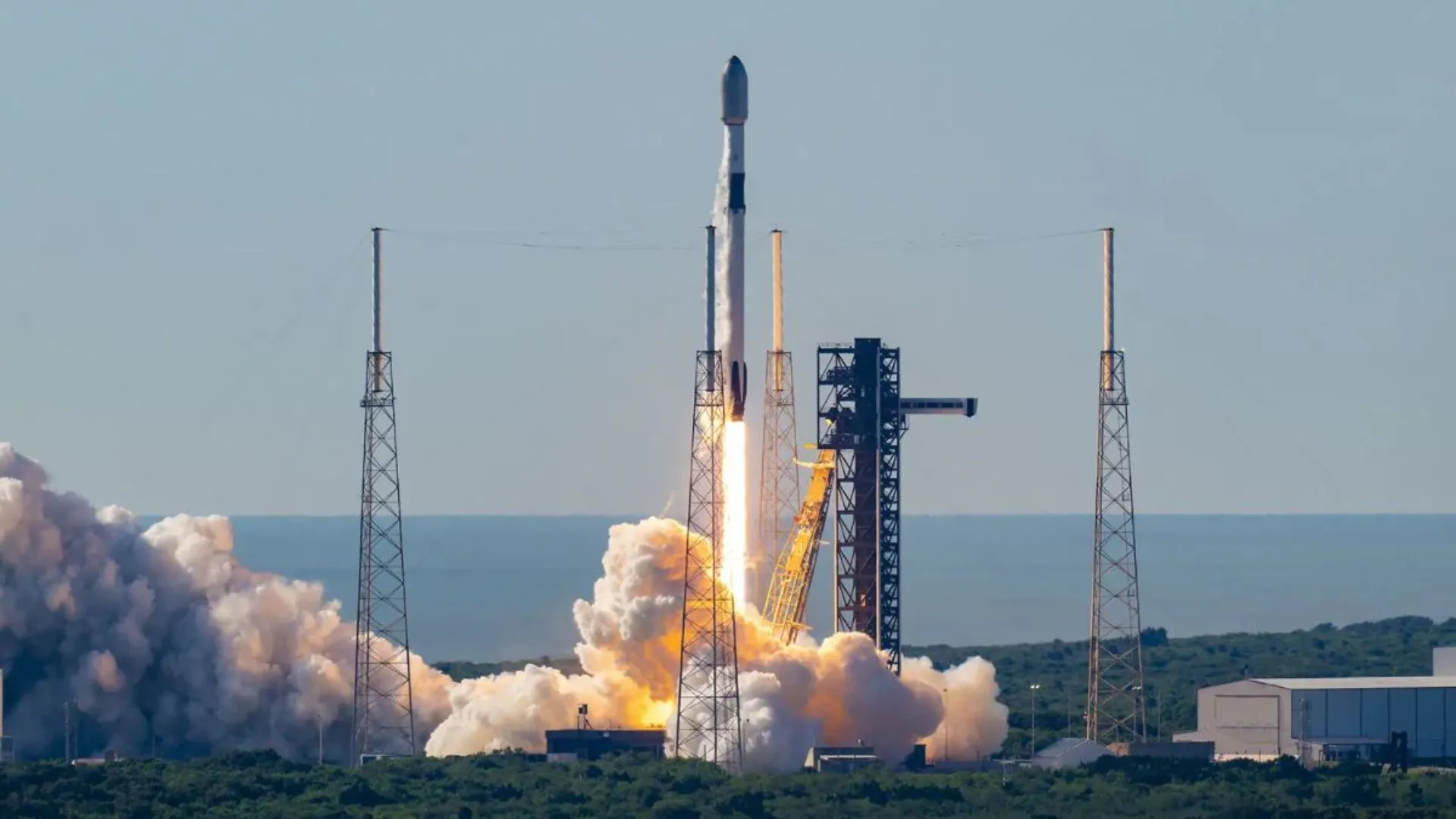
SpaceX is preparing for the launch of 24 additional Starlink satellites from Florida’s Space Coast, scheduled for Monday, November 11, at 4:02 p.m. EST (2102 GMT). Originally planned for Sunday, the launch had to be delayed due to inclement weather, which affected the recovery operation. The mission will take place at Cape Canaveral Space Force Station and will be another significant step in expanding SpaceX’s Starlink constellation, which is designed to offer global internet coverage, especially in underserved areas.

The Falcon 9 rocket will carry the 24 Starlink satellites and lift off within a four-hour window. SpaceX has indicated that the rocket’s first stage will separate and return to Earth approximately eight minutes after launch. It will perform a vertical landing on the drone ship “A Shortfall of Gravitas,” stationed in the Atlantic Ocean. This particular Falcon 9 booster will be making its 12th flight, having previously completed 11 successful missions, including five dedicated to deploying Starlink satellites.

Once the first stage has completed its re-entry and landing sequence, the upper stage will continue to carry the satellites to low Earth orbit (LEO). The deployment of the 24 satellites will occur approximately 65 minutes after launch. These satellites are part of SpaceX’s ongoing commitment to building out its Starlink network, which aims to improve internet access globally, particularly in regions where connectivity has historically been limited or unreliable.

This launch marks another chapter in SpaceX’s ambitious plan to expand the Starlink network, which now has over 6,500 active satellites in orbit. With a significant portion of Falcon 9 missions in 2024 dedicated to Starlink launches, SpaceX is rapidly expanding its global internet service. The network is not only increasing internet access in remote and rural areas but also improving connectivity in regions with limited or no service options, furthering SpaceX’s mission to connect the world

NASA’s X-59 Supersonic Jet Successfully Completes Initial Engine Tests, First Flight Nears

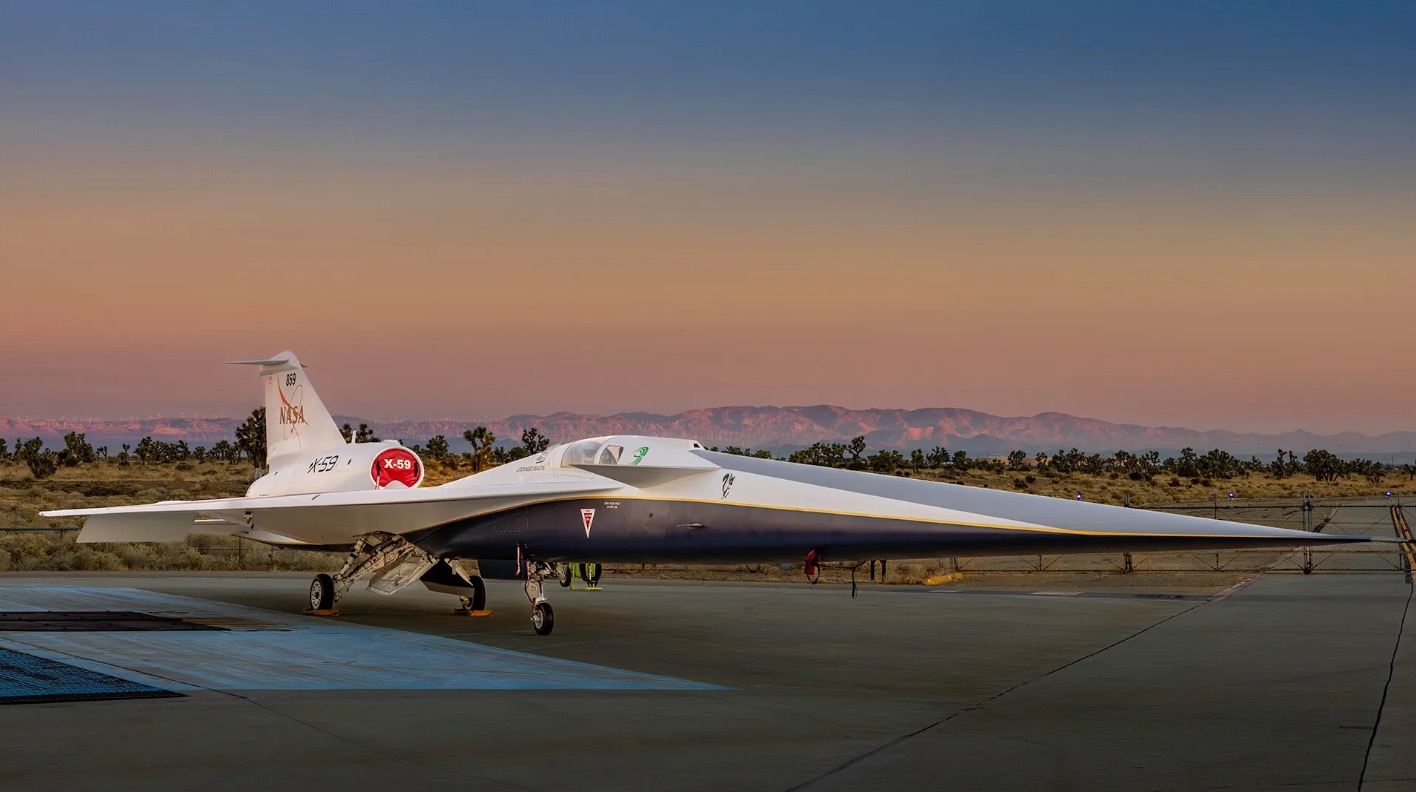
NASA’s experimental X-59 Quiet SuperSonic Technology (QueSST) aircraft has achieved a major milestone with its engine successfully fired up for the first time. Engineers at Lockheed Martin’s Skunk Works facility in Palmdale, California, have been conducting a series of phased engine tests since late October to assess the jet’s engine performance and systems integration. This crucial testing phase brings the aircraft closer to its first flight, although an official date for this event has yet to be set.

Testing Progress and System Integration
The initial engine tests focused on low-speed operations, allowing engineers to thoroughly inspect the aircraft for potential leaks and verify that essential systems—such as hydraulics and electrical components—worked properly in conjunction with the engine. After the completion of these basic checks, the engine was powered up fully for the first time, marking a key milestone in the aircraft’s development. According to Jay Brandon, NASA’s chief engineer for the X-59, the tests acted as a “warmup” to ensure that the engine was performing as expected while supporting the aircraft’s critical systems.

Performance of the Modified F414-GE-100 Engine
The X-59 is powered by a modified F414-GE-100 engine, a version of the engine found in the U.S. Navy’s Boeing F/A-18 Super Hornet. This modification is designed to allow the X-59 to fly at supersonic speeds while significantly reducing the noise produced by the aircraft. Unlike typical supersonic jets that generate disruptive sonic booms, the X-59 is engineered to minimize noise and create a quieter “sonic thump,” which could pave the way for commercial supersonic travel without disturbing communities on the ground.

Looking Ahead: The Quiet Supersonic Future
These successful engine tests represent a crucial step toward achieving NASA’s goal of creating a supersonic jet that reduces the impact of noise on the environment. The X-59 is a key component of NASA’s broader efforts to develop quiet supersonic technologies that could revolutionize air travel. As engineers continue to refine the aircraft’s systems and performance, the first flight of the X-59 will bring NASA one step closer to proving the viability of supersonic flight with minimal noise—a breakthrough that could change the future of commercial aviation.