Revisiting Samurai Rituals: Fresh Perspectives from Translated Edo Period Manuscripts

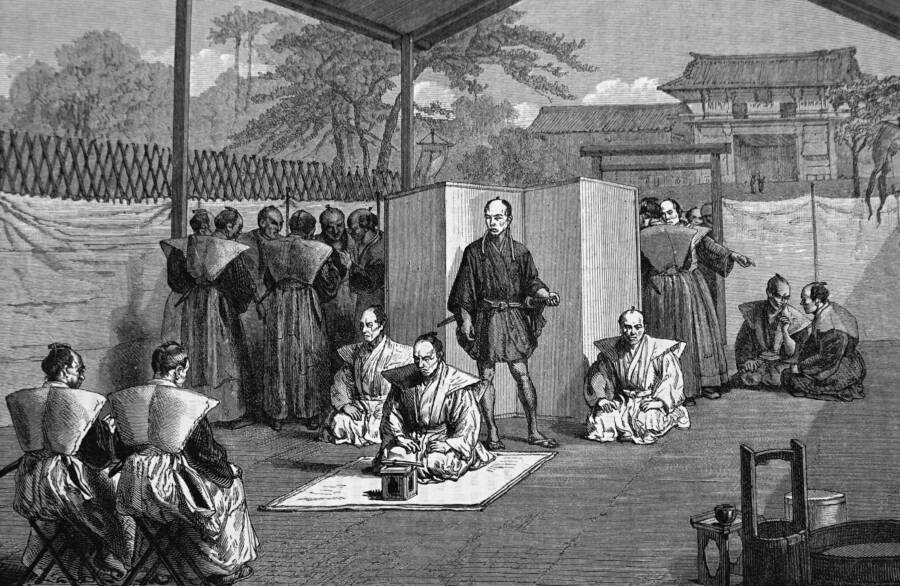
Revealing the Ritual: Insights from Translated Edo Period Texts on Samurai Beheading

Recent translations of four significant Japanese texts offer profound insights into the ritual of samurai beheading during the Edo period (1603 to 1868). These texts challenge the widespread belief that samurai predominantly chose self-inflicted wounds as a means of honorable death. Instead, they reveal that beheading by a fellow samurai, known as kaishaku, was the more prevalent practice, highlighting the complex social and cultural dynamics surrounding this ritual. This perspective not only recontextualizes our understanding of samurai honor but also emphasizes the ceremonial importance attributed to death within the samurai code.

One of the most notable texts, The Inner Secrets of Seppuku, dates back to the 17th century and offers a wealth of teachings traditionally conveyed through oral traditions. Authored by Mizushima Yukinari, this work serves as a guide for samurai to ensure they are well-prepared for the solemnity of their fate. Eric Shahan, a scholar specializing in martial arts texts and a practitioner of Kobudo, has translated these teachings, making them accessible to modern audiences. The emphasis placed on preparation underscores the samurai’s duty to approach their end with dignity, illustrating the intricate relationship between life, death, and honor in samurai culture.

The translated texts also reveal that the ceremonial aspects of execution varied significantly based on the condemned’s rank. High-ranking samurai were afforded elaborate rituals that included the offering of sake before the execution. This ceremonial treatment not only served to honor the individual but also reinforced the hierarchical nature of samurai society. The role of the kaishaku, or designated second, was critical in these ceremonies, as they were tasked with swiftly beheading the condemned after presenting a knife, ensuring a quick and honorable death. This differentiation in rituals based on rank reflects the nuanced social structures within the samurai class and their customs regarding life and death.

Furthermore, one key instruction from the texts highlights the psychological aspects of the ritual, advising the kaishaku to focus on the eyes and feet of the condemned to maintain their martial composure. This guidance emphasizes the importance of mental fortitude and control, both for the kaishaku and the condemned, during such a harrowing moment. By studying these texts, we gain not only a clearer understanding of the samurai’s perspective on death but also insights into the broader cultural and philosophical underpinnings that shaped their actions. The newly translated texts enrich our understanding of samurai practices and invite a deeper exploration of the complexities surrounding honor, duty, and mortality in Edo-period Japan.


Research Indicates Ant Agriculture Originated 66 Million Years Ago

Ants have been engaging in agriculture for an astonishing 66 million years, a practice that began shortly after the catastrophic asteroid impact that led to the extinction of the dinosaurs. This event reshaped ecosystems, creating environments rich in decaying plant material that facilitated the rapid growth of fungi. As these fungi thrived, innovative ant species started to cultivate them, establishing a complex evolutionary partnership that has persisted through millennia. Recent research sheds light on the development and evolution of this remarkable relationship, providing insights into how ant agriculture has flourished.

A significant study published on October 3, 2024, in the journal Science, involved a team of scientists from the Smithsonian’s National Museum of Natural History, led by entomologist Dr. Ted Schultz. The researchers analyzed genetic data from hundreds of ant and fungus species to reconstruct an evolutionary timeline for when ants first began cultivating fungi. They examined a comprehensive dataset that included 475 species of fungi, with 288 cultivated by ants, alongside 276 species of ants, of which 208 practice fungus farming. This extensive research effort represents the largest compilation of data concerning fungus-farming ants ever assembled.

The study reveals that the intricate relationship between ants and fungi has endured for 66 million years, coinciding with the asteroid impact at the end of the Cretaceous era. While this event had disastrous consequences for many organisms, it created a favorable environment for fungi to thrive in the decaying leaf litter. This unique interaction laid the groundwork for a sustainable agricultural relationship, allowing ants to harness the growth of fungi as a reliable food source.

Moreover, the research highlights the evolutionary adaptations of both ants and fungi throughout this time. Ants have developed specialized behaviors and physical traits that enable them to cultivate and protect their fungal crops, while fungi have evolved mechanisms to optimize their growth in response to the ants’ farming practices. This mutualistic relationship not only demonstrates the resilience of these species but also underscores the intricate connections that define ecosystems. Understanding the origins and evolution of ant agriculture can provide valuable insights into the dynamics of other agricultural systems in nature and the evolution of mutualistic relationships.

Key Events Leading Up to CVS Health CEO Karen Lynch’s Departure

Karen Lynch’s tenure as CEO of CVS Health, which began in February 2021, has seen both notable successes and significant challenges, culminating in her stepping down amidst increasing shareholder pressure. Despite early wins, particularly during the height of the COVID-19 pandemic, CVS has faced difficulties in recent years, including declining stock value and multiple profit forecast cuts. Here’s a timeline of key events leading up to her departure:

Feb. 1, 2021:
Karen Lynch assumes the role of CEO during the COVID-19 pandemic, succeeding Larry Merlo. Under her leadership, CVS plays a crucial role in the U.S. pandemic response through its pharmacy and healthcare services.

Feb. 9, 2022:
CVS’s stock reaches near 7-year highs, largely benefiting from high demand for COVID-19 vaccines and related services provided at its drugstores.

Aug. 3, 2022:
The company raises its annual outlook for COVID-related revenue, anticipating a surge in sales of over-the-counter tests amid ongoing concerns about the pandemic.

Sept. 5, 2022:
CVS announces its acquisition of Signify Health, a home healthcare services provider, for approximately $8 billion in cash, marking a major move into the home health sector.

Feb. 8, 2023:
CVS continues its expansion by purchasing primary care provider Oak Street Health for $9.5 billion in cash, further pushing into the urgent care market.

May 3, 2023:
The company pauses further acquisitions to focus on integrating recent purchases, including Signify Health and Oak Street Health, as it navigates operational complexities.

Aug. 2, 2023:
In an effort to reduce costs, CVS announces plans to cut 5,000 non-customer-facing roles and shut down its clinical trials services.

Nov. 1, 2023:
Facing growing financial pressures, CVS revises its profit forecast downward to account for rising medical costs in its Aetna insurance division.

Dec. 5, 2023:
The company forecasts 2024 revenue above market estimates and announces plans to simplify the reimbursement structure for its pharmacies, aiming to increase transparency amid scrutiny over rising healthcare costs.

Feb. 27, 2024:
CVS cuts its 2024 profit forecast once again, this time due to rising Medicare-related costs, further straining investor confidence.

April 2, 2024:
The U.S. government announces final rates for Medicare Advantage payments, implying a reduction that raises concerns about margin pressures for CVS and other healthcare providers.

May 1, 2024:
CVS revises its profit forecast downward for the third time, citing persistent high medical costs, signaling deeper financial struggles within the company.

Aug. 7, 2024:
Shares of CVS drop sharply following another profit forecast cut, with the company acknowledging that high medical costs will likely continue throughout the year.

Aug. 14, 2024:
Regulatory filings reveal that investment firm Sachem Head Capital Management has acquired a new stake in CVS during the second quarter, hinting at increased shareholder pressure for changes at the company.

Sept. 29, 2024:
The Wall Street Journal reports that hedge fund Glenview Capital plans to meet with CVS executives to propose operational improvements. Reuters later confirms that CVS is exploring various options to enhance its performance.

Lynch’s departure comes after nearly four years of navigating the complex healthcare landscape and facing mounting pressure to reverse the company’s declining stock performance and rein in Aetna’s rising medical costs. Her replacement, David Joyner, steps into the role with significant challenges ahead.