Ancient Asteroid 20 Times Larger Than Dinosaur-Killing Impact Likely Hit Jupiter’s Moon Ganymede
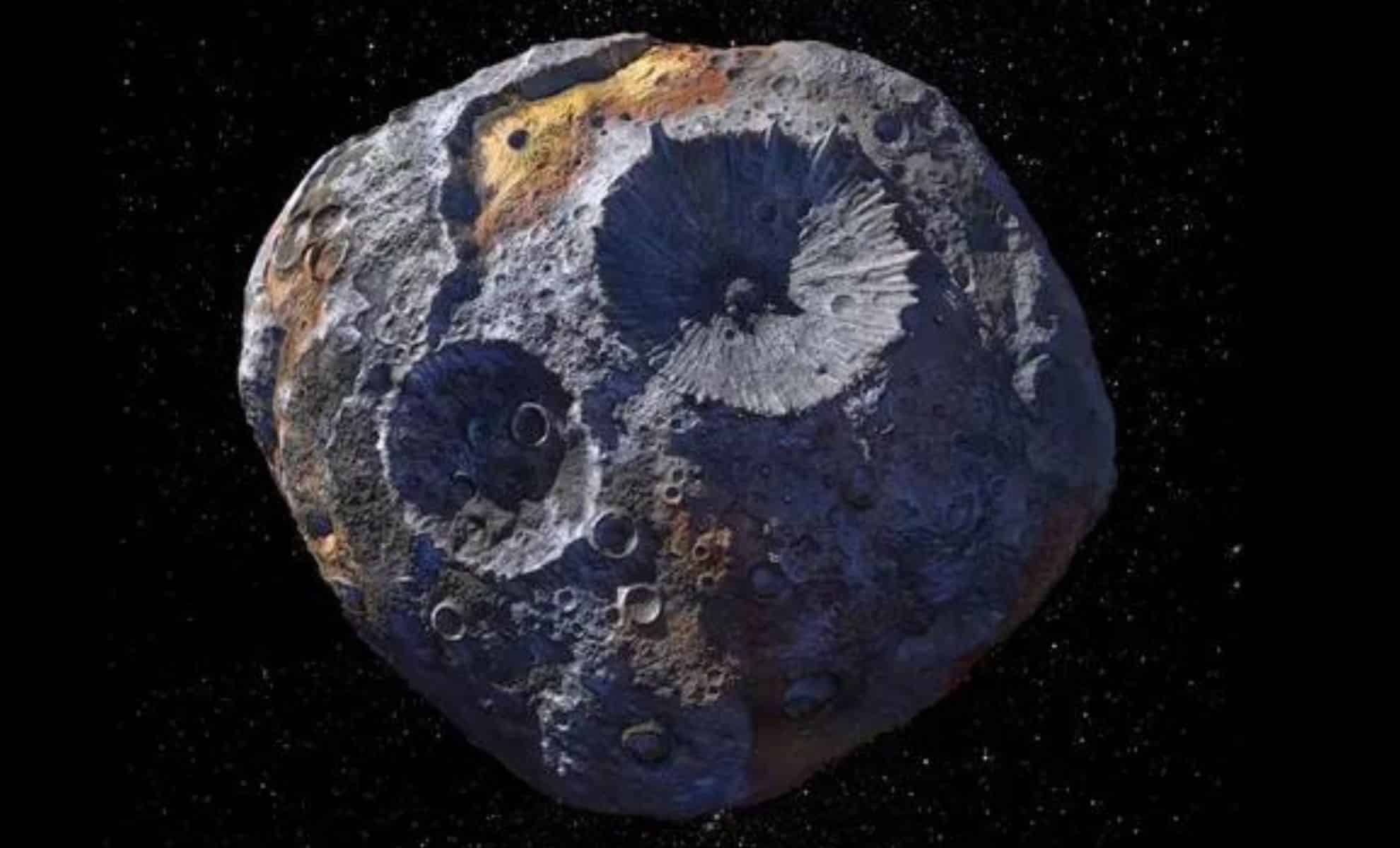
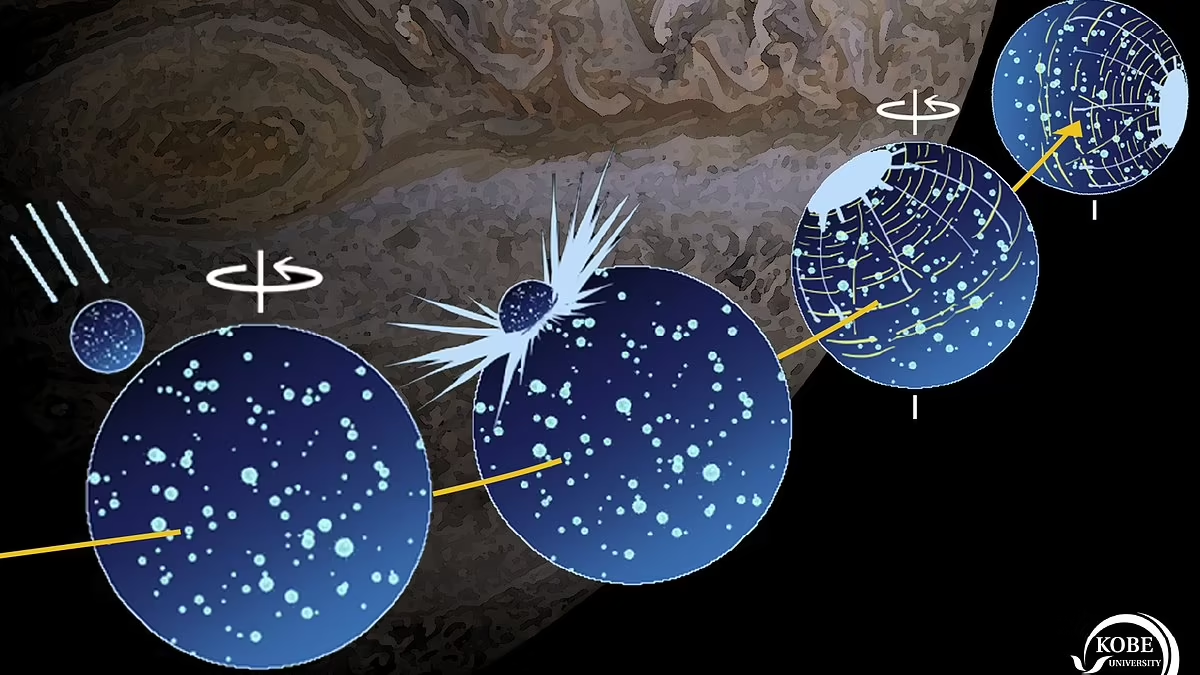
Jupiter’s largest moon, Ganymede, might have undergone a dramatic shift in its axis due to a colossal asteroid impact around 4 billion years ago, according to recent research. The study, published in Scientific Reports, suggests that an asteroid roughly 186 miles (300 kilometers) wide, 20 times larger than the one that caused the extinction of dinosaurs, created a massive crater on Ganymede, leading to significant reorientation of the moon. The impact, which resulted in furrows forming concentric patterns on the moon’s surface, may have been responsible for altering its rotational axis. This new research, spearheaded by Naoyuki Hirata from Kobe University, aims to shed light on Ganymede’s evolutionary history and internal structure. The European Space Agency’s Juice spacecraft, set to reach Jupiter in 2031, may provide critical data to further explore these findings and the potential changes in Ganymede’s geological features.