FDA Authorizes Novavax’s Updated Covid Vaccine for Fall Rollout

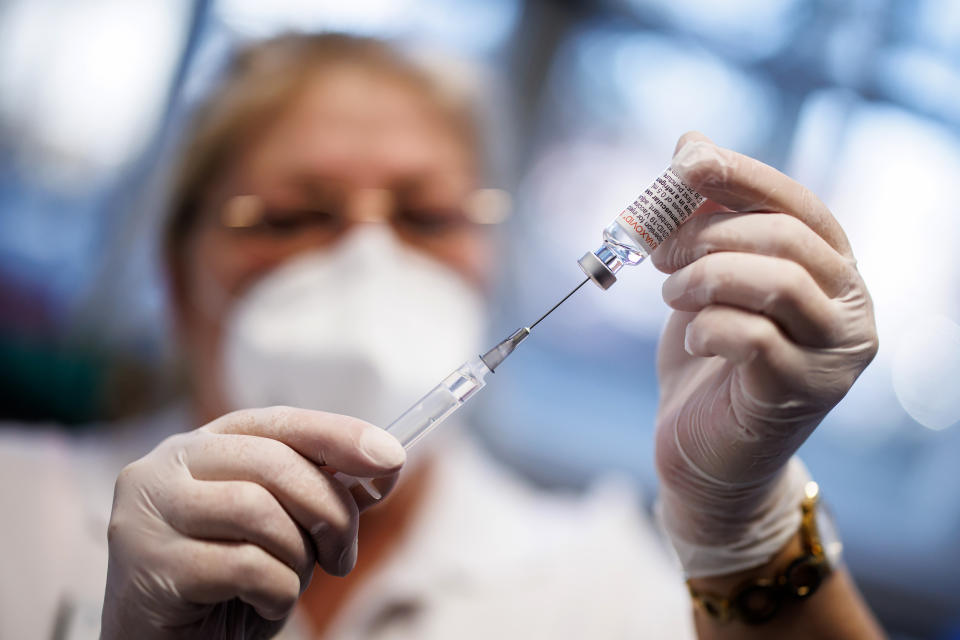
The U.S. Food and Drug Administration (FDA) has authorized Novavax’s updated protein-based Covid vaccine for emergency use in individuals aged 12 and older. This move clears the way for the vaccine to compete with Pfizer and Moderna’s shots in the upcoming fall and winter seasons.

The newly authorized Novavax vaccine targets the Omicron subvariant JN.1, which was prevalent in the U.S. earlier in the year, though it currently only accounts for 0.2% of cases. Despite the variant’s decline, Novavax assures that their vaccine provides robust protection against related strains that are now more dominant in the U.S., including KP.2.3, KP.3, KP.3.1.1, and LB.1.

Unlike the mRNA vaccines from Pfizer and Moderna, which can be rapidly updated, Novavax’s vaccine uses protein-based technology, a tried-and-tested method used in other vaccines like those for hepatitis B and shingles. This makes it an attractive alternative for individuals seeking non-mRNA options.

“We expect our updated vaccine to be broadly available across thousands of U.S. locations, including retail and independent pharmacies as well as regional grocers,” said Novavax CEO John Jacobs in a statement. The news boosted Novavax’s shares by over 8%.

This FDA approval follows last week’s green light for new mRNA vaccines from Pfizer and Moderna, which target a different offshoot of JN.1 called KP.2. Public health officials see the Novavax shot as a valuable option for those hesitant to use the newer mRNA technology.

However, it’s uncertain how many Americans will seek the new vaccines this fall, given that only around 22.5% of U.S. adults received the latest Covid boosters that were released last year.

Fossil Discovery in Venezuela Uncovers Prehistoric Sea Cow Preyed Upon by Both Crocodile and Shark

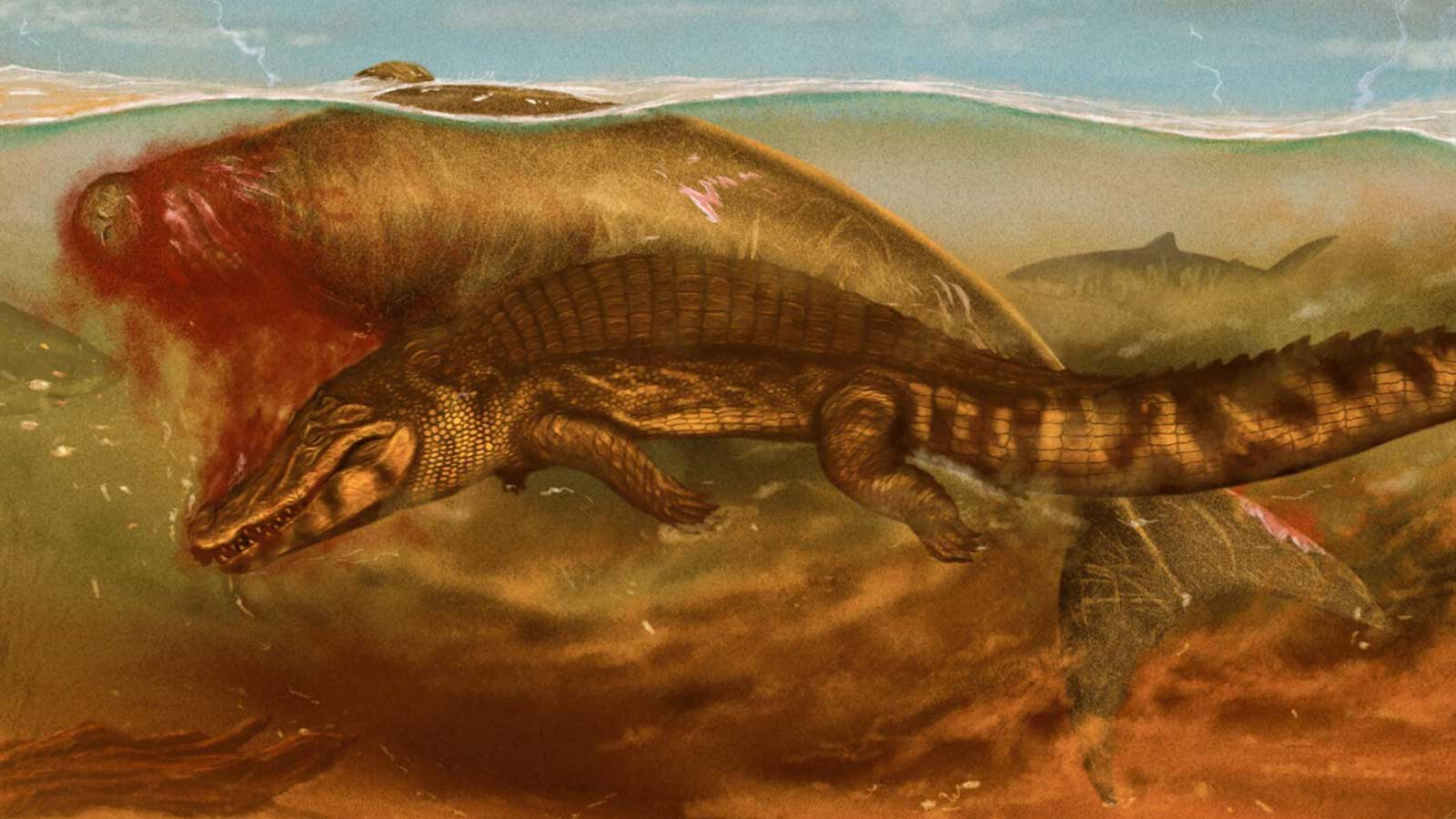
A rare fossil unearthed in Venezuela has revealed a prehistoric sea cow’s grim demise at the jaws of both a crocodile and a tiger shark approximately 15 million years ago. The fossil, belonging to an extinct species of dugong known as Culebratherium, provides a rare glimpse into a violent episode from the Miocene Epoch when this manatee-like marine mammal was attacked by two apex predators.

Scientists analyzed the fossil—a partial skull and 13 vertebrae—and identified evidence of a coordinated attack from both predators. The crocodile, likely a large species measuring between 13 and 20 feet long, appears to have struck first, leaving deep bite marks on the sea cow’s snout, likely in an attempt to suffocate it. Other large incisions suggest that the crocodile dragged the animal during a vicious “death roll,” a behavior seen in modern crocodiles that helps to subdue prey.

The sea cow’s ordeal, however, did not end with the crocodile. After the initial attack, a tiger shark—identified by the discovery of a fossilized tooth lodged in the sea cow’s neck—joined in, scavenging the remains. According to researchers, the bite marks found throughout the sea cow’s body, combined with their irregular distribution and varying depth, suggest that the tiger shark was primarily feeding on the leftovers from the crocodile’s assault.

Aldo Benites-Palomino, the study’s lead author and a doctoral student at the University of Zurich, remarked that finding evidence of two predators on a single specimen is extremely rare and offers invaluable insights into the dynamics of prehistoric food chains. The study, published in the Journal of Vertebrate Paleontology, sheds light on the interactions of marine predators and prey during the Miocene Epoch, roughly 11.6 to 23 million years ago.

Picture background

Despite the compelling findings, determining whether the sea cow was actively hunted by both predators or scavenged postmortem remains a challenge. Dean Lomax, a paleontologist from the University of Bristol who was not involved in the study, pointed out that without direct evidence, it is difficult to say with absolute certainty whether the dugong was alive during both attacks. He noted that it is possible the sea cow had already died and was later scavenged by the two predators.

The fossil discovery came about by chance when a farmer in southern Venezuela stumbled upon the remains in an area not previously known for fossils. Initially, the research team struggled to identify the fossils but eventually recognized them as belonging to a dugong, an ancestor of today’s manatees and dugongs, which can grow up to 16 feet in length.

Today, dugongs and manatees are still preyed upon by sharks and crocodiles, but their size makes them less vulnerable to attacks compared to their prehistoric ancestors. The rare fossil underscores the significance of conducting paleontological research in underexplored regions like South America, where new fossil sites can provide fresh insights into ancient ecosystems.

The research team believes this discovery highlights the need to continue searching for fossils in non-traditional areas such as Venezuela, where the untapped fossil record could hold many more secrets of prehistoric life. As Benites-Palomino expressed, “We have been going to the same fossil sites in North America and China for a long time, but every time we work in these new areas, we constantly find new fossils.”

Gaza’s First Polio Case in 25 Years: A Heartbreaking Story Amid War and Vaccination Struggles

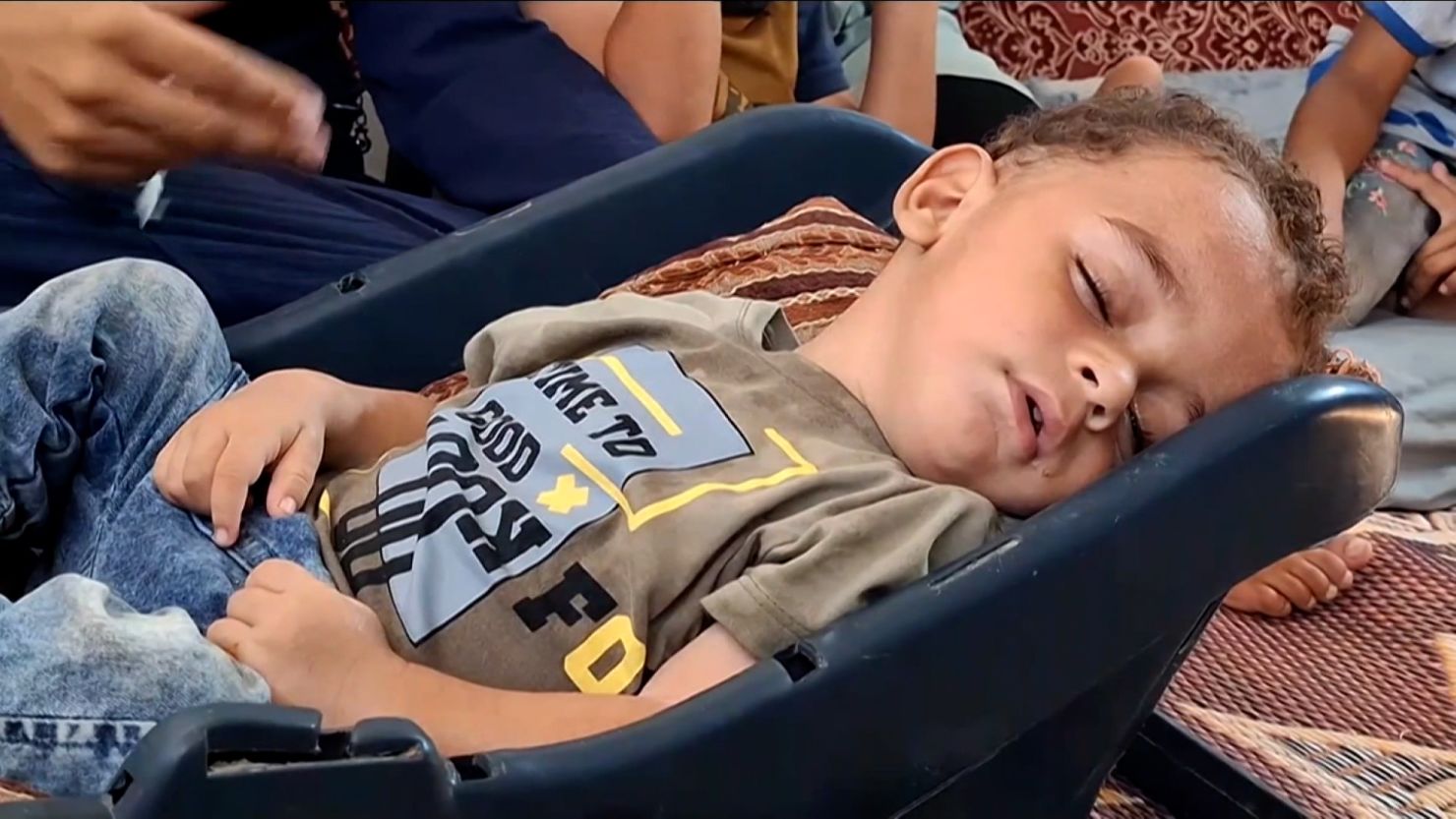
In the war-ravaged Gaza Strip, one-year-old Abdul Rahman lies in a battered car seat, too young to understand the drones circling above or the gravity of the incurable disease now paralyzing his small body. His mother, Niveen Abu al-Jidyan, watches over him in a makeshift tent at Al-Mawasi refugee camp, deeply distressed by her son’s condition. “He can’t stand, sit, or move like before. He is very weak,” she says, helpless as Abdul Rahman battles polio, the first case Gaza has seen in 25 years.

Polio, a once-feared disease that mostly affects children under five, can cause irreversible paralysis and even death, but it is easily preventable with a vaccine. However, amid the ongoing war, Abdul Rahman never received the vaccinations that could have protected him. Once boasting near-universal immunization coverage, Gaza’s rates have plummeted to just over 80%, leaving children like Abdul Rahman vulnerable to preventable diseases.

The World Health Organization (WHO) and UNICEF are working together to roll out a mass vaccination campaign aimed at inoculating 640,000 children under the age of 10 in Gaza, a vital step to prevent the outbreak from spreading. According to WHO, around 95% of the population needs to be vaccinated to halt the virus in its tracks. If this level of coverage isn’t achieved, WHO warns that thousands of children could soon fall victim to the disease.

Picture background

Despite the urgency, the logistics of conducting such a large-scale vaccination drive in a war zone present monumental challenges. Ongoing Israeli bombardments have displaced up to 90% of Gaza’s population, destroyed infrastructure, and severely hampered access to food, water, and medical care. Most of Gaza’s health facilities have been destroyed, leaving only five of the original 22 health centers operational. As Sam Rose, director of planning at UNRWA, explains, “The administration of the vaccine is the easy part. The difficult part is everything else.” Repeated evacuations and the destruction of essential infrastructure continue to hinder aid efforts.

COGAT, the Israeli government agency responsible for coordinating movement into and out of Gaza, has allowed over 25,000 vials of polio vaccine into the strip, along with necessary cooling equipment to maintain the vaccine’s effectiveness. If conditions allow, the vaccination drive is set to begin on August 31. However, for Abdul Rahman, this comes too late.

With Gaza’s healthcare system devastated by war, the Abu al-Jidyan family faces an uncertain future. Polio may have no cure, but there are treatments that can help alleviate its symptoms. Unfortunately, even these limited treatments are likely out of reach for Abdul Rahman due to the lack of medical supplies and facilities in the strip. Desperate, Niveen Abu al-Jidyan pleads for help: “Take him abroad for treatment or find a solution so my son can start walking and start moving again.”

As Gaza struggles to combat both the war and a resurgence of polio, Abdul Rahman’s story is a tragic reminder of the toll that conflict takes on the most vulnerable. The urgency of the vaccination campaign is now more critical than ever, with the future health of thousands of children hanging in the balance.