

Climate Change Behind Mass Disappearance of Alaskan Snow Crabs, Scientists Reveal

Scientists have uncovered more evidence explaining the mysterious disappearance of billions of snow crabs from the Bering Sea in 2022. According to new research from the National Oceanic and Atmospheric Administration (NOAA), the sudden collapse of the population wasn’t due to overfishing, but to the region’s rapidly warming waters. These temperature shifts pushed the crabs’ metabolism into overdrive, leading to mass starvation.

A new study highlights that parts of the Bering Sea are transforming from Arctic to sub-Arctic conditions, an event now 200 times more likely due to human-induced climate change. This marks a drastic shift for the ecosystem, which has long been dependent on the frigid temperatures and icy waters that species like the snow crab require to thrive.

Snow crabs are an Arctic species that prefer waters below 2°C but can tolerate up to 12°C. However, a marine heat wave in 2018-2019 raised temperatures significantly, accelerating the crabs’ metabolism without providing enough food to sustain them. This caused the devastating population collapse, a blow to Alaska’s snow crab fishery, which once generated up to $227 million annually.

Beyond the crabs, the study signals a broader transformation of the region’s ecosystem. Warming waters and receding sea ice have begun to push traditional Arctic species out, while enabling new, warmer-water species like Pacific cod to move in, exacerbating the decline of snow crabs by preying on them.

This drastic change reflects the Arctic’s rapid warming, which scientists note is happening four times faster than the global average. Fisheries, once dependent on cold-water species, now face new challenges. NOAA’s researchers stress that the industry must quickly adapt to these ongoing environmental changes, incorporating new technologies such as drones and artificial intelligence to monitor shifting ecosystems.

The collapse of the snow crab population serves as a bellwether for what’s to come, underscoring the profound and wide-ranging impacts of climate change on both the environment and livelihoods in the region.

How to Witness August’s Rare Super Blue Moon

August 2024 has proven to be a thrilling month for astronomy enthusiasts. Following the peak of the Perseid meteor shower, the month brings another celestial event—a rare super blue moon. This unique lunar phenomenon, a combination of a supermoon and a blue moon, will reach its peak on August 19 at 2:26 p.m. ET.

Supermoons are already an extraordinary sight, as they appear significantly larger and brighter than regular full moons due to their proximity to Earth. The moon’s elliptical orbit means that at certain times it is closer to Earth, at a point known as perigee, which averages about 226,000 miles (363,300 kilometers) from our planet. When a full moon occurs within 90% of this perigee, it is classified as a supermoon. As a result, the moon can appear up to 14% larger and 30% brighter than when it is at its farthest point, or apogee, about 251,000 miles (405,500 kilometers) away.

This August’s super blue moon is particularly special because blue moons themselves are quite rare. A blue moon can be defined in two ways: a monthly blue moon, which is the second full moon in a calendar month, or a seasonal blue moon, which is the third full moon in a season that has four full moons. This particular blue moon is of the seasonal variety. Despite its name, a blue moon doesn’t actually appear blue unless there’s a lunar eclipse, which can give the moon a reddish or bluish tint depending on atmospheric conditions.

Observing the super blue moon is easy and does not require any special equipment. The moon will be visible to the naked eye and can be seen from virtually anywhere, provided the skies are clear. It will rise in the evening and remain visible until just before sunrise. The best viewing conditions are during a clear night without cloud cover. If clouds do obstruct the view on the peak night, the supermoon will still be visible for a couple of days before and after its peak, offering multiple opportunities to catch a glimpse.

In addition to the supermoon, sky-watchers can look out for Jupiter and Mars, which are expected to be visible near the moon. These planets were recently in close conjunction, meaning they appeared very close together in the sky, and they will still be relatively close during the supermoon.

For those looking ahead, 2024 has more celestial events in store. The remaining supermoons of the year are scheduled for September 18, October 17, and November 15. The September supermoon will also feature a partial lunar eclipse, where part of the Earth’s shadow will cover the moon. However, the October supermoon will be the largest of the year, with the moon being just 62 miles closer to Earth than during the August event.

This rare super blue moon offers a perfect reason to step outside and enjoy the beauty of the night sky. Whether you’re a seasoned astronomer or just enjoy the occasional stargazing, this event is sure to be a memorable one.

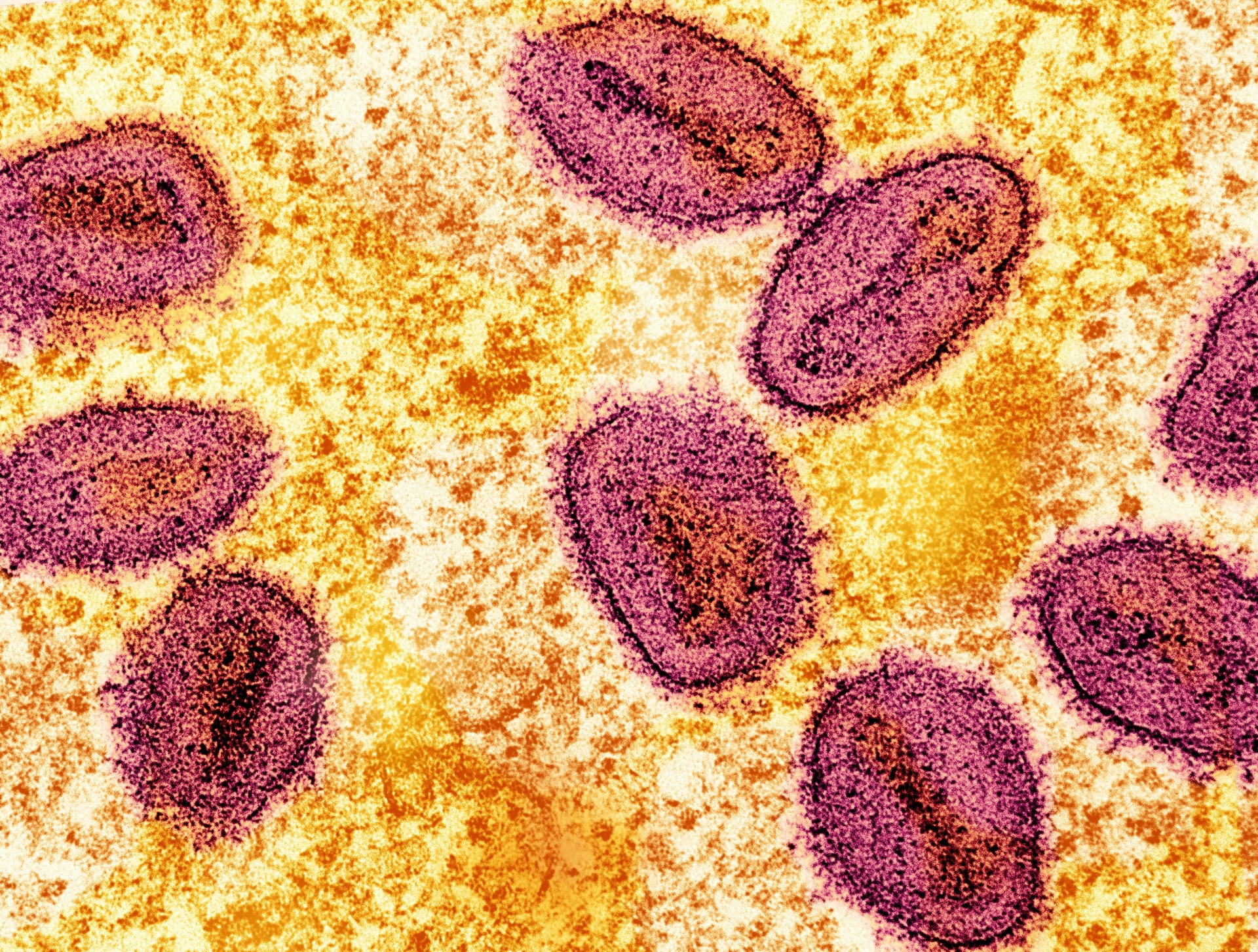
Philippines Reports First Mpox Case of the Year, Awaiting Strain Identification

The Philippines has identified its first mpox case of the year, marking the first occurrence since December 2023. The patient, a 33-year-old Filipino male with no recent travel history outside the country, is currently under observation as health officials await sequencing results to determine the specific strain of the virus. The Department of Health (DOH) has stated that symptoms began over a week ago, starting with a fever, followed by the appearance of a distinct rash across various parts of the body, including the face, back, groin, and soles.

This case adds to the 10 laboratory-confirmed cases of mpox reported by the Philippines since July 2022. Mpox, caused by the monkeypox virus, typically presents with flu-like symptoms and pus-filled lesions, and while generally mild, it can pose serious risks, particularly for children, pregnant women, and individuals with compromised immune systems, such as those living with HIV.

Globally, mpox has been a growing concern, with the World Health Organization (WHO) recently declaring it a global public health emergency. The alarm was raised following an outbreak in the Democratic Republic of Congo that quickly spread to neighboring countries. A new variant of the virus, which appears to spread more easily through close contact, has heightened these concerns. Recent reports have confirmed cases of this variant in Sweden, linked to the African outbreak, and in Pakistan, where at least one case was detected in a patient returning from a Gulf country.

As health authorities in the Philippines and around the world continue to monitor the situation, there is an urgent need for timely identification of the virus strain and effective containment measures. This ongoing vigilance is critical as the global community grapples with the challenges posed by emerging infectious diseases. The latest case in the Philippines underscores the importance of continued public health surveillance and preparedness in addressing potential outbreaks, ensuring that responses are swift and informed by the most up-to-date scientific knowledge.