Boeing and Lockheed Martin in Talks to Sell ULA to Sierra Space in a Potential $2-$3 Billion Deal

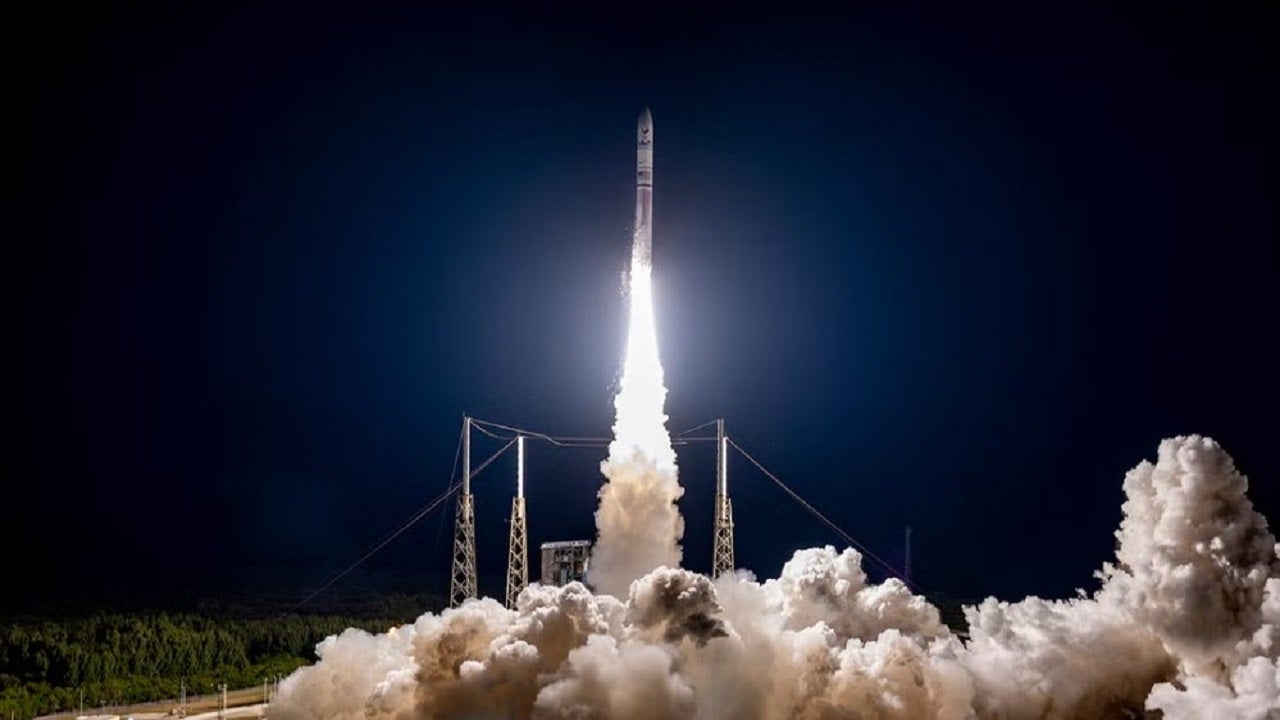
Boeing and Lockheed Martin are in advanced discussions to sell their joint venture, United Launch Alliance (ULA), to Sierra Space, a private aerospace company. The potential deal, which could value ULA between $2 billion and $3 billion, represents a significant shift in the U.S. space launch industry. ULA, a major provider of launch services to the U.S. government and a key competitor to Elon Musk’s SpaceX, has long been dominated by its parent companies, Boeing and Lockheed Martin, two of the largest defense contractors in the world.

This sale would mark a departure from past failed attempts to divest ULA, with previous potential buyers, including Jeff Bezos’ Blue Origin and Cerberus Capital Management, unable to reach an agreement. Sierra Space, spun off from Sierra Nevada Corporation in 2021, aims to use the acquisition to accelerate its space ambitions, including the development of its Dream Chaser spaceplane and a private space station habitat.
Picture background

For Boeing, selling ULA aligns with CEO Kelly Ortberg’s strategy to refocus on its core aerospace and defense businesses, while Lockheed Martin would similarly be shedding a non-core asset. ULA, formed in 2006 to consolidate Boeing’s and Lockheed’s rocket businesses, has struggled to compete with SpaceX’s innovative and cost-effective Falcon 9 rockets. ULA’s new Vulcan rocket, which debuted in 2023, has faced production and scalability challenges, making the timing of the sale critical for the company’s future.

Sierra Space’s potential acquisition of ULA would provide it with in-house launch capabilities, reducing its reliance on external providers and potentially saving hundreds of millions of dollars in launch costs for its spaceplane and space station projects. However, the deal is not yet finalized, and negotiations could still fall through. The sale would also free ULA from Boeing and Lockheed’s control, potentially allowing it to explore new markets such as lunar habitats and maneuverable spacecraft, areas previously resisted by its parent companies.


 

WHO Declares Mpox a Global Public Health Emergency Amid New Outbreak in Africa

The World Health Organization (WHO) has once again declared mpox a global public health emergency, marking the second such declaration in two years. The latest outbreak began in the Democratic Republic of Congo and has rapidly spread to neighboring countries, including Burundi, Kenya, Rwanda, and Uganda, prompting the WHO to take swift action. Mpox, a viral infection that spreads through close contact, typically presents with flu-like symptoms and pus-filled lesions on the body. While generally mild, it can be fatal in rare cases.

The current outbreak in Congo initially involved an endemic strain known as clade I, but a new variant, clade Ib, has emerged, which appears to spread more easily through routine close contact, including sexual contact. This variant’s rapid spread across multiple African nations has raised alarms, leading to the WHO’s decision to declare a “public health emergency of international concern” (PHEIC), the organization’s highest level of alert.

This designation is crucial as it can accelerate global research, funding, and public health measures to contain the outbreak. WHO Director-General Tedros Adhanom Ghebreyesus emphasized the importance of a coordinated international response to prevent further spread and save lives.

The situation in Africa is particularly concerning, with the continent’s top public health body, the Africa Centres for Disease Control and Prevention, also declaring an mpox emergency earlier this week. The continent has reported over 17,000 suspected cases and 517 deaths this year alone, a significant 160% increase compared to the same period last year. So far, 13 African countries have reported cases of the viral infection.

This is not the first time mpox has triggered a global health emergency. In 2022, a different form of the virus, clade IIb, spread internationally, primarily through sexual contact among men who have sex with men. The WHO had declared a public health emergency at that time as well, which was lifted 10 months later after the outbreak was contained.

The reemergence of mpox as a global health threat underscores the need for vigilant monitoring, rapid response, and international cooperation to prevent further escalation of the outbreak.


Japan’s Megaquake Alert: A Prelude to the “Big One”?

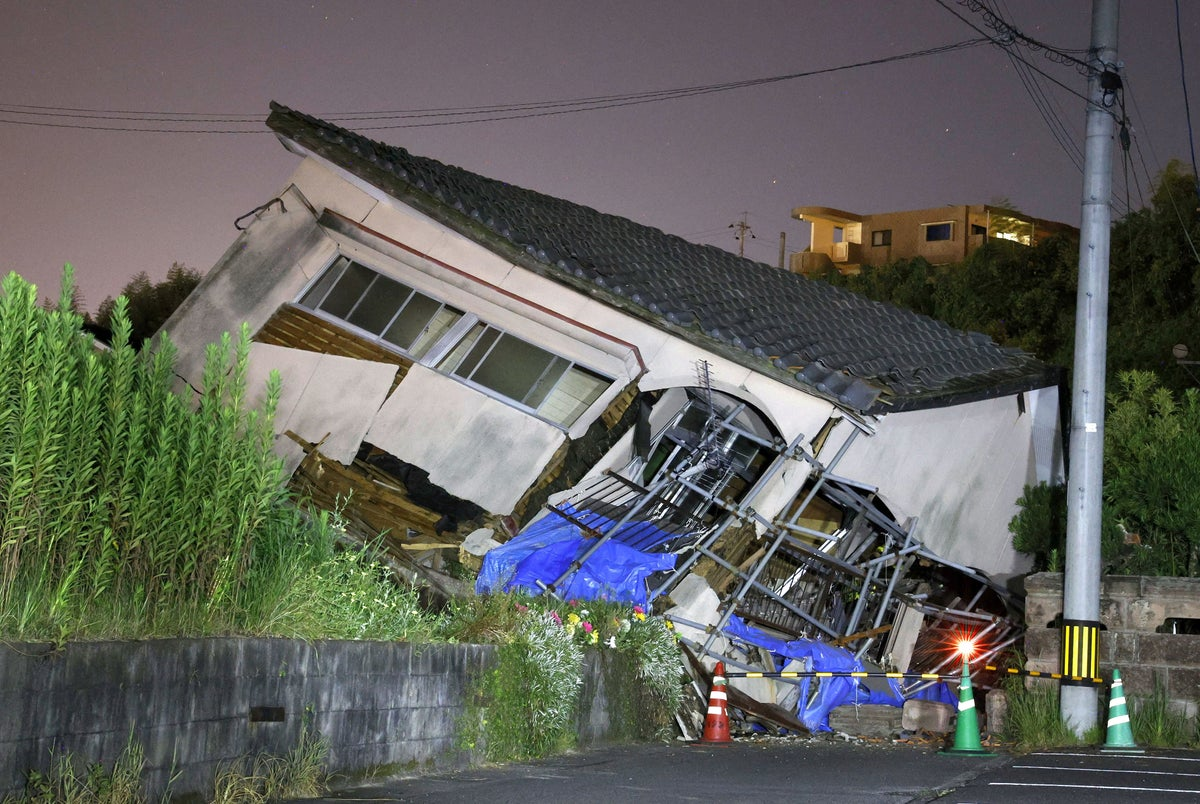
The recent magnitude 7.1 earthquake that struck southern Japan may not have caused significant damage, but it was followed by an unprecedented warning from Japan’s meteorological agency. This alert indicated an increased risk of a “major earthquake,” raising concerns about the long-feared “Big One,” a catastrophic event that could lead to massive casualties and devastation.

Japan, situated on the seismically active Ring of Fire, experiences around 1,500 earthquakes annually. While most are minor, the possibility of a megaquake along the Nankai Trough—a region notorious for its seismic activity—looms large. Historical records indicate that “megathrust” earthquakes in this region occur roughly every 100 years, with the last significant ones in 1944 and 1946. Experts predict a 70-80% chance of a magnitude 8 or 9 quake within the next 30 years, potentially resulting in trillions of dollars in damage and hundreds of thousands of deaths.

Despite the ominous warning, experts remain skeptical about the ability to predict such events accurately. Robert Geller, Professor Emeritus of Seismology at the University of Tokyo, argues that while earthquakes can cluster, it is impossible to predict whether a quake is a foreshock or an aftershock. The Japan Meteorological Agency’s alert, the first of its kind, was designed to encourage preparedness rather than signal an imminent disaster.

Prime Minister Fumio Kishida canceled international travel plans to oversee preparations, reflecting the government’s cautious approach. While some citizens, like Masayo Oshio from Yokohama, feel the alert may be overstated, others are taking the opportunity to ensure they are prepared.

This alert has prompted action across the affected regions, with evacuation shelters being inspected, and residents advised to prepare for potential emergencies. Even in a country accustomed to frequent earthquakes, the specter of the “Big One” ensures that such warnings are taken seriously.