Deep in the Amazon Rainforest: A Community Whose Hearts Age Slowly

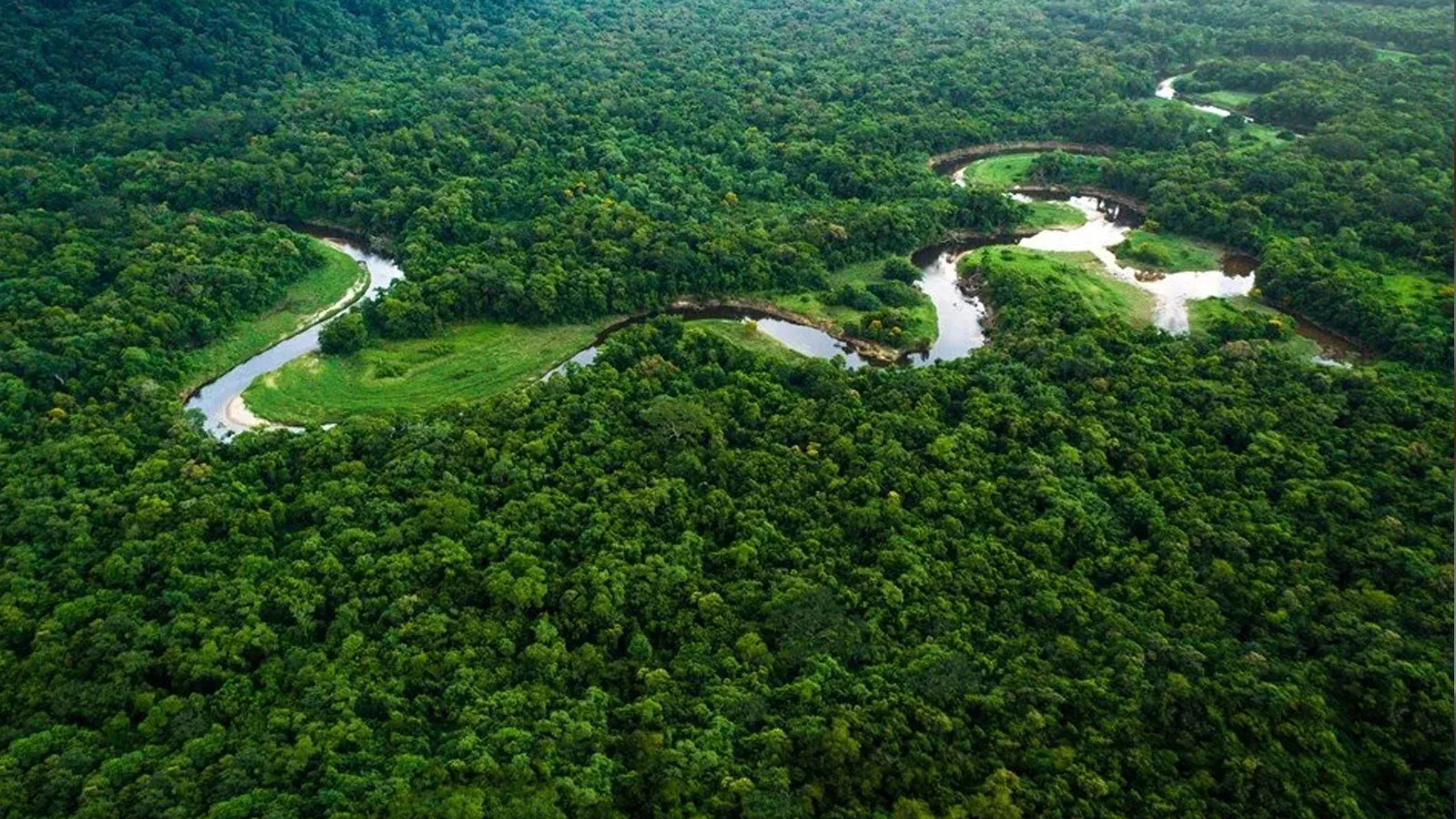
In the heart of the Bolivian jungle, the Tsimane community offers a unique glimpse into aging and health. Despite living in one of the world’s most remote regions, the Tsimane people exhibit remarkably youthful cardiovascular health and slower brain aging compared to industrialized populations.

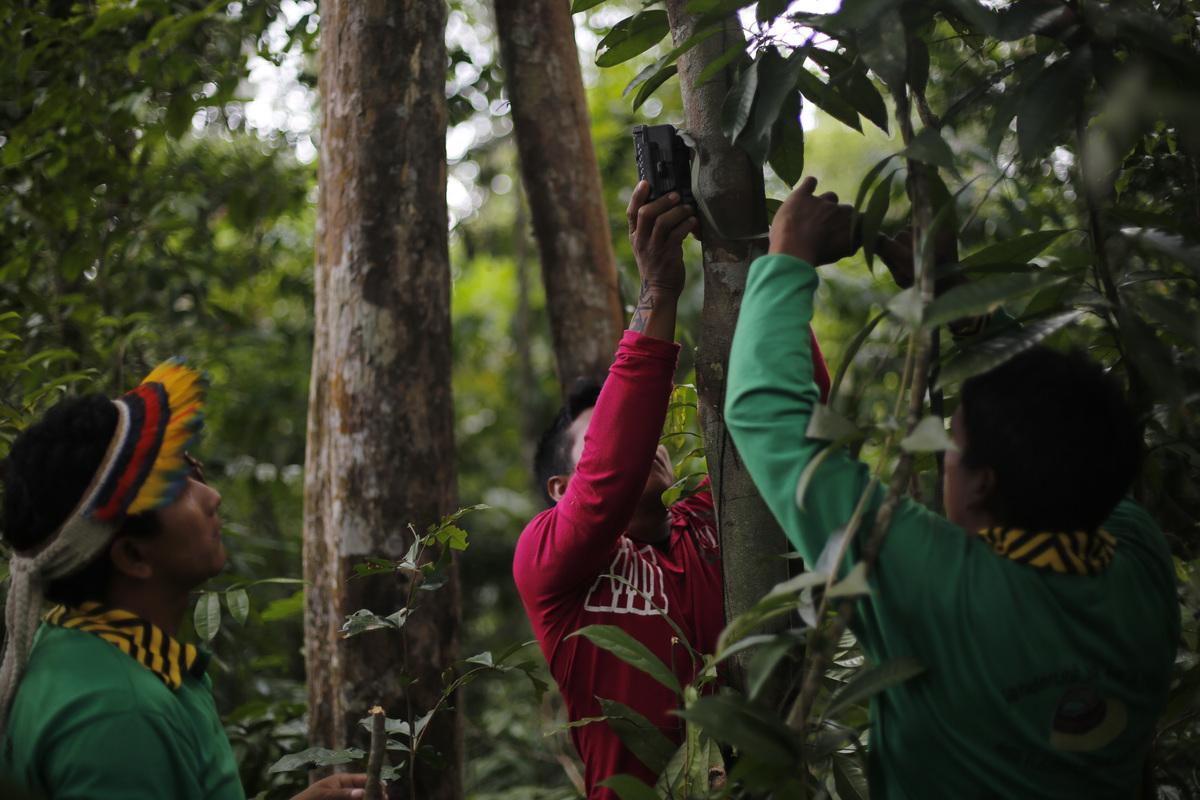
Martina Canchi Nate, a member of the Tsimane, is 84 years old yet exhibits physical vigor uncommon for her age. Her daily activities, such as harvesting yucca and plantains, reflect a lifestyle that significantly differs from modern, sedentary living. This lifestyle is a key factor in the Tsimane’s health, as they engage in high levels of physical activity and subsist on a diet low in fats and rich in carbohydrates and fiber.

The Tsimanes’ exceptional health has drawn the attention of scientists, led by anthropologist Hillard Kaplan from the University of New Mexico. Over two decades, researchers have studied the Tsimane to understand the impact of their traditional lifestyle on aging and health. Their findings reveal that the Tsimanes have some of the healthiest arteries ever documented, with 65% of those over 75 showing no signs of coronary artery calcium (CAC), a marker of heart disease. This contrasts sharply with the majority of Americans of similar age, where 80% have CAC.

Furthermore, a 2023 study published in the Proceedings of the National Academy of Sciences highlighted that elderly Tsimanes experience up to 70% less brain atrophy compared to their counterparts in industrialized countries, and there have been no recorded cases of Alzheimer’s among them.
Picture background

The Tsimanes’ lifestyle includes continuous physical activity, minimal sedentary time, and a diet high in fiber and low in processed foods. Their traditional diet, predominantly composed of carbohydrates and proteins from hunted animals, contrasts with the higher fat intake common in industrialized nations.

Despite their robust health, the Tsimanes face challenges. Life expectancy, once around 45 years, has risen to 50 years due to better healthcare access, though many still experience childhood diseases and high infant mortality. Recent environmental changes, such as forest fires and increased access to processed foods through modern transport, are beginning to affect their health. There are rising cases of diabetes and cholesterol issues among the younger generation.

As their lifestyle shifts with modern influences, the Tsimanes’ health profile is expected to change. Nevertheless, the insights gained from studying this community highlight the profound impact of diet, physical activity, and lifestyle on aging and cardiovascular health. The Tsimanes continue to navigate these changes, maintaining a traditional lifestyle while adapting to new realities, as they face the future with resilience and adaptability.

Meet ‘Eve’: The Robotic Fish Revolutionizing Ocean Studies

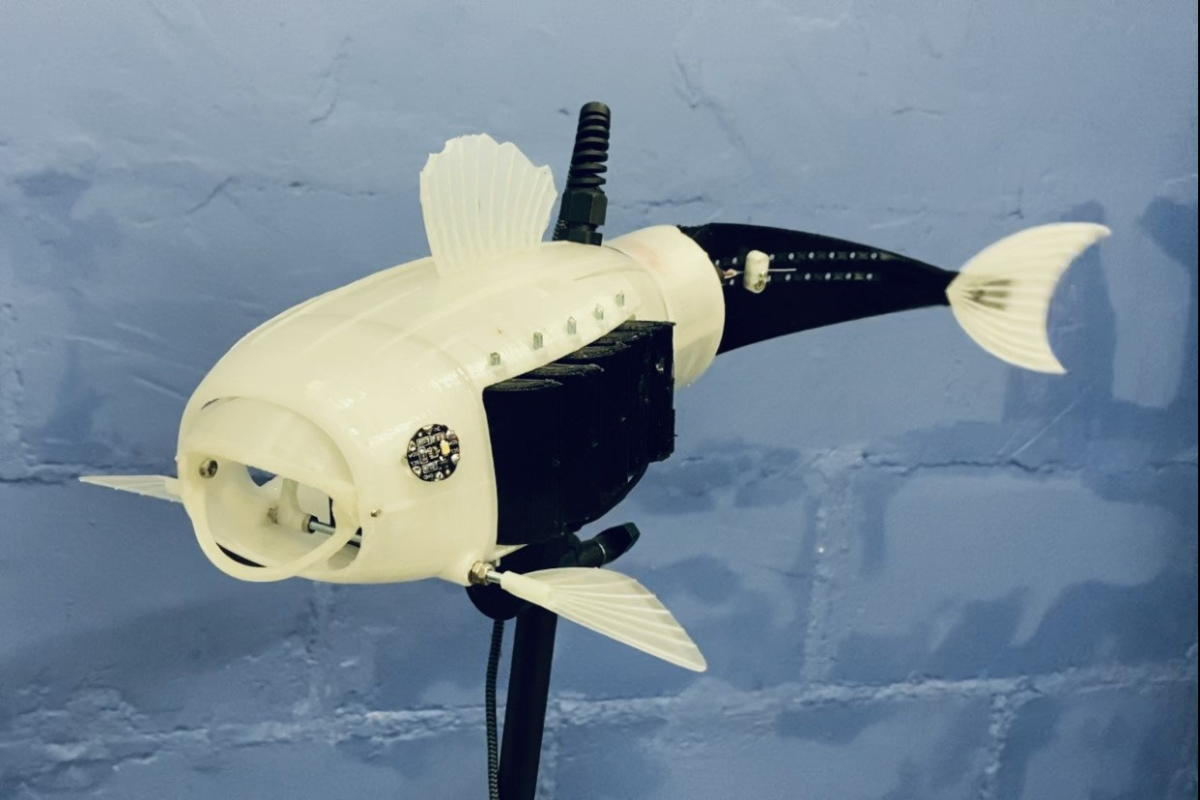
In a groundbreaking development from ETH Zurich, engineering students have introduced “Eve,” a sophisticated robotic fish designed to enhance ocean research. Although stationed 400 kilometers from the nearest sea, Eve is being tested in Lake Zurich by the student-led SURF-eDNA group, which aims to advance how we study aquatic ecosystems.

Eve, with its biomimetic design, mimics the movements of a real fish with a silicone tail and internal pumps that propel it smoothly through the water. This design minimizes disturbance to the local ecosystem, allowing Eve to blend seamlessly with its surroundings, as noted by master’s student Dennis Baumann. The robot’s ability to remain unobtrusive is key to gathering accurate environmental data without disrupting the habitat.

Beyond its lifelike appearance, Eve boasts several high-tech features. It is equipped with a camera for underwater filming, sonar for obstacle navigation, and a specialized filter for collecting environmental DNA (eDNA). This eDNA, shed by organisms in the water, is collected and analyzed to identify the species present in the area, providing a deeper understanding of aquatic biodiversity.

Martina Lüthi, a postdoctoral researcher at ETH Zurich, explains that eDNA can reveal the variety of life forms in a given water body by capturing the genetic material shed by animals. This approach, combined with Eve’s autonomous capabilities, represents a significant leap from traditional methods of collecting eDNA, which often involve manually scooping water samples.

The advancement of tools like Eve is crucial for exploring and protecting the world’s oceans, which cover over 70% of the Earth’s surface yet remain largely unexplored. Innovations such as Aquaai’s clownfish-like drones and deep-sea rovers demonstrate the growing trend towards using advanced technology to monitor and study marine environments.

As climate change, overfishing, and other human activities threaten ocean habitats, sophisticated tools like Eve could become essential for more effective conservation efforts. Baumann and his team hope that by refining their technology, they can offer a reliable, scalable tool for biologists worldwide. Their goal is to help prevent species endangerment and extinction, thereby contributing to the preservation of marine biodiversity.

Eve represents a promising step towards more precise and less invasive environmental monitoring, underscoring the potential of robotics to transform our understanding and protection of the natural world.

3 Key Signs Your Body Is Warning You About Burnout, According to a Psychologist

Balancing work, social obligations, and personal care can heavily impact your mental well-being, potentially leading to burnout. According to licensed clinical psychologist Molly Burrets, burnout is not classified as a mental health disorder but is rather a chronic condition resulting from prolonged stress and fatigue, which can increase the risk of depression and anxiety. Recognizing the signs of burnout early is crucial for prevention and recovery. Burrets categorizes the symptoms of burnout into three main groups: physical, emotional, and behavioral.

Physical Symptoms: Your body might be the first to signal burnout through chronic fatigue, insomnia, headaches, muscle pain, digestive issues, and a weakened immune system. These physical symptoms are often the most noticeable and can severely affect your daily life.

Emotional Symptoms: Emotionally, burnout can manifest as increased irritability, a loss of motivation, feelings of detachment or emotional exhaustion, frustration, and negative attitudes towards work or caregiving responsibilities. These signs are usually more recognizable, as they directly impact your mood and overall mental state.

Behavioral Symptoms: Behavioral changes often serve as coping mechanisms for stress. Common indicators include overeating, binge drinking, increased substance use, procrastination, social withdrawal, and a decline in productivity, particularly in the workplace. When these behaviors become evident, it’s a strong indication that burnout has taken hold.

Reversing Burnout: If you notice a combination of these symptoms, it’s essential to address them promptly. Burrets suggests first consulting with a healthcare professional to rule out other potential health issues. Then, consider reducing your workload to prioritize self-care. Engaging in regular physical activity, spending quality time with loved ones, exploring new hobbies, practicing meditation, and mindfulness activities can significantly aid in recovery. Burrets emphasizes the importance of setting boundaries and eliminating non-essential tasks to make room for relaxation and self-care, which are vital for overcoming burnout and maintaining long-term well-being.