
Lyme Disease: Rising Incidence and Diagnostic Challenges

Overview:
Lyme disease, caused by the bacterium Borrelia burgdorferi, is increasingly common due to climate change. Transmitted by tick bites, it can present a wide range of symptoms that often complicate diagnosis and treatment.

Transmission:
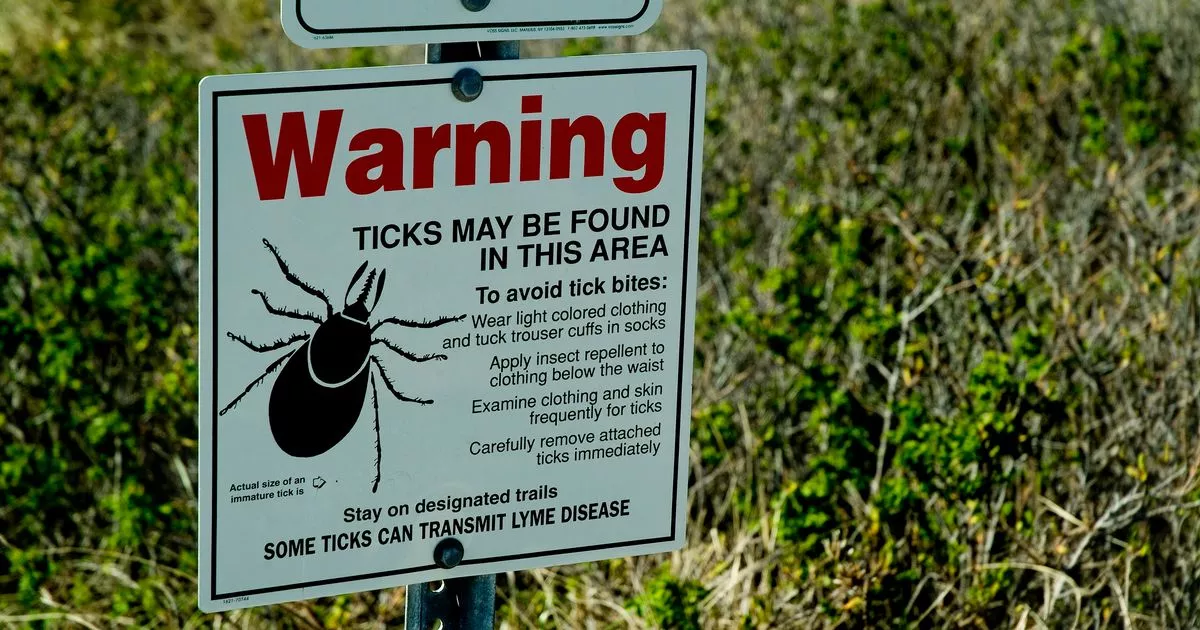
Ticks, tiny arachnids, transmit Lyme disease by injecting the bacteria into the bloodstream through a bite, often unnoticed due to their secretion of an anti-inflammatory substance.
Symptoms:

Early Symptoms:
• Erythema migrans (an expanding rash that often resembles a bullseye but can vary in appearance)
• Flu-like symptoms (fever, chills, headache, fatigue)
• Advanced Symptoms:
• Joint pain and swelling
• Neurological issues (facial paralysis, meningitis, peripheral neuropathy)
• Heart problems
• Severe fatigue
• Pins and needles in extremities

Diagnostic Challenges:
Physicians often struggle with diagnosing Lyme disease due to:

1. Variable Rash Presentation: The characteristic bullseye rash can appear differently, especially on dark skin, and is sometimes mistaken for other conditions like ringworm.
2. Symptom Diversity: Lyme disease affects multiple body systems, leading to symptoms that mimic other conditions, making diagnosis complex.
3. Early Misdiagnosis: Many patients, like Welsh rapper Ren, experience misdiagnoses such as bipolar disorder or chronic fatigue syndrome before being correctly identified as having Lyme disease.

Case Example:
A personal account describes an expanding rash that was misdiagnosed multiple times by medical professionals due to its non-bullseye appearance, delaying appropriate treatment.

Treatment:
When diagnosed early, Lyme disease is typically treated with antibiotics, leading to full recovery. However, delays in treatment can result in chronic symptoms requiring ongoing management.

Awareness and Education:
Improving awareness and education among medical practitioners about the varied presentations of Lyme disease is crucial for timely and accurate diagnosis and treatment.

Conclusion:
As Lyme disease becomes more prevalent, understanding its diverse symptoms and improving diagnostic approaches are essential to prevent long-term health issues and ensure effective treatment.
Scientists Analyse Sound to Help Endangered Animals

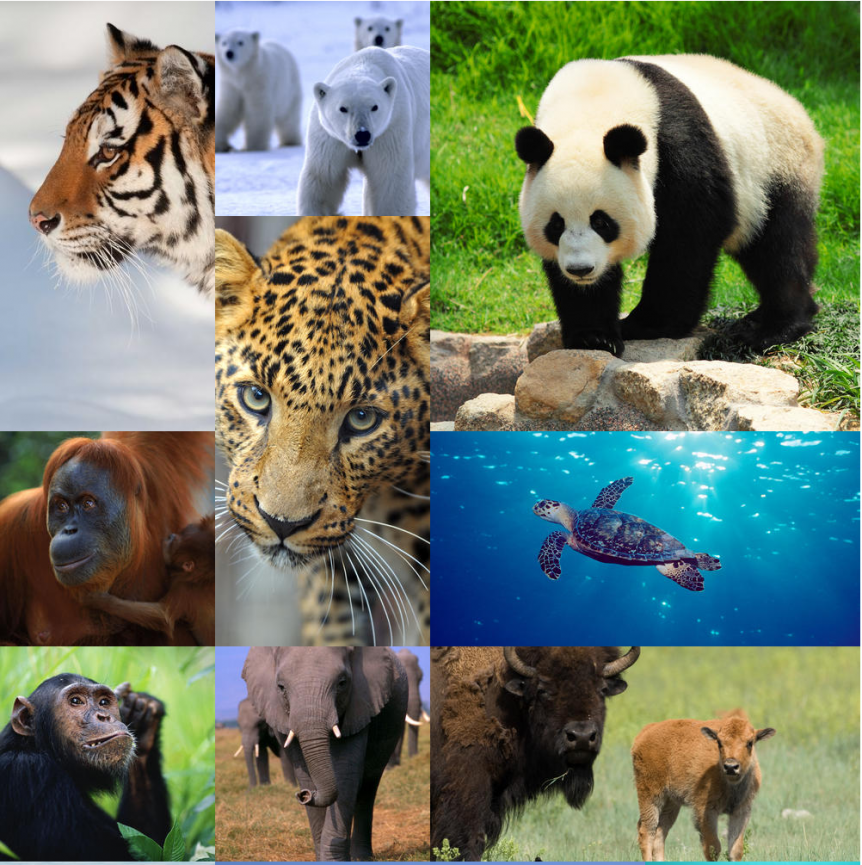
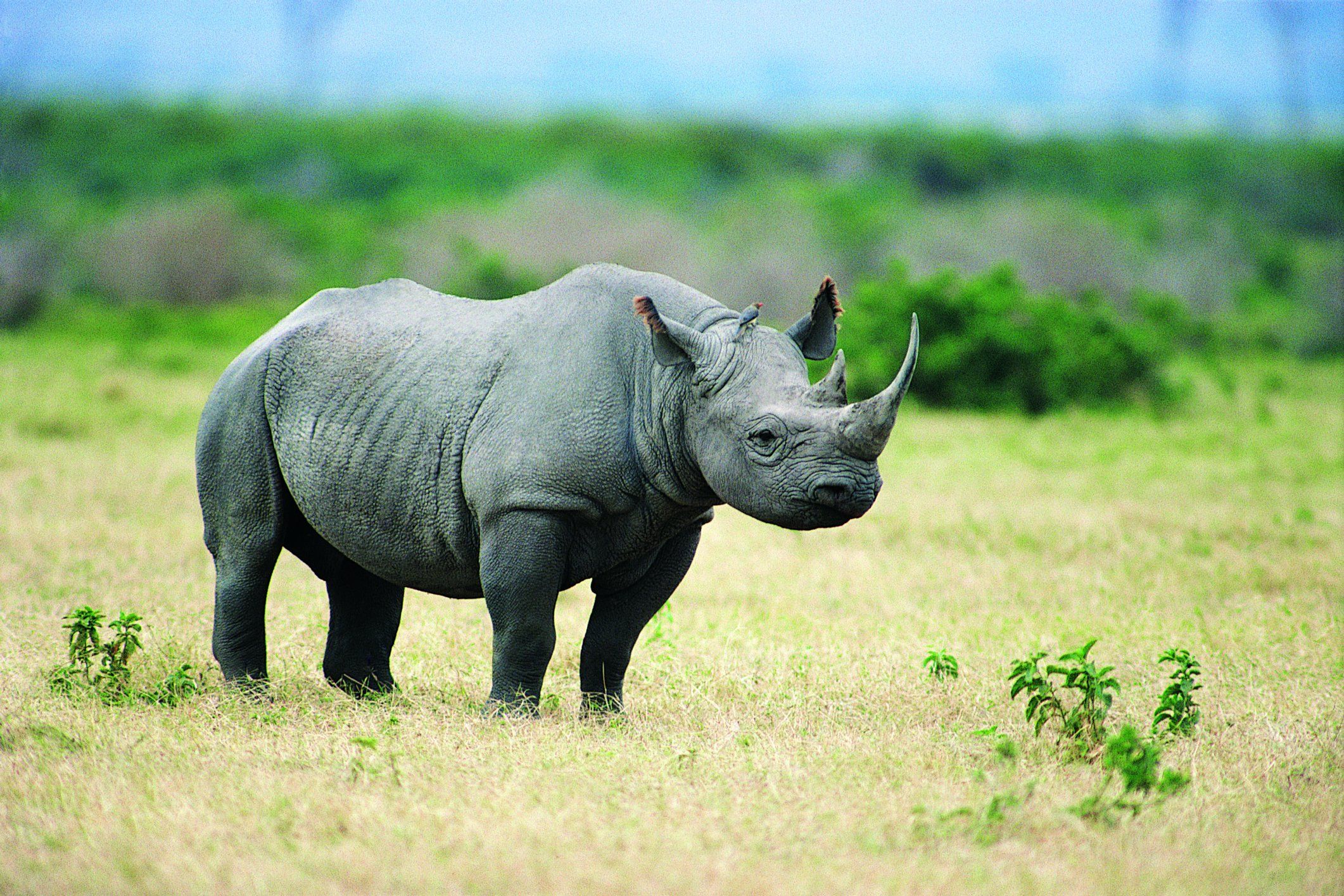
Researchers from Warwick University and Australia’s University of New South Wales are employing a novel method to analyse sounds made by endangered species, aiming to aid their conservation. The study utilizes the superlet transform (SLT), a technique adapted from brain wave analysis in neuroscience, to turn animal signals into images. This allows scientists to estimate population sizes, identify habitats, and track migration patterns.

Lead researcher Ben Jancovich emphasized the method’s accuracy and ease of use compared to traditional techniques, which often struggle with simultaneous time and frequency visualization. The SLT method is particularly effective in spotting familiar shapes and recurring patterns in animal songs.

The research has already revealed that the calls of species like the Asian elephant, southern cassowary, and American crocodile contain “pulsed” sounds. While these findings are based on single recordings and are not yet conclusive, they highlight the method’s potential in providing detailed insights into animal communication.

Understanding the impact of human-generated noise on these animals is also a key focus, with the ultimate goal of informing and improving conservation strategies for endangered species.

Sharks Congregate at California Beach: AI Aims to Keep Swimmers Safe

On summer mornings, local kids gather at Padaro Beach, California, to learn surfing in gentle waves. Recently, the beach has also attracted juvenile great white sharks, prompting the launch of SharkEye, an initiative by the University of California Santa Barbara’s Benioff Ocean Science Laboratory (BOSL).

SharkEye uses drones to monitor underwater activity and sends alerts to about 80 people, including lifeguards, surf shop owners, and parents of children taking lessons, if a shark is spotted. Similar initiatives have been implemented from New York to Sydney, using drones to enhance beach safety. However, human-monitored drones detect sharks only about 60% of the time due to challenges like choppy water and sun glare.

SharkEye serves as both a research program and a community safety tool, analyzing shark behavior and feeding footage into a machine learning model to train it to detect great white sharks near Padaro Beach. Neil Nathan, a BOSL project scientist, emphasizes the potential broader impact of automated shark detection for communities beyond California.