Biogen Surpasses Q2 Expectations and Raises Outlook as Alzheimer’s Drug Leqembi and New Products Drive Growth

Biogen reported second-quarter earnings and revenue that exceeded estimates, leading to an increase in the company’s full-year guidance. The improved outlook is attributed to the successful implementation of cost-cutting measures and stronger-than-expected sales of the Alzheimer’s drug Leqembi and other new products. Biogen now projects full-year adjusted earnings to be between $15.75 and $16.25 per share, up from the previous forecast of $15 to $16 per share.

Despite expecting a slight decline in 2024 sales, Biogen is optimistic about its growth prospects. Leqembi, developed in partnership with Eisai, has shown promising sales figures, generating approximately $40 million in Q2, surpassing the $31 million expected by analysts. This is a significant increase from the $10 million in sales reported last year. However, Leqembi faces regulatory challenges in Europe due to concerns about brain swelling and bleeding risks, which Biogen is currently addressing.

CEO Chris Viehbacher expressed confidence in the company’s new product launches, noting that all are performing in line with or ahead of expectations. Biogen aims to achieve $1 billion in gross cost savings by 2025, with $800 million in net savings. These savings will allow the company to reinvest in new product launches and essential research and development projects.

In addition to Leqembi, Biogen’s acquisition of Reata Pharmaceuticals has brought Skyclarys into its portfolio, which reported $100 million in Q2 sales, exceeding the $92.3 million anticipated by analysts. Skyclarys, approved by the FDA last year, is the first treatment for Friedreich’s ataxia. The company plans to market Skyclarys in 20 countries by the end of the year.

Zurzuvae, the first oral treatment for postpartum depression, also performed well, with Q2 sales of $14.9 million, beating the expected $11 million. However, Biogen’s multiple sclerosis treatments saw a 5% decline in sales, totaling $1.15 billion, due to competition from generics. Despite this, some treatments, like Tecfidera, managed to generate higher-than-expected revenue.
 

Eli Lilly’s Zepbound and Mounjaro Now Available in U.S. After Shortages, FDA Says

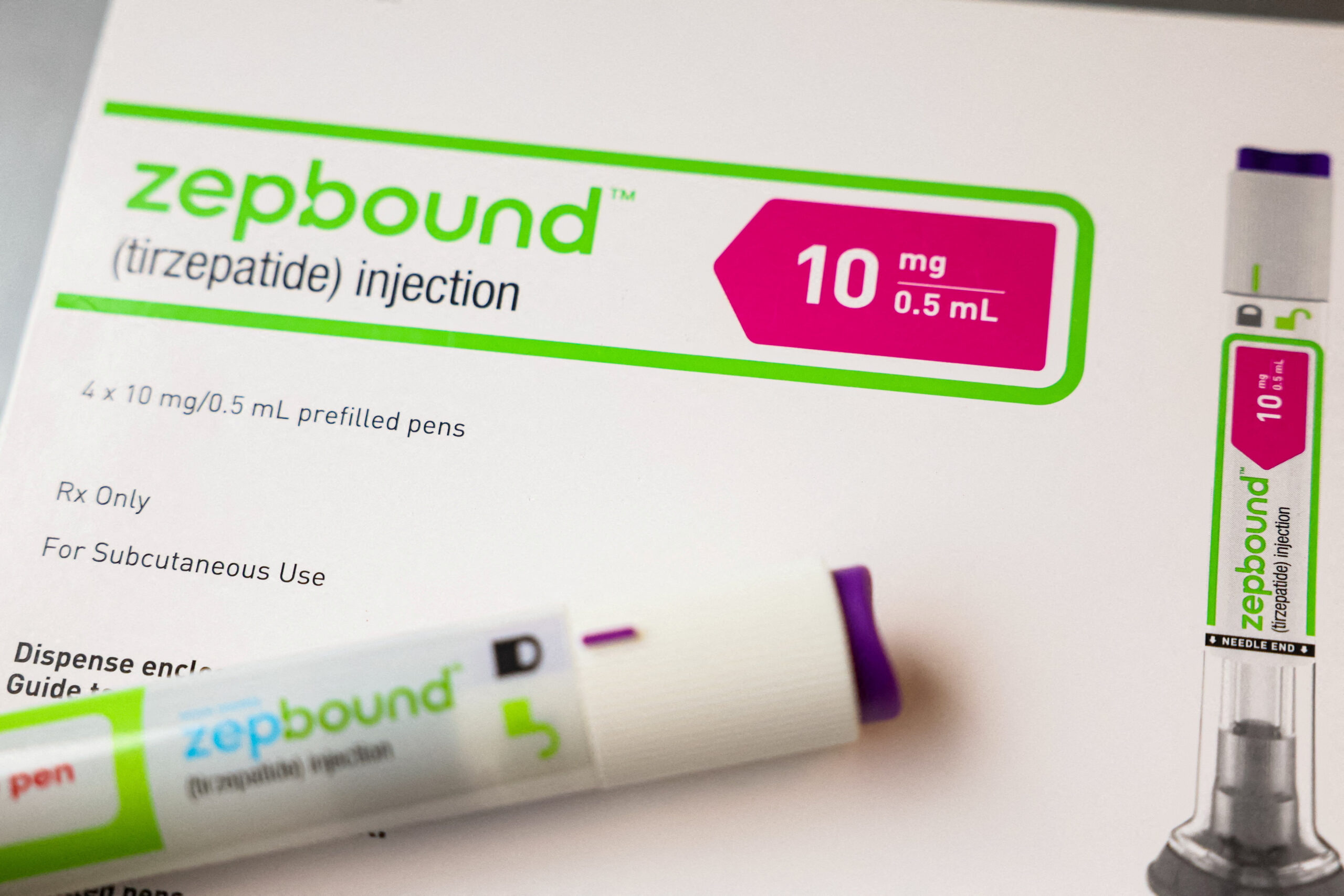
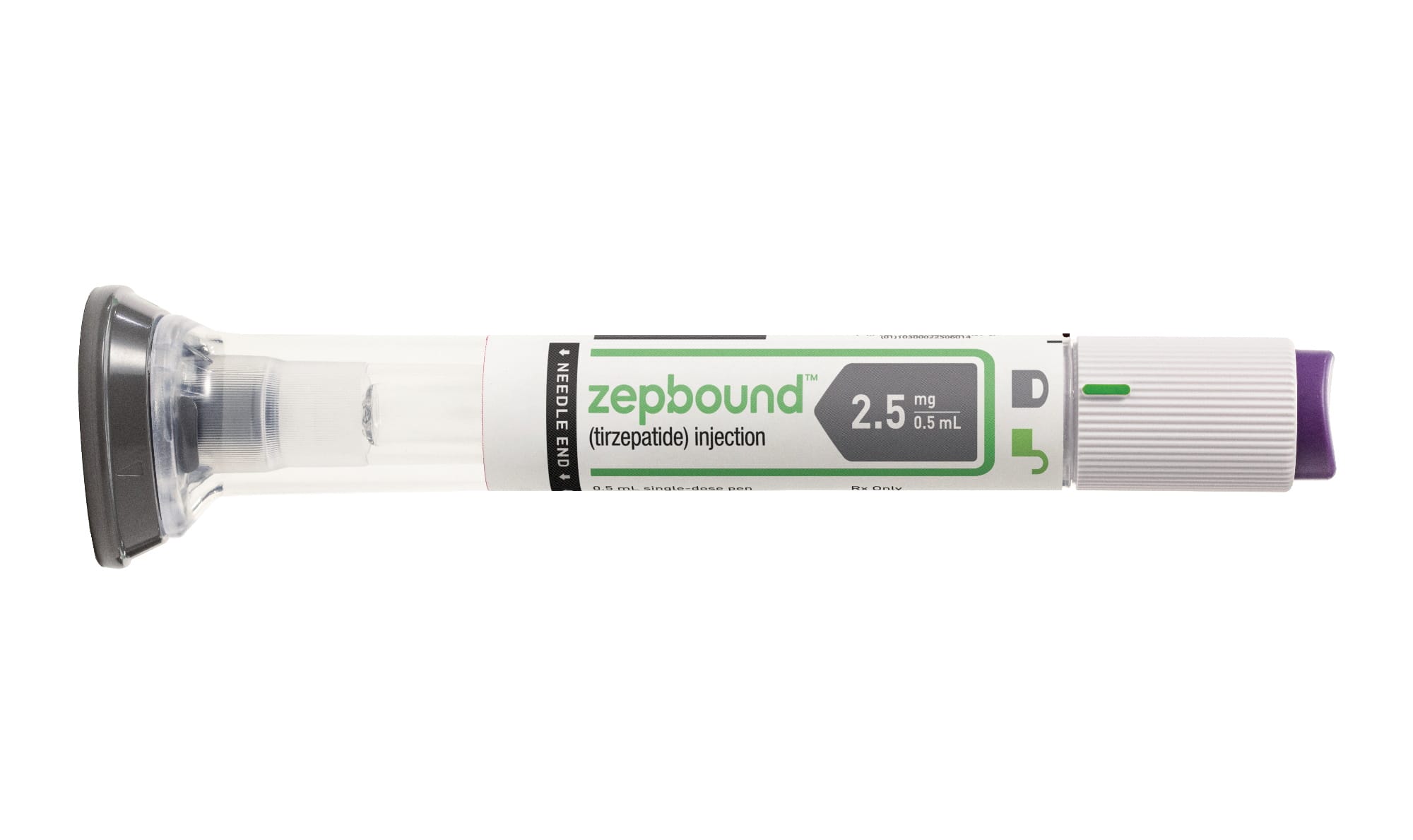
All doses of Eli Lilly’s highly popular weight loss injection Zepbound and diabetes drug Mounjaro are now available in the U.S., according to the latest update on the U.S. Food and Drug Administration’s (FDA) drug shortage database. This follows a period where some doses of these treatments were still in short supply.

Some doses of Mounjaro have been in shortage since early 2022, while Zepbound joined the FDA’s shortage list earlier this year following its U.S. approval in November. The surge in demand for weight loss and diabetes medications has significantly outpaced supply, prompting Eli Lilly and its competitor Novo Nordisk to invest billions in ramping up manufacturing capacities.


The FDA’s update was issued just one day after Eli Lilly CEO David Ricks indicated in an interview with Bloomberg that the shortages of Mounjaro and Zepbound would end “very soon.” “I think actually today or tomorrow we plan to exit that process,” Ricks stated.

The resolution of these shortages is expected to be a significant relief for patients who rely on these medications for managing their weight and diabetes. Both Zepbound and Mounjaro have garnered substantial attention for their efficacy, contributing to the heightened demand.


X-Rays Reveal Tiny Half-Billion-Year-Old Creature in Astonishing Detail

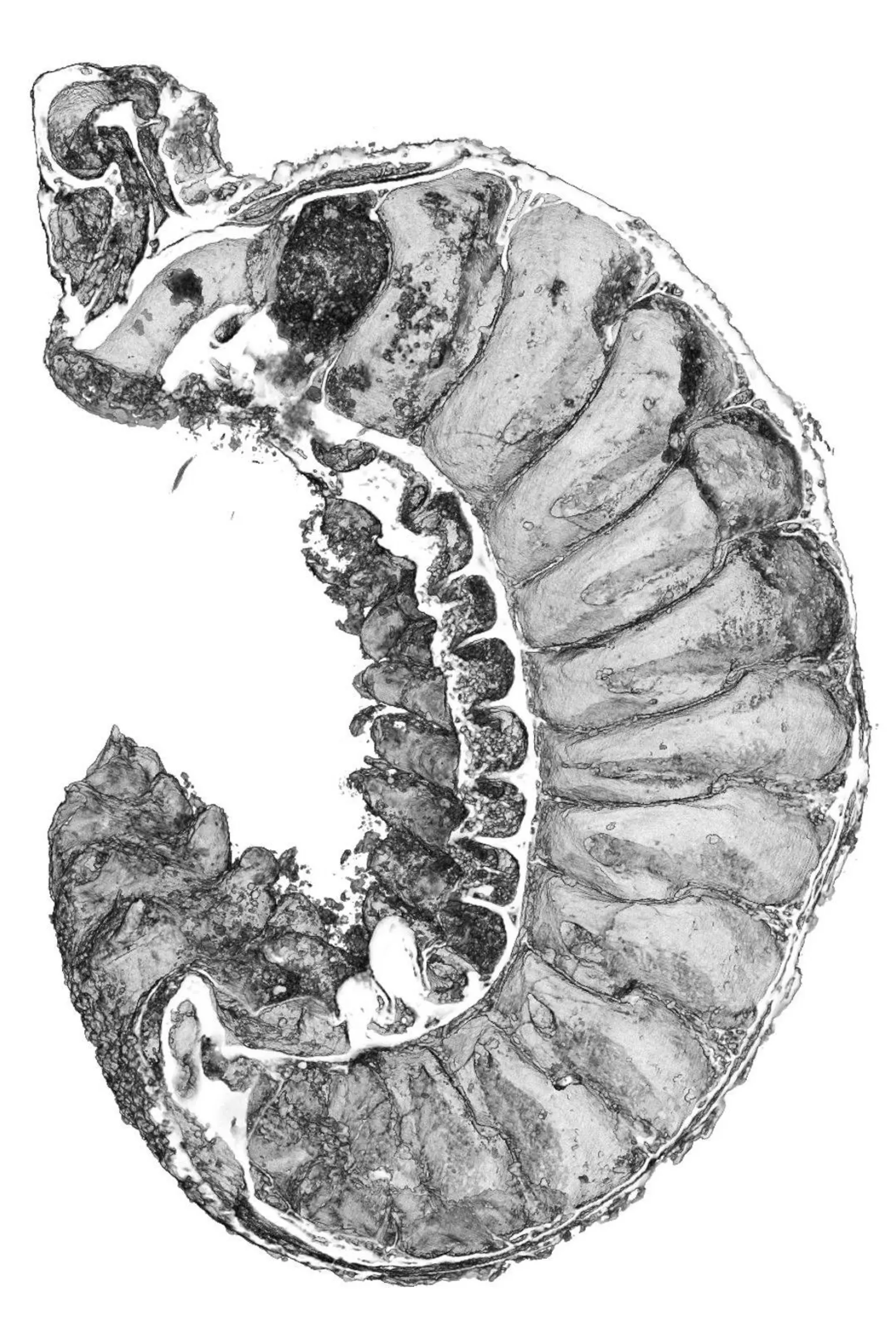
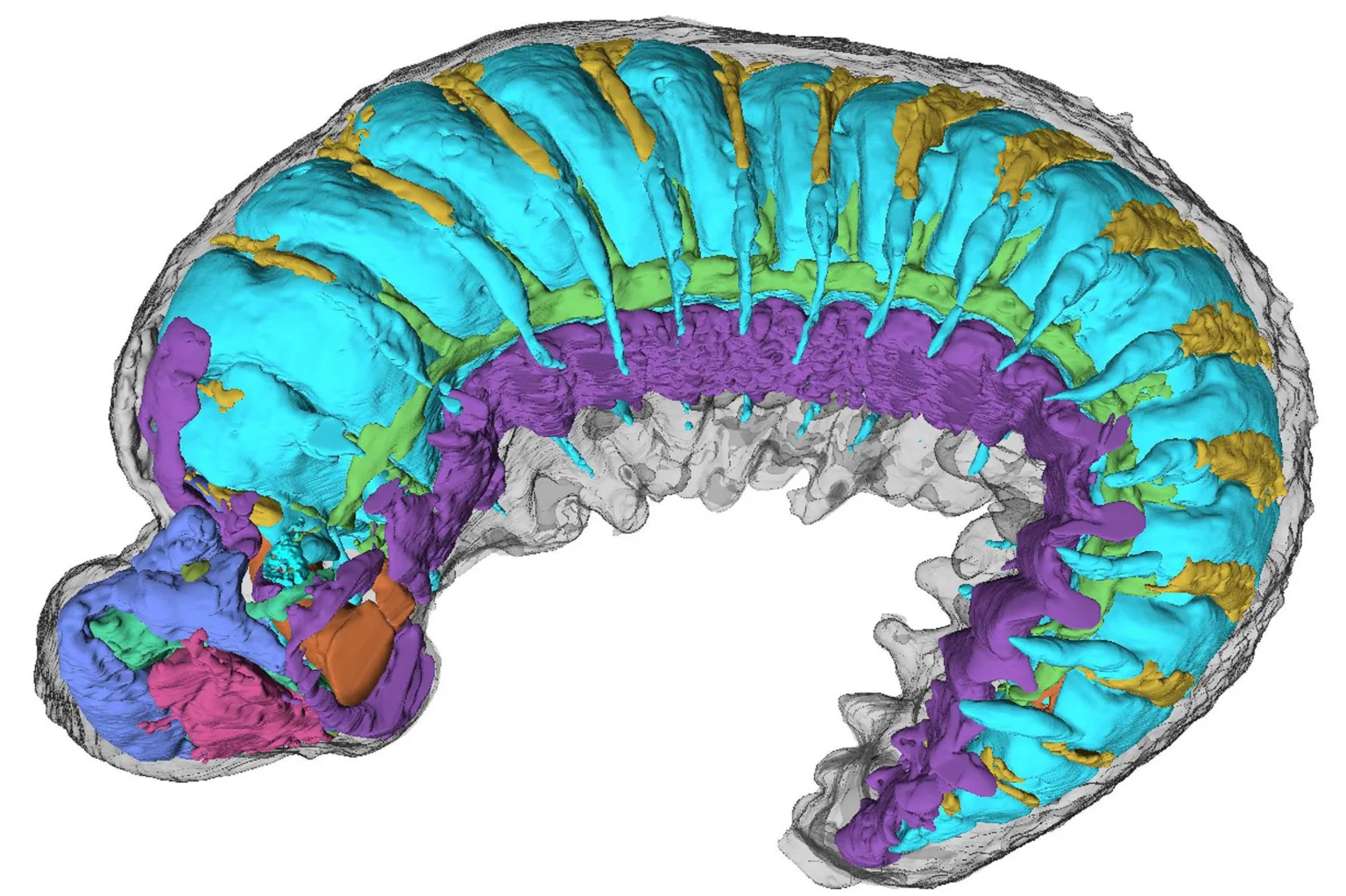
Researchers have uncovered the internal anatomy of a prehistoric creature the size of a poppy seed using powerful X-rays. The 520-million-year-old fossil reveals microscopic blood vessels and a nervous system, providing insight into one of the earliest ancestors of modern insects, spiders, and crabs. The fossil, preserved in its larval stage, offers a rare glimpse into developmental stages crucial for understanding evolutionary and developmental processes.

Lead researcher Dr. Martin Smith described the find as a dream fossil due to its preservation in an immature stage. The fossil was discovered in China among “prehistoric grit” and later scanned with intense X-rays at Oxford’s Diamond Light Source facility. The scans revealed three-dimensional images of the larva’s brain, digestive glands, circulatory system, and nerve traces, showcasing nearly perfect preservation likely due to high phosphorus concentrations in ancient oceans.