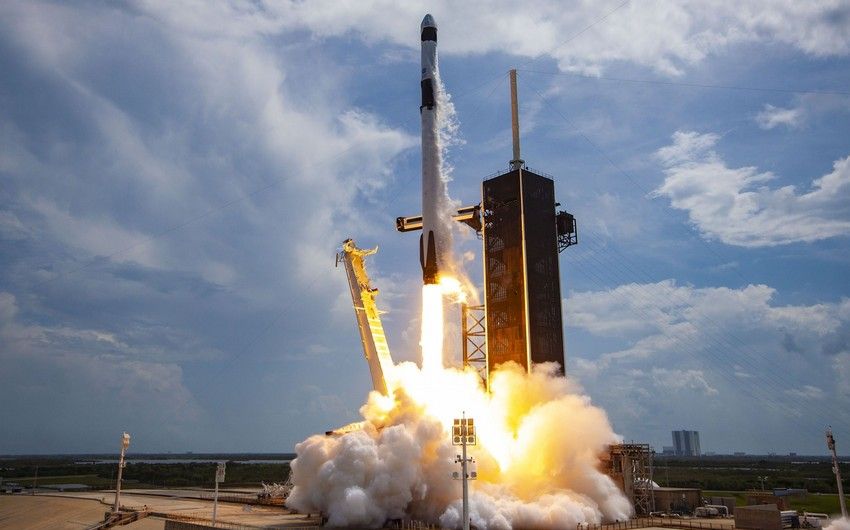
SpaceX Boosts Global Connectivity with Launch of 26 More Starlink Satellites

SpaceX successfully completed another milestone in its mission to expand global internet access, launching 26 additional Starlink satellites into low Earth orbit on Thursday night, June 12. The launch took place at 9:54 p.m. EDT from Launch Complex 4 East at Vandenberg Space Force Base in California. Roughly an hour after liftoff, the satellites were deployed into orbit, pushing the total number of active Starlink satellites to over 7,600—further solidifying SpaceX’s dominance in satellite-based broadband services.

The mission, designated as Starlink Group 15-6, was powered by a Falcon 9 rocket whose first-stage booster (B1081) made its 15th flight—another testament to SpaceX’s unmatched reusability strategy. After successfully completing its mission, the booster executed a precise landing on the droneship Of Course I Still Love You, stationed in the Pacific Ocean. With SpaceX’s record for booster reusability standing at 28 flights, the company continues to push the boundaries of cost-effective and sustainable orbital launches.

This particular mission marked SpaceX’s 72nd Falcon 9 launch of the year, with 53 of those specifically dedicated to Starlink. The expanding satellite network is designed to deliver high-speed internet across the globe, with new capabilities like direct-to-cell service already being tested. These advancements aim to improve connectivity in underserved and remote regions, allowing users with compatible smartphones or compact satellite dishes to access internet and messaging services without traditional infrastructure.

Looking ahead, SpaceX is not only reinforcing Starlink’s global footprint but also paving the way for next-gen applications such as real-time communications for emergency services and in-flight Wi-Fi for airlines. With dozens more launches planned, the Starlink megaconstellation is rapidly shaping the future of broadband—bringing connectivity to corners of the world that were previously out of reach.
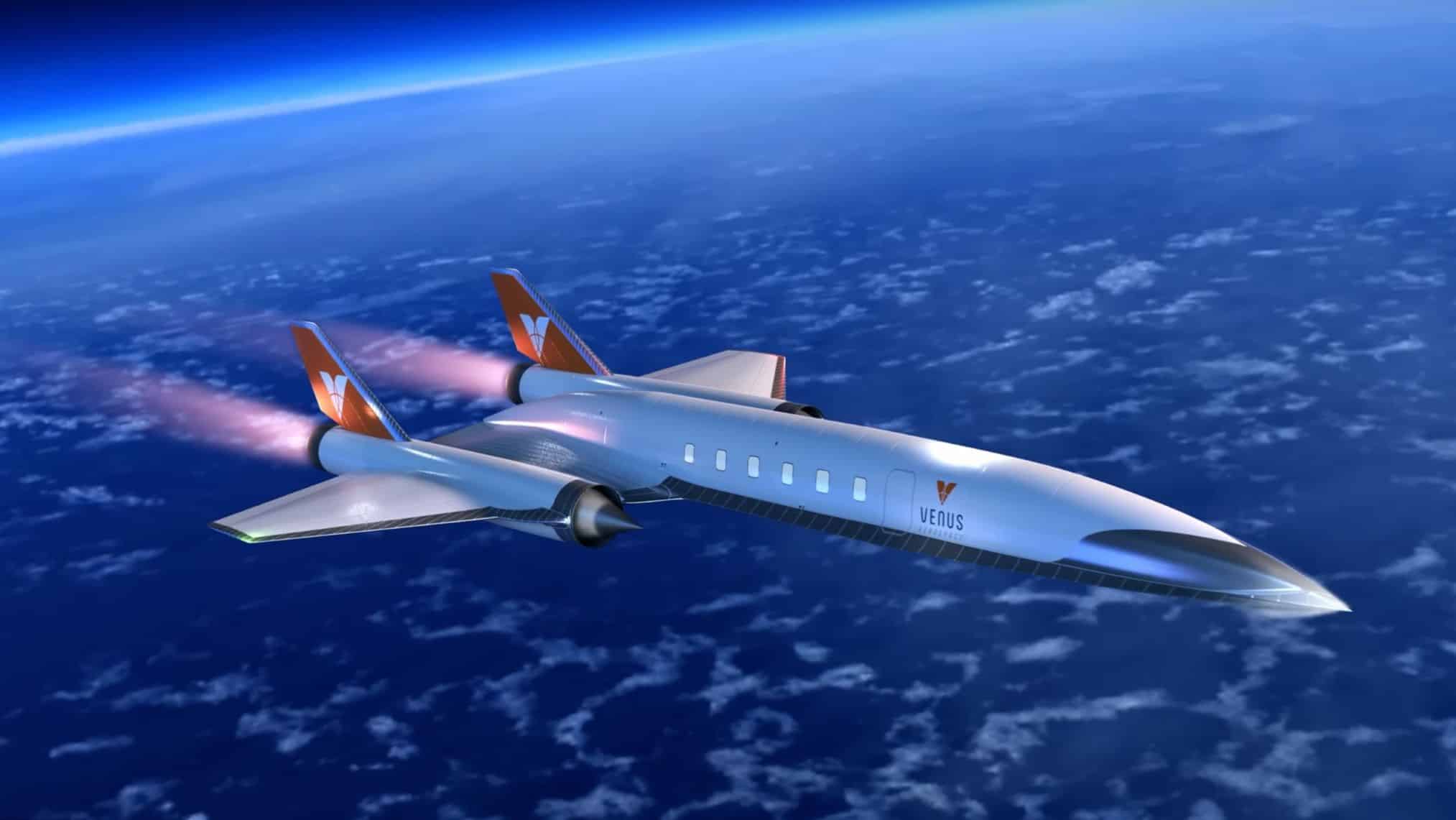
Venus Aerospace Achieves Milestone with First U.S. Flight Test of Revolutionary RDRE Engine

Houston-based startup Venus Aerospace has marked a significant milestone in hypersonic propulsion with the first successful test flight of its rotating detonation rocket engine (RDRE) in the United States. The historic flight took place on May 14 at Spaceport America in New Mexico, representing the first time this groundbreaking technology was tested in real-world flight conditions in the U.S. CEO Sassie Duggleby emphasized that this achievement was the result of five years of dedicated effort toward making hypersonic travel both scalable and practical.

The rotating detonation rocket engine offers a novel approach to propulsion by replacing traditional combustion with a rotating detonation wave, which enhances thrust and fuel efficiency. This innovative design enables speeds projected to reach Mach 6—six times the speed of sound—and could revolutionize space launches by eliminating the need for traditional launchers, allowing aircraft to take off directly from runways. The RDRE is intended to work in tandem with Venus Aerospace’s VDR2 air-breathing detonation ramjet, creating a propulsion system capable of sustained hypersonic travel.

Andrew Duggleby, the company’s CTO, noted that this test was crucial because it demonstrated the engine’s performance outside of controlled laboratory conditions, providing valuable flight data that confirms the engine’s scalability. The combined propulsion system removes the reliance on complex multi-stage rockets or external boosters, potentially reshaping the future of high-speed transportation with more efficient and compact engines.

Looking ahead, Venus Aerospace plans to transition from atmospheric testing to full-scale propulsion tests of their Stargazer M4, a reusable passenger aircraft capable of reaching Mach 4. The company aims to integrate the RDRE technology into commercial aerospace applications, bridging the gap between military and commercial aviation by enabling fast, fuel-efficient hypersonic flight that could transform how people and goods move across the globe.

Sun Ejects Massive 600,000-Mile Plasma Filament in Intense Solar Eruption

A spectacular solar eruption captivated scientists and skywatchers alike, as a massive filament stretching 600,000 miles erupted from the sun’s northern hemisphere. This incredible outburst, occurring around 8 p.m. EDT (0000 GMT), sent a colossal cloud of plasma and magnetic energy hurtling into space. The filament’s length was more than twice the distance between Earth and the moon, making it one of the most impressive solar events observed in recent times. Despite its scale, early models suggest that this fiery eruption, known as a coronal mass ejection (CME), poses no immediate threat to Earth, although researchers continue to monitor the phenomenon closely.

The eruption originated from a filament composed of cooler, denser solar plasma suspended above the sun’s surface by magnetic fields. These filaments often appear as dark, ribbon-like structures across the solar disk and can suddenly become unstable, triggering powerful eruptions. According to reports from Space.com, this event dwarfed recent similar outbursts in both size and intensity. Aurora enthusiast Jure Atanackov described the CME as one of the most spectacular of the year, noting thankfully that it is directed away from Earth toward the sun’s northern regions.

Online, the event quickly gained the nickname “angel-wing” or “bird-wing” eruption due to its vast, wing-like shape as it stretched across space. Another aurora chaser, Vincent Ledvina, praised its striking visual impact, suggesting it’s an eruption worth watching on repeat. The length of this filament eruption, extending over a million kilometers, is not only scientifically significant but also visually stunning. While such coronal mass ejections can lead to geomagnetic storms capable of disrupting satellites, communication networks, and power grids, this particular event is forecasted to miss Earth entirely.

This dramatic solar eruption serves as a vivid reminder of the dynamic and sometimes unpredictable forces emanating from our nearest star. As Solar Cycle 25 approaches its peak in 2025, solar activity is expected to intensify, potentially bringing more powerful and Earth-affecting eruptions in the coming months. For astronomers and casual observers alike, the sun remains both a source of wonder and a critical object of study, underscoring the delicate balance between cosmic power and life on our planet.