NASA’s Lunar Trailblazer Faces Power and Communication Challenges

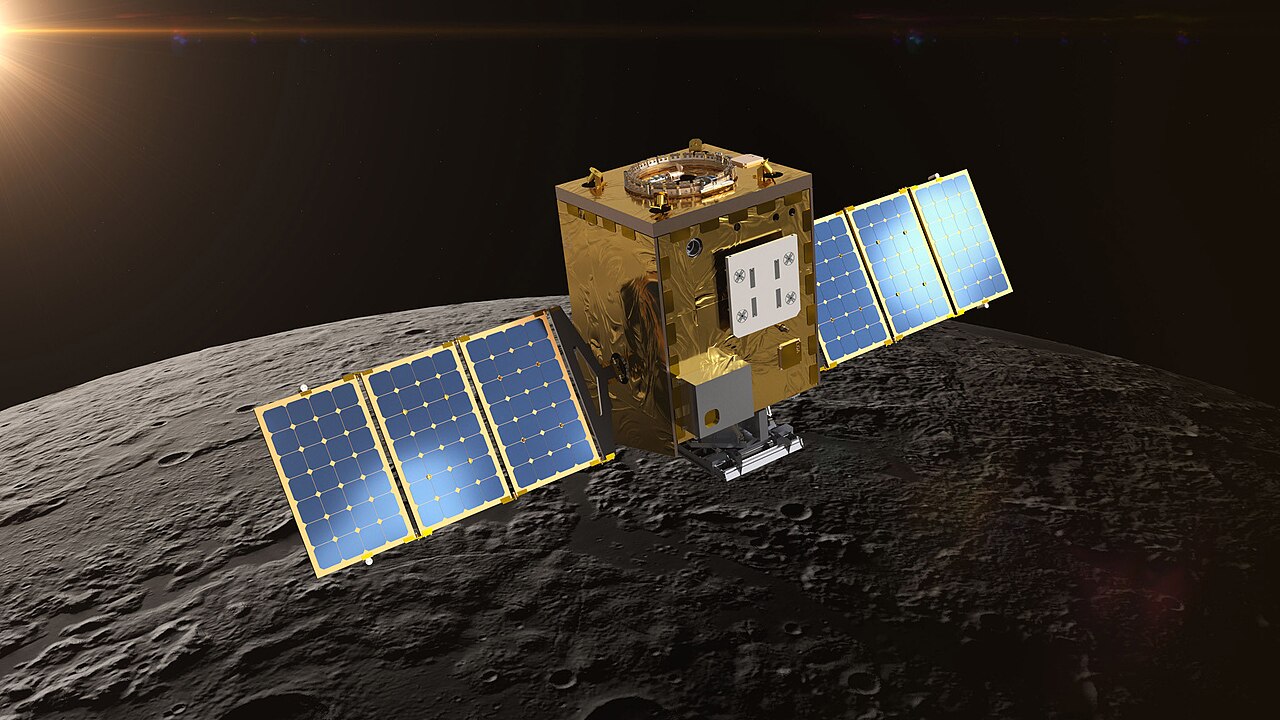
NASA’s Lunar Trailblazer, a small satellite designed to map water ice on the Moon, is facing significant technical challenges following its launch on February 26. The spacecraft, developed as part of a collaboration between NASA and Caltech, has lost contact with ground control and is experiencing power shortages. Prior to losing signal, engineering data indicated that the probe was slowly spinning in space, which has compromised its ability to generate enough power from its solar panels. Despite ongoing recovery efforts, no signal has been received in over a week.

NASA’s Jet Propulsion Laboratory (JPL) reported that ground-based radar data from March 2 suggests Lunar Trailblazer remains in a low-power state. Efforts to locate and reestablish communication with the spacecraft include utilizing NASA’s Deep Space Network and other observatories to track its position. The loss of contact has prevented the satellite from executing its post-launch trajectory correction maneuvers, which are crucial for reaching and maintaining a stable lunar orbit. Engineers are exploring alternative recovery strategies in hopes of salvaging the mission.

Lunar Trailblazer is part of NASA’s SIMPLEx (Small Innovative Missions for Planetary Exploration) program, which prioritizes cost-effective missions while accepting a higher level of operational risk. Built by Lockheed Martin, the 200-kilogram spacecraft was designed to detect and map lunar water ice by analyzing reflected light. Mission operations are managed by Caltech, with Lockheed Martin providing technical assistance. The first signs of trouble emerged shortly after deployment, when communication was initially lost on February 27. A brief signal was received later, but sustained contact has not been reestablished.

The ongoing difficulties with Lunar Trailblazer highlight the challenges of operating small satellites in deep space. While cost-effective, such missions can face significant risks, particularly when relying on limited power sources and autonomous systems. The situation remains uncertain, but recovery efforts continue in the hope of restoring communication and enabling the spacecraft to fulfill its mission objectives.
Athena Lunar Lander Achieves Successful Touchdown Near Moon’s South Pole on IM-2 Mission

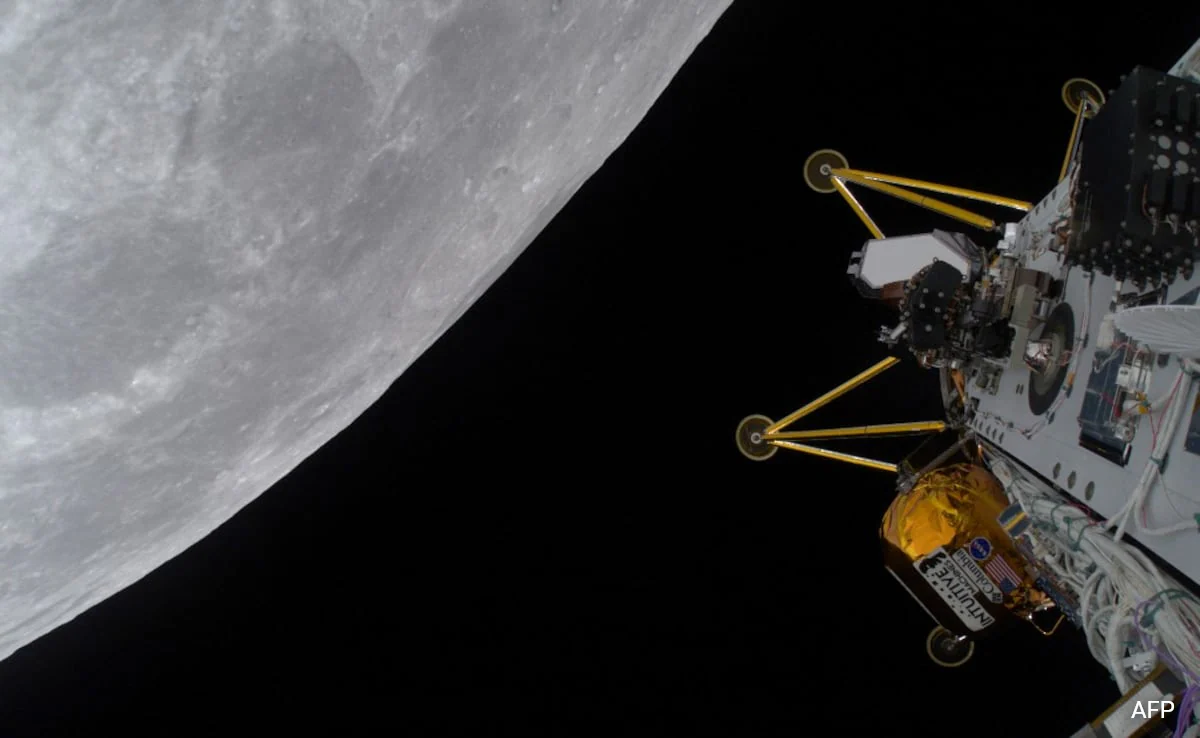
The Athena lunar lander, developed by Intuitive Machines, has successfully landed near the Moon’s south pole as part of the IM-2 mission. While the spacecraft has reached the lunar surface, mission controllers are still assessing its precise condition and orientation. The landing, which took place on March 6 at 12:32 p.m. EST, marks a significant milestone for NASA’s Commercial Lunar Payload Services (CLPS) initiative. The mission aims to deploy scientific instruments that will explore lunar resources and test new technologies for future exploration efforts. A post-landing press conference is scheduled to provide further updates on the lander’s status.

Mission and Landing Details

The IM-2 mission was launched on February 26 aboard a SpaceX Falcon 9 rocket from NASA’s Kennedy Space Center in Florida. Athena entered lunar orbit on March 3, and due to the precision of its approach, no additional course corrections were necessary. The lander’s descent involved automated maneuvers, including Terrain Relative Navigation and Hazard Detection and Avoidance, to ensure a safe landing at Mons Mouton, a region near the Moon’s south pole believed to contain ice deposits.

Scientific Objectives and Technology Demonstrations

Athena carries several payloads designed to analyze the lunar environment and potential resources. Among its key objectives is the study of water ice deposits that could support future lunar missions. The lander also includes technology demonstrations for autonomous landing systems and communication relays, which could benefit upcoming human and robotic missions to the Moon. If fully operational, Athena will provide crucial data that will help shape future exploration strategies.

Future Lunar Exploration Efforts

The success of Athena’s landing is an important step in advancing commercial lunar exploration. Intuitive Machines, along with other private companies, is playing a key role in NASA’s Artemis program, which aims to establish a sustained human presence on the Moon. As mission controllers assess Athena’s status, scientists and engineers are eager to begin analyzing the data collected from the lander’s instruments. If all systems are functioning as intended, Athena could contribute valuable insights into the Moon’s geology and its potential for supporting long-term exploration.

ISRO Achieves Successful Test of Semi-Cryogenic Engine for Upcoming Heavy-Lift Launches

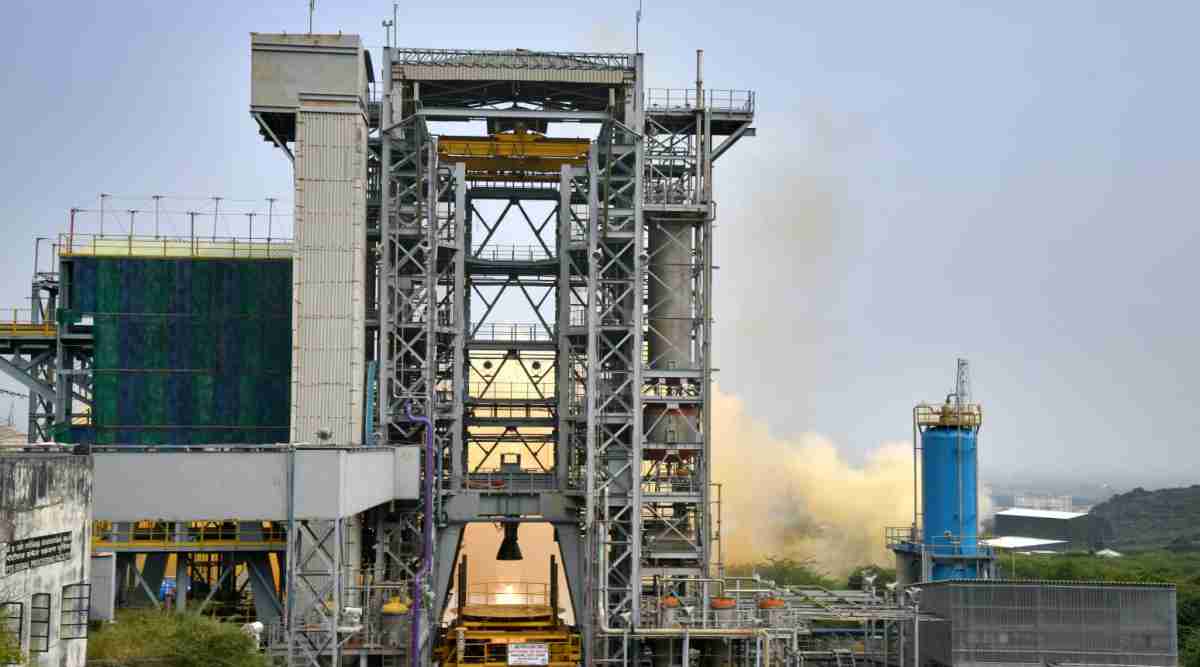
The Indian Space Research Organisation (ISRO) has successfully conducted a hot test on its semi-cryogenic engine, SE2000, marking a major milestone in the development of advanced propulsion technology for future heavy-lift missions. The test, referred to as the Power Head Test Article (PHTA), was designed to assess the integrated performance of critical engine subsystems, such as the gas generator, turbo pumps, pre-burner, and control components. This achievement brings ISRO one step closer to realizing the cryogenic stages needed for launch vehicle booster propulsion, which are essential for heavier payloads in space exploration.

During the test, the semi-cryogenic engine was subjected to a hot-firing that lasted 4.5 seconds, allowing engineers to validate the ignition process of the pre-burner and evaluate the performance of the engine’s key components. Although the propulsion system stood approximately three meters tall, the test was conducted without the thrust chamber, which is a crucial part of the final engine assembly. The success of this test will help pave the way for future evaluations and more advanced stages in the development of ISRO’s heavy-lift capabilities.

Earlier efforts to conduct a similar test were halted in July 2023 at ISRO’s Mahendragiri facility due to technical issues. Following that setback, engineers undertook extensive modifications to improve the reliability of the system. With these improvements in place, the recent successful hot test of the SE2000 demonstrates ISRO’s commitment to advancing its space technology, particularly in the development of semi-cryogenic engines that offer higher performance and efficiency.

The semi-cryogenic engine is designed to produce a thrust of 2,000 kiloNewtons (kN), a significant increase over previous engines and one that will help meet the growing demands of space exploration. By combining higher performance with increased efficiency, this engine promises to enhance ISRO’s capacity to launch heavier payloads into orbit, thus expanding India’s role in global space exploration. As the engine moves closer to becoming fully operational, ISRO continues to make strides toward advancing its heavy-lift launch capabilities.