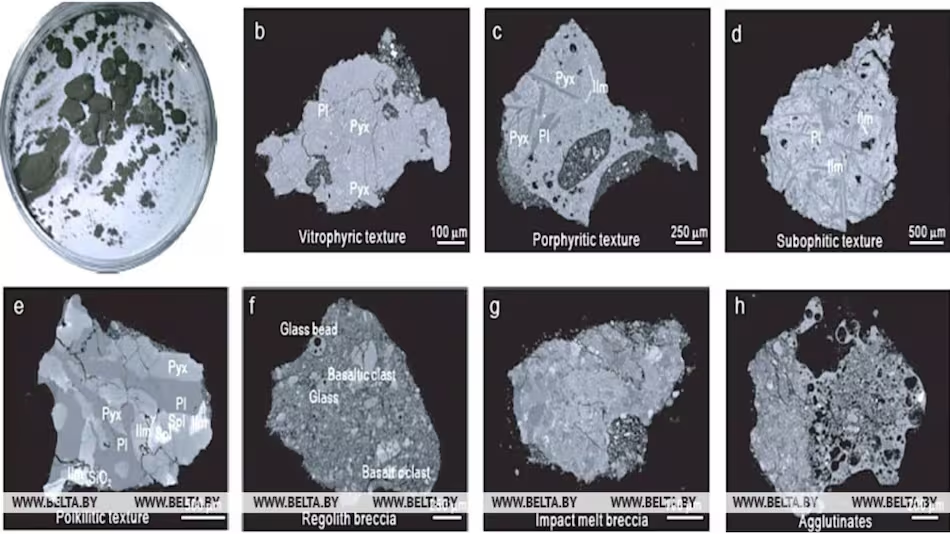
Chang’e-6 Lunar Samples Uncover Water-Rich Material from Ancient Asteroids

Scientists analyzing lunar soil returned by China’s Chang’e-6 mission have identified rare meteorite fragments that suggest the Earth and Moon were struck by water-rich asteroids more frequently than previously believed. The mission, which collected the first-ever samples from the Moon’s far side in June 2024, yielded two grams of dust containing microscopic olivine-bearing clasts. These fragments share the chemical signature of CI carbonaceous chondrites, a class of asteroid known for being rich in water and organic molecules. Such delicate space rocks rarely survive passage through Earth’s atmosphere, making their discovery on the Moon particularly valuable. Devamını Oku
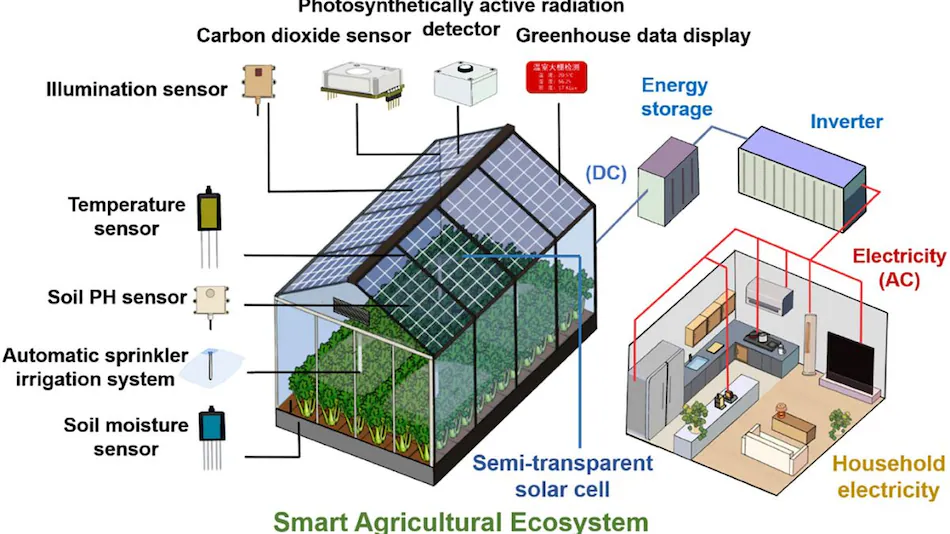
Record-Breaking Semi-Transparent Solar Cells Pave the Way for Energy-Generating Windows and Building Facades

Scientists at Hong Kong Polytechnic University have developed semi-transparent solar cells that combine high light-harvesting efficiency with transparency, opening the door for energy-generating windows and building facades. Unlike conventional opaque solar panels, these cells allow natural light to pass through while simultaneously producing electricity. This innovation enables buildings to generate renewable energy without sacrificing aesthetics or interior lighting. Researchers highlight that these solar cells could outperform existing solutions while integrating seamlessly into urban environments. Devamını Oku

Carnegie Mellon Develops AI-Powered Drones Capable of Constructing Mid-Air Structures With High Accuracy

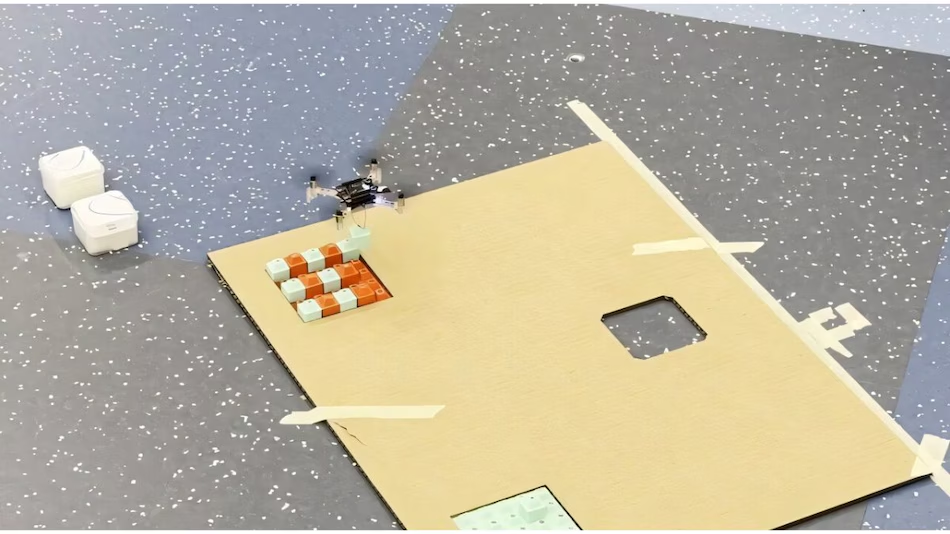
Engineers at Carnegie Mellon University have combined drones, artificial intelligence, and 3D printing to develop flying robots capable of constructing structures in mid-air. These AI-controlled drones use magnetized blocks instead of traditional extruded plastic, allowing them to assemble sturdy structures even while airborne. A large language model (LLM) translates simple instructions into construction plans and adjusts them in real time, achieving a 90 percent success rate in lab tests. Devamını Oku