New Study Questions Existence of Intermediate-Mass Black Hole in Omega Centauri

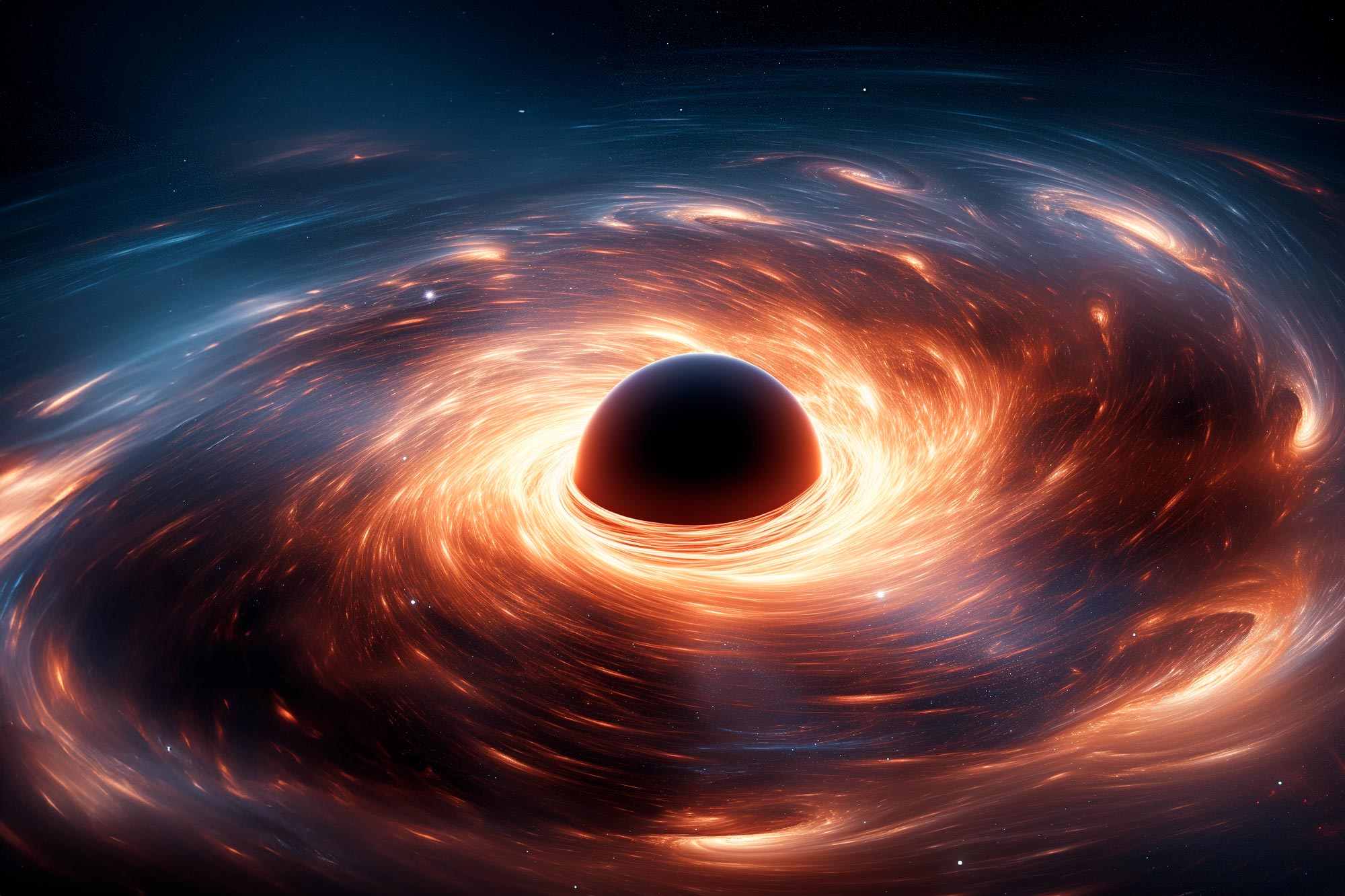
A recent study published in Astronomy & Astrophysics has cast doubt on the previously claimed discovery of an intermediate-mass black hole at the heart of Omega Centauri. Earlier research had suggested that a black hole with a mass approximately 8,200 times that of the Sun resided in the core of the star cluster, influencing the movement of surrounding stars. However, following a closer reanalysis of the data, scientists now argue that the observed stellar velocities might instead be the result of a cluster of smaller, stellar-mass black holes. Justin Read, a physicist at the University of Surrey, remarked that the possibility of an intermediate-mass black hole being present is now unlikely, with estimates suggesting its mass might be under 6,000 solar masses.

Intermediate-mass black holes are theorized to lie between stellar-mass black holes and the supermassive black holes found at the centers of galaxies. These objects are crucial for understanding the process by which black holes grow, yet their existence remains speculative. Their gravitational influence is thought to accelerate nearby stars to high speeds, which initially led researchers to propose the presence of such a black hole in Omega Centauri. However, the revised study now points toward an alternative explanation, as the gravitational effects could instead be attributed to a cluster of stellar-mass black holes within the dense region.

To refine their analysis, the researchers incorporated data from pulsars, which are highly magnetized, rotating neutron stars emitting beams of radiation that can be detected on Earth as periodic pulses. These pulsars, found within Omega Centauri, allowed the scientists to measure the gravitational field of the cluster with greater precision. Variations in the pulsar signals offered new insights into the dynamics of the star cluster, leading the team to conclude that the gravitational effects on star velocities are more likely to stem from the collective presence of stellar-mass black holes rather than a single intermediate-mass black hole.

This study highlights the ongoing challenges in detecting and confirming intermediate-mass black holes. Despite the revised findings, the research contributes valuable information to the field of astrophysics, improving the methods used to search for and understand these enigmatic cosmic objects. As technology and observational techniques continue to evolve, future investigations will likely bring even clearer answers regarding the nature of the mysterious objects in star clusters like Omega Centauri.
SpaceX to Launch Firefly’s Blue Ghost Lander Carrying 10 NASA Payloads

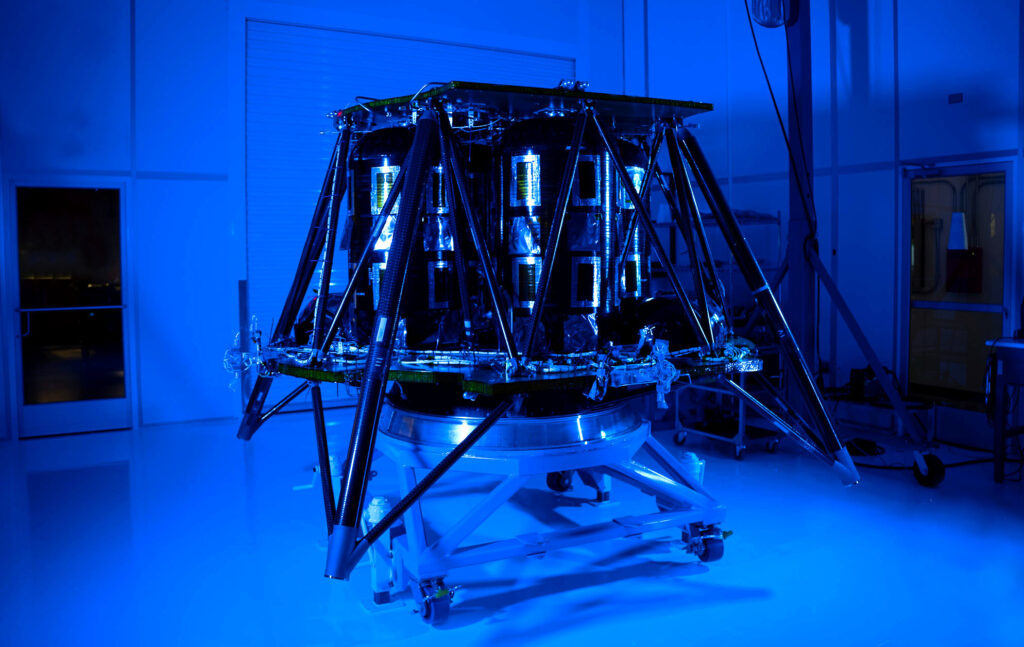
Firefly Aerospace’s Blue Ghost lunar mission is gearing up for its launch aboard a SpaceX Falcon 9 rocket, with a six-day window opening in mid-January. This landmark mission, dubbed “Ghost Riders in the Sky,” not only highlights Firefly’s capabilities but also serves as a collaborative effort under NASA’s Commercial Lunar Payload Services (CLPS) programme. Alongside Blue Ghost, Japan’s Resilience lander will share the Falcon 9 ride, marking a rare dual-mission launch. Reports confirm that Blue Ghost has already reached NASA’s Kennedy Space Center for final integration with the rocket, signaling the mission’s readiness.

Advancing Lunar Science Through NASA Payloads

The mission will carry 10 cutting-edge NASA payloads designed to deepen our understanding of the moon and its interaction with Earth’s magnetic fields. Among the standout instruments is the Next Generation Lunar Retroreflector (NGLR), a tool capable of measuring Earth-moon distances with unparalleled accuracy. Additionally, the Regolith Adherence Characterisation (RAC) will analyze the impact of lunar dust on equipment, while the Lunar Environment Heliospheric X-ray Imager (LEXI) will monitor solar wind activities to better understand the moon’s space weather environment.

Experimental Technologies for Lunar Exploration

The Blue Ghost mission will also serve as a platform for testing pioneering technologies crucial for future lunar exploration. The Electrodynamic Dust Shield (EDS) is designed to repel lunar dust using electric fields, an essential innovation for maintaining equipment functionality on the moon. Another noteworthy technology is the Lunar GNSS Receiver Experiment (LuGRE), which evaluates the potential of GPS-like navigation systems in lunar conditions. The Radiation Tolerant Computer System (RadPC) will demonstrate its ability to withstand the harsh radiation environment of space, laying the groundwork for future long-duration lunar missions.

A Milestone in Space Collaboration

This mission underscores the growing importance of public-private partnerships in advancing lunar science and technology. By combining efforts under the CLPS initiative, NASA, Firefly Aerospace, and SpaceX aim to pave the way for sustainable lunar exploration and establish critical capabilities for missions beyond Earth’s orbit.

SpaceX Set to Launch Two Private Lunar Landers in January 2025

SpaceX is preparing for an exciting mission in January 2025 that will see the launch of two private lunar landers aboard the same Falcon 9 rocket. Firefly Aerospace, an American space company, and ispace, a Japanese aerospace firm, have teamed up for this groundbreaking lunar exploration mission. The rocket, slated for liftoff from Florida’s Space Coast, will carry the two landers on separate trajectories to the Moon. This collaboration between companies from different countries reflects the growing global interest in lunar exploration and the utilization of private companies to advance space research.

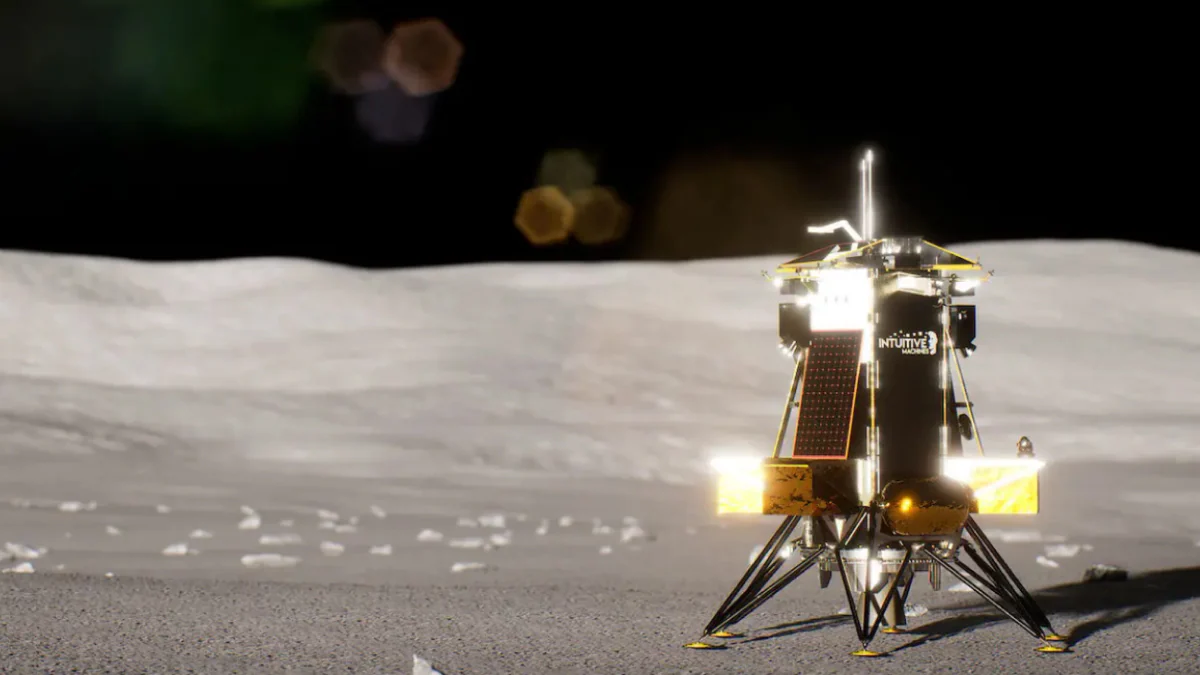
The first lander, named ‘Resilience,’ is being deployed by ispace as part of its Mission 2. It is set to land on Mare Frigoris, a region of the Moon known as the “Sea of Cold,” located at 60.5 degrees north of the lunar equator. This mission is particularly significant following the failure of ispace’s previous attempt with the Hakuto-R lander in April 2023, which was halted due to a sensor malfunction. The Resilience lander will carry several experimental payloads, including a water electrolyser, a food-production module, and a microrover named ‘Tenacious.’ Tenacious is expected to collect lunar soil as part of a NASA contract. Resilience will follow a low-energy trajectory to the Moon, with the expected landing occurring four to five months after the January launch.

Firefly Aerospace’s contribution to the mission comes in the form of its ‘Blue Ghost’ lander, which will target Mare Crisium, located 17 degrees north of the lunar equator. The Blue Ghost lander will operate for a full lunar day, which lasts about 14 Earth days, before conducting imaging tasks as the Sun sets over the lunar horizon. This mission is part of NASA’s Commercial Lunar Payload Services (CLPS) program, designed to bring innovative technologies and scientific tools to the Moon. Firefly’s Blue Ghost will deliver a suite of science instruments and tech demonstrations, furthering the reach of private space exploration.

Together, these missions represent a significant leap in lunar exploration, with the combined efforts of Firefly Aerospace and ispace marking a new era of international cooperation and technological advancement. With NASA backing both missions through its CLPS program, the dual launch aims to pave the way for future lunar endeavors, providing valuable data that will be instrumental for humanity’s return to the Moon and beyond.