SoftBank Posts Fourth Straight Profit on OpenAI Gains

SoftBank Group reported its fourth consecutive quarterly profit, buoyed by gains from its investment in OpenAI, even as it increased borrowing to expand its exposure to artificial intelligence.

The company posted a net profit of 248.6 billion yen for the October–December quarter, compared with a net loss a year earlier. A significant portion of the improvement came from the rising valuation of its OpenAI stake, which SoftBank said generated a total investment gain of nearly $20 billion by the end of December.

Founder and CEO Masayoshi Son has committed more than $30 billion to OpenAI, building an ownership stake of around 11% through Vision Fund 2. OpenAI is reportedly seeking an additional $100 billion in funding at a higher valuation, with prospective investors including Amazon and Nvidia.

To finance its AI strategy, SoftBank has relied on asset sales, bond issuance and loans backed by holdings such as chip designer Arm. It has also reduced stakes in companies including T-Mobile and expanded margin loans tied to its Arm and domestic telecom shares. The company’s loan-to-value ratio rose to 20.6% at the end of December, while its cash reserves declined.

As SoftBank deepens its investment in OpenAI, investors increasingly view the conglomerate as a proxy for the AI firm’s performance. While AI enthusiasm has lifted valuations, rising competition and escalating model development costs continue to shape market expectations.
Samsung Begins Shipping HBM4 Chips to Boost AI Position

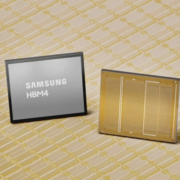
Samsung Electronics said it has started shipping its most advanced high-bandwidth memory chips, HBM4, as it seeks to close the gap with rivals in supplying critical components for artificial intelligence accelerators.

Demand for high-performance memory has surged amid the global buildout of AI data centers. HBM chips are essential for feeding large volumes of data into AI accelerators, including those developed by Nvidia. Samsung has previously trailed competitors such as SK Hynix in delivering earlier-generation HBM products.

Samsung said its HBM4 chips deliver a consistent processing speed of 11.7 gigabits per second, a 22% improvement over its HBM3E predecessor, with peak speeds reaching 13 Gbps to address growing data bottlenecks. The company added that it plans to provide samples of next-generation HBM4E chips in the second half of the year.

Shares of Samsung rose following the announcement, reflecting investor optimism about its efforts to regain momentum in the competitive AI memory market. SK Hynix, which has maintained a leading position in HBM production, has said it aims to preserve its strong market share as competition intensifies. Meanwhile, U.S.-based Micron Technology has also begun high-volume production and customer shipments of HBM4.

The rollout underscores intensifying competition among memory manufacturers as AI infrastructure expansion continues to drive demand for faster, more efficient chip technologies.

Ackman’s Pershing Square Takes Stake in Meta, Sells Hilton

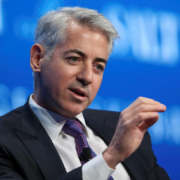
Billionaire investor Bill Ackman has added Meta Platforms to his hedge fund portfolio while exiting its position in Hilton Worldwide Holdings, signaling a renewed focus on artificial intelligence-driven growth.

Ackman’s firm, Pershing Square Capital Management, invested roughly $2 billion—about 10% of its capital—into Meta late last year. The fund’s investment team said they believe Meta’s share price underestimates the long-term upside potential from AI, particularly in content recommendation systems, targeted advertising, and future AI-powered products such as digital assistants and wearables.

Despite investor concerns about Meta’s rising AI-related spending, Pershing Square argues the technology investments could strengthen engagement and revenue over time. Meta shares have declined modestly over the past year but have risen since the hedge fund initiated its position, according to client materials.

The move fits Ackman’s concentrated investment style. Known for holding a limited number of high-conviction positions, he previously invested in major technology names including Amazon and Alphabet. The shift away from Hilton and toward Meta highlights a broader trend among large investors rotating capital toward AI-linked opportunities.