COP30: China’s Green Energy Power Play — How a Laos Wind Farm Reveals Its Global Strategy
In the remote hills of Dak Cheung, southeastern Laos, a vast new wind power project is quietly reshaping both the region’s energy landscape and the global balance of power.
The Monsoon Wind Power Project, the largest in Southeast Asia, features 133 towering turbines stretching across an area twice the size of the Isle of Wight. It promises to deliver electricity to around one million households in neighboring Vietnam, marking a remarkable feat of engineering in one of Asia’s poorest regions.
Yet, while the site is led by a Thai consortium, its backbone is unmistakably Chinese — built by a state-owned Chinese company, using Chinese technology, and completed at record speed and low cost.
“It makes the project viable,” said Narut Boakajorn, the site’s general manager. “Otherwise, financing would not have been possible.”
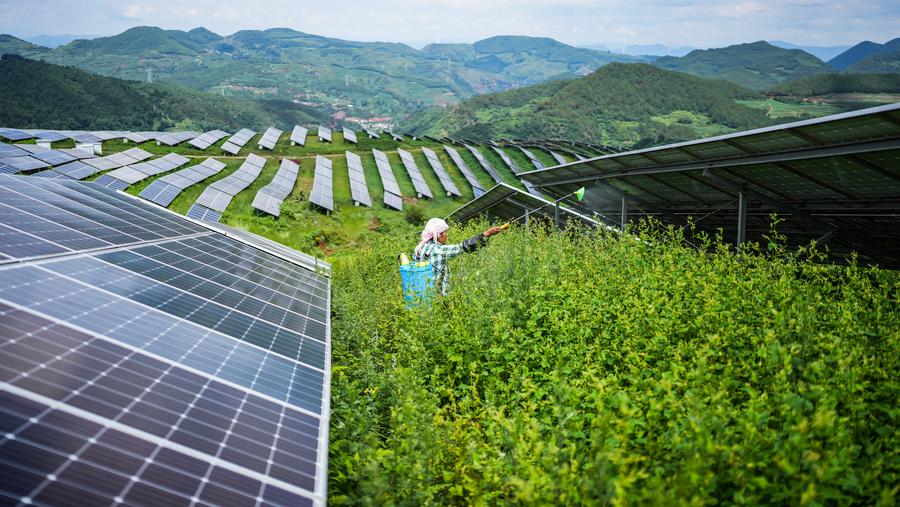
This wind farm is a microcosm of China’s global dominance in green energy. The country now produces over 60% of the world’s mass-manufactured green technologies, including 80% of solar panels and 75% of electric vehicles, according to the International Energy Agency. Analysts estimate Chinese clean energy exports in 2024 alone could cut global carbon emissions by 1%.
But Beijing’s motivations go beyond climate stewardship. As China simultaneously builds coal plants and renewable infrastructure, its rapid green expansion looks more like a strategic bet on the future of global energy markets — and influence.
Developing nations like Laos, often enticed by low-cost technology and financing, have become the front line of this new form of soft power. While Laos’ wind project avoided the debt traps seen elsewhere, the country has already ceded control of most of its power grid to a Chinese firm amid financial struggles.
The symbolism is striking: in the same mountains once bombed by the U.S. during the Vietnam War, China is now building turbines — a new kind of influence rising from the ashes of an old one.