Yazılar

Harris Rattles Trump in Combative Debate

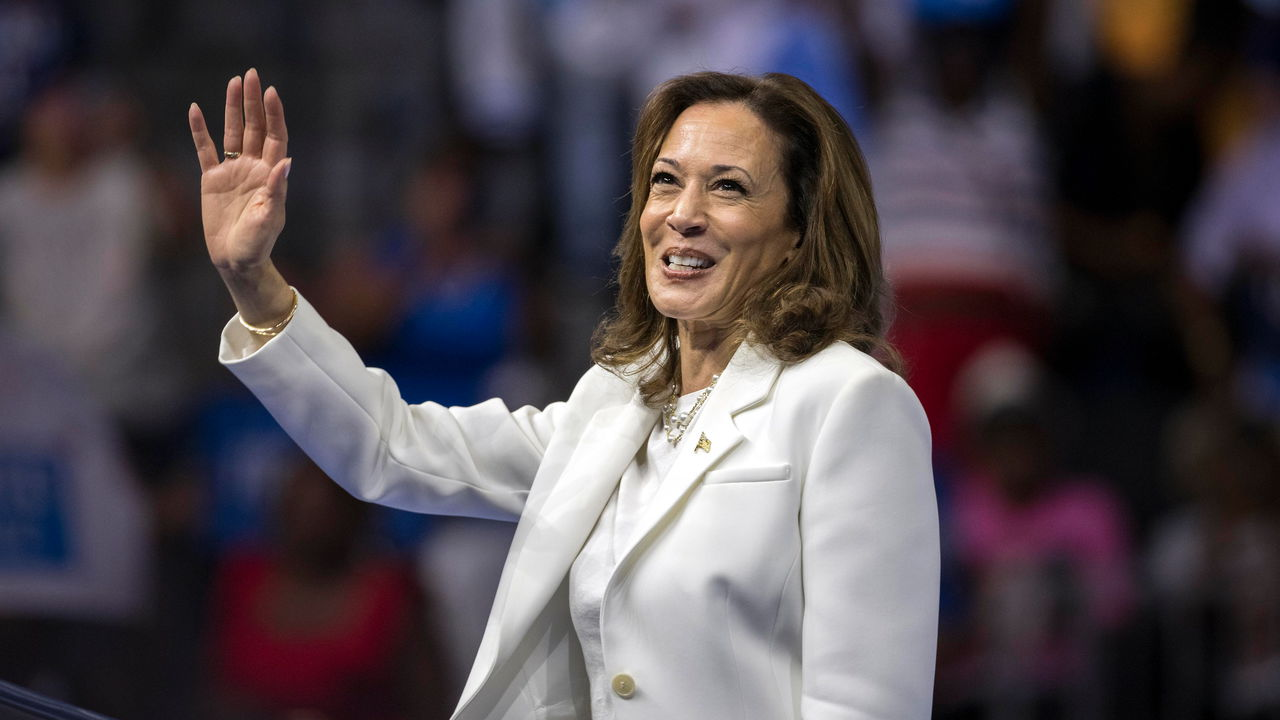
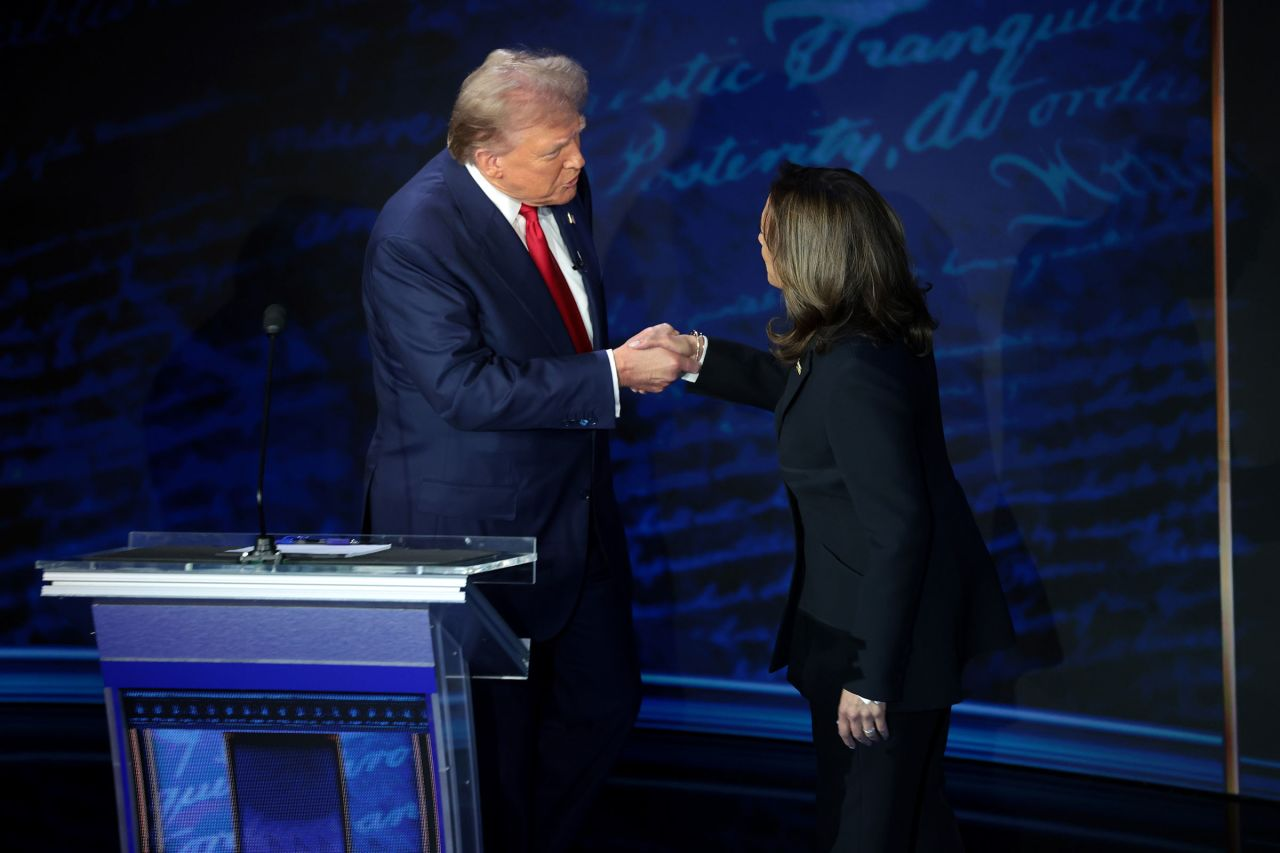
In a fiery debate, Kamala Harris, the Democratic candidate, put Republican rival Donald Trump on the defensive, targeting his qualifications, legal troubles, and stance on abortion. Harris, 59, a former prosecutor, repeatedly provoked Trump, 78, who responded with a series of falsehoods. Trump defended the size of his rallies and falsely claimed immigrants were eating pets in Ohio, to which Harris responded, “Talk about extreme.”

The debate, the only one scheduled before the election, covered immigration, foreign policy, and healthcare but was light on detailed policy discussions. Harris’ aggressive approach kept Trump off balance, leading to mixed reactions from Republicans, with some admitting Trump’s struggles. Online prediction markets showed a drop in Trump’s chances, while Harris saw a boost.

Harris challenged Trump to a second debate, but Trump, claiming victory, appeared non-committal.
Trump Rallies Small-Town Wisconsin Supporters, Promises Tough Trade Policies and Immigration Crackdowns

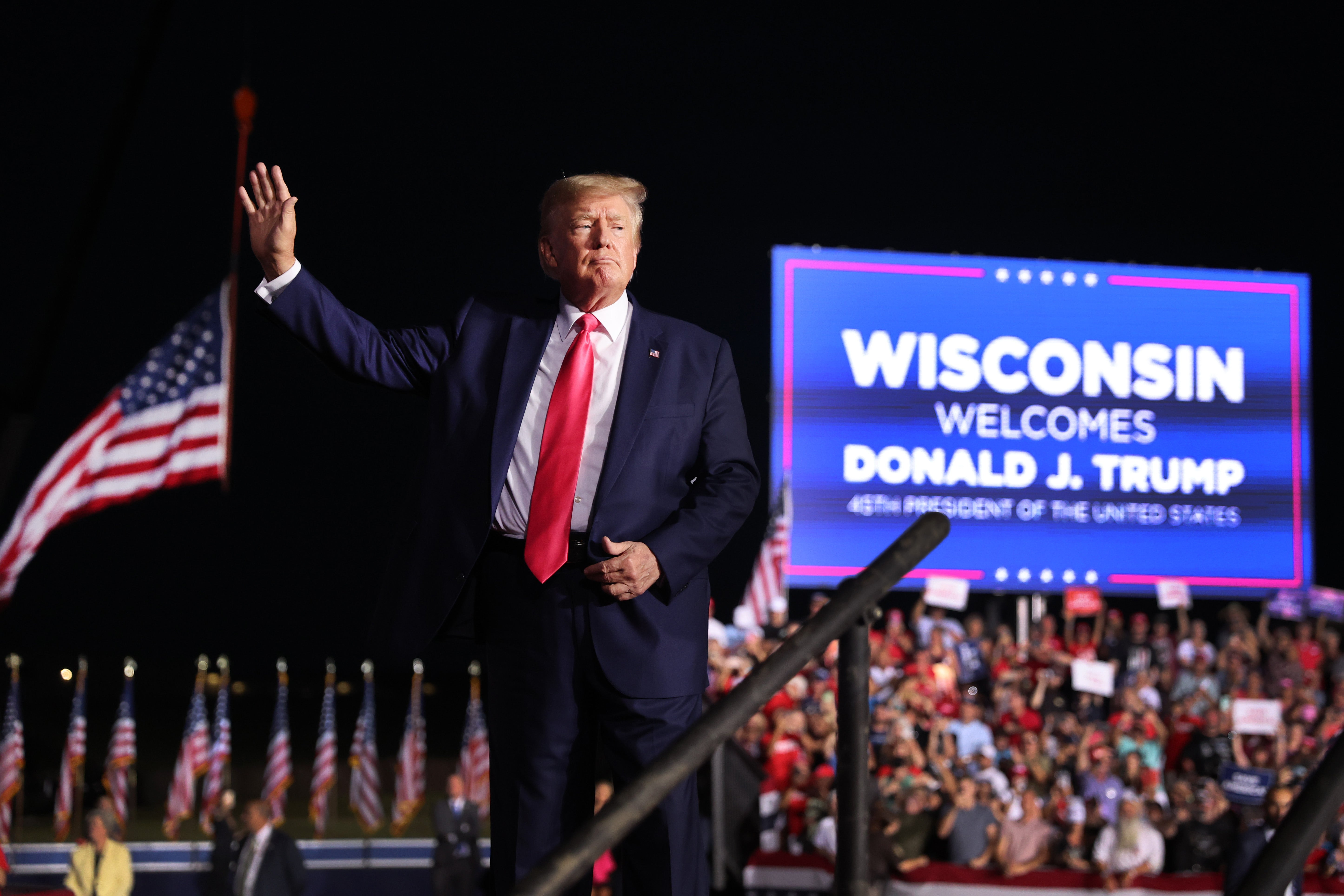
Donald Trump, speaking in Mosinee, Wisconsin, focused on strengthening support among working-class and rural white voters, a core demographic of his base. Trump pledged to impose unprecedented tariffs and tighten immigration policies, warning that even U.S. allies, like the European Union, would face new trade restrictions if he wins the 2024 election. He framed migrants as a threat to local residents and claimed, without evidence, that illegal immigrants could soon cause widespread harm. As support for Trump wanes among various demographic groups, particularly Hispanics and Black voters who now favor his opponent, Kamala Harris, the former president is focusing on maintaining his stronghold in Rust Belt states like Wisconsin. Trump’s rhetoric continues to emphasize fears about the future of the U.S., labeling the 2024 election as potentially the nation’s last. The rally precedes a debate against Harris, with his advisors urging him to focus on policy and avoid personal attacks. Trump also hinted at purging federal agencies and accused Colorado’s political leadership of losing control to Venezuelan gangs.


Harris Courts Union Workers in Key Swing States with Biden’s Support Amid U.S. Steel Controversy

On Labor Day, Kamala Harris joined President Joe Biden at a rally in Pittsburgh, aiming to solidify support from union workers in critical battleground states like Pennsylvania and Michigan. The event marked the first joint appearance of Harris and Biden since she officially became the Democratic presidential nominee, underscoring the importance of courting working-class voters, a key demographic also being targeted by her opponent, Donald Trump.

Harris voiced concerns over the potential acquisition of U.S. Steel by Japan’s Nippon Steel, stressing the importance of keeping the historic American company under domestic ownership. “U.S. Steel should remain American-owned and American-operated,” she said, aligning her stance with Biden’s pro-union agenda, which has been central to his presidency.

The labor vote remains a pivotal focus for both the Harris and Trump campaigns as they vie for support in swing states like Pennsylvania, where unionized workers hold significant influence. Trump, who did not make any public appearances on Labor Day, has similarly opposed the U.S. Steel deal, framing it as a threat to American jobs and security. The Harris campaign, however, seized the opportunity to mock Trump for his absence, posting on X that he was likely “golfing.”

Despite a Reuters/Ipsos poll showing Harris leading Trump by a slim margin nationally, the race remains tight, with both candidates ramping up their outreach efforts. While Harris is leveraging her campaign to maintain the momentum from her nomination, Trump continues to attract blue-collar voters with his promises of economic nationalism and job protection.

The backdrop of the Gaza conflict, however, loomed over campaign activities. As Harris and Biden met with U.S. hostage negotiation teams in Washington, their administration faced criticism for its approach to the Gaza ceasefire negotiations. Pro-Palestinian activists, opposing U.S. support for Israel, staged large protests, raising the potential for more demonstrations along Harris’s campaign trail in the weeks ahead.

With both campaigns seeking to capture the labor vote while navigating the complexities of international conflicts, the election remains fraught with challenges that could sway voters in unexpected ways.