Yazılar

Alphabet Faces Investor Scrutiny Over AI Spending Amid Slowing Cloud Growth

Alphabet is set to report earnings on Tuesday, with investors closely watching its substantial AI investments as revenue growth slows due to weaker advertising and cloud performance. The Google parent’s capital expenditure for 2024 is estimated at $50 billion, with further increases expected in 2025 to support cloud expansion and AI-driven search enhancements.

The rise of low-cost AI models, such as those from Chinese startup DeepSeek, has intensified concerns over a potential AI price war. Alphabet, like Microsoft and Meta, is defending its high AI spending, arguing it is necessary to maintain a competitive edge.

Google Cloud, a key growth driver, is anticipated to show a slowdown in the fourth quarter. The segment is expected to report a 32% revenue increase, compared to 35% in the previous quarter. This performance will be scrutinized following Microsoft’s recent results, where Azure’s core cloud services underperformed despite AI-driven gains. Analysts are keen to see whether Google experiences a similar trend.

Alphabet’s Search and Other revenue is projected to have grown 11.2% in Q4, slightly lower than the 12.2% increase in Q3. The company continues to face rising competition from Amazon and TikTok in the digital ad space. However, higher political ad spending linked to the upcoming U.S. Presidential elections may have provided a temporary boost.

Overall, Alphabet’s revenue is estimated to have grown 11.9% year-over-year to $96.6 billion, reflecting a slowdown from the previous quarter. Despite a 7% rise in its stock price this year, concerns about a potential deceleration in its cloud segment have mounted, especially after Microsoft’s disappointing cloud results.

Investors will be closely watching Alphabet’s ability to balance AI investments with profitability, as well as its strategy to maintain leadership in both the search and cloud computing markets.

 

Instagram to Dominate Meta’s U.S. Ad Revenue by 2025, Report Predicts

Instagram is poised to generate over 50% of Meta Platforms’ U.S. advertising revenue in 2025, driven by its improved monetization strategies, according to research firm Emarketer.

Why It Matters

Instagram’s short-form video feature, Reels, has emerged as a key competitor to ByteDance’s TikTok and YouTube Shorts. As users increasingly engage with short videos, advertisers are shifting their focus to this format, providing Meta with an opportunity to boost revenue through more targeted ad placements.

The potential implementation of a TikTok ban in the U.S. could further accelerate Instagram’s growth. If enacted, platforms like Reels and YouTube Shorts are expected to attract advertising budgets previously allocated to TikTok, opening new revenue streams for Meta.

Key Insights

  • Video-First Platform: Jasmine Enberg, principal analyst at Emarketer, highlights that Instagram has transformed into a video-first platform. Users now dedicate nearly two-thirds of their time on Instagram to watching videos.
  • Reallocated Ad Budgets: Enberg also predicts that Instagram could capture over 20% of TikTok’s U.S. advertising dollars if the ban takes effect in 2025.

By the Numbers

  • In 2024, Instagram’s ad revenue was primarily driven by its Feed and Stories features, which accounted for 53.7% and 24.6% of its revenue, respectively.
  • By 2025, revenue generated by Reels, Explore, and Threads is expected to rise, collectively contributing 9.6% of Instagram’s total ad revenue.

Context

The shift toward video content aligns with broader trends in digital media, where short-form videos have proven highly effective in capturing audience attention. Reels’ growing popularity offers Instagram a competitive edge, particularly as regulatory uncertainties loom over TikTok.


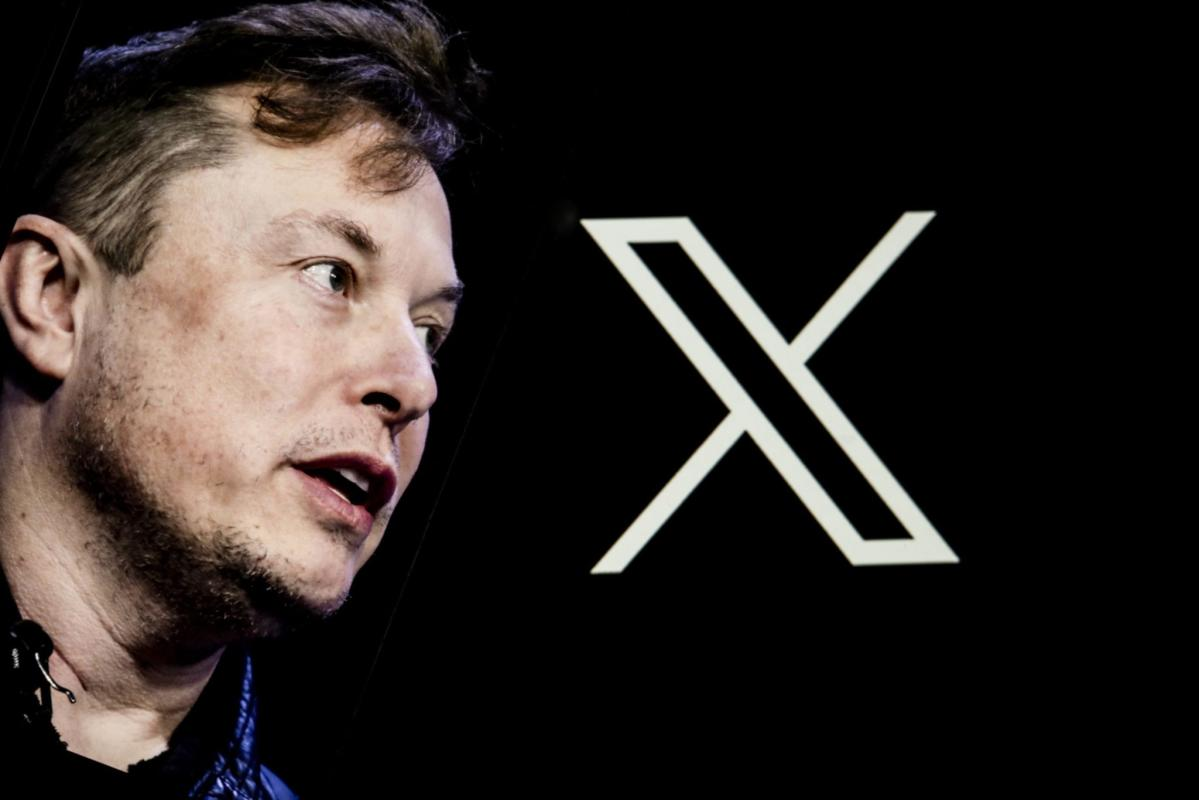
Elon Musk’s X Now Valued 80% Less Than Purchase Price, According to Fidelity

The social media platform formerly known as Twitter, now X, has seen its value plunge nearly 80% since Elon Musk acquired it in October 2022. This staggering drop in valuation comes from estimates provided by Fidelity, a major investment firm that owns shares in X through its Blue Chip Growth Fund.

When Musk took Twitter private for $44 billion, it was a highly publicized acquisition. However, as of August 2024, Fidelity estimates that its shares in X are worth only $4.2 million, suggesting that the overall valuation of the company now stands at $9.4 billion—a far cry from the original purchase price. This represents a 24% drop from Fidelity’s own estimate in July and a 79% decline from its original valuation at the time of Musk’s purchase.

Declining Ad Revenue and Brand Safety Concerns

Fidelity’s assessment aligns with analysts’ concerns over X’s shrinking ad revenue, an issue compounded by the platform’s failure to publicly release financial metrics. Advertising has been a significant pain point for X since Musk’s acquisition, particularly with advertisers expressing discomfort over extreme content appearing on the platform. A Kantar global survey recently revealed that 26% of marketers plan to reduce ad spending on X in the coming year, with concerns over brand safety. Only 4% of advertisers believed their ads were safe from appearing near problematic content on X, compared to 39% on Google.

Musk’s public behavior has also contributed to advertiser unease. In November, he faced backlash after endorsing an antisemitic conspiracy theory. While he later apologized, he infamously told advertisers who were halting spending on X: “Go f**k yourself.”

Despite these setbacks, X remains a key player in social media with 570 million monthly active users in the second quarter of 2024, reflecting a 6% growth year-over-year. However, Similarweb data indicated declining engagement, particularly in the U.S., where X’s monthly active users on iOS and Android dropped 11% from the previous year and 20% since Musk’s acquisition.

Fidelity’s Estimate vs. Other Projections

While Fidelity’s valuation implies significant losses, not all experts agree with the extent of the decline. Gene Munster, managing partner at Deepwater Asset Management, argues that Fidelity is “overly aggressive” in its devaluation, believing the firm is simply cleaning house on its investment. Munster sees a longer-term potential in X’s vast data, particularly as a critical source of training material for Grok, an AI chatbot developed by xAI, Musk’s AI startup.

Dan Ives, an analyst at Wedbush Securities, suggested that Musk may have initially overpaid for Twitter, estimating its worth closer to $30 billion at the time of purchase and $15 billion today. However, Munster maintains optimism, noting that X’s value lies in the unique real-time data it provides, which is becoming increasingly valuable in the AI landscape. He added that Musk’s acquisition of Twitter might be a case of being “better lucky than smart,” given the rapid developments in AI.