Yazılar

Mysterious Drone Sightings in New Jersey Raise Questions About Big Drones

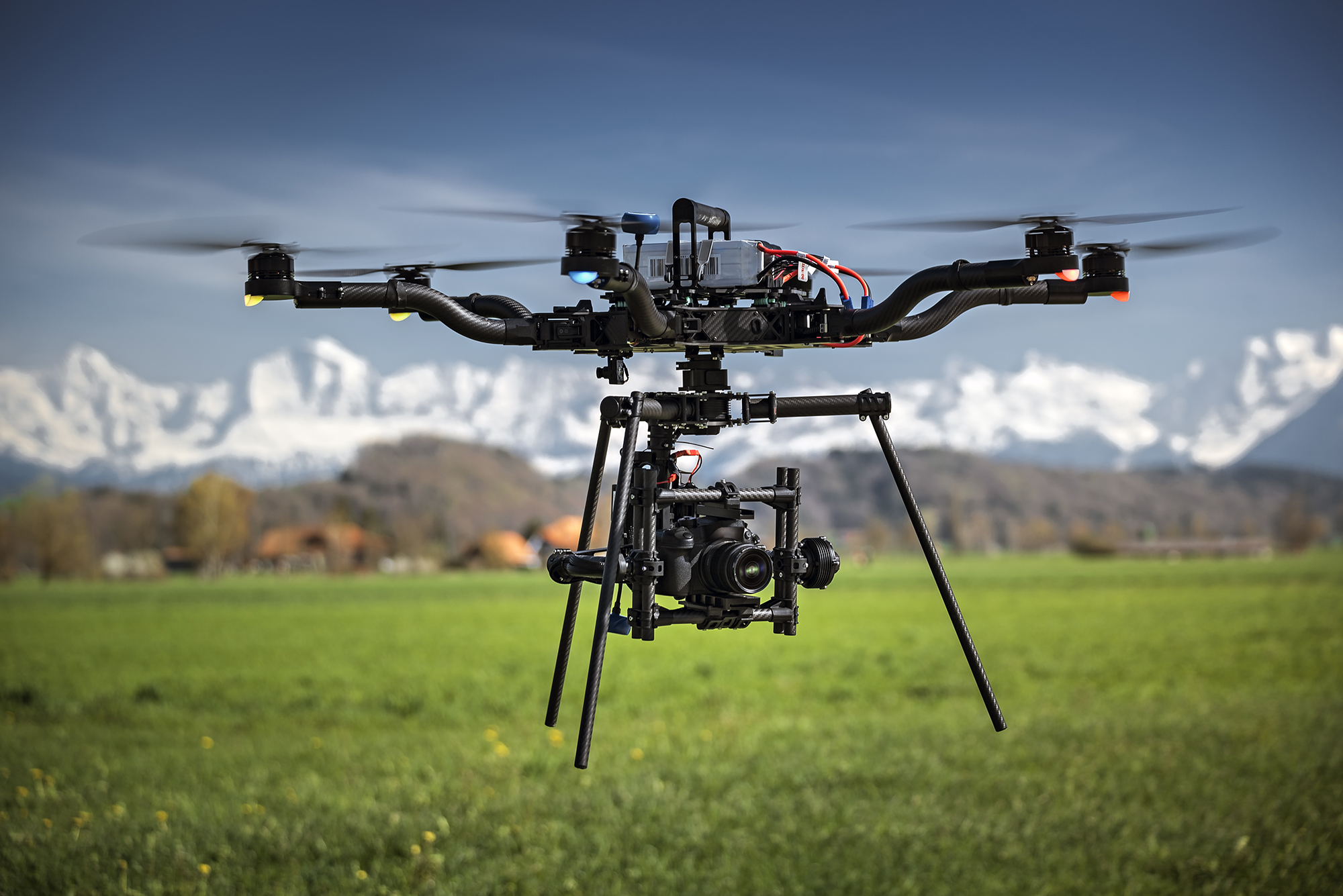
Recent reports of large drones flying over New Jersey have sparked a mix of intrigue and concern. Residents have described sightings of drones the size of small cars flying at night, often in clusters. While law enforcement agencies, including the FBI, work to confirm the nature of these objects and determine whether they are indeed drones or misidentified aircraft, experts suggest large drones are increasingly common and serve various purposes.

The sightings have been concentrated in Morris and Somerset counties, part of the New York metropolitan area. On December 3, the FBI field office in Newark acknowledged that reports from the public and law enforcement had been received for several weeks. Some residents claim to have seen objects exhibiting unusual flight patterns, such as rapid directional changes, that would be difficult for conventional planes to replicate.

Despite the intrigue surrounding the mysterious sightings, the U.S. Coast Guard, which operates under the Department of Homeland Security, also reported encounters with the objects. However, both the Department of Homeland Security and White House officials have clarified that many of the sightings were determined to be “manned aircraft” operating legally. According to John Kirby, a national security spokesperson, there is currently no evidence linking these incidents to national security or public safety threats.

Nonetheless, local officials, including New Jersey Governor Phil Murphy, have expressed frustration over the lack of answers. Murphy has pressed federal authorities for further clarification, especially after residents voiced concerns over the objects’ erratic movements.

While it’s still unclear what these mysterious objects are, experts emphasize that large drones do exist and are increasingly used for commercial, military, and industrial purposes. Ryan Wallace, an associate professor of aeronautical engineering at Embry-Riddle Aeronautical University, explained that drones have a wide range of uses, from agriculture and infrastructure surveying to law enforcement search-and-rescue missions. However, drones larger than 55 pounds require special approval from the Federal Aviation Administration (FAA), and they can cost tens of thousands of dollars.

Though large drones are most commonly used for commercial and military purposes, some have been employed for transportation, such as deliveries, or even surveillance. The military utilizes drones equipped with a variety of sensors for surveillance tasks, including infrared cameras. Experts predict that in the future, even larger drones, such as those capable of transporting people, may enter the skies. However, these will require extensive FAA approvals before becoming widespread.

For now, while the mysterious New Jersey sightings remain unexplained, experts are clear that large drones have a range of potential uses and are becoming an increasingly familiar sight in many sectors.


 

Bayer Shareholders Urge CEO to Accelerate Turnaround Amid Declining Shares

Bayer AG (BAYGn.DE) is under increasing pressure from its shareholders to quicken its turnaround efforts following a dramatic 14.5% drop in share value earlier this week. The German agriculture and pharmaceutical giant has seen its stock hit a 20-year low after warning of weaker farmer demand impacting earnings for 2025.

CEO Bill Anderson, who has been implementing restructuring measures since his appointment, is being urged to deliver tangible results to restore shareholder confidence and reverse the company’s downward trajectory.


Challenges Facing Bayer

  1. Weak Market Conditions: A slump in farmer incomes, exacerbated by broader agricultural trends, has hit Bayer and competitors like BASF and Corteva.
  2. Specific Setbacks: Bayer faces unique challenges, including delays in U.S. regulatory approval for a new generation of soy seeds, expected to dent 2025 earnings.
  3. Monsanto Aftermath: The $63 billion acquisition of Monsanto in 2018 continues to weigh on Bayer through debt and ongoing U.S. litigation over claims that Monsanto’s Roundup weedkiller causes cancer.
  4. Pharma Struggles: While new drugs like Nubeqa (prostate cancer) and Kerendia (kidney disease) show promise, bestselling blood thinner Xarelto is declining due to patent expiration.

Shareholders Demand Action

Cost Cutting and Efficiency

  • CEO Anderson’s efforts include cutting managerial roles, streamlining decision-making, and reducing bureaucracy.
  • Shareholders, including Deka Investment and Union Investment, say these changes have not yet significantly impacted revenue or costs.

Pipeline Strengthening

  • Investors like Union Investment’s Markus Manns emphasize the need for a stronger pharmaceutical pipeline and clearer long-term growth strategies.

Market Performance and Valuation

  • Bayer’s warning of declining earnings contrasts with previous analyst expectations of a 3% increase in adjusted earnings by 2025.
  • Despite an attractive valuation at 3.9 times estimated forward earnings (compared to BASF at 11.5 and Corteva at 18.7), analysts at BMO Capital Markets hesitate to recommend the stock due to contracting earnings.

CEO’s Vision and Investor Sentiment

Anderson has pledged to contain litigation risks and improve operational performance. However, shareholder patience is wearing thin. Ingo Speich from Deka warned that without results, management would face increased scrutiny.

While Bayer struggles to project when earnings will bottom out, Anderson remains optimistic about the company’s “bright future.” However, turning this vision into reality will require significant progress in both pharmaceuticals and agricultural products.


Research Indicates Ant Agriculture Originated 66 Million Years Ago

Ants have been engaging in agriculture for an astonishing 66 million years, a practice that began shortly after the catastrophic asteroid impact that led to the extinction of the dinosaurs. This event reshaped ecosystems, creating environments rich in decaying plant material that facilitated the rapid growth of fungi. As these fungi thrived, innovative ant species started to cultivate them, establishing a complex evolutionary partnership that has persisted through millennia. Recent research sheds light on the development and evolution of this remarkable relationship, providing insights into how ant agriculture has flourished.

A significant study published on October 3, 2024, in the journal Science, involved a team of scientists from the Smithsonian’s National Museum of Natural History, led by entomologist Dr. Ted Schultz. The researchers analyzed genetic data from hundreds of ant and fungus species to reconstruct an evolutionary timeline for when ants first began cultivating fungi. They examined a comprehensive dataset that included 475 species of fungi, with 288 cultivated by ants, alongside 276 species of ants, of which 208 practice fungus farming. This extensive research effort represents the largest compilation of data concerning fungus-farming ants ever assembled.

The study reveals that the intricate relationship between ants and fungi has endured for 66 million years, coinciding with the asteroid impact at the end of the Cretaceous era. While this event had disastrous consequences for many organisms, it created a favorable environment for fungi to thrive in the decaying leaf litter. This unique interaction laid the groundwork for a sustainable agricultural relationship, allowing ants to harness the growth of fungi as a reliable food source.

Moreover, the research highlights the evolutionary adaptations of both ants and fungi throughout this time. Ants have developed specialized behaviors and physical traits that enable them to cultivate and protect their fungal crops, while fungi have evolved mechanisms to optimize their growth in response to the ants’ farming practices. This mutualistic relationship not only demonstrates the resilience of these species but also underscores the intricate connections that define ecosystems. Understanding the origins and evolution of ant agriculture can provide valuable insights into the dynamics of other agricultural systems in nature and the evolution of mutualistic relationships.