
US AgTech Faces Investment Drought, But Dairy and Solar Sectors Show Promise
The U.S. agricultural technology (AgTech) sector is experiencing a tough investment climate as macroeconomic challenges, weak commodity prices, and a slow agricultural cycle weigh on funding and valuations. AgTech, which includes precision farming, biotech, and data analytics, aims to boost farming efficiency but has seen venture capital decline.
PitchBook data shows that AgTech venture funding fell to $1.6 billion across 137 deals in Q1 2025 — a 25% drop in deal count and a 3.6% decline in capital compared to the previous quarter.
Tom Brennan, partner at McKinsey & Co., noted, “AgTech’s challenges aren’t unique. This is part of a broader venture capital correction, especially outside AI.”
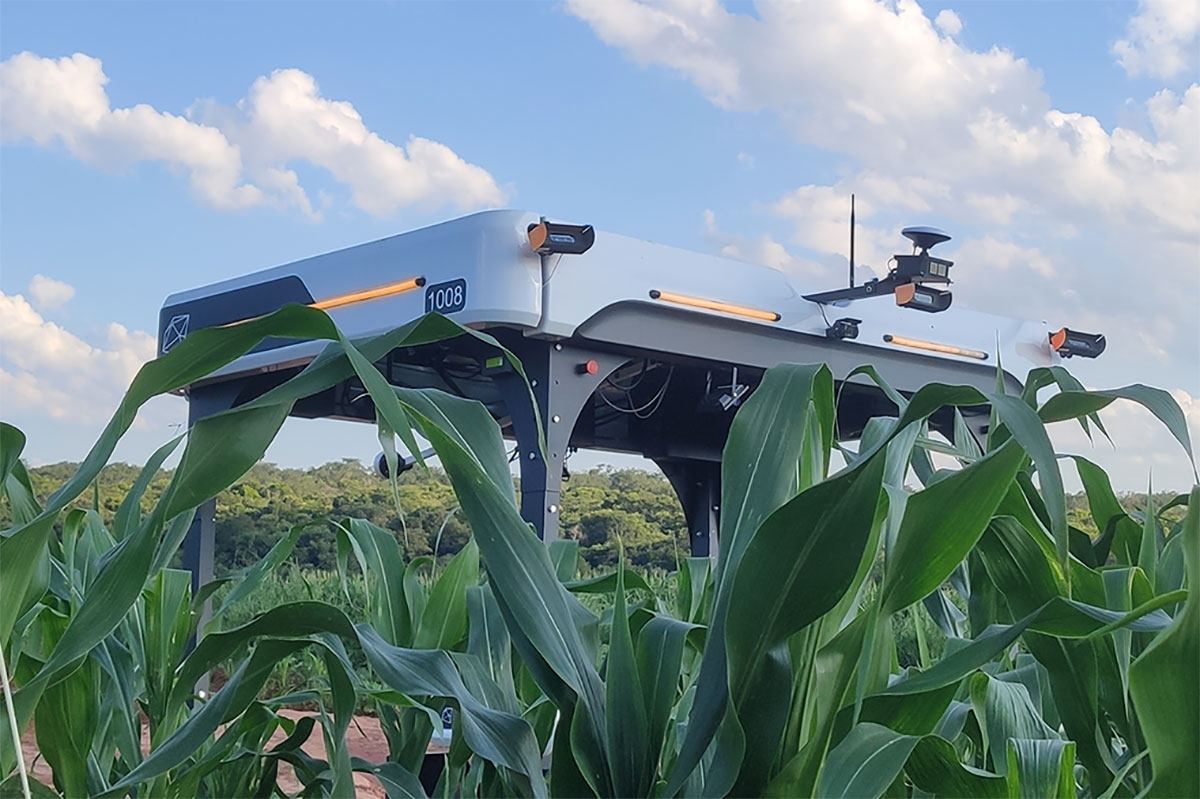
However, precision farming, which employs automation, robotics, and data tools to address labor shortages and increase accuracy, continues to attract strong investor interest. Over the trailing 12 months, precision agriculture deals reached $1.82 billion, with robotics and smart field equipment seeing a 48.5% growth in value.
Vasanth Ganesan from McKinsey highlighted the labor shortage factor: “About 40% of U.S. agricultural labor is likely undocumented, driving demand for robotics and automation.”
Monarch Tractor, based in California, is gaining traction in autonomous equipment, especially in dairy farms. CEO Praveen Penmetsa said their autonomous feed-pushing feature has been well-received by cooperatives such as Dairy Farmers of America.
Solar land management also presents growth opportunities, using robotic tractors to maintain solar farms—a sector driven by utilities powering AI data centers. Penmetsa added, “We’re collaborating with top North American solar developers and expect major partnerships soon.”
Industry giants like John Deere and Caterpillar are expanding their automation offerings, signaling growing strategic interest and clearer exit pathways for AgTech startups.
Experts forecast a potential capital market rebound in H2 2025, benefiting established companies poised for scale, provided trade tensions do not prolong disruptions.