Yazılar

China tightens port checks on Nvidia AI chips to enforce U.S. export curbs

China has ramped up inspections on imported U.S. semiconductors, including Nvidia’s artificial intelligence chips, as part of a broader effort to strengthen oversight and promote domestic chip production, the Financial Times reported Friday.

Customs officials have reportedly been dispatched to major ports to scrutinize semiconductor shipments more closely. The inspections initially focused on Nvidia’s H20 and RTX Pro 6000D models — chips specifically designed to comply with U.S. export restrictions — but have since expanded to all advanced semiconductor products that could breach those controls.

Neither Nvidia nor China’s customs agency has commented publicly on the report, and Reuters said it could not independently verify the claims.

The move reflects Beijing’s deepening response to Washington’s tightening export rules, which have cut Chinese access to high-end chips used in artificial intelligence and supercomputing. The FT previously reported that over $1 billion worth of Nvidia’s top AI processors had been smuggled into China in just three months this year.

In recent months, Chinese authorities have also accused Nvidia of antitrust violations and ordered local tech giants to suspend chip purchases. While Huawei and other domestic firms have advanced their semiconductor capabilities, engineers within China’s tech sector acknowledge Nvidia’s chips remain unmatched in performance.

The heightened inspections come amid a geopolitical tug-of-war over AI leadership, with U.S. President Donald Trump signaling in August that he might loosen some restrictions on Nvidia’s exports to China — a move that could reshape the delicate balance in the global chip race.

TSMC Q3 revenue jumps 30% on AI-fueled chip demand, beats forecasts

TSMC, the world’s largest contract chipmaker, posted a 30% year-on-year surge in third-quarter revenue, driven by the global boom in artificial intelligence demand. The company’s performance outpaced analyst expectations, reaffirming its dominance in the semiconductor supply chain that powers AI leaders like Nvidia and Apple.

Revenue for the July–September period reached T$989.92 billion ($32.47 billion), surpassing the T$973.26 billion consensus estimate from 22 analysts compiled by LSEG SmartEstimate. The figure landed in the midpoint of TSMC’s July guidance of $31.8 billion–$33 billion, according to its previous earnings call.

The strong result underscores how AI-related chip demand is offsetting slower sales of consumer electronics such as smartphones and tablets. TSMC’s cutting-edge chips are essential for powering advanced AI systems and high-performance computing, both of which have fueled a new growth cycle for the company.

TSMC’s Taipei-listed shares have climbed 34% year-to-date, outpacing the broader Taiwan index’s 18.5% gain. Analysts expect the company’s October 16 earnings report to include a revised full-year outlook, likely reflecting continued AI-driven momentum.

The upbeat results mirror a wider surge across Taiwan’s tech sector: Foxconn, Nvidia’s largest server manufacturer, also posted record-high third-quarter revenue, signaling sustained strength in the AI hardware supply chain.

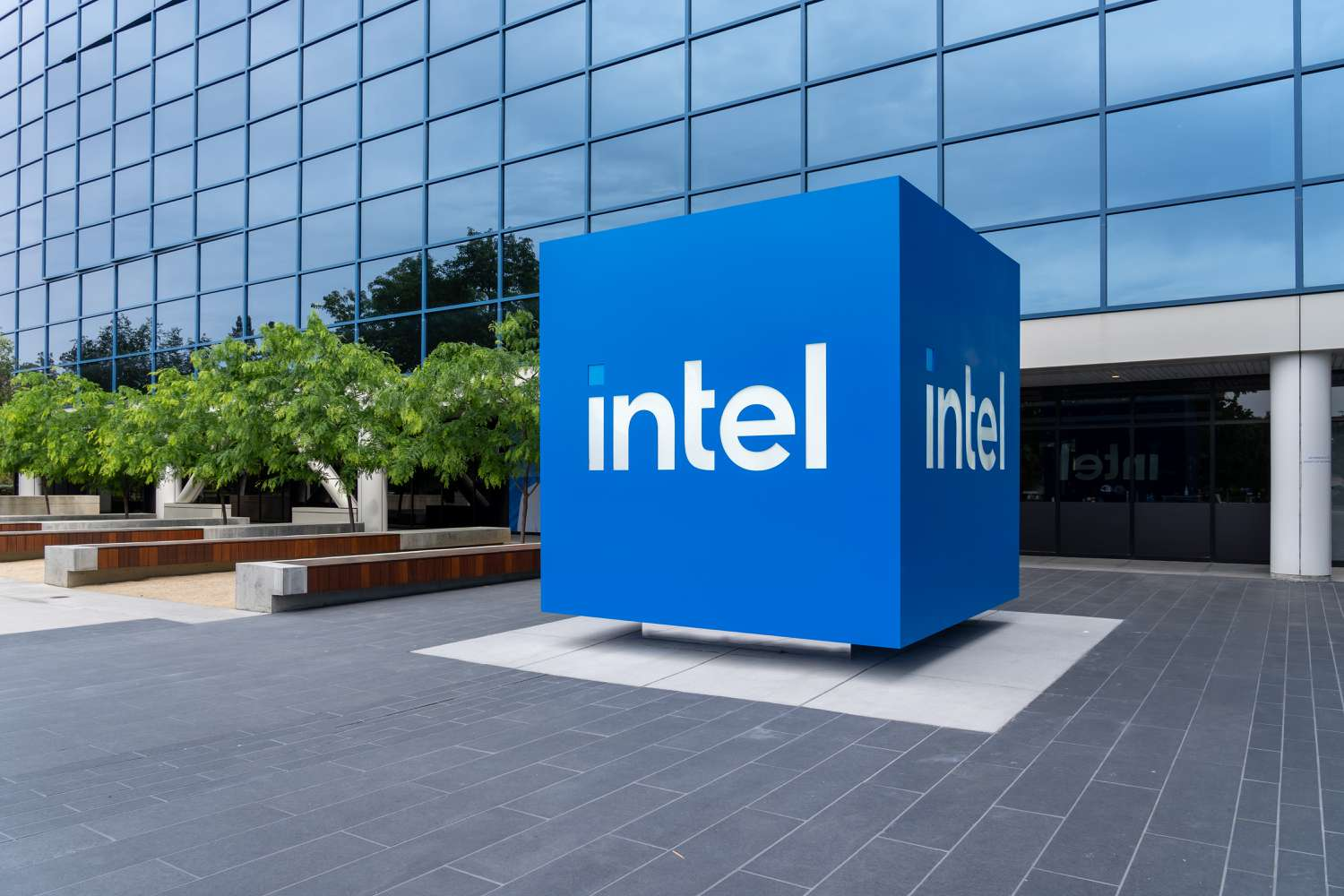
Intel to unveil Panther Lake chip details, its first built entirely on 18A process

Intel plans to reveal the technical architecture of its upcoming laptop chip, Panther Lake, on Thursday, according to sources cited by Reuters. The disclosure aims to reassure investors about Intel’s progress on its long-awaited 18A manufacturing process, the company’s next-generation technology platform developed after years of costly setbacks.

The Panther Lake chips will serve as Intel’s high-end mobile processors, featured in premium laptops. They are the first large-scale products built entirely using 18A — a key milestone as Intel seeks to reclaim market share lost to AMD and TSMC. The chipmaker conducted in-depth technical briefings and factory tours last week in Arizona, showcasing the redesigned architecture, including the AI engine, graphics cores, and media processing unit optimized for 18A.

According to those briefed, Panther Lake offers 30% better energy efficiency and up to 50% greater data processing power compared to its predecessor, Lunar Lake — a chip largely produced by TSMC. Intel executives said the new processors are expected to debut in early 2026.

The Arizona event underscored how vital Panther Lake is to Intel’s turnaround. The company reported a $2.9 billion loss in the second quarter and warned that future investments in its 14A process depend on finding new customers. Following political and financial turbulence — including President Trump’s call for CEO Lip-Bu Tan’s resignation and subsequent investments from SoftBank and Nvidia — Intel is under pressure to deliver results.

The Fab 52 facility in Arizona, built under former CEO Pat Gelsinger’s global expansion strategy, now houses the 18A process, featuring a new transistor design and more efficient power delivery. Intel did not disclose yield rates for Panther Lake, though previous reports indicate the success rate has improved from 5% to about 10% this year.