Yazılar

Tencent Cites Uncertainty Over U.S. AI Chip Imports Amid Government Talks

Chinese tech giant Tencent said Wednesday it lacks clarity on the status of U.S. AI chip imports, as Beijing and Washington continue negotiations, though it maintains sufficient inventory for its AI operations.

IMPORT UNCERTAINTY
Tencent President Martin Lau noted that ongoing discussions between the two governments have left the company without a definitive answer on AI chip imports, particularly Nvidia’s H20 chips, designed for the Chinese market and recently scrutinized for security concerns. Lau emphasized that the uncertainty will not constrain Tencent’s AI ambitions, as the company has multiple deployment options and adequate supplies for AI model training.

Q2 PERFORMANCE
Tencent reported strong second-quarter results, beating analyst expectations:

  • Revenue: 184.5 billion yuan ($25.7B), +15% YoY (est. 178.5B)

  • Domestic gaming revenue: 40.4 billion yuan, +17% YoY

  • International gaming revenue: 18.8 billion yuan, +35% YoY

  • Marketing services revenue: 35.8 billion yuan, +20% YoY

  • Net profit: 55.6 billion yuan (est. 52.3B)

AI STRATEGY AND INVESTMENTS
Tencent continues to invest in AI while moderating capital expenditure, which fell to 19.1 billion yuan in Q2 after higher spending in previous quarters. The company is focused on sustainable monetization of its AI initiatives.

Tencent has developed its Hunyuan large language model, releasing the “Turbo S” version in February, while also integrating third-party AI models like DeepSeek across platforms including WeChat, which boasts over 1 billion monthly active users.

China Presses Tech Firms Over Nvidia H20 AI Chip Purchases Amid Security Concerns

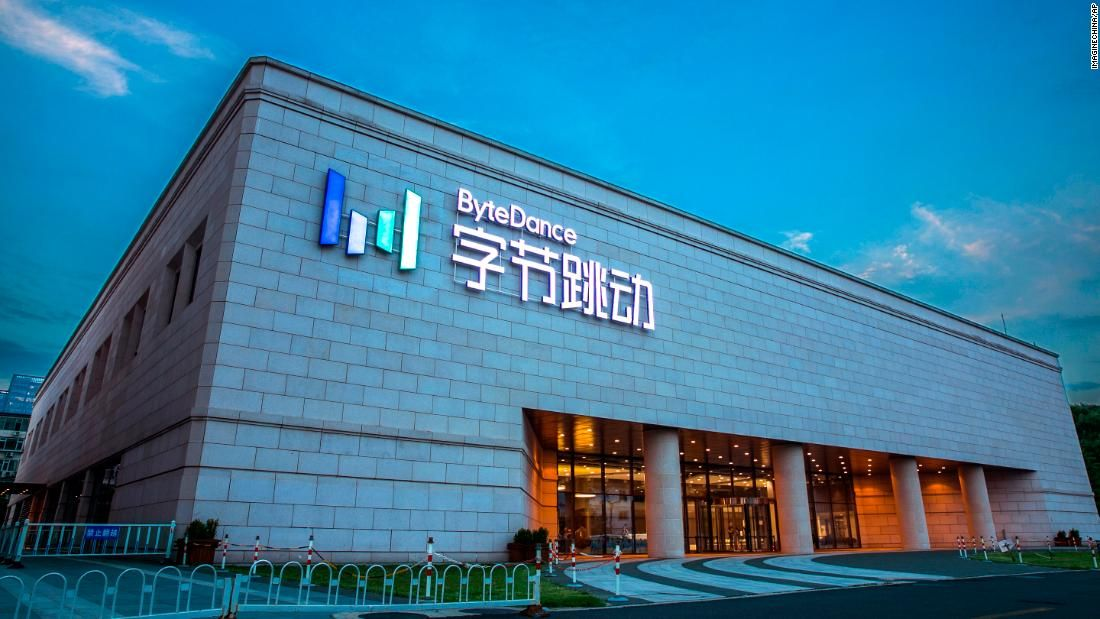
Chinese regulators have questioned major domestic tech firms, including Tencent, ByteDance, and Baidu, over their purchases of Nvidia’s H20 AI chips, sources told Reuters. The Cyberspace Administration of China (CAC) and other agencies asked companies to justify why they were opting for U.S. chips instead of domestic alternatives and raised concerns that data submitted to Nvidia for U.S. government review could expose sensitive client information.

While Beijing has not issued a direct ban on Nvidia’s H20, companies were cautioned about its use in government-related or security-sensitive projects. Bloomberg earlier reported that firms received official notices discouraging reliance on the chip, while The Information claimed ByteDance, Alibaba, and Tencent were ordered to halt purchases outright. These reports could not be independently confirmed by Reuters.

Nvidia defended the H20, stressing it is “not a military product or for government infrastructure,” while noting China has never relied on U.S. chips for government operations. The chipmaker designed the H20 specifically for China after U.S. export curbs in late 2023 restricted sales of its most advanced processors. Although Washington briefly banned its sale this year, the Trump administration reversed the decision in July, restoring limited access.

The scrutiny threatens a key revenue source for Nvidia, which made $17 billion from China last fiscal year — about 13% of its global revenue. State media have recently amplified criticism, portraying the H20 as technologically inferior and a security risk. Meanwhile, Chinese chipmakers like Huawei are working to produce domestic AI processors rivaling Nvidia’s offerings, though U.S. sanctions on advanced equipment remain a hurdle for large-scale production.

The tensions underscore Beijing’s push for self-sufficiency in semiconductors as Washington weighs tighter controls. U.S. President Donald Trump has hinted he may allow Nvidia to sell a scaled-down version of its Blackwell AI chip in China, even as concerns grow over the military applications of advanced AI. At the same time, an unusual deal now requires Nvidia and AMD to share 15% of China chip sales revenue with the U.S. government.

Trump Meets with Intel CEO Tan After Resignation Demands

U.S. President Donald Trump met with Intel CEO Lip-Bu Tan on Monday, just days after publicly demanding his resignation over alleged conflicts of interest tied to investments in Chinese firms. Following the meeting, Trump praised Tan, calling the discussion “very interesting.” Intel’s stock rose 3% in extended trading.

Last week, Trump had accused Tan of being “highly conflicted” due to his extensive ties to Chinese companies, some of which were reportedly linked to China’s military. Though such investments are not illegal unless involving entities on the U.S. Treasury’s restricted list, the revelations created uncertainty around Intel’s ongoing turnaround effort.

During the White House meeting, Trump was joined by Commerce Secretary Howard Lutnick and Treasury Secretary Scott Bessent. Trump said the officials, along with Tan, would provide him with further recommendations next week. Despite earlier criticism, Trump acknowledged Tan’s career as “an amazing story.”

Tan, who has been Intel’s CEO for roughly six months, is leading efforts to reposition the company amid heavy losses and fierce competition from Nvidia in the AI chip market. His strategy has included major asset sales, layoffs, and resource reallocation. However, Trump’s intervention—demanding his resignation—has raised concerns among investors and industry insiders that political pressure could derail Intel’s recovery.

Intel released a statement emphasizing Tan’s constructive dialogue with Trump and reaffirming its commitment to U.S. technology and manufacturing leadership. The company pledged to work closely with the administration to “restore this great American company.”

Trump’s direct involvement highlights his unusual influence over corporate governance, following a recent deal requiring Nvidia and AMD to share 15% of their China sales revenue with the U.S. government.