Yazılar

Intel’s Results to Reveal If Multibillion-Dollar Rescue Plan Is Working

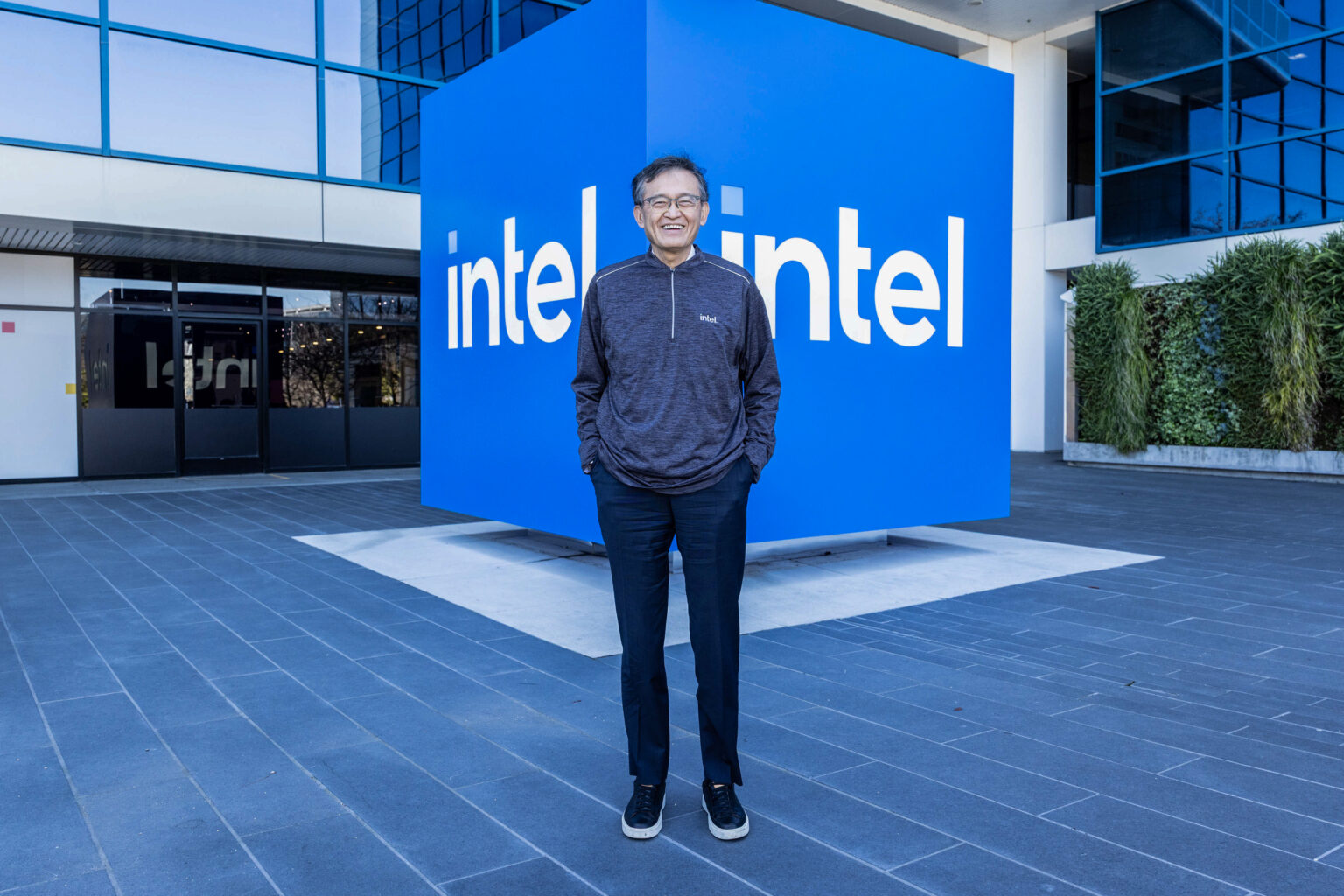
All eyes are on Intel’s third-quarter earnings report this Thursday, as investors look for signs that a wave of multibillion-dollar investments from Nvidia, SoftBank, and the U.S. government is stabilizing the struggling chipmaker under its new CEO Lip-Bu Tan.

The fresh funding has lifted Intel’s shares nearly 100% this year, outperforming even AI titan Nvidia, though expectations are high. Analysts expect a 1% drop in quarterly revenue to $13.14 billion, according to LSEG data, and a per-share loss of $0.22. Shares fell 4.5% on Wednesday, ahead of the results.

Investors are eager for clarity on whether the cash infusions are enough to revive Intel’s finances after years of costly manufacturing missteps under former CEO Pat Gelsinger. “The big question is: what does Intel’s big picture look like now, and what does their cash position look like?” said Joe Tigay, portfolio manager at Rational Equity Armor Fund.

The deals have handed Intel a crucial cash lifeline:
Nvidia invested $5 billion, acquiring about a 4% stake.
SoftBank added another $2 billion.
– The U.S. government took a 10% stake worth $8.9 billion, after tensions over Tan’s China ties sparked political backlash.

While these moves strengthen liquidity, they also dilute Intel’s earnings per share, analysts warn. “Share dilution is the least of Intel shareholders’ worries,” said Ryuta Makino of Gabelli Funds, noting that investors are focused on the company’s long-term strategy.

Despite new funding, Intel continues to lose ground to AMD and Arm-based rivals in CPUs, while remaining a minor player in the AI chip market dominated by Nvidia. However, the company is seeing renewed strength in PCs, with shipments rising 8% globally, and its PC division revenue expected to jump 11% to $8.12 billion.

Intel’s Panther Lake processor, built on its new 18A manufacturing node, is expected to begin shipping by late 2025 — a key test for Tan’s revised strategy, which scaled back Gelsinger’s aggressive factory expansion.

Revenue in Intel’s data center unit is projected to grow 18% to $3.95 billion, fueled by booming demand for server CPUs that pair with AI GPUs. The manufacturing segment, however, is expected to stay flat at $4.37 billion.

“The markets are giving Intel a lot of patience,” said Tigay. “These investments buy them time — but soon, the products will need to speak for themselves.”

China’s CXMT Plans $42 Billion Shanghai IPO to Fuel AI Chip Ambitions

ChangXin Memory Technologies (CXMT), China’s leading memory chipmaker, is preparing for a Shanghai initial public offering (IPO) as early as the first quarter of 2026, targeting a valuation of up to 300 billion yuan ($42.1 billion), according to sources familiar with the matter. The listing would mark one of China’s largest tech IPOs in years and a major step in Beijing’s drive for semiconductor self-sufficiency.

Founded in 2016 with state backing, CXMT is China’s main producer of dynamic random access memory (DRAM) chips — a market long dominated by Samsung, SK Hynix, and Micron Technology. The company aims to raise between 20 billion and 40 billion yuan, two sources said, while a third suggested about 30 billion yuan, with a prospectus possibly unveiled in November.

CXMT’s IPO plans come amid a surge in Chinese semiconductor stocks, with the CSI CN Semiconductor Index up nearly 49% this year. The firm has already begun pre-IPO “counselling” procedures with China International Capital Corporation and CSC Financial, both state-backed investment banks.

The proceeds will help finance CXMT’s aggressive push into high bandwidth memory (HBM) — an advanced form of DRAM critical for AI chips and data center processors such as those used in Nvidia’s GPUs. The company is building an HBM packaging plant in Shanghai, targeting initial production by late 2025 and mass output of HBM3 chips by 2026.

CXMT’s expansion is especially vital after U.S. trade restrictions cut off China’s access to advanced HBM chips last year. Analysts at TechInsights estimate the firm’s capital expenditure at $6–7 billion across 2023–2024, with a further 5% increase in 2025. The company’s initial HBM wafer capacity will reach about 30,000 per month, roughly one-fifth that of SK Hynix.

If successful, the IPO could attract heavy domestic investor demand, seen as both a financial opportunity and a patriotic play in China’s race to achieve technological independence.

AI Boom Sparks Global Shortage and Price Surge in Conventional Memory Chips

The worldwide race to produce advanced AI chips is causing a supply crunch for more traditional memory chips used in smartphones, computers, and servers — triggering panic buying and steep price increases across the semiconductor industry. Executives and analysts say the AI frenzy has unexpectedly set off a “super cycle” in the memory market, giving long-awaited relief to manufacturers such as Samsung Electronics, SK Hynix, and Micron Technology.

As chipmakers shift production capacity toward high-bandwidth memory (HBM) — essential for powering Nvidia’s AI processors — the supply of conventional DRAM and DDR5 server memory has tightened sharply. According to Fusion Worldwide president Tobey Gonnerman, demand has surged “in a fast and furious way,” leading to double and triple ordering reminiscent of past shortages.

The shortage coincides with a replacement cycle for data centers and personal computers, alongside stronger-than-expected smartphone sales. As a result, spot prices of DRAM nearly tripled in September compared to last year, while average inventories have dropped to just eight weeks, down from 31 weeks in early 2023.

Analysts predict that non-HBM chips could soon surpass HBM in profitability if current trends continue. In the latest quarter, Samsung earned an estimated 40% margin on commodity DRAMs, compared with 60% on HBMs. Rising prices have already pushed companies like Raspberry Pi to raise consumer prices, citing memory costs that have more than doubled over the past year.

Still, experts warn against overhyping a permanent boom. TechInsights vice chair Dan Hutcheson said the current cycle may last only a year or two, with a potential industry downturn forecast for 2027. While Samsung stands to benefit most from its non-HBM dominance, investors remain cautious about its ability to close the gap with rivals SK Hynix and TSMC in next-generation AI chip technologies.